

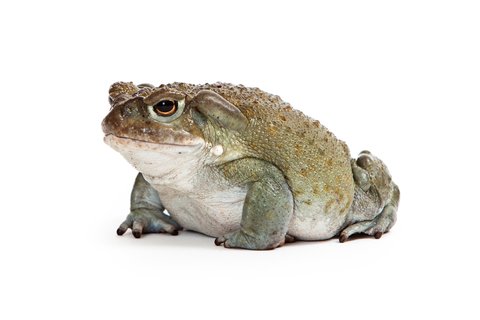
Colorado River Toad for Sale
Price range: €119,99 through €139,99
Colorado River Toads for Sale are a distinctive choice for experienced amphibian enthusiasts, known for their impressive size, olive-green colouration and prominent glands.
Also called the Sonoran Desert Toad (Incilius alvarius), this species requires a spacious, secure enclosure, suitable temperatures, carefully managed moisture and a varied diet of appropriate feeder insects.
Its defensive skin secretions are highly toxic, so avoid unnecessary handling and keep the animal away from children and pets. Check current availability, local regulations and care requirements before purchasing.
Colorado River Toad for Sale – Discover the Remarkable Sonoran Desert Toad
Looking for an unusual addition to your amphibian collection? Explore our Colorado River Toad for Sale listing and discover one of North America’s most distinctive toad species.
Also known as the Sonoran Desert Toad, this impressive amphibian is recognised for its large body, smooth-looking olive-green skin and distinctive glands behind its eyes.
Scientifically known as Incilius alvarius, the Colorado River Toad is native to the south-western United States and north-western Mexico.
It inhabits areas associated with desert environments, seasonal water sources, grasslands and riparian habitats. Despite its association with arid landscapes, it depends on suitable moisture and access to water to support its natural behaviour and hydration.
The Colorado River Toad is particularly interesting because of its size, specialised adaptations and seasonal activity. Adults can grow to approximately 18–20 cm in body length, although individual measurements vary. Its substantial build makes it important to provide an appropriately sized terrestrial enclosure with sufficient floor space, secure hiding places and a suitable substrate for natural resting behaviour.
This species is best suited to keepers who understand the requirements of large terrestrial amphibians. It produces potent defensive skin secretions that can seriously harm people and other animals if exposure occurs. Unnecessary handling must be avoided, and secure housing away from children and pets is essential.
Browse our Colorado River Toad for Sale listing to check current availability and specimen details. Before purchasing, confirm the animal’s identity, origin, feeding history, legal status and specific care requirements. A properly prepared enclosure and a clear understanding of the species’ needs are essential before bringing one into your care.
Colorado River Toad Characteristics
- Common names: Colorado River Toad and Sonoran Desert Toad.
- Scientific name: Incilius alvarius.
- Former scientific name: Bufo alvarius.
- Family: Bufonidae.
- Animal group: Amphibians.
- Natural distribution: South-western United States and north-western Mexico.
- Natural habitat: Desert margins, grasslands, riparian areas and environments associated with seasonal rainfall.
- Adult size: Approximately 18–20 cm in body length for large individuals.
- Appearance: Heavy-bodied amphibian with olive-green, brown or mottled skin and prominent parotoid glands.
- Lifestyle: Primarily terrestrial, with activity often increasing during suitable evening and seasonal conditions.
- Diet: Carnivorous, feeding on suitable insects and other animal prey.
- Enclosure: Spacious, secure terrestrial habitat with burrowing substrate, hiding places and a shallow water dish.
- Temperature: A warm-side range around 27–29°C and a cooler area around 22–26°C may serve as a starting reference, subject to specialist guidance.
- Humidity: Moderate humidity with good ventilation and access to a suitably moist area.
- Lifespan: Often reported to exceed 10 years in captivity, although individual longevity varies.
- Handling: Avoid unnecessary handling because of potent defensive skin secretions.
- Availability: Subject to current stock and supplier confirmation.
These details are general references rather than guarantees for an individual specimen. Confirm the animal’s size, condition and care requirements with the supplier before purchasing.
Why Choose a Colorado River Toad?
Impressive Adult Size
The Colorado River Toad is among the largest toad species native to North America. Its broad head, thick body and strong limbs give it a distinctive appearance.
Large adults need sufficient floor space to move comfortably, rest and explore. Prospective keepers should plan for the animal’s expected adult size rather than choosing an enclosure based solely on the dimensions of a juvenile.
Distinctive Natural Appearance
This species commonly displays olive-green, greyish or brown skin, sometimes with mottled markings. Its prominent parotoid glands behind the eyes are among its most recognisable features.
Its unusual appearance and substantial build make it an interesting species for observation in a well-maintained terrestrial enclosure.
Adaptations to Seasonal Environments
The Colorado River Toad lives in regions where rainfall and water availability can change considerably throughout the year.
Its natural activity is influenced by environmental conditions, including seasonal rainfall. In captivity, suitable temperature, moisture management and access to clean water are important for supporting its welfare.
Interesting Feeding Behaviour
Colorado River Toads are carnivorous and consume suitable animal prey. Their diet in captivity can include appropriately sized feeder insects and other suitable invertebrates.
A carefully managed feeding routine supports good body condition and helps prevent obesity. Food should be selected according to the individual’s size, age and nutritional requirements.
A Species for Knowledgeable Keepers
The Colorado River Toad is an interesting choice for people who enjoy learning about specialised amphibians and their natural behaviour.
However, its defensive secretions, adult size and environmental requirements mean that it should not be considered a casual pet. Research the species thoroughly and prepare its enclosure before purchasing.
Physical Appearance and Adult Size
Body Structure
The Colorado River Toad has a broad, heavy body and relatively short limbs. Its sturdy build supports terrestrial movement and foraging.
Because adults can become substantial in size, a spacious enclosure with stable furnishings and adequate floor space is essential.
Skin Colouration
The skin can appear olive-green, greyish, brown or mottled, depending on the individual and its surroundings.
Colour variation is natural. Photographs should be treated as examples rather than a guarantee of the exact colouration of the animal supplied.
Parotoid Glands
The large glands behind the eyes are an important identifying feature. They produce defensive secretions that help deter predators.
These secretions can cause serious harm if they enter the eyes or mouth or are ingested. They are particularly dangerous to pets that bite, lick or swallow a toad.
For this reason, Colorado River Toads should be housed securely and handled as little as possible. Never attempt to collect, extract or use their secretions.
How Large Does a Colorado River Toad Grow?
Adult Colorado River Toads commonly measure around 10–18 cm, with some large individuals approaching 20 cm. Males are generally smaller than females.
Growth depends on genetics, sex, age, nutrition and environmental conditions. Ask the supplier for the current size of the individual offered and plan the enclosure around its expected adult dimensions.
Natural Habitat and Behaviour
Understanding the Colorado River Toad’s natural environment helps explain its captive care requirements.
South-western United States and Mexico
The species is native to areas of the south-western United States and north-western Mexico. Its distribution includes parts of Arizona, New Mexico and neighbouring regions, although the precise range varies by reference.
Its natural environment includes arid and semi-arid landscapes where suitable water sources, seasonal rainfall and shelter influence its activity.
Seasonal Water Sources
Although associated with desert environments, the Colorado River Toad is not an animal that can be kept without access to water.
Seasonal pools, streams and other suitable water sources play an important role in its natural life cycle. Captive animals require access to clean water and a suitable moisture gradient.
Terrestrial Lifestyle
Colorado River Toads are primarily terrestrial. They spend much of their time on the ground and may shelter in burrows or other protected locations.
A suitable enclosure should provide sufficient floor space, a diggable substrate and secure hiding places.
Activity Patterns
Activity often increases during suitable evening conditions and periods of seasonal rainfall. The animal may remain sheltered during less favourable conditions.
Provide quiet resting areas and avoid unnecessary disturbance during the day.
Feeding Behaviour
The species is carnivorous and feeds on suitable animal prey. In captivity, food should be selected from reliable sources and sized appropriately.
Do not assume that an animal needs additional food simply because it readily accepts a meal. Monitor body condition and adjust feeding accordingly.
Colorado River Toad Enclosure Setup
A suitable enclosure should provide sufficient space, secure shelter, a diggable substrate, appropriate environmental conditions and constant access to clean water.
Enclosure Size
Colorado River Toads need a spacious terrestrial habitat because of their adult size and substantial build.
For one adult, an enclosure measuring approximately 120 × 60 × 45 cm (length × width × height) is a useful planning target. This is a practical starting point rather than a universal minimum; larger animals may benefit from additional floor space.
The enclosure should be upgraded as a juvenile grows. Avoid overcrowding the habitat with decorations, and ensure that the animal can move freely between its shelter, water dish and feeding area.
Secure Lid and Ventilation
Use a strong, secure lid that prevents escapes.
Good ventilation helps prevent stagnant air, mould and excessive moisture. At the same time, the enclosure must retain sufficient moisture in a designated area to support hydration and natural behaviour.
Check the lid, door fittings and ventilation openings regularly.
Substrate
Choose a safe substrate that allows natural burrowing or digging behaviour.
A suitable chemical-free soil mixture may be used where recommended for the species. The substrate should be deep enough for the animal to rest or partially burrow comfortably.
Avoid fertilisers, pesticides, sharp particles and materials that could cause harm if accidentally swallowed. The surface should not remain continuously waterlogged.
Hiding Places
Provide sturdy hides, cork bark or other stable structures that offer sheltered resting areas.
Ensure that decorations cannot collapse, shift or trap the toad. A secure hide helps the animal retreat from light and disturbance.
Water Dish
Provide a shallow, stable water dish large enough for the animal to soak comfortably while allowing it to enter and leave easily.
Use clean, appropriately treated water and replace it whenever it becomes contaminated. Clean the dish regularly, as amphibians can foul their water quickly.
Enclosure Layout
Create a habitat with open floor space, sheltered areas and a moisture gradient.
Avoid excessive decoration that limits movement or makes cleaning difficult. The enclosure should allow regular observation of the animal and easy removal of waste.
Temperature Requirements
Colorado River Toads require suitable temperatures that reflect their natural environment. The enclosure should provide a gentle temperature gradient rather than a single uniform temperature.
A warm area of approximately 27–29°C and a cooler area of approximately 22–26°C may serve as provisional starting references. Exact requirements should be confirmed using reliable, species-specific husbandry guidance.
Use reliable thermometers to monitor both warmer and cooler areas. Avoid placing the enclosure in direct sunlight, where temperatures can rise dangerously.
If supplemental heating is necessary, use an appropriate thermostat-controlled system. Ensure that the animal cannot come into direct contact with hot equipment and can move away from the warm area.
Avoid sudden temperature changes and excessive heating. Consistent monitoring is essential for maintaining a suitable environment.
Humidity and Moisture Management
The Colorado River Toad comes from regions with relatively dry periods, but it still needs access to suitable moisture.
A relative humidity range of approximately 40–60% may serve as a starting reference for an adult enclosure, provided there is a suitably moist area and access to clean water. Juveniles may require more careful moisture management.
Use a hygrometer to monitor humidity and maintain good ventilation. Provide a moisture gradient so the toad can select a suitable resting area.
The substrate should be diggable without remaining saturated. Persistent condensation, mould or a strong unpleasant smell may indicate excessive moisture or insufficient ventilation.
Always provide clean water. Misting alone is not a substitute for a suitable water dish and appropriate environmental management.
What Do Colorado River Toads Eat?
Colorado River Toads are carnivorous. A suitable captive diet should contain appropriately sized, safe prey and support the animal’s nutritional requirements.
Crickets
Appropriately sized crickets can provide a useful food source.
Choose healthy feeder insects from a reliable supplier and ensure that the prey is small enough to be swallowed safely.
Cockroaches
Suitable feeder cockroaches can provide dietary variety.
Select an appropriate size and species, and remove uneaten prey where necessary.
Earthworms
Suitable earthworms may be included in a varied feeding programme.
Use a reliable source and avoid worms collected from areas treated with pesticides or other potentially harmful chemicals.
Other Suitable Invertebrates
Depending on the animal’s size and dietary requirements, other suitable feeder invertebrates may be offered.
Avoid wild-caught prey of unknown origin because it may carry parasites, pesticides or other contaminants.
Feeding Frequency
Feeding frequency depends on the animal’s age, body condition, activity and nutritional requirements. Growing animals generally need more frequent feeding than adults.
Monitor body condition and adjust portion sizes accordingly. Avoid overfeeding, as captive amphibians can become overweight.
Remove uneaten prey and waste promptly to maintain enclosure hygiene.
Nutritional Supplementation
Feeder insects should be appropriately nourished before feeding. Calcium or vitamin supplementation may be appropriate depending on the diet and the animal’s needs.
Follow specialist husbandry advice for the confirmed species rather than applying a fixed supplementation schedule without considering the animal’s condition.
Lifespan and Long-Term Care
The Colorado River Toad is a long-term responsibility.
Captive lifespan estimates vary, with some husbandry references reporting lives exceeding 10 years. The exact lifespan is not guaranteed and depends on the individual’s health, genetics, nutrition and environmental conditions.
Responsible care includes:
- Providing a spacious, secure enclosure.
- Maintaining suitable temperatures and humidity.
- Providing clean water at all times.
- Offering a nutritionally appropriate diet.
- Monitoring body condition and feeding behaviour.
- Maintaining good enclosure hygiene.
- Minimising unnecessary handling.
- Seeking veterinary advice when health concerns arise.
Before purchasing, consider whether you can provide appropriate care throughout the animal’s expected lifespan.
Handling and Safety
Colorado River Toads are best appreciated through observation rather than frequent handling.
Their defensive secretions can be highly toxic and may cause serious harm if they contact the eyes or mouth or are ingested. Children and household pets must be kept away from the animal and its enclosure.
Avoid unnecessary direct contact. For essential enclosure maintenance or veterinary care, use a suitable clean transfer container and follow advice from an experienced amphibian veterinarian.
Never touch your eyes or mouth while working with the animal or its enclosure. Wash your hands thoroughly after maintenance and keep the toad securely separated from dogs, cats and other animals that might bite or swallow it.
Never collect or extract its secretions for any purpose. If exposure occurs, avoid further contact and seek appropriate medical or veterinary advice, depending on who has been exposed.
Is a Colorado River Toad Suitable for Beginners?
This species is best considered by keepers who have researched large terrestrial amphibians and understand its specific care and safety requirements.
Its size, environmental needs and potent defensive secretions make it unsuitable for casual handling or an improvised enclosure.
Before purchasing, make sure you can:
- Provide a spacious, secure terrestrial habitat.
- Maintain suitable temperature and humidity.
- Supply safe, appropriately sized feeder animals.
- Monitor feeding, body condition and general health.
- Maintain clean water and enclosure hygiene.
- Avoid unnecessary handling.
- Protect children and other pets from contact.
- Arrange appropriate veterinary care.
- Comply with applicable wildlife and ownership regulations.
If you are new to amphibian keeping, research the species thoroughly and consult an experienced exotic-animal professional before making a purchase.
Responsible Sourcing and Legal Considerations
Before purchasing a Colorado River Toad, confirm the animal’s scientific identity, origin and current condition.
Ask the supplier whether the specimen is captive-bred or wild-collected, where this information is available. Request details about its size, feeding history and relevant health information.
Legal restrictions are particularly important for this species because its defensive secretions can be dangerous and its trade or possession may be regulated in some jurisdictions.
Ownership, importation, transport and breeding rules can differ between countries, states and regions. Confirm the regulations that apply to your location before ordering.
Never release a captive toad into the wild or allow it to escape into the local environment. Responsible ownership includes secure housing throughout the animal’s life.
Do not assume that a supplier’s domestic shipping policy permits international delivery. Confirm legal eligibility and delivery arrangements directly before purchasing.
Ordering a Colorado River Toad Online
Before completing your purchase, review the product listing and confirm:
- Scientific identification: Incilius alvarius.
- Current stock availability.
- Approximate size and developmental stage.
- Captive-bred or wild-collected status, where documented.
- Feeding history and accepted prey.
- Recommended enclosure and environmental conditions.
- Shipping eligibility for your destination.
- Packaging and dispatch arrangements.
- Any live-arrival guarantee and its conditions.
- Applicable ownership, import and wildlife-trade documentation.
Prepare the enclosure before the animal arrives. Confirm that the temperature, humidity and water supply are suitable, and ensure that the lid, hides and other fittings are secure.
Read the seller’s terms carefully and confirm that the animal can legally be delivered to your location before placing an order.
Frequently Asked Questions
What is a Colorado River Toad?
The Colorado River Toad, also known as the Sonoran Desert Toad, is a large terrestrial amphibian scientifically known as Incilius alvarius. Older references may use the name Bufo alvarius.
How large does a Colorado River Toad grow?
Adults commonly reach approximately 10–18 cm in body length, with some large individuals approaching 20 cm. Size varies according to sex and individual development.
Where do Colorado River Toads originate?
They are native to the south-western United States and north-western Mexico, where they inhabit environments associated with seasonal rainfall and suitable water sources.
What do Colorado River Toads eat?
They are carnivorous and can eat appropriately sized crickets, cockroaches, earthworms and other suitable feeder invertebrates.
What temperature does a Colorado River Toad need?
A warm area around 27–29°C and a cooler area around 22–26°C may serve as starting references. Confirm the correct range for the individual animal with reliable husbandry guidance.
What humidity does a Colorado River Toad need?
An adult enclosure may start around 40–60% relative humidity, with a suitably moist area and access to clean water. Monitor conditions carefully and avoid excessive moisture or stagnant air.
How long does a Colorado River Toad live?
Some husbandry references report lifespans exceeding 10 years in captivity. Actual longevity varies according to health, genetics and care.
Are Colorado River Toads dangerous?
They produce potent defensive skin secretions that can seriously harm people and other animals if exposure occurs. Avoid unnecessary handling and keep them securely away from children and pets.
Are Colorado River Toads suitable for beginners?
They are best suited to keepers who understand large terrestrial amphibian care and can provide secure housing, appropriate environmental conditions and strict safety precautions.
Can Colorado River Toads live with other animals?
Cohabitation should not be assumed to be safe. Other animals may be injured by defensive secretions, and shared housing can create additional risks involving stress, feeding and disease transmission. A dedicated enclosure is generally easier to manage.
Can I buy a Colorado River Toad online?
Availability depends on the supplier, current stock and the laws that apply to your location. Confirm the animal’s origin, shipping eligibility and ownership requirements before ordering.
Find Your Colorado River Toad for Sale
Discover our Colorado River Toad for Sale listing and learn more about one of North America’s most distinctive amphibians.
With its substantial size, olive-green or brown colouration and specialised adaptations, the Sonoran Desert Toad is a fascinating species for knowledgeable amphibian enthusiasts.
Responsible care begins with a spacious, secure terrestrial enclosure, suitable temperature and humidity, clean water and a carefully managed feeding routine. Its potent defensive secretions must always be taken seriously, and unnecessary handling should be avoided.
Browse the available listing, confirm the specimen’s details and current availability, and review the relevant purchasing, legal and shipping requirements before ordering. Prepare a suitable habitat in advance and choose responsibly.
| Choose gender | Adult Male, Adult Female |
|---|---|
| Male or Female | No Pref, Male, Female |
Be the first to review “Colorado River Toad for Sale”
Related products
Amphibians for Sale
Amphibians for Sale
Amphibians for Sale
Amphibians for Sale
Amphibians for Sale
Amphibians for Sale
Amphibians for Sale
Amphibians for Sale
Reviews
There are no reviews yet.