



Chilean Wide Mouthed Toad for Sale
€99,99
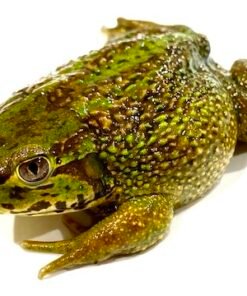
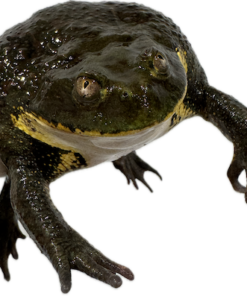
Chilean Wide-Mouthed Toads for Sale – Large Stock Available! Discover the impressive Chilean Helmeted Frog (Calyptocephalella gayi), known for its broad head, robust body and aquatic lifestyle.
We have a large stock available, with enquiries welcome regarding current availability, specimen sizes and feeding history.
These large amphibians require a spacious aquatic habitat, reliable filtration and excellent water quality. Contact us to enquire about available specimens, sourcing documentation and delivery eligibility before ordering.
Chilean Wide-Mouthed Toad for Sale – Discover the Remarkable Chilean Helmeted Frog
Looking for a distinctive, large-bodied amphibian for your collection? Explore our Chilean Wide-Mouthed Toad for Sale listing and discover a fascinating species known for its broad head, powerful build and predominantly aquatic lifestyle.
Also called the Chilean Helmeted Frog or Chilean Giant Frog, this unusual amphibian stands out for its impressive adult size and distinctive appearance. Scientifically known as Calyptocephalella gayi, the Chilean Wide-Mouthed Toad is native to central and south-central Chile.
Despite its common name, it is technically a frog rather than a true toad. It belongs to the family Calyptocephalellidae and is the only living representative of its genus.
Unlike many terrestrial toads, this species spends much of its life in aquatic environments, including ponds, lagoons, wetlands and slow-moving waterways. Its broad mouth, robust body, greenish or brown colouration and distinctive head structure help distinguish it from smaller amphibian species.
The Chilean Wide-Mouthed Toad is particularly interesting to experienced amphibian keepers who have the space and expertise to maintain a large aquatic or semi-aquatic habitat.
Adults can grow considerably larger than many commonly kept frogs, with some specimens reaching approximately 25–30 cm in body length. Their substantial size means that enclosure planning, water quality, filtration and long-term maintenance are especially important.
This species is also notable for its conservation status. It is classified as Vulnerable in Chile’s official biodiversity information, with habitat degradation, pollution, drought and other pressures contributing to concerns about wild populations.
Responsible sourcing and verification of the animal’s legal status are therefore essential before purchasing. Browse our Chilean Wide-Mouthed Toad for Sale listing to check current availability and specimen details.
Before ordering, confirm the animal’s scientific identification, captive-bred or wild-collected status, feeding history and legal eligibility in your location. Preparing a suitable aquatic habitat before arrival is an essential part of responsible ownership.
Chilean Wide-Mouthed Toad Characteristics
- Common names: Chilean Wide-Mouthed Toad, Chilean Helmeted Frog and Chilean Giant Frog.
- Scientific name: Calyptocephalella gayi.
- Family: Calyptocephalellidae.
- Animal group: Amphibians.
- Natural distribution: Chile, particularly central and south-central regions.
- Natural habitat: Ponds, lagoons, wetlands and slow-moving freshwater environments.
- Adult size: Commonly substantial, with some adults reaching approximately 25–30 cm in body length.
- Appearance: Robust body, very broad head, large mouth and greenish, brownish or mottled skin.
- Lifestyle: Primarily aquatic to semi-aquatic.
- Diet: Carnivorous as an adult, consuming suitable animal prey.
- Enclosure: Large, secure aquatic or semi-aquatic habitat with excellent water quality and suitable resting areas.
- Water conditions: Clean, well-maintained freshwater with appropriate filtration and monitoring.
- Lifespan: Long-term commitment; exact captive lifespan varies and should be confirmed with specialist care guidance.
- Handling: Minimise handling and support the animal properly when essential.
- Conservation: Classified as Vulnerable in Chile’s official biodiversity information.
- Availability: Subject to current stock, sourcing and applicable regulations.
These characteristics are general references rather than guarantees for an individual specimen. Confirm the size, condition, origin and specific husbandry requirements of the animal being offered before purchasing.
Why Choose a Chilean Wide-Mouthed Toad?
Impressive Adult Size
The Chilean Wide-Mouthed Toad is a large amphibian with a substantial body and broad head. Some adults can reach approximately 25–30 cm in body length, making this species much larger than many familiar pet frogs.
Its adult dimensions should be considered carefully when planning an enclosure. A small aquarium suitable for a juvenile will not provide adequate long-term accommodation for a fully grown individual.
Distinctive Wide-Mouthed Appearance
The species is recognised for its broad mouth, large head and robust body. Its skin can display greenish, brownish or mottled colours, with colouration varying according to age and individual development.
These physical features give the Chilean Wide-Mouthed Toad a distinctive appearance that makes it particularly interesting to observe.
Fascinating Aquatic Behaviour
Unlike many terrestrial toads, the Chilean Wide-Mouthed Toad is strongly associated with freshwater environments. It spends much of its time in water and relies on appropriate aquatic conditions to remain healthy.
Its behaviour and environmental needs make it an interesting species for keepers with experience maintaining large amphibian habitats.
A Specialised Feeding Response
Adult Chilean Wide-Mouthed Toads are carnivorous and can consume a variety of suitable animal prey. Their broad mouths allow them to capture relatively large prey compared with smaller frog species.
Captive feeding must nevertheless be carefully controlled. Prey should be safe, appropriately sized and nutritionally suitable for the individual animal.
A Distinctive Species for Experienced Keepers
The Chilean Wide-Mouthed Toad offers an opportunity to observe a large and unusual South American amphibian. Its aquatic lifestyle and substantial adult size make it different from many conventional terrestrial toads.
However, its specialised environmental requirements, potential adult size and conservation considerations mean that responsible ownership requires preparation and research.
Physical Appearance and Adult Size
Broad Head and Powerful Body
The Chilean Wide-Mouthed Toad has a broad head, rounded snout and heavy body. Its head structure includes distinctive bony features that give the species its helmeted appearance.
Its powerful build is well suited to an aquatic lifestyle, and its overall proportions become more impressive as it matures.
Skin Colouration
Colouration varies between individuals and developmental stages. Green, brown, yellowish and greyish tones may occur, often with irregular markings.
Photographs should be treated as examples rather than an exact representation of the animal supplied.
How Large Does a Chilean Wide-Mouthed Toad Grow?
This is a large frog species. Adults may reach approximately 25–30 cm in body length, although size varies and measurements differ between sources.
Females can grow particularly large. Ask the supplier for the current measurements of the specimen being offered and plan the enclosure around its expected adult size.
Why Adult Size Matters
A large amphibian requires sufficient space, suitable water depth, reliable filtration and a habitat that remains easy to maintain.
A suitable enclosure must allow the animal to move naturally without becoming trapped between decorations or struggling to reach a resting area.
Natural Habitat and Behaviour
Understanding the Chilean Wide-Mouthed Toad’s natural environment helps explain its specialised captive care requirements.
Native to Chile
The species is endemic to Chile, meaning its natural distribution is restricted to that country. Its range extends through central and south-central regions.
Its association with freshwater habitats makes water availability and quality particularly important to its survival.
Freshwater Environments
Chilean Wide-Mouthed Toads occur in habitats such as lagoons, wetlands, ponds and relatively slow-moving waterways.
These environments provide suitable aquatic conditions and opportunities for feeding and reproduction. A captive enclosure should reflect the species’ aquatic needs rather than being designed as a conventional dry toad terrarium.
Aquatic and Semi-Aquatic Lifestyle
The species spends much of its life in water, although individuals may use shallow margins and other resting areas.
Provide sufficient swimming space alongside accessible resting locations. The layout should allow the animal to move freely without encountering unstable decorations or hazardous equipment.
Feeding Behaviour
Adult Chilean Wide-Mouthed Toads are carnivorous. They can consume a variety of animal prey, including invertebrates and other appropriately sized animals.
Because this species has a large mouth and a substantial feeding response, owners must ensure that food items are suitable and that feeding does not lead to obesity or injury.
Chilean Wide-Mouthed Toad Enclosure Setup
A suitable enclosure should prioritise aquatic space, water quality, security and easy maintenance.
Enclosure Size
Chilean Wide-Mouthed Toads require considerably more space than smaller commonly kept amphibians.
A large, purpose-designed aquatic habitat is essential. The precise enclosure dimensions depend on the animal’s current size, expected adult size, swimming behaviour and the design of the aquatic system.
Do not treat a small juvenile enclosure as a permanent solution. Plan for the adult animal before purchasing, and seek specialist advice on the minimum suitable water volume and dimensions.
Water Depth and Swimming Space
Provide enough water for comfortable movement and natural aquatic behaviour. The layout should also include accessible resting areas and avoid forcing the animal into narrow or obstructed spaces.
Water depth must be appropriate for the specimen’s size and swimming ability. Avoid assuming that one fixed depth will suit juveniles and large adults equally well.
Filtration and Water Quality
Reliable filtration is important because large amphibians can produce considerable waste.
Use an appropriate filtration system and monitor water quality regularly. Ammonia and nitrite should remain at undetectable levels, while nitrate should be controlled through suitable maintenance and water changes.
The filtration system should provide effective cleaning without producing excessive current that makes resting or swimming difficult.
Any new aquatic system should be properly established before the animal is introduced.
Water Treatment
Use suitable freshwater that has been treated to remove chlorine and other harmful disinfectants where necessary.
Avoid untreated tap water if it contains substances that may harm amphibians. Water quality should be checked regularly rather than judged by appearance alone.
Resting Areas and Aquatic Furnishings
Provide stable structures or suitable shallow areas where the animal can rest comfortably.
All furnishings must be secure and free from sharp edges. Avoid decorations that could collapse, trap the animal or obstruct its movement.
Keep the layout practical so that waste can be removed and water quality maintained.
Secure Enclosure Cover
Use a sturdy, secure cover appropriate to the enclosure design. Ensure that equipment, cables and filter openings do not create escape routes or entrapment hazards.
Maintain sufficient ventilation where appropriate for the enclosure and prevent access by children or other household animals.
Hygiene and Maintenance
Regularly inspect the enclosure, remove waste and monitor the filtration system.
Water changes should be based on water testing, stocking conditions and the effectiveness of the filtration system. Avoid sudden changes in water chemistry or temperature.
Keep maintenance equipment clean and avoid using detergents or chemicals that may leave harmful residues.
Temperature Requirements
The Chilean Wide-Mouthed Toad is associated with freshwater habitats in Chile, and its temperature requirements should not be assumed to match those of tropical terrestrial toads.
Reliable, species-specific guidance is essential when selecting a water temperature range. Avoid using a generic tropical aquarium setting without confirming its suitability for this species.
Use an accurate aquarium thermometer to monitor water temperature consistently. If heating or cooling is necessary, select equipment suitable for the water volume and use a thermostat where appropriate.
Avoid sudden temperature changes and excessive heating. Research indicates that elevated water temperatures can be harmful to this species, so overheating must be prevented.
Water Quality and Environmental Management
Water quality is one of the most important aspects of maintaining a healthy Chilean Wide-Mouthed Toad.
Filtration
Choose filtration appropriate for the enclosure’s water volume and waste load. The system should maintain clean water without producing an excessively strong current.
Inspect filter media and equipment regularly, following a maintenance routine that preserves beneficial biological filtration.
Water Testing
Monitor water quality using reliable aquarium test kits. Pay particular attention to ammonia, nitrite, nitrate and pH.
Avoid making large, unnecessary changes to water chemistry. Any adjustments should be gradual and based on measured results and species-specific advice.
Water Changes
Perform appropriate partial water changes to control accumulated waste and maintain stable conditions.
Always treat replacement water as needed and ensure that its temperature and chemistry are suitable before adding it to the enclosure.
Cleanliness
Remove uneaten food and visible waste promptly. Decomposing material can rapidly affect water quality in a habitat occupied by a large amphibian.
Maintain a consistent cleaning routine and monitor the animal for changes in appetite, activity or appearance.
What Do Chilean Wide-Mouthed Toads Eat?
Adult Chilean Wide-Mouthed Toads are carnivorous. Their diet should provide appropriate nutrition without exposing them to unsafe prey or excessive food quantities.
Earthworms
Suitable earthworms can provide a useful food source. Obtain them from a reliable supplier and avoid worms collected from areas treated with pesticides or other potentially harmful chemicals.
Crickets and Other Feeder Insects
Appropriately sized crickets and other suitable feeder insects may be offered as part of a varied diet.
Choose prey that the animal can consume safely and ensure that the insects have been appropriately nourished before feeding.
Other Suitable Animal Prey
Depending on the specimen’s size and specialist dietary guidance, other suitable animal prey may be included.
Do not assume that every fish, insect or other animal is an appropriate food source. Prey should be safe, nutritionally suitable and free from known contaminants.
Feeding Frequency
Feeding frequency depends on age, size, body condition and activity. Growing animals may require more frequent meals than mature individuals.
Monitor the animal’s body condition and adjust portions to prevent excessive weight gain. A strong feeding response does not mean that the animal should be fed without limits.
Nutritional Supplementation
The need for calcium or vitamin supplementation depends on the diet and the individual animal’s nutritional requirements.
Consult an amphibian specialist or exotic-animal veterinarian to establish a suitable feeding and supplementation plan.
Food Hygiene
Remove uneaten food promptly and monitor water quality after feeding.
Avoid allowing large amounts of uneaten prey to remain in the water, as decomposing food can increase waste levels and compromise the aquatic environment.
Lifespan and Long-Term Care
The Chilean Wide-Mouthed Toad should be considered a long-term commitment.
Captive lifespan estimates vary between sources, and a reliable universal lifespan figure is difficult to establish. The animal’s longevity depends on its health, genetics, nutrition, water quality and overall husbandry.
Responsible care includes:
- Maintaining a spacious aquatic habitat.
- Providing reliable filtration and clean water.
- Monitoring water chemistry and temperature.
- Offering a suitable, varied carnivorous diet.
- Monitoring body condition and feeding behaviour.
- Maintaining stable environmental conditions.
- Minimising unnecessary handling.
- Seeking veterinary advice when health concerns arise.
Before purchasing, consider the long-term costs of maintaining a large aquatic system, including filtration, water testing, equipment and veterinary care.
Handling and Safety
Chilean Wide-Mouthed Toads are best appreciated through observation rather than frequent handling.
Their large bodies require careful support if moving them becomes necessary. Unnecessary handling can cause stress and may damage their delicate skin.
If the animal must be transferred for enclosure maintenance or veterinary treatment, use an appropriate clean container and follow specialist amphibian-handling advice.
Wash your hands before and after necessary contact, and avoid touching the animal with hands contaminated by soaps, lotions or chemicals.
Keep the enclosure secure and prevent children or other pets from disturbing the animal.
Is a Chilean Wide-Mouthed Toad Suitable for Beginners?
This species is generally better suited to keepers with experience maintaining large aquatic amphibians.
Its substantial adult size and dependence on excellent water quality make it more demanding than many small terrestrial frogs or toads.
Before purchasing, make sure you can:
- Provide a large, suitable aquatic habitat.
- Install and maintain effective filtration.
- Monitor water chemistry and temperature.
- Supply appropriate food in suitable quantities.
- Maintain consistent hygiene.
- Arrange appropriate veterinary care.
- Manage the long-term costs of a large aquatic enclosure.
- Verify the animal’s legal status and origin.
If you are new to amphibian keeping, research the species carefully and seek specialist advice before making a purchase.
Responsible Sourcing and Conservation
Responsible sourcing is particularly important for the Chilean Wide-Mouthed Toad.
Chile’s official biodiversity information classifies Calyptocephalella gayi as Vulnerable. Research has identified concerns including habitat loss, water pollution, drought, collection from the wild and disease.
Before purchasing, ask the supplier whether the specimen is captive-bred or wild-collected and request documentation where available.
Confirm the scientific identification and ensure that the seller can provide reliable information about the animal’s origin and condition.
Check the wildlife-trade and import rules that apply to your location. Do not assume that an animal can be legally purchased, transported or imported simply because it appears in an online listing.
Never release a captive amphibian into the wild. Releasing non-native animals can introduce disease and create ecological problems, while releasing native species from captive collections can also pose risks.
Responsible purchasing supports better animal welfare and helps reduce pressure on vulnerable wild populations.
Ordering a Chilean Wide-Mouthed Toad Online
Before completing your purchase, review the listing and confirm:
- Scientific identification: Calyptocephalella gayi.
- Current stock availability.
- Approximate size and developmental stage.
- Captive-bred or wild-collected status, where documented.
- Feeding history and accepted prey.
- Recommended aquatic enclosure and water conditions.
- Filtration and maintenance requirements.
- Shipping eligibility for your destination.
- Packaging and dispatch arrangements.
- Any live-arrival guarantee and its conditions.
- Applicable ownership, import and wildlife-trade documentation.
Prepare the aquatic habitat before the animal arrives. Ensure that filtration is operating correctly, water quality is suitable and all equipment is secure.
Read the supplier’s terms carefully and confirm that the animal can legally be delivered to your location before ordering.
Frequently Asked Questions
What is a Chilean Wide-Mouthed Toad?
It is a large amphibian native to Chile, scientifically known as Calyptocephalella gayi. Despite its common name, it is technically a frog rather than a true toad.
What is another name for the Chilean Wide-Mouthed Toad?
It is also known as the Chilean Helmeted Frog and Chilean Giant Frog.
How large does a Chilean Wide-Mouthed Toad grow?
Some adults reach approximately 25–30 cm in body length, although size varies between individuals. Females can grow particularly large.
Where do Chilean Wide-Mouthed Toads originate?
They are native to central and south-central Chile, where they inhabit freshwater environments such as ponds, wetlands, lagoons and slow-moving waterways.
Are Chilean Wide-Mouthed Toads aquatic?
Yes. The species is predominantly aquatic to semi-aquatic and requires a suitable freshwater habitat rather than a conventional dry terrestrial enclosure.
What do Chilean Wide-Mouthed Toads eat?
Adults are carnivorous and can consume suitable animal prey, including earthworms, feeder insects and other appropriate food items selected according to their size and nutritional needs.
How long does a Chilean Wide-Mouthed Toad live?
Captive lifespan estimates vary. Long-term care, stable water quality, appropriate nutrition and suitable environmental conditions are important for supporting longevity.
What water temperature does a Chilean Wide-Mouthed Toad need?
Use species-specific husbandry guidance to establish an appropriate water temperature. Avoid generic tropical aquarium settings, as excessive warmth may be harmful.
Are Chilean Wide-Mouthed Toads suitable for beginners?
They are generally better suited to keepers with experience maintaining large aquatic amphibians because they require substantial space, effective filtration and consistent water-quality management.
Are Chilean Wide-Mouthed Toads endangered?
The species is classified as Vulnerable in Chile’s official biodiversity information. Responsible sourcing and checking the animal’s legal status are important before purchasing.
Can Chilean Wide-Mouthed Toads live with fish?
Do not assume that mixed-species housing is safe. The frog may prey on smaller aquatic animals, while other species can introduce disease or cause stress. A dedicated enclosure is generally easier to manage.
Can I buy a Chilean Wide-Mouthed Toad online?
Availability depends on the supplier, current stock and the laws that apply to your location. Confirm the animal’s origin, shipping eligibility and required documentation before ordering.
Find Your Chilean Wide-Mouthed Toad for Sale
Discover our Chilean Wide-Mouthed Toad for Sale listing and learn more about this remarkable Chilean amphibian.
With its broad head, robust body and predominantly aquatic lifestyle, the Chilean Helmeted Frog is a distinctive species for knowledgeable amphibian enthusiasts.
Responsible care begins with a large aquatic habitat, excellent water quality, effective filtration and a carefully managed diet. Its substantial adult size and conservation status also make responsible sourcing and long-term preparation essential.
Browse the available listing, confirm the specimen’s details and current availability, and review the relevant purchasing, legal and shipping requirements before ordering. Prepare a suitable aquatic habitat in advance and choose responsibly.
| Choose | cb Juvenile (3-inches SVL) |
|---|---|
| Options | No Pref, Male, Female |
Be the first to review “Chilean Wide Mouthed Toad for Sale”
Related products
Amphibians for Sale
Amphibians for Sale
Amphibians for Sale
Amphibians for Sale
Amphibians for Sale
Amphibians for Sale
Amphibians for Sale
Amphibians for Sale
Reviews
There are no reviews yet.