

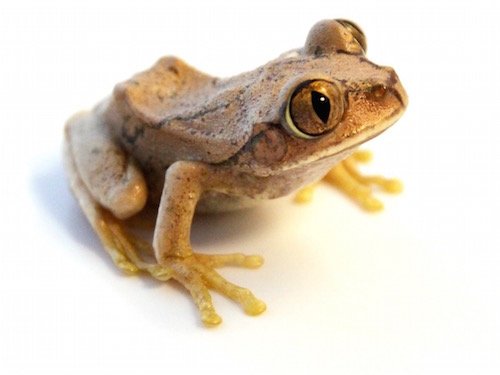
Big Eye Tree Frog for Sale
€44,99
Big Eye Tree Frogs for Sale – Discover these fascinating arboreal amphibians, admired for their large, expressive eyes, distinctive colour patterns and climbing abilities.
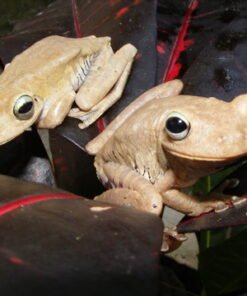
The Big Eye Tree Frog (Leptopelis vermiculatus) displays beautiful shades of green, sandy brown and grey.
It thrives in a secure, well-ventilated terrarium with sturdy branches, suitable humidity and appropriately sized live insects.
Contact us to enquire about current availability, specimen sizes, feeding history and delivery options before ordering.
Big Eye Tree Frog for Sale – Discover a Unique African Tree Frog
Looking for an unusual amphibian with striking eyes and fascinating colour patterns? Discover our Big Eye Tree Frog for Sale listing and learn more about this remarkable arboreal frog, admired for its large, expressive eyes, distinctive markings and climbing abilities.
The Big Eye Tree Frog is commonly associated with Leptopelis vermiculatus, a species native to Tanzania in East Africa. Also known as the African Big-Eyed Tree Frog or Peacock Tree Frog, it is recognised for its prominent eyes, broad toe pads and variable colouration, which may range from bright green to earthy brown and grey with intricate markings.
These fascinating frogs are primarily nocturnal, spending much of the day resting among foliage before becoming more active after dark. Their climbing behaviour, unusual appearance and interesting feeding habits make them appealing to amphibian enthusiasts who enjoy observing animals in naturalistic terrariums.
Big Eye Tree Frogs require a secure, vertically oriented enclosure with sturdy branches, suitable foliage, sheltered resting places and a carefully maintained tropical environment. Appropriate temperatures, humidity, ventilation and access to clean water are essential for their well-being.
If you are searching for Big Eye Tree Frogs for Sale, explore our product listing and enquire about current availability, specimen sizes, feeding history and sourcing information. Confirm the scientific identification of the animal offered before purchasing, as the common name can refer to different frog species.
Big Eye Tree Frog Characteristics
- Common name: Big Eye Tree Frog.
- Alternative names: African Big-Eyed Tree Frog and Peacock Tree Frog.
- Scientific name: Leptopelis vermiculatus, subject to confirmation by the supplier.
- Animal group: Amphibians.
- Family: Arthroleptidae.
- Natural distribution: Tanzania, East Africa.
- Natural habitat: Moist tropical and montane forest environments.
- Adult size: Approximately 4–9 cm in body length, depending on sex and individual.
- Appearance: Large eyes, broad toe pads and colouration ranging from green to brown or grey, often with contrasting patterns.
- Lifestyle: Arboreal and mainly nocturnal.
- Diet: Carnivorous, feeding on appropriately sized live insects and other invertebrates.
- Enclosure: Tall, secure terrarium with climbing branches, foliage and sheltered resting areas.
- Daytime temperature: Approximately 22–26°C as a general starting range.
- Night-time temperature: A modest drop, often around 18–22°C, depending on the animal and setup.
- Humidity: Approximately 70–90% as a general starting reference, with adequate ventilation.
- Lifespan: Approximately 5–10 years as a broad estimate; longevity varies.
- Handling: Minimise handling because amphibian skin is sensitive.
- Availability: Contact the supplier to confirm current stock and specimen details.
These figures are general care references, not guarantees. Sex, age, individual variation and species identification can affect adult size and environmental requirements. Confirm the appropriate husbandry parameters for your particular frog before purchase.
Why Choose a Big Eye Tree Frog?
Remarkable Eyes
The Big Eye Tree Frog is named for its prominent eyes, which give it a distinctive appearance. Its large eyes are well suited to its mainly nocturnal lifestyle, helping it navigate and locate prey in low-light conditions.
This feature, combined with its unusual body markings, makes the species particularly interesting to observe in a carefully designed terrarium.
Attractive and Variable Colouration
One of the most appealing characteristics of the Big Eye Tree Frog is its colour variation. Depending on age, sex and individual development, the frog may display bright green, sandy brown, grey or other earthy shades.
Some specimens have intricate, irregular markings that resemble a network of lines or mottled patches. These patterns provide natural camouflage among leaves, branches and forest vegetation.
If you prefer a particular colour or pattern, ask the supplier about the actual specimen available rather than relying only on representative photographs.
Fascinating Climbing Behaviour
As an arboreal amphibian, the Big Eye Tree Frog spends much of its time above ground. Its strong limbs and adhesive toe pads help it climb branches, foliage and other suitable surfaces.
A tall enclosure with secure climbing structures allows the frog to move naturally and select different resting positions.
Interesting Night-Time Activity
Big Eye Tree Frogs are mainly active after dark. During daylight hours, they often remain still among foliage or in sheltered areas.
At night, they may explore their surroundings, climb between branches and hunt live insects. Their natural activity patterns make them particularly appealing to keepers who enjoy observing amphibians in a quiet, planted environment.
A Distinctive Addition to an Amphibian Collection
For enthusiasts interested in African amphibians, the Big Eye Tree Frog offers a different appearance and natural history from many commonly kept tropical frogs.
Its distinctive eyes, variable colouration and climbing behaviour make it an interesting display animal for keepers who can maintain its environmental needs consistently.
Physical Appearance and Colour Patterns
Large, Expressive Eyes
The frog’s prominent eyes are its most recognisable feature. Their appearance can vary between individuals, but they generally provide a striking contrast against the body.
Green Colouration
Some specimens display bright green or lime-green tones, particularly during certain developmental stages. Green individuals can blend effectively with leaves and other vegetation.
Brown and Grey Patterns
Other specimens develop brown, sandy or greyish colouration with irregular markings. These patterns help the frog blend into natural forest surroundings.
Broad Toe Pads
The toe pads help the frog grip climbing surfaces. These adaptations are especially important for an animal that spends much of its time among branches and vegetation.
Natural Variation
Colour and markings can change as the frog matures. Adult males and females may also differ in size and appearance.
For this reason, buyers should confirm the animal’s scientific name, approximate age, sex if known and current appearance before ordering.
Size and Growth
The Big Eye Tree Frog is a relatively compact amphibian, although adult size can vary considerably between males and females.
Adults of Leptopelis vermiculatus are commonly reported at approximately 4–9 cm in body length, with females generally larger than males. Individual measurements vary, and some sources report different adult ranges.
Young frogs need appropriately sized live prey and a secure enclosure with no gaps through which they could escape. As they grow, their feeding routine and available space should be adjusted accordingly.
Before purchasing, ask about the specimen’s current size, developmental stage and feeding history. These details help you prepare an appropriate habitat and plan for its long-term care.
Natural Habitat and Behaviour
Native to Tanzania
The African Big-Eyed Tree Frog, Leptopelis vermiculatus, is native to Tanzania, where it occurs in forest environments, including moist montane and submontane habitats.
These environments provide vegetation, sheltered resting places and suitable conditions for finding small invertebrate prey.
Arboreal Lifestyle
The species is adapted to climbing and resting above ground. In captivity, it benefits from vertical space, sturdy branches and dense foliage.
Providing several climbing routes and elevated resting areas encourages natural movement and gives the frog opportunities to choose sheltered locations.
Nocturnal Activity
Big Eye Tree Frogs generally become more active during the evening and night. During the day, they may remain concealed or rest motionless among branches and leaves.
A regular lighting schedule and a quiet daytime environment can help support their normal activity pattern.
Natural Camouflage
The frog’s variable green, brown and grey markings help it blend into vegetation. This camouflage can make it difficult to spot when it is resting among leaves or against branches.
A naturalistic terrarium with varied foliage and climbing surfaces provides suitable places for resting and hiding.
Big Eye Tree Frog Enclosure Setup
A well-designed enclosure should provide sufficient vertical space, climbing opportunities, suitable moisture levels and reliable ventilation.
Enclosure Size
For one adult, a tall terrarium measuring approximately 45 × 45 × 60 cm is a useful starting reference. A larger enclosure provides more room for climbing, resting and environmental variation.
For a pair or small group, consider a larger enclosure, such as approximately 60 × 45 × 60 cm or more, depending on the number and size of the animals.
These are planning references rather than universal minimums. The final enclosure should be based on the confirmed species, adult size, number of frogs and the amount of usable climbing space.
Ensure that the enclosure has a secure lid and appropriately fitted openings to prevent escapes.
Climbing Branches
Provide sturdy branches, cork bark and other safe climbing structures at different heights. Arrange them to create natural routes between resting areas.
All furnishings should be secure enough to support the frog and free from sharp edges or unstable sections.
Plants and Foliage
Live or artificial plants can provide cover, climbing opportunities and sheltered resting areas.
If using live plants, choose varieties suitable for amphibian enclosures and ensure that they have not been treated with pesticides or other harmful chemicals.
Dense foliage helps the frog feel secure while creating an attractive naturalistic display.
Hiding Places
Provide sheltered areas among leaves, cork structures and other suitable furnishings. These locations allow the frog to rest during daylight hours and retreat when disturbed.
Avoid overcrowding the enclosure with decorations that restrict movement or create narrow gaps where the animal could become trapped.
Substrate
A suitable moisture-retaining substrate can help maintain environmental conditions. Depending on the enclosure design, appropriate options may include coconut fibre, chemical-free soil mixes, leaf litter and suitable moss.
Avoid materials that could be swallowed accidentally during feeding. Prevent waterlogging and remove waste regularly to maintain a hygienic environment.
Water Dish
Provide a shallow dish containing clean, dechlorinated water. It should be easy for the frog to enter and leave safely.
Replace the water regularly and clean the dish to prevent the accumulation of waste and contaminants.
Ventilation
Humidity is important, but stagnant air can encourage mould and other problems. A secure enclosure with suitable ventilation helps maintain a healthier environment.
Use a hygrometer and thermometer to monitor conditions rather than relying on visual appearance alone.
Temperature Requirements
Big Eye Tree Frogs need temperatures appropriate to their confirmed species and natural habitat. For Leptopelis vermiculatus, avoid assuming that hotter conditions are better simply because the frog is tropical.
General starting references include:
- Daytime temperature: Approximately 22–26°C.
- Night-time temperature: Approximately 18–22°C, with an appropriate drop.
- Monitoring: Use reliable thermometers to measure conditions in different areas.
- Heating: Use controlled supplemental heating only when required.
Avoid excessive heat and sudden temperature fluctuations. A thermostat should be used with suitable heating equipment to reduce the risk of overheating.
These ranges are starting points rather than fixed requirements. Confirm the recommended temperatures for the specific animal and adjust the enclosure according to measured conditions and its behaviour.
Humidity Requirements
Big Eye Tree Frogs need an appropriately humid environment, but moisture must be balanced with adequate airflow.
A relative humidity range of approximately 70–90% is a broad starting reference found in some care guidance. The suitable range may differ according to species, enclosure design, temperature and ventilation.
To maintain appropriate humidity:
- Use a reliable hygrometer.
- Mist with clean, dechlorinated water as needed.
- Provide suitable moisture-retaining substrate.
- Maintain access to clean water.
- Ensure adequate ventilation.
- Remove waste and monitor for mould.
- Avoid leaving the enclosure continuously saturated.
Humidity can rise following misting and gradually decrease as the enclosure dries. Monitoring these changes helps you maintain more stable conditions without compromising airflow.
Lighting and Day-Night Cycle
A regular light-dark cycle helps support the frog’s daily routine.
A schedule of approximately 10–12 hours of light followed by darkness is a useful starting reference. Low-level UVB lighting may be beneficial when appropriately selected and installed, but requirements should be confirmed for the particular species and enclosure.
Provide shaded areas where the frog can rest away from direct illumination. Lighting should not produce excessive heat or cause the enclosure to dry out too quickly.
If the terrarium contains live plants, choose lighting that supports both the plants and the animal without overheating the habitat.
What Do Big Eye Tree Frogs Eat?
Big Eye Tree Frogs are carnivorous and feed mainly on suitable live insects and other small invertebrates.
Their prey must be appropriately sized for the individual frog. A useful general guide is to choose food no wider than the distance between the frog’s eyes.
Crickets
Appropriately sized crickets are a common feeder insect and can form part of a varied diet.
Small Cockroaches
Suitable small feeder cockroaches can provide dietary variety. Ensure that the prey is not too large for the frog to swallow safely.
Locusts
Appropriately sized locusts may be offered to larger individuals where suitable and available.
Other Feeder Insects
Other suitable feeder invertebrates can help provide variety. Use reliable feeder sources and avoid wild-caught insects that may have been exposed to pesticides or other chemicals.
Feeding Frequency
Juveniles generally require more frequent feeding than adults. Feeding frequency should be adjusted according to age, body condition, appetite and prey size.
Observe the frog during feeding and remove uneaten prey when necessary.
Gut-Loading and Supplements
Feeder insects should be appropriately nourished before being offered. Calcium and vitamin supplements may be required to support a balanced diet.
Follow a species-appropriate supplementation routine and avoid excessive supplementation. An amphibian-experienced veterinarian can provide advice if you are uncertain about dietary requirements.
Lifespan and Long-Term Care
The lifespan of a Big Eye Tree Frog depends on its exact species, genetics, health and husbandry conditions.
For Leptopelis vermiculatus, approximately 5–10 years is a useful broad estimate, although individual longevity varies and published figures differ.
Long-term care includes:
- Maintaining suitable temperatures and humidity.
- Providing a secure, vertically oriented enclosure.
- Supplying sturdy climbing branches and resting places.
- Offering appropriately sized live prey.
- Keeping water clean.
- Maintaining enclosure hygiene.
- Minimising unnecessary handling.
- Monitoring appetite, activity and body condition.
- Seeking veterinary care when health concerns arise.
Prepare the enclosure and feeding arrangements before purchasing. Consistent husbandry helps reduce stress during the transition into captivity.
Can Big Eye Tree Frogs Live Together?
Keeping multiple frogs together requires careful planning. Compatibility depends on the confirmed species, the size and sex of each animal, enclosure dimensions and individual behaviour.
If group housing is appropriate, provide sufficient climbing space, several sheltered resting places and access to food for every frog.
Monitor feeding to make sure smaller individuals are not outcompeted. Quarantine new arrivals separately before considering introductions to established animals.
Separate housing may be necessary if one frog becomes unwell, experiences persistent stress or differs substantially in size from the others.
Do not assume that different species sharing the common name Big Eye Tree Frog can be housed together safely.
Handling and Safety
Big Eye Tree Frogs are best regarded as observation animals rather than pets for frequent handling.
Amphibian skin is sensitive and permeable, and residues from soaps, lotions and other substances can be harmful. Unnecessary handling can also cause stress or injury.
Follow these precautions:
- Avoid unnecessary handling.
- Use appropriate clean, non-powdered gloves when essential handling is required.
- Follow suitable amphibian-handling guidance for any necessary transfer.
- Keep the frog away from children and household pets.
- Wash your hands after enclosure maintenance.
- Use a secure container when moving the frog if appropriate.
If you notice changes in appetite, unusual skin appearance, lethargy or abnormal movement, consult a veterinarian experienced with amphibians.
Are Big Eye Tree Frogs Suitable for Beginners?
Big Eye Tree Frogs may suit keepers who have researched their specific requirements and can maintain a suitable tropical terrarium. However, their environmental needs and sensitivity to poor husbandry require careful preparation.
Before purchasing, make sure you can:
- Provide a secure, vertically oriented enclosure.
- Maintain suitable temperatures and humidity.
- Supply appropriately sized live feeder insects.
- Keep water and enclosure furnishings clean.
- Monitor feeding and behaviour.
- Minimise unnecessary handling.
- Arrange veterinary care when required.
New amphibian keepers should confirm the scientific identification and research the relevant care requirements before ordering.
Responsible Sourcing and Purchasing
When purchasing a Big Eye Tree Frog, confirm the scientific name and ask the supplier about the animal’s background.
Useful questions include:
- What is the confirmed scientific name?
- What is the frog’s current size and developmental stage?
- Is it feeding reliably?
- Is its captive-bred or wild-collected status documented?
- What feeding routine has it been following?
- Is relevant sourcing documentation available?
- Can the supplier legally deliver to your location?
- What packaging and live-arrival arrangements apply?
Responsible sourcing helps buyers make informed decisions and supports amphibian welfare. Never release captive amphibians into the wild.
Ordering a Big Eye Tree Frog Online
Our Big Eye Tree Frog for Sale listing is intended for amphibian enthusiasts interested in this distinctive arboreal species.
Before placing an order, enquire about current availability, specimen size, scientific identification, feeding history and sourcing information. Prepare the enclosure in advance and ensure that you can maintain the appropriate environmental conditions.
Review the supplier’s delivery policy, packaging arrangements and any live-arrival guarantee, including applicable terms and exclusions. Confirm that delivery to your location is permitted and that any relevant import requirements have been addressed.
Preparing a suitable habitat before arrival helps reduce unnecessary stress and supports a smoother transition into its new environment.
Frequently Asked Questions
What is the scientific name of the Big Eye Tree Frog?
The name commonly associated with the African Big-Eyed Tree Frog is Leptopelis vermiculatus. Confirm the identification with the supplier because the common name can refer to other species.
Where do Big Eye Tree Frogs come from?
Leptopelis vermiculatus is native to Tanzania in East Africa, where it occurs in forest environments.
How large does a Big Eye Tree Frog grow?
Adult size varies by sex and individual. Approximately 4–9 cm in body length is a broad reference range for Leptopelis vermiculatus.
How long does a Big Eye Tree Frog live?
Approximately 5–10 years is a broad estimate for Leptopelis vermiculatus, although lifespan varies with genetics, health and husbandry.
What does a Big Eye Tree Frog eat?
It eats suitable live insects and other invertebrates, including appropriately sized crickets and small cockroaches.
What temperature does a Big Eye Tree Frog need?
Approximately 22–26°C during the day and a cooler night-time period are useful starting references. Confirm the appropriate range for the identified species.
What humidity does a Big Eye Tree Frog need?
A broad starting reference is approximately 70–90% relative humidity, with adequate ventilation. Monitor conditions carefully and adjust them according to species-specific guidance.
Does a Big Eye Tree Frog need a tall enclosure?
Yes. As an arboreal frog, it benefits from vertical space, climbing branches, foliage and elevated resting places.
Can Big Eye Tree Frogs live together?
Group housing may be possible for compatible individuals of the same species when adequate space and suitable conditions are provided. Monitor feeding and behaviour carefully.
Is the Big Eye Tree Frog suitable for beginners?
It may suit a prepared beginner who can provide a secure enclosure, suitable environmental conditions and a consistent feeding routine. Research the species before purchasing.
Can I buy a Big Eye Tree Frog online?
Availability depends on the supplier and current stock. Confirm the scientific identification, specimen details, sourcing information and delivery eligibility before ordering.
Find Your Big Eye Tree Frog for Sale
Discover the distinctive appearance and fascinating behaviour of the Big Eye Tree Frog, an unusual amphibian admired for its prominent eyes, variable colouration and climbing abilities.
With a secure vertical terrarium, appropriate temperatures and humidity, suitable ventilation, clean water and a varied diet of live insects, this species can be a rewarding addition to a carefully maintained amphibian collection.
Explore our Big Eye Tree Frog for Sale listing and enquire about current availability, specimen details and delivery arrangements. Confirm the scientific identification and prepare a suitable habitat before ordering to support the health and welfare of your new amphibian.
| Choose | Med-Large |
|---|---|
| Options | No Pref, Male, Female |
Be the first to review “Big Eye Tree Frog for Sale”
Related products
Frogs for Sale
Frogs for Sale
Frogs for Sale
Frogs for Sale
Frogs for Sale
Frogs for Sale
Frogs for Sale
Frogs for Sale
Reviews
There are no reviews yet.