

Amphibians for Sale – Discover a Fascinating World of Frogs, Toads and Salamanders
Explore our Amphibians for Sale category to discover a diverse range of fascinating animals, from colourful dart frogs and distinctive Pacman frogs to intriguing newts, salamanders and toads.
Known for their remarkable adaptations, varied appearances and interesting behaviours, amphibians offer a unique opportunity to appreciate the diversity of the natural world.
Amphibians are a group of vertebrates that generally depend on moisture and carefully balanced environmental conditions throughout their lives. Unlike reptiles, many amphibians have permeable skin that allows water and certain substances to pass through it, making them particularly sensitive to their surroundings. Their care therefore requires attention to temperature, humidity, water quality, ventilation and nutrition.
Whether you are an experienced amphibian keeper or researching your first species, choosing the right animal begins with understanding its natural habitat and specific husbandry requirements. From tropical rainforest dwellers to aquatic species and terrestrial burrowers, different amphibians need different environments to thrive.
Our Amphibians for Sale category helps you explore the characteristics of different species and learn what responsible ownership involves. Discover the diversity of frogs, toads, newts and salamanders, and find an amphibian whose needs you can meet with appropriate preparation and care.
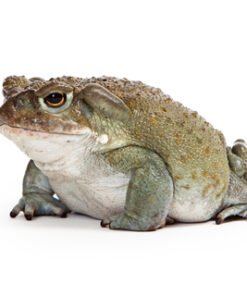
Amphibians for Sale
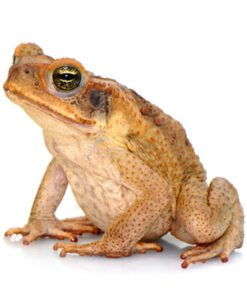
Amphibians for Sale
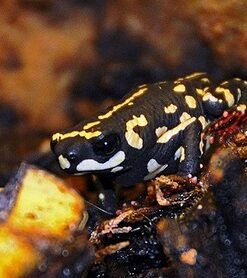
Amphibians for Sale
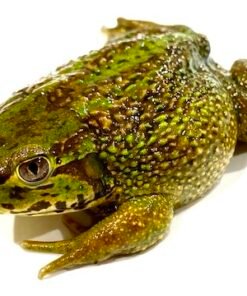
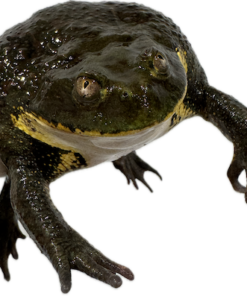
Amphibians for Sale
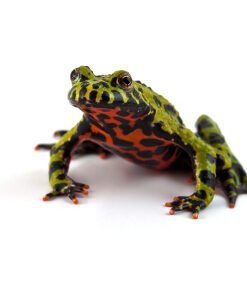
Amphibians for Sale
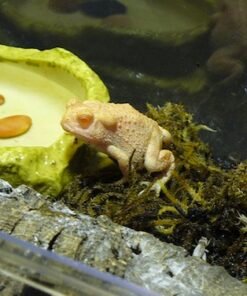
Amphibians for Sale
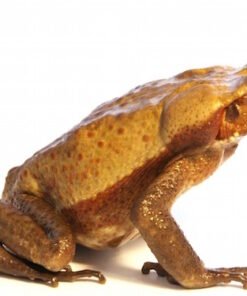
Amphibians for Sale
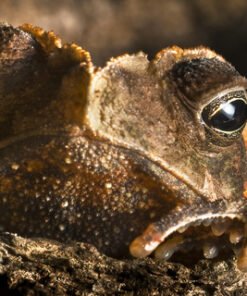
Amphibians for Sale
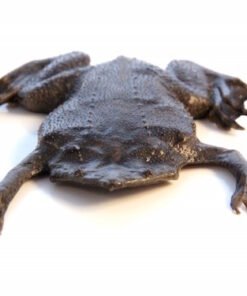
Amphibians for Sale
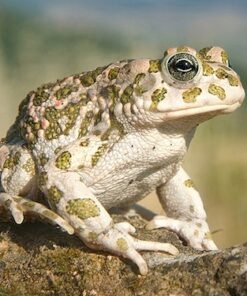
Amphibians for Sale
Explore Different Types of Amphibians for Sale
Amphibians come in a remarkable variety of shapes, sizes, colours and lifestyles. Some spend most of their time in water, others live on land, and many depend on a combination of aquatic and terrestrial environments during different stages of their lives.
Frogs for Sale
Frogs are among the most recognisable amphibians, with species ranging from small, colourful rainforest frogs to large, robust terrestrial hunters. Their distinctive body shapes, varied calls and specialised feeding behaviours make them fascinating animals to observe.
Depending on the species, frogs may inhabit tropical forests, grasslands, wetlands, ponds or streams. Tree frogs generally need vertical climbing space and suitable humidity, while terrestrial species often require more floor space, shelter and appropriate substrate.
When choosing a frog, consider its adult size, environmental needs, feeding habits and activity patterns. Some species are suitable for carefully prepared beginners, while others require more specialised care.
Dart Frogs and Mantellas
Dart frogs and Mantellas are admired for their vivid colouration and intricate markings. Depending on the species, they may display bright blue, yellow, orange, red, green or contrasting black patterns.
Many dart frogs originate from Central and South American tropical habitats, while Mantellas are native to Madagascar. Their small size does not mean they are effortless to keep, as they often require carefully managed humidity, suitable ventilation, appropriate temperatures and a varied diet of tiny live invertebrates.
Captive-bred individuals are generally preferable to animals of uncertain origin. Certain wild dart frog species have specialised skin toxins associated with their natural diets, so species identification and reliable sourcing are essential.
Pacman Frogs for Sale
Pacman frogs, commonly belonging to the genus Ceratophrys, are known for their broad mouths, rounded bodies and impressive feeding responses. Their appearance and relatively sedentary behaviour have made them popular in the amphibian hobby.
These terrestrial frogs often spend considerable time partially buried in suitable substrate while waiting for prey. Their enclosure should provide appropriate moisture, secure shelter and a temperature range suited to the exact species.
Pacman frogs generally consume suitable animal-based foods, including appropriately sized insects and other recommended prey. Feeding should be carefully controlled to avoid obesity and digestive problems.
Pixie Frogs for Sale
Pixie frogs, also known as African bullfrogs (Pyxicephalus adspersus), are large, robust amphibians native to parts of sub-Saharan Africa. They are recognised for their powerful bodies, broad heads and substantial adult size.
These frogs may burrow into the ground and spend periods of unfavourable weather in a dormant state. In captivity, they require an appropriately sized enclosure, suitable substrate, stable temperatures and access to water according to their needs.
Their size, feeding response and potential longevity make careful planning important before purchase. A juvenile should never be housed on the assumption that it will remain small.
Tree Frogs for Sale
Tree frogs are adapted to climbing and often possess specialised toe pads that help them grip vegetation and other surfaces. Many species are associated with tropical forests, woodland habitats or areas around freshwater.
Examples available in the amphibian hobby may include Australian White's Tree Frogs, commonly called Dumpy Tree Frogs, as well as various reed frogs and other tropical tree-dwelling species.
Arboreal frogs generally benefit from vertical enclosures, secure branches, suitable plants and appropriate humidity. Good ventilation is also important, as persistently stagnant and excessively wet conditions can contribute to health problems.
Toads for Sale
Toads are generally recognised by their more robust bodies and, in many species, textured skin and prominent glands behind the eyes. However, their appearance and habitat requirements vary widely.
Some toads inhabit dry grasslands and semi-arid environments, while others live in forests, wetlands or areas close to freshwater. Their captive habitats must reflect these differences rather than following a single general setup.
Toads are typically carnivorous and feed on suitable invertebrates. Depending on the species, adults may require larger prey than smaller frogs, and feeding routines should be adjusted to maintain appropriate body condition.
Newts for Sale
Newts are salamanders that often have aquatic and terrestrial phases during their life cycle. Some spend much of their adult lives in water, while others move between aquatic breeding habitats and land-based environments.
Species such as Alpine Newts and Eastern Newts are known for their distinctive markings and seasonal changes in appearance. Their environmental requirements vary considerably, particularly in relation to temperature, water quality and access to suitable terrestrial refuges.
Newts are particularly sensitive to environmental contaminants and excessive heat. Before purchasing one, establish the correct habitat, water conditions and temperature range for the exact species.
Salamanders for Sale
Salamanders are a diverse group of amphibians that includes terrestrial, aquatic and semi-aquatic species. They may have smooth or textured skin, elongated bodies and tails, and a variety of colour patterns.
Some species inhabit cool woodland environments, while others live in streams, underground shelters or permanent freshwater habitats. Their enclosures may require damp substrate, hiding places, aquatic areas or carefully maintained water conditions.
Salamanders should generally be treated as observation animals because their sensitive skin can be damaged by excessive handling or contact with contaminants.
Aquatic Amphibians
Aquatic amphibians spend most or all of their lives in water. Their care places particular emphasis on water quality, appropriate temperature, filtration where suitable and safe access to the water surface when required.
Examples in the wider amphibian hobby include certain newts, aquatic salamanders and African Clawed Frogs. Some aquatic species have specialised feeding requirements or need water conditions that differ substantially from those suitable for tropical terrestrial frogs.
Before choosing an aquatic amphibian, research its adult size, water requirements, compatibility considerations and long-term enclosure needs.
What Makes Amphibians Special?
Amphibians have evolved a wide range of adaptations that allow them to survive in different environments. These characteristics make them fascinating to study and observe.
- Diverse colouration: Species may display vivid colours, camouflage patterns, spots, stripes or unusual skin textures.
- Specialised skin: Many amphibians rely on their skin to help regulate water balance and exchange gases.
- Remarkable life cycles: Numerous species develop from aquatic larvae into adults with different body forms and lifestyles.
- Different habitat preferences: Amphibians inhabit rainforests, wetlands, grasslands, streams, ponds and other environments.
- Distinctive feeding behaviour: Most adult amphibians eat animal-based foods, although their preferred prey varies by species.
- Interesting activity patterns: Some species are primarily nocturnal, while others may be active during the day.
- Specialised adaptations: Tree frogs climb, burrowing frogs shelter underground, and aquatic salamanders have adaptations for life in water.
These differences mean that the best amphibian for one keeper may not be suitable for another. Researching the exact species is essential before making a purchase.
Amphibian Habitats and Natural Environments
Amphibians depend on environmental conditions that support their physiology and natural behaviour. The right enclosure should reflect the species' natural lifestyle as closely as practical.
Tropical Rainforest Habitats
Many tropical frogs and other amphibians inhabit warm, humid forests with abundant vegetation, leaf litter and sheltered areas.
Captive environments for these species may require moisture-retaining substrate, suitable plants, hiding places and carefully managed humidity. Adequate ventilation remains important to prevent persistent stagnation.
Terrestrial Habitats
Terrestrial amphibians spend most of their time on land. Depending on the species, they may inhabit forest floors, grasslands or areas with loose soil and leaf litter.
Their enclosures should provide suitable floor space, secure hides and a substrate that maintains appropriate moisture without remaining excessively wet. Burrowing species may need deeper substrate to support natural digging behaviour.
Arboreal Habitats
Arboreal amphibians live primarily above ground and use vegetation, branches or tree cavities for shelter.
A suitable enclosure should provide vertical space, stable climbing structures and secure resting areas. Any branches, plants or decorations must be arranged to prevent falls or injuries.
Aquatic and Semi-Aquatic Habitats
Aquatic amphibians require clean water with appropriate temperature and chemistry. Semi-aquatic species may also need land areas or easy access to resting places above the water.
Filtration may be appropriate for some species, but water movement must not be excessive. Regular maintenance, monitoring and suitable water conditioning help create a stable environment.
Dry and Seasonal Habitats
Some amphibians inhabit areas that experience seasonal rainfall, temporary pools or extended dry periods. Certain species have specialised adaptations that allow them to survive unfavourable conditions.
Their captive care must reflect their actual requirements rather than assuming that all amphibians need constant high humidity. Obtain reliable guidance before attempting to reproduce seasonal conditions or periods of dormancy.
Amphibian Care Guide
Successful amphibian keeping begins with preparation. Before purchasing an animal, establish its enclosure, temperature range, humidity requirements, diet and access to suitable veterinary care.
Enclosure Requirements
The enclosure should match the animal's adult size, natural behaviour and preferred habitat.
Terrestrial frogs and toads generally require suitable floor space and shelter, while tree frogs benefit from vertical space and climbing structures. Aquatic species need an appropriate water environment, and semi-aquatic animals may require both land and water.
A suitable setup may include:
- An appropriately sized, secure enclosure.
- Species-appropriate substrate.
- Hiding places and safe resting areas.
- Suitable plants or climbing structures where needed.
- Clean water and appropriate water-conditioning methods.
- Reliable temperature and humidity monitoring.
- Adequate ventilation.
- Safe access to food and water.
Avoid overcrowding, sharp decorations and unstable structures. The enclosure should be fully prepared and tested before the amphibian arrives.
Temperature and Humidity
Temperature and humidity are among the most important factors in amphibian care. Their requirements differ substantially between tropical, temperate, aquatic and dry-habitat species.
Use reliable thermometers and hygrometers to monitor conditions. Some species require a stable temperature range, while others may need carefully managed seasonal variation.
Avoid exposing amphibians to direct sunlight, sudden temperature changes or excessive heat. Their permeable skin and sensitivity to dehydration can make unsuitable conditions particularly dangerous.
Do not apply the same temperature and humidity settings to every frog, toad, newt or salamander. Research the exact species before choosing heating or misting equipment.
Water Quality and Hydration
Amphibians need access to suitable moisture, but the way this is provided depends on the species. Aquatic animals require carefully maintained water conditions, while terrestrial species may need a shallow water dish, humid retreats or damp substrate.
Use water treated appropriately for amphibians, taking account of chlorine and other potentially harmful substances. For aquatic species, monitor water quality and establish a suitable maintenance routine.
Remove waste and uneaten food promptly. Avoid allowing water dishes or aquatic areas to become contaminated, and ensure that any water container is safe and easy for the animal to enter and leave.
Lighting and Day-and-Night Cycles
Many amphibians benefit from a consistent day-and-night cycle. Lighting requirements vary by species, and any UVB provision should be based on reliable husbandry guidance.
Provide shaded areas and hiding places so animals can retreat from bright light. Avoid direct sunlight, which can cause rapid overheating.
For planted enclosures, choose lighting that supports plant growth without producing excessive heat or disrupting the animal's environmental needs.
Feeding Amphibians
Most adult amphibians are carnivorous and consume insects, worms or other suitable animal-based foods. The appropriate diet depends on the species, size, age and natural feeding behaviour.
Potential food items include:
- Appropriately sized crickets.
- Suitable roaches.
- Earthworms and other suitable worms.
- Fruit flies and other small feeder insects for smaller species.
- Species-appropriate aquatic invertebrates.
- Other nutritionally suitable prey recommended by an amphibian specialist.
Very small amphibians may need tiny feeder insects, while larger frogs and toads may accept larger prey. Avoid offering food that is too large to swallow safely.
Feeder insects should be sourced responsibly and, where appropriate, gut-loaded before feeding. Suitable vitamin and mineral supplementation may be necessary, depending on the species and feeding programme.
Remove uneaten food promptly to prevent contamination. Feeding frequency should be adjusted according to age, species, temperature and body condition rather than following a single routine for every amphibian.
Handling and Hygiene
Amphibians are generally best kept for observation rather than frequent handling. Their skin is delicate and may absorb substances from hands, surfaces or contaminated equipment.
Avoid handling them unnecessarily. If contact is essential for enclosure maintenance or veterinary care, follow appropriate hygiene procedures and species-specific guidance.
Wash hands before and after working with amphibians, and use separate equipment where necessary to reduce the risk of disease transmission between animals.
Never use cleaning products, lotions or chemicals on or near an amphibian without confirming that they are safe for the animal's environment.
Are Amphibians Suitable for Beginners?
Some amphibian species may be suitable for prepared beginners, while others require more specialised equipment, carefully controlled water conditions or advanced feeding routines.
When choosing your first amphibian, consider:
- The species' adult size and expected lifespan.
- Whether it is terrestrial, arboreal, aquatic or semi-aquatic.
- Its temperature, humidity and water-quality requirements.
- The availability of suitable food.
- The level of enclosure maintenance required.
- Its sensitivity to handling and environmental changes.
- Access to a veterinarian experienced in amphibian care.
A species should not be chosen solely because it is inexpensive or small. Some juveniles grow considerably, and even compact amphibians may require carefully managed habitats.
Responsible ownership means selecting an animal whose needs you can meet consistently throughout its life.
Buying Amphibians Responsibly
When searching for amphibians for sale, choose a reputable seller who can provide reliable information about species identification, origin, feeding history and husbandry.
Before purchasing, consider the following:
- Species identification: Confirm the scientific name so that you can research the correct care requirements.
- Captive-bred status: Ask whether the animal was bred in captivity and request supporting information.
- Health and condition: Look for normal movement, clear eyes, intact skin and no obvious signs of injury.
- Feeding history: Find out which foods the animal accepts and how regularly it has been feeding.
- Age and life stage: Determine whether the animal is a juvenile, adult or undergoing a developmental transition.
- Habitat requirements: Prepare the correct enclosure before the animal arrives.
- Transport arrangements: Confirm that the seller uses suitable live-animal transport procedures.
- Legal requirements: Check any restrictions on possession, sale, import or export.
- Long-term care: Make sure you can provide appropriate food, environmental conditions and veterinary support.
Availability, price, captive-bred status and shipping arrangements should be confirmed with the seller rather than assumed.
Conservation and Legal Considerations
Amphibians face conservation pressures in many parts of the world, including habitat destruction, pollution, climate change, disease and unsustainable collection.
Responsible purchasing should prioritise animals with a lawful, traceable origin. Captive-bred specimens can help reduce pressure on wild populations, although their provenance should still be verified.
Some amphibians are protected by national wildlife legislation or international trade rules. Requirements vary by species and country, so check the regulations that apply before purchasing, transporting or importing an animal.
Never release a captive amphibian into the wild. Non-native species may disrupt local ecosystems, compete with native wildlife or introduce diseases. Even native species should not be released after being kept in captivity.
Frequently Asked Questions About Amphibians for Sale
What types of amphibians are available?
Amphibian listings may include frogs, toads, dart frogs, Mantellas, newts and salamanders. Some specialist categories also feature Pacman frogs, pixie frogs and aquatic amphibians. Selection varies according to the seller and current availability.
What is the difference between amphibians and reptiles?
Amphibians generally have permeable skin and often depend on moisture throughout their lives. Many undergo a life cycle involving aquatic larvae and adult forms. Reptiles have different skin adaptations and do not generally rely on the same type of skin moisture regulation.
Are amphibians good pets?
Amphibians can be fascinating observation animals for keepers who can provide their specific environmental and dietary requirements. Most are not suitable for frequent handling and need carefully managed habitats.
What do amphibians eat?
Most adult amphibians eat animal-based foods such as insects, worms and other suitable invertebrates. Diets vary according to species, size and life stage, so feeding recommendations should always be species-specific.
Do amphibians need water?
All amphibians require appropriate access to moisture, but their habitat requirements differ. Aquatic species need suitable water conditions, while terrestrial species may need damp substrate, humid retreats or shallow water dishes.
Do amphibians need heat and humidity?
Many species need carefully controlled temperatures and humidity, but the exact requirements vary. Tropical frogs, temperate newts and aquatic salamanders may require very different conditions.
Can different amphibian species live together?
Mixed-species enclosures are generally best avoided unless a specialist can confirm that the species are compatible and their environmental needs can be met safely. Cohabitation may create stress, competition, injury or disease-transmission risks.
Are amphibians suitable for beginners?
Some species may suit beginners who research their needs and prepare the enclosure properly. Others require specialised conditions, tiny live foods or advanced water management. Choose according to your experience and available facilities.
Can I buy amphibians online?
Some sellers offer amphibians for sale online. Before placing an order, verify the animal's availability, origin, shipping arrangements and the legal requirements that apply in your location.
How do I prepare for a new amphibian?
Research the exact species, set up its enclosure in advance, test the temperature and humidity, establish suitable water conditions where required, and arrange an appropriate food supply. The habitat should be ready before the animal arrives.
Find Your Amphibian
Amphibians offer an extraordinary range of colours, behaviours and adaptations, from the vivid patterns of dart frogs to the distinctive appearance of Pacman frogs, the climbing habits of tree frogs and the fascinating life cycles of newts and salamanders.
Explore our Amphibians for Sale category to discover the species available and learn which may suit your experience, interests and facilities. By understanding each animal's natural habitat, preparing an appropriate enclosure and choosing a responsible source, you can provide suitable long-term care and support responsible amphibian keeping.