

Feeder Insects for Sale – Quality Live Food for Reptiles and Amphibians
Discover our selection of feeder insects for sale, offering a variety of live food options for reptiles, amphibians, arachnids and other insect-eating animals. From crickets and Dubia roaches to mealworms, superworms, waxworms and hornworms, feeder insects play an important role in the diets of many animals kept in captivity.
Whether you are caring for a bearded dragon, leopard gecko, chameleon, tree frog, poison dart frog, tarantula or another insectivorous pet, choosing suitable feeder insects is essential for maintaining an appropriate feeding routine.
Different species have different nutritional requirements, and the size, type and frequency of food should be matched to the animal’s age, size, activity level and natural diet.
Our Feeder Insects for Sale category brings together a variety of live food options to help reptile and amphibian keepers find suitable prey for their animals. Depending on availability, the selection may include crickets, Dubia roaches, mealworms, superworms, waxworms, hornworms, fruit flies and earthworms.
Explore the available products to compare feeder types, quantities and sizes. By selecting appropriate live food and maintaining it correctly before feeding, you can support a consistent feeding routine and help provide your pet with a varied, species-appropriate diet.
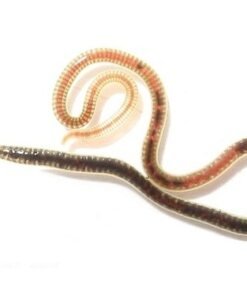
Feeder Insects for Sale
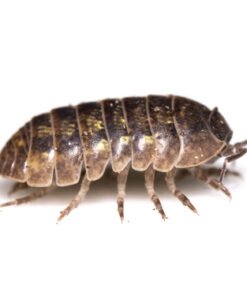
Feeder Insects for Sale
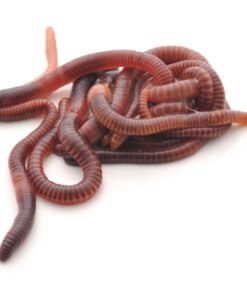
Feeder Insects for Sale
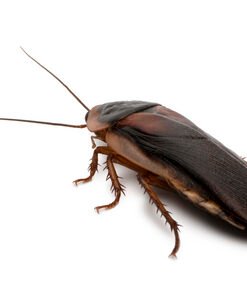
Feeder Insects for Sale
Feeder Insects for Sale
Feeder Insects for Sale
Feeder Insects for Sale
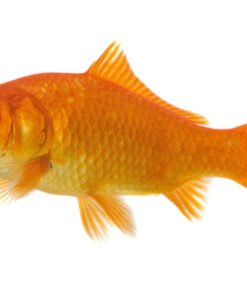
Feeder Insects for Sale
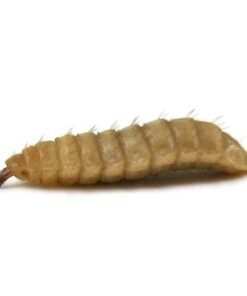
Feeder Insects for Sale
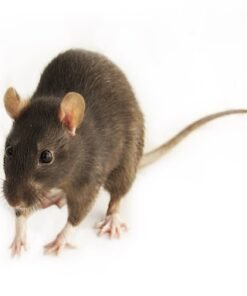
Feeder Insects for Sale
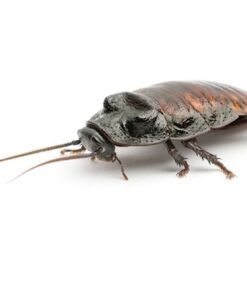
Feeder Insects for Sale
Feeder Insects for Sale
Explore Different Types of Feeder Insects for Sale
Feeder insects vary in size, nutritional composition, movement and suitability for different animals. Some are useful as regular dietary staples, while others are better offered occasionally as part of a varied feeding plan.
Understanding the characteristics of each feeder can help you make an informed choice for your pet.
Live Crickets for Sale
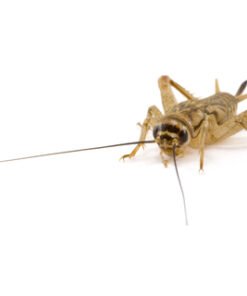
Crickets are among the most widely used feeder insects for reptiles and amphibians. Their active movement can stimulate natural hunting behaviour, making them a practical food choice for many insect-eating pets.
Depending on their size, crickets can be suitable for bearded dragons, leopard geckos, chameleons, many tree frogs and other animals that consume insects. Smaller crickets are particularly useful for juveniles and species with small mouths, while larger crickets may suit bigger animals.
Crickets are commonly used as part of a varied feeding routine rather than as the only food offered. Their nutritional value can be improved through appropriate gut-loading, which involves feeding the insects a suitable nutritious diet before offering them to your pet.
When keeping crickets before feeding, provide adequate ventilation, appropriate food and moisture, and a suitable holding container. Remove dead insects and uneaten food regularly to maintain hygiene.
Explore our available feeder crickets to find suitable sizes and quantities for your feeding requirements.
Dubia Roaches for Sale
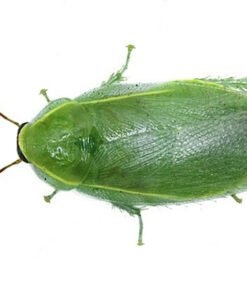
Dubia roaches (Blaptica dubia) are popular feeder insects for many insectivorous reptiles and amphibians. They are relatively robust, can be maintained in suitable containers and are often used as part of a varied feeding programme.
Depending on the size of the insect, Dubia roaches may be suitable for bearded dragons, leopard geckos, some larger geckos, monitors and other animals that naturally consume invertebrates. Smaller roaches can be useful for younger pets, while larger individuals may suit bigger insect-eating species.
Dubia roaches can provide a useful source of protein and other nutrients, although their nutritional composition depends on factors such as life stage and the food they receive. Gut-loading and appropriate supplementation may be necessary to meet your pet's dietary requirements.
Their size and relatively easy maintenance make them an option worth considering for keepers who need a dependable feeder supply.
Before purchasing, check the size of the available roaches and confirm that they are appropriate for your animal.
Mealworms for Sale
Mealworms (Tenebrio molitor) are widely available feeder insects used for a variety of reptiles, amphibians and other insectivorous animals.
Their manageable size and relatively straightforward storage make them convenient for keepers who want to maintain a supply of live food. Depending on the animal, mealworms may be offered as part of a varied diet or used for occasional feeding.
Mealworms have a relatively firm exoskeleton and a different nutritional profile from some other feeder insects. They should therefore not automatically replace every other food source, particularly where a species benefits from dietary variety.
Provide suitable food and moisture to maintain mealworms before feeding, and follow appropriate storage guidance for the product you purchase.
Explore our mealworms for sale to find a convenient feeder option for compatible pets.
Superworms for Sale
Superworms (Zophobas morio) are larger insect larvae commonly used to feed suitable reptiles and other insect-eating animals. Their size and movement can make them attractive prey for pets that readily accept larger insects.
Superworms are often used as part of a varied feeding routine rather than as the sole food source. They are relatively energy-dense, so portion size and feeding frequency should be considered alongside the animal's overall diet and body condition.
Before offering superworms, ensure that they are an appropriate size for your pet. Smaller reptiles, juvenile amphibians and species with specialised diets may require much smaller prey.
Correct storage and suitable maintenance can help keep superworms in appropriate condition until they are needed.
Waxworms for Sale
Waxworms are the larvae of wax moths and are known for their soft bodies and relatively high fat content. They are readily accepted by many animals that eat insects, which can make them useful in specific feeding situations.
However, their rich nutritional profile means waxworms are generally better treated as an occasional food or supplement rather than the main component of a balanced diet for most reptiles and amphibians.
They may be useful for animals that need additional dietary energy under appropriate circumstances, but feeding decisions should take account of the species, age, body condition and overall nutritional plan.
If you are considering waxworms for sale, research their suitability for your particular pet and use them in moderation where appropriate.
Hornworms for Sale
Hornworms, commonly sold as feeder larvae of the tobacco hornworm (Manduca sexta), are recognised for their bright green bodies and soft texture. They contain considerable moisture, making them a useful food option for certain insect-eating reptiles and amphibians.
Their rapid growth means their size can change considerably, so it is important to check the size of the larvae before feeding them to your pet. Small animals may be unable to consume larger hornworms safely.
Hornworms can add variety to an insect-based feeding programme, but they should be offered according to the animal's nutritional needs rather than used indiscriminately.
Check product details for the available sizes and follow the recommended storage instructions to maintain the larvae before feeding.
Fruit Flies for Sale
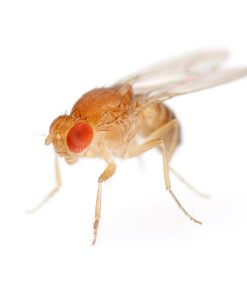
Fruit flies are particularly useful for small insectivorous animals that cannot eat larger feeder insects. They are commonly used for poison dart frogs, small tree frogs, newly hatched amphibians and other tiny animals with correspondingly small mouths.
Common feeder species include Drosophila melanogaster and Drosophila hydei. The appropriate choice depends on the size of the animal and its ability to capture and swallow the prey.
Fruit flies are often supplied in cultures or containers that help maintain them until they are needed. Follow the product's instructions for temperature, storage and culture maintenance to ensure a reliable supply.
For keepers of small amphibians, choosing appropriately sized food is especially important because prey that is too large may be difficult or impossible for the animal to consume.
Earthworms for Sale
Earthworms can be suitable food for certain reptiles, amphibians and other animals that naturally consume worms. Their soft bodies and moisture content make them useful in some species-specific feeding programmes.
However, not every reptile or amphibian will accept earthworms, and they should not be offered to animals whose natural diets do not include suitable worm prey.
When choosing earthworms for feeding, ensure that they come from a reliable source intended for animal feeding. Worms collected from areas treated with pesticides, fertilisers or other potentially harmful chemicals should not be used.
Check the species' dietary requirements before purchasing and select an appropriate size for your pet.
Other Feeder Insects for Sale
Depending on availability, our feeder insect selection may include additional live invertebrates suitable for particular reptiles, amphibians and other insect-eating pets.
Some species benefit from a broad range of feeder types, while others require very small prey or have more specialised dietary needs. Keepers of tarantulas, scorpions, mantids, small geckos and poison dart frogs may need different insects according to the animal's size, age and natural feeding behaviour.
Always check the individual product listing for details about the feeder species, available sizes, quantities and care requirements.
Which Feeder Insects Are Best for Your Pet?
Choosing the right feeder insect starts with understanding the animal you are feeding. Reptiles, amphibians and invertebrates have different nutritional requirements, and the best choice depends on the species and its stage of development.
Consider the following general examples:
- Bearded dragons: Crickets, suitable roaches and other appropriately sized insects can form part of a varied feeding programme, depending on the dragon's age and dietary needs.
- Leopard geckos: Crickets, Dubia roaches and mealworms may be suitable options, with variety and nutritional balance remaining important.
- Chameleons: Many commonly kept chameleons consume live insects, including suitable crickets and roaches, with appropriate gut-loading and supplementation.
- Tree frogs: Depending on the species and size, suitable crickets, flies and other small invertebrates may be offered.
- Poison dart frogs: Small prey such as fruit flies and springtails is commonly used, with feeder size matched carefully to the frog.
- Tarantulas and other insectivorous invertebrates: Suitable live insects may be offered according to the species, size and feeding behaviour.
These examples are general guidance, not universal feeding instructions. Always verify the dietary needs of your particular animal before selecting a feeder.
Choosing the Correct Feeder Size
The size of a feeder insect matters just as much as its type. Prey that is too large may be difficult to swallow and can increase the risk of injury or feeding problems.
A commonly used guideline for many reptiles is to choose prey no wider than the space between the animal's eyes. However, this is not suitable as a universal rule for every species or feeder type. Amphibians and other animals may require different considerations.
Check the animal's species-specific feeding guidance, especially if you are feeding juveniles, small frogs or animals with specialised diets.
Variety and Nutritional Balance
Different feeder insects provide different proportions of protein, fat, moisture and other nutrients. Offering suitable variety can help prevent an overly narrow feeding routine.
However, variety alone does not guarantee a balanced diet. Some animals need specific supplements, carefully managed feeding quantities or particular prey types to meet their nutritional requirements.
Use a species-appropriate feeding plan and consult a qualified reptile or amphibian veterinarian when nutritional concerns arise.
Why Gut-Loading Feeder Insects Matters
Gut-loading involves feeding feeder insects a nutritious diet before offering them to your pet. The aim is to improve the nutrients available from the insects and help support the nutritional needs of the animal consuming them.
Crickets, roaches and other suitable feeder insects can be maintained on appropriate commercial gut-loading diets or other carefully selected foods intended for that purpose.
The exact preparation period and feeding method depend on the insect species and the gut-loading product. Follow reliable instructions rather than assuming every feeder requires the same treatment.
Gut-loading is not a replacement for a balanced diet or appropriate supplementation. Some reptiles and amphibians require calcium, vitamins or other supplements according to their species, age, lighting and husbandry conditions.
A consistent feeding routine that combines suitable prey, appropriate gut-loading and species-specific supplementation can help support your pet's overall nutritional welfare.
How to Store and Maintain Feeder Insects
Proper feeder maintenance helps keep insects in suitable condition before they are offered to your pet. Storage requirements vary by species, so always follow the instructions supplied with the product.
Provide Appropriate Housing
Use a suitable, secure container with adequate ventilation. The container should prevent escapes and allow you to access the insects easily when feeding your pet.
Crickets may benefit from suitable hiding structures, while other feeder insects may require different arrangements. Do not overcrowd the container, as this can contribute to stress, waste accumulation and losses.
Maintain Suitable Temperature and Moisture
Different feeder insects have different temperature and humidity requirements. Keep them within the recommended range for the species and avoid exposing them to extreme heat, cold or direct sunlight.
Some insects need access to moisture through suitable food or a safe hydration source. Avoid creating standing water or excessively wet conditions that could cause drowning or encourage mould.
Provide Suitable Food
Follow the recommended feeding and maintenance instructions for each feeder species. Some insects need a dedicated gut-loading diet, while others arrive with food or culture media included.
Remove spoiled food and dead insects regularly to maintain hygiene and reduce waste accumulation.
Avoid Keeping Excess Feeders for Too Long
Feeder insects may deteriorate if stored incorrectly or maintained beyond their suitable holding period. Purchase quantities that match your expected feeding needs and monitor the condition of the remaining insects.
If you are trying a new feeder type, consider starting with a smaller quantity to confirm that your pet accepts it before buying in bulk.
Why Buy Feeder Insects Online?
Buying feeder insects online can be a convenient way to maintain a regular supply of live food for your reptiles, amphibians and other insect-eating pets.
- Convenient ordering: Browse different feeder types and available sizes without needing to visit several physical shops.
- Variety of options: Compare crickets, roaches, worms, larvae and other suitable feeders in one place.
- Quantity choices: Select quantities that match your animal's feeding routine and storage capacity, where offered.
- Regular feeding support: Plan purchases around your pet's needs to help reduce the risk of running out of suitable food.
- Species-specific selection: Choose feeders based on your animal's size, dietary preferences and nutritional requirements.
Before placing an order, review the product details, delivery arrangements and any applicable live-arrival policy. Live insects are sensitive to temperature and transit conditions, so delivery timing and appropriate storage after arrival are important considerations.
Responsible Feeder Insect Selection
Responsible feeding means selecting prey that meets the animal's nutritional needs while also considering the welfare of the feeder organisms and the hygiene of the feeding process.
Purchase feeder insects from a reliable supplier and avoid collecting insects from areas where pesticides or other contaminants may be present.
Do not release surplus feeder insects into the environment. Some species can establish outside captivity or affect local ecosystems. Dispose of unwanted insects responsibly and follow any relevant local regulations.
When maintaining feeder colonies, use secure containers and suitable hygiene practices to prevent escapes and reduce the risk of contamination.
Frequently Asked Questions About Feeder Insects for Sale
What are feeder insects?
Feeder insects are insects or insect larvae supplied as food for animals that eat invertebrates. They are commonly used to feed reptiles, amphibians, tarantulas, scorpions and other insectivorous pets.
Which feeder insects are available?
Depending on availability, options may include crickets, Dubia roaches, mealworms, superworms, waxworms, hornworms, fruit flies and earthworms. Check the current product listings for available types, sizes and quantities.
Which feeder insects are best for bearded dragons?
Suitable options may include crickets, Dubia roaches and other appropriately sized insects. The correct feeding plan depends on the dragon's age, health and nutritional needs. Juveniles and adults often require different feeding routines, so follow species-specific guidance.
What feeder insects are suitable for leopard geckos?
Leopard geckos may eat crickets, Dubia roaches, mealworms and other suitable insects. A varied, nutritionally appropriate diet is important, and prey size should match the gecko's size and feeding ability.
Are mealworms suitable as the only feeder insect?
Mealworms can be useful as part of a feeding programme, but they should not automatically be the only food offered. Nutritional needs differ between animals, and a suitable variety of prey may be needed to support a balanced diet.
What is the difference between mealworms and superworms?
Mealworms and superworms are larvae of different beetle species. Superworms generally grow larger, while both have nutritional profiles that should be considered when planning a varied diet. The best option depends on the animal's size and dietary requirements.
What are waxworms used for?
Waxworms are relatively high in fat and are often used as an occasional food or supplement for suitable insect-eating animals. They should generally not replace more appropriate staple feeders unless a qualified professional has advised otherwise.
What do poison dart frogs eat?
Many poison dart frogs consume small live invertebrates, including fruit flies and springtails. The appropriate prey size depends on the frog's species and age, and specialised nutritional guidance should be followed.
How do I keep feeder insects alive after delivery?
Provide suitable housing, ventilation, temperature, food and moisture according to the feeder species. Remove dead insects and spoiled food, avoid overcrowding and follow any care instructions supplied with your order.
What is gut-loading?
Gut-loading means feeding insects a suitable nutritious diet before offering them to your pet. This can help improve the nutritional value of the prey, although the appropriate method and any additional supplementation depend on the animal's needs.
How many feeder insects should I buy?
The quantity depends on your pet's size, feeding frequency, number of animals and the shelf life or maintenance requirements of the feeder species. If you are unsure whether your pet will accept a particular feeder, consider starting with a smaller quantity.
Can I feed wild-caught insects to my pet?
Wild-caught insects may have been exposed to pesticides, parasites or other contaminants. Feeder insects from a reliable source intended for animal feeding are generally a safer choice.
Can feeder insects be stored indefinitely?
No. Feeder insects have specific storage and maintenance requirements, and their condition can deteriorate over time. Follow the product instructions and purchase quantities that you can maintain appropriately.
Find the Right Feeder Insects for Your Pet
Explore our Feeder Insects for Sale category to discover a variety of live food options for reptiles, amphibians and other insect-eating animals. From crickets and Dubia roaches to mealworms, superworms, waxworms, hornworms and fruit flies, compare the available feeders and select suitable options for your pet's dietary needs.
A reliable feeding routine starts with the right prey, appropriate feeder sizes, suitable maintenance and an understanding of your animal's nutritional requirements.
Take time to research your pet's diet, prepare your feeder insects correctly and maintain good hygiene throughout the feeding process. Browse the available feeder insects to find suitable live food for your animals and support a consistent, species-appropriate feeding routine.