

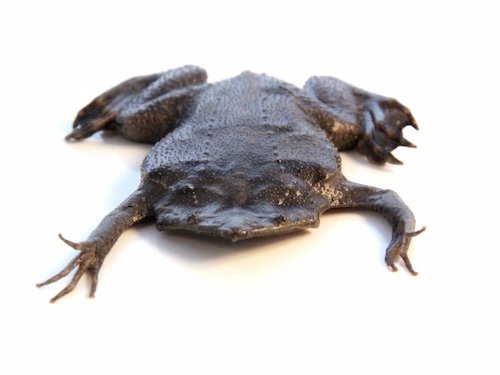
Surinam (Pipa pipa) Toad for Sale
€49,99
The Surinam (Pipa pipa) Toad for Sale is an extraordinary choice for experienced amphibian enthusiasts, recognised for its flattened, leaf-like body, star-shaped fingertips and remarkable reproductive behaviour.
This fully aquatic South American amphibian requires a spacious freshwater aquarium, stable warm temperatures, gentle filtration and excellent water quality.
Its diet includes suitable worms, aquatic invertebrates and other appropriately sized animal prey.
Explore our Surinam Toad selection, check current availability and prepare a suitable aquarium before purchasing.
Surinam (Pipa pipa) Toad for Sale – Discover an Extraordinary Aquatic Amphibian
Looking for a truly unusual addition to your aquatic animal collection? Explore our Surinam Toad for Sale listing and discover one of the most remarkable amphibians in the world. Scientifically known as Pipa pipa, the Surinam Toad is admired for its extremely flattened body, distinctive star-shaped fingertips and extraordinary reproductive behaviour.
Native to tropical South America, this fully aquatic amphibian spends its life underwater, where its brown or olive colouration and leaf-like shape help it blend into the surrounding environment.
Unlike conventional pet toads that require a terrestrial enclosure, the Surinam Toad needs a carefully maintained freshwater aquarium with suitable water quality, gentle filtration, stable temperatures and sufficient space to explore.
One of the species’ most fascinating characteristics is its unusual reproductive cycle. After mating, fertilised eggs become embedded in the female’s back, where they develop within specialised pockets of skin. After several months, fully formed young emerge from the female’s back, making the Surinam Toad particularly interesting to amphibian enthusiasts and students of animal biology.
Whether you are expanding an established aquatic collection or researching an uncommon amphibian, the Surinam Toad offers an exceptional opportunity to observe specialised adaptations and natural feeding behaviour. However, this species has specific environmental requirements and is best suited to keepers who can maintain stable aquarium conditions.
Browse our Surinam (Pipa pipa) Toad for Sale listing to check current availability and specimen details. Before purchasing, ensure that your aquarium is fully established, your water parameters are suitable and you understand the long-term care requirements of this fascinating species.
Surinam Toad Characteristics
- Common name: Surinam Toad or Suriname Toad.
- Scientific name: Pipa pipa.
- Family: Pipidae.
- Animal group: Amphibians.
- Natural distribution: Tropical South America, including parts of the Amazon and Orinoco regions.
- Lifestyle: Fully aquatic freshwater amphibian.
- Adult size: Approximately 10–20 cm in body length, depending on sex and individual development.
- Appearance: Flattened body, triangular head, mottled brown or olive colouration and distinctive star-shaped fingertips.
- Diet: Carnivorous and opportunistic, feeding on suitable aquatic invertebrates and other small prey.
- Aquarium temperature: Approximately 24–28°C as a starting reference, subject to species-specific husbandry guidance.
- Water conditions: Clean, appropriately conditioned freshwater with stable water chemistry.
- Filtration: Gentle, effective filtration with minimal current.
- Substrate: Fine sand or a bare-bottom aquarium; avoid gravel that could be swallowed.
- Handling: Avoid unnecessary handling.
- Availability: Subject to current stock and supplier confirmation.
These characteristics describe Pipa pipa. Confirm the identity, size and condition of the individual offered before purchasing.
Why Choose a Surinam Toad?
An Unmistakable Appearance
The Surinam Toad has one of the most unusual body shapes among commonly discussed amphibians. Its body is exceptionally flat, its head is triangular, and its skin is generally brown, tan or olive with irregular markings.
This flattened shape helps the animal blend into submerged leaves and debris, making it a fascinating subject for observation in a naturalistic aquarium.
Extraordinary Reproductive Behaviour
The Surinam Toad is particularly well known for its specialised reproductive strategy.
Following mating, the eggs are pressed into the female’s back, where the surrounding skin forms individual pockets. The embryos continue developing within these pockets until fully formed young emerge.
This unusual process distinguishes the Surinam Toad from most other amphibians and is one of the principal reasons the species attracts interest from experienced keepers.
Distinctive Star-Shaped Fingertips
The tips of the Surinam Toad’s front fingers feature specialised, star-shaped sensory structures. These help the animal investigate its surroundings and locate food.
The adaptations are particularly interesting when observing feeding behaviour, as the toad uses its sensitive fingertips to detect prey before drawing food into its mouth.
Fully Aquatic Lifestyle
Unlike terrestrial toads, Pipa pipa is adapted to life underwater. It rests on the aquarium floor, explores its surroundings and captures prey while submerged.
Its specialised lifestyle makes aquarium maintenance, water quality and filtration especially important considerations for prospective owners.
A Fascinating Species for Aquatic Enthusiasts
For keepers who enjoy observing unusual aquatic animals, the Surinam Toad offers an experience quite different from keeping conventional frogs or terrestrial toads.
Its distinctive appearance, specialised feeding behaviour and remarkable reproductive biology make it an interesting species for a carefully maintained freshwater setup.
Physical Appearance and Adult Size
Flattened Body Shape
The Surinam Toad has a broad, flattened body that resembles a submerged leaf. This shape helps it remain inconspicuous against the bottom of its natural habitat.
Its body structure is adapted for aquatic living rather than movement on land. A suitable aquarium should therefore provide plenty of usable floor space.
Head and Facial Features
The head is triangular and relatively flat, with small eyes and narrow nostril openings near the tip of the snout.
These features contribute to the species’ distinctive appearance and differentiate it from many other amphibians.
Colouration
The skin is generally mottled brown, tan or olive, with irregular markings that help the animal blend into its surroundings.
Individual colouration can vary, so the appearance of a specimen may differ from photographs shown in a product listing.
Star-Shaped Fingertips
One of the species’ most distinctive features is the presence of star-shaped structures at the tips of its front fingers.
These specialised sensory structures help it investigate the substrate and locate prey in the water.
How Large Does a Surinam Toad Grow?
Adult Surinam Toads typically reach approximately 10–20 cm in body length, with females often growing larger than males. The exact size depends on sex, age, nutrition and individual development.
The reference seller reports that its animals may reach approximately 20 cm, although smaller adult sizes are also common. Ask the supplier for the current measurements of the specimen being offered.
Plan the aquarium around the animal’s expected adult size rather than its size at the time of purchase.
Natural Habitat and Behaviour
Understanding the Surinam Toad’s natural environment helps explain its aquarium requirements.
South American Origins
Pipa pipa occurs across parts of tropical South America, including areas of Brazil, Peru, Colombia, Ecuador, Guyana, Suriname and neighbouring regions.
It inhabits freshwater environments associated with tropical forests, flooded areas and slow-moving waterways.
Slow-Moving Freshwater
Surinam Toads are associated with sluggish streams, ponds, backwaters and other freshwater habitats with relatively gentle currents.
In captivity, strong water movement should be avoided because it can make resting and feeding more difficult.
Bottom-Dwelling Behaviour
The species often rests on the bottom of the aquarium, where its flattened body and muted colouration provide effective camouflage.
It may remain motionless for extended periods before moving to investigate its surroundings or capture food.
Aquatic Respiration
Although the Surinam Toad lives underwater, it must periodically reach the water’s surface to breathe air.
Ensure that the aquarium provides unobstructed access to the surface and that floating decorations or equipment do not interfere with this behaviour.
Feeding Behaviour
Surinam Toads use their sensitive fingertips to locate prey. They can then rapidly open their mouths and draw suitable food into their mouths through suction.
Observing feeding behaviour can be especially interesting, but prey must be appropriate for the animal’s size and nutritional requirements.
Surinam Toad Aquarium Setup
A properly prepared aquarium is essential for the health and welfare of this fully aquatic amphibian.
Aquarium Size
Surinam Toads need sufficient floor space to rest, explore and feed comfortably.
For a single adult, an aquarium measuring at least approximately 90 × 45 cm in length and width is a useful starting point. A larger aquarium is preferable where space permits, particularly for a large adult or more than one animal.
Some specialist husbandry guides recommend an adult enclosure footprint of approximately 90 × 45 cm as a minimum and around 120 × 45 cm as a more generous target.
The total water volume should be selected alongside the aquarium’s footprint, water depth, filtration capacity and the size of the animal. A larger, stable aquarium generally makes water quality easier to maintain.
Water Depth
A water depth of approximately 30–45 cm may be suitable for an appropriately sized adult aquarium, provided the animal can swim comfortably and reach the surface without obstruction.
Adjust the depth to the animal’s size and swimming ability. Ensure that decorations and equipment do not create hazards.
Substrate
A bare-bottom aquarium or a layer of fine, aquarium-safe sand can simplify maintenance.
Avoid gravel and small stones that could be accidentally swallowed during feeding. Swallowed substrate may cause serious digestive complications.
If using sand, ensure it is clean, suitable for freshwater aquariums and not contaminated with chemicals.
Hiding Places and Decorations
Provide suitable submerged decorations that create shelter without restricting movement.
Smooth driftwood, safe aquatic plants and stable structures can help create an interesting environment. Avoid sharp edges and decorations that could fall or trap the animal.
Maintain enough open floor space for feeding and observation.
Aquarium Lid
Use a secure aquarium cover that prevents escapes while allowing appropriate ventilation.
Ensure that the lid does not obstruct access to the water’s surface or interfere with aquarium equipment.
Water Temperature Requirements
The Surinam Toad requires warm, stable freshwater conditions.
For Pipa pipa, a water temperature of approximately 24–28°C is a useful starting reference. A narrower target around 25–27°C may help maintain consistency, provided it is appropriate for the animal’s origin and the advice of a specialist amphibian keeper.
Use a reliable aquarium thermometer to monitor the water temperature regularly.
If heating is necessary, use an aquarium heater with suitable protection and thermostat control. Position equipment so that the animal cannot become trapped against hot surfaces or injured by exposed components.
Avoid sudden temperature changes and excessive heating. Stable conditions are generally preferable to repeated fluctuations.
Water Quality and Filtration
Water quality is one of the most important aspects of Surinam Toad care.
Because the species lives entirely underwater, unsuitable water chemistry can directly affect its skin, health and overall condition.
Water Treatment
Use freshwater that has been appropriately treated to remove chlorine and chloramine. Untreated tap water may harm amphibians because their skin is permeable and sensitive to contaminants.
Do not add aquarium chemicals, medications or water treatments unless they are known to be safe for amphibians.
Filtration
Install a reliable filter capable of maintaining clean water without creating excessive current.
A suitable low-flow filter or carefully adjusted filtration system can help remove waste while preserving a calm aquatic environment.
Ensure that the filter intake is safe for the animal and cannot trap its limbs or body.
Water Testing
Test the aquarium regularly for ammonia, nitrite, nitrate and pH.
A useful initial target is:
- Ammonia: 0 mg/L.
- Nitrite: 0 mg/L.
- Nitrate: preferably below 20 mg/L.
- pH: approximately 6.0–7.0 as a starting reference, subject to stable and species-appropriate water chemistry.
These figures are husbandry references rather than a guarantee that every water source will be suitable. Confirm the appropriate parameters with an experienced amphibian keeper or aquatic veterinarian.
The aquarium should be fully cycled before the animal is introduced. Regular partial water changes, careful feeding and appropriate filtration help prevent waste from accumulating.
Water Changes
Remove uneaten food and visible waste promptly.
Carry out regular partial water changes using appropriately treated water that is close to the existing aquarium temperature. Avoid sudden changes in water chemistry.
The frequency of water changes depends on aquarium size, filtration, stocking levels and waste production. Test the water rather than relying on a fixed schedule alone.
Humidity and Lighting
Does a Surinam Toad Need a Humid Enclosure?
Surinam Toads are fully aquatic, so aquarium water quality is far more important than measuring terrestrial enclosure humidity.
The aquarium should retain sufficient water and have a suitable cover, but the main priorities are clean freshwater, stable temperature, adequate oxygenation and gentle circulation.
Lighting Requirements
Provide a consistent day-and-night cycle using moderate aquarium lighting.
A timer set to approximately 10–12 hours of light daily can provide a useful starting point, with the exact photoperiod adjusted to the aquarium environment.
Avoid intense lighting that leaves the animal without shaded areas. Floating plants or other safe forms of cover may help diffuse the light.
Do not assume that specialised UVB lighting is essential without consulting species-specific husbandry guidance. The animal’s complete care requirements should be considered before choosing lighting equipment.
What Do Surinam Toads Eat?
Surinam Toads are carnivorous and consume a range of suitable aquatic prey and invertebrates.
Their diet should be varied where possible, with prey selected according to the animal’s size, feeding response and nutritional needs.
Earthworms
Appropriately sized earthworms can provide a useful food option.
Choose worms from a reliable source and avoid those exposed to pesticides, fertilisers or other contaminants.
Aquatic Invertebrates
Suitable aquatic invertebrates can provide dietary variety.
Choose prey that is safe, appropriately sized and nutritionally suitable for the animal.
Small Fish
Some Surinam Toads may accept suitable small fish, but these should not automatically form the entire diet.
Use healthy feeder fish from a reliable source and avoid fish that may introduce parasites or disease into the aquarium.
Other Suitable Prey
Depending on the animal’s size and feeding behaviour, other suitable prey may include certain crustaceans and appropriately sized insects or aquatic food items.
Do not offer prey that could injure the toad or create a risk of choking or digestive complications.
Feeding Frequency
Feeding frequency depends on age, body condition, activity and the nutritional value of the diet.
Juveniles generally require more frequent feeding than adults. Monitor body condition and feeding behaviour to avoid both underfeeding and excessive feeding.
Remove uneaten food promptly to protect water quality.
Target Feeding
Surinam Toads may benefit from target feeding, particularly in aquariums where food could otherwise become difficult to locate.
Use suitable feeding tongs or a controlled feeding method where appropriate. Avoid striking the animal with utensils or disturbing it unnecessarily.
Nutritional Quality
Offer a varied diet using safe, suitable prey. Nutritional supplementation may be necessary in some captive feeding programmes, but it should be based on specialist guidance for the species.
If the animal repeatedly refuses food, investigate water quality, temperature, stress and possible illness rather than simply increasing the amount of food offered.
Surinam Toad Lifespan and Long-Term Care
The Surinam Toad is a long-term commitment.
Published lifespan estimates vary. Some specialist sources report lifespans of approximately 7–15 years, while individual records differ according to captive conditions and other factors. A precise lifespan cannot be guaranteed for an individual animal.
Good husbandry includes:
- Maintaining stable water temperature.
- Testing water quality regularly.
- Providing effective, gentle filtration.
- Offering an appropriate and varied diet.
- Preventing the accumulation of waste.
- Monitoring feeding behaviour and body condition.
- Seeking veterinary care when health problems arise.
Before purchasing, consider whether you can maintain the aquarium and meet the animal’s needs over many years.
Handling and Compatibility
Should You Handle a Surinam Toad?
Surinam Toads are best appreciated through observation rather than frequent handling.
Their skin is sensitive, and removal from water can cause unnecessary stress. Handling also introduces the risk of transferring chemicals or contaminants to the animal.
When moving a specimen for essential aquarium maintenance or veterinary treatment, use a suitable clean container and follow amphibian-safe handling practices.
Can Surinam Toads Live with Other Animals?
Cohabitation requires caution.
Do not assume that a Surinam Toad can safely share an aquarium with tropical fish, other frogs or unrelated amphibians. Potential problems include competition for food, injury, disease transmission and incompatible environmental requirements.
If keeping more than one Surinam Toad, provide sufficient space and monitor feeding and behaviour closely. Separate animals if aggression, injury or persistent feeding problems occur.
A species-only aquarium is often the simplest option for maintaining a controlled environment.
Breeding and the Surinam Toad’s Unique Reproduction
The Surinam Toad has one of the most unusual reproductive strategies among amphibians.
During mating, the male and female perform a series of movements in the water. Fertilised eggs are then pressed into the female’s back, where her skin develops pockets around them.
The embryos continue developing within these pockets for several months. Rather than emerging as free-swimming tadpoles, the young eventually emerge as fully formed miniature frogs.
This process is a remarkable example of parental investment in amphibians.
Breeding should only be attempted by keepers who understand the species’ reproductive requirements and can provide suitable care for both adults and offspring.
Is a Surinam Toad Suitable for Beginners?
The Surinam Toad may suit an aquarist with experience maintaining stable freshwater conditions and caring for specialised aquatic animals.
However, it is not an ordinary pet toad. Its fully aquatic lifestyle means that aquarium cycling, water testing, filtration and temperature control are essential.
Before purchasing, make sure you can:
- Provide a sufficiently spacious aquarium.
- Establish and maintain a properly cycled filter.
- Monitor water temperature and chemistry.
- Provide clean, appropriately conditioned freshwater.
- Offer suitable prey and monitor feeding.
- Avoid incompatible tank mates.
- Arrange veterinary care for aquatic amphibians.
- Maintain the aquarium over the animal’s expected lifespan.
If you are new to amphibian keeping, research the species thoroughly and prepare the complete aquarium before ordering.
Responsible Sourcing and Purchasing
Before purchasing a Surinam Toad, confirm its scientific identity, origin and current condition.
Ask the supplier whether the animal is captive-bred or wild-collected, where this information is available. Request relevant feeding and care details, and confirm the specimen’s approximate size.
Responsible sourcing is important for the welfare of the animal and the sustainability of the exotic pet trade.
You should also check the wildlife ownership, import and transport requirements that apply in your country. Rules can differ according to the animal’s origin and destination.
Do not assume that a seller’s domestic shipping policy permits international delivery. Confirm availability and shipping eligibility directly before ordering.
Ordering a Surinam (Pipa pipa) Toad Online
Before completing your purchase, review the product listing and confirm:
- Scientific identification: Pipa pipa.
- Current stock availability.
- Approximate size and developmental stage.
- Feeding history and accepted food types.
- Captive-bred or wild-collected status, where documented.
- Shipping eligibility for your destination.
- Packaging and dispatch arrangements.
- Any live-arrival guarantee and its conditions.
- Applicable import or wildlife-trade documentation.
Prepare the aquarium in advance, establish the filter and confirm that the water parameters are stable before introducing the animal.
Always read the seller’s shipping policy carefully. The reference listing states that its delivery service is restricted to the United States, so international buyers must independently confirm whether the supplier can legally ship to their destination.
Frequently Asked Questions
What is a Surinam Toad?
The Surinam Toad (Pipa pipa) is a fully aquatic freshwater amphibian native to tropical South America. It is known for its flattened body and unusual reproductive strategy.
How large does a Surinam Toad grow?
Adults typically reach approximately 10–20 cm in body length, with females often larger than males.
Are Surinam Toads fully aquatic?
Yes. They spend their lives underwater and require an appropriately maintained freshwater aquarium rather than a conventional terrestrial toad enclosure.
What temperature does a Surinam Toad need?
A water temperature of approximately 24–28°C is a useful starting reference. Confirm the appropriate range for your specimen and maintain stable conditions.
What water conditions does a Surinam Toad need?
It requires clean, appropriately conditioned freshwater with effective filtration, gentle water movement and stable water chemistry. Regular testing for ammonia, nitrite, nitrate and pH is essential.
What do Surinam Toads eat?
They are carnivorous and may eat suitable worms, aquatic invertebrates, crustaceans and small fish. Prey must be safe and appropriately sized.
How long does a Surinam Toad live?
Lifespan estimates vary, with specialist sources reporting approximately 7–15 years in captivity. Actual longevity depends on the individual and its care.
Why does a Surinam Toad carry eggs on its back?
After fertilisation, the eggs become embedded in the female’s back, where specialised skin pockets protect them while they develop. Fully formed young eventually emerge from these pockets.
Can Surinam Toads live with fish?
Cohabitation is not recommended without careful assessment. Fish can introduce disease, compete for food or create other risks. A species-only aquarium is generally easier to manage.
Are Surinam Toads suitable for beginners?
They may suit aquarists who can maintain stable water conditions and provide appropriate food, filtration and long-term care. Their specialised requirements should be researched before purchase.
Can I buy a Surinam Toad online?
Availability depends on the supplier, current stock and applicable shipping regulations. Confirm the animal’s identity, purchasing terms and delivery eligibility before ordering.
Find Your Surinam (Pipa pipa) Toad for Sale
Discover our Surinam (Pipa pipa) Toad for Sale listing and explore one of the most unusual aquatic amphibians available to specialist keepers.
With its flattened, leaf-like body, star-shaped fingertips and extraordinary reproductive behaviour, the Surinam Toad is a fascinating species for those who appreciate unusual aquatic animals.
Successful care begins with a spacious, established freshwater aquarium, stable temperatures, clean water, gentle filtration and a suitable feeding routine. Before placing your order, confirm the specimen’s size, feeding history, current availability and delivery eligibility.
Prepare the aquarium in advance, review the animal’s requirements and choose responsibly. With suitable preparation and consistent care, you can enjoy observing the remarkable behaviour of this extraordinary South American amphibian.
| Choose | Juvenile |
|---|---|
| Options | No Pref, Male, Female |
Be the first to review “Surinam (Pipa pipa) Toad for Sale”
Related products
Amphibians for Sale
Amphibians for Sale
Amphibians for Sale
Amphibians for Sale
Amphibians for Sale
Amphibians for Sale
Amphibians for Sale
Amphibians for Sale
Reviews
There are no reviews yet.