

Mossy Frog for Sale
€169,99
Mossy Frogs for Sale (Theloderma corticale) – Discover these fascinating Vietnamese amphibians, admired for their rough, moss-like skin and striking green, brown and black markings.
These nocturnal, semi-aquatic frogs thrive in a cool, humid, well-ventilated enclosure with climbing surfaces and access to clean water.
Feed them appropriately sized live insects and maintain stable environmental conditions.
Contact us to enquire about current availability, specimen sizes, feeding history and delivery options before ordering.
Mossy Frog for Sale – Discover a Remarkable Camouflaged Amphibian
Looking for a truly unusual addition to your amphibian collection? Discover our Mossy Frog for Sale listing and explore the fascinating world of the Vietnamese Mossy Frog, an extraordinary species admired for its rough, textured skin, intricate natural camouflage and distinctive appearance.
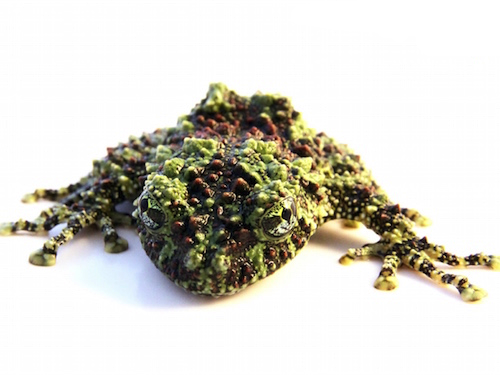
Scientifically known as Theloderma corticale, the Vietnamese Mossy Frog is one of the most recognisable moss-like amphibians. Its bumpy skin and mixture of green, brown, black and reddish markings help it blend into moss-covered rocks, damp tree bark and forest vegetation. When resting motionless, this remarkable frog can be surprisingly difficult to distinguish from its surroundings.
Native to northern Vietnam and nearby areas, the Mossy Frog inhabits cool, humid forest environments associated with rocky streams, caves and sheltered water-filled cavities. It is primarily nocturnal and semi-aquatic, spending much of its time resting in sheltered locations or near water before becoming more active after dark.
Mossy Frogs are particularly appealing to experienced amphibian enthusiasts who appreciate unusual species and naturalistic terrarium displays. However, their specialised environmental requirements mean that careful preparation is essential. Unlike many tropical frogs, they need relatively cool conditions, high humidity, good ventilation and consistently clean water.
If you are searching for Mossy Frogs for Sale, explore our product listing and enquire about current availability, specimen sizes, feeding history and sourcing information. Preparing the correct habitat before purchase is an important step towards providing a suitable long-term home.
Mossy Frog Characteristics
- Common name: Vietnamese Mossy Frog.
- Scientific name: Theloderma corticale.
- Alternative names: Mossy Tree Frog and Tonkin Bug-Eyed Frog.
- Animal group: Amphibians.
- Family: Rhacophoridae.
- Natural distribution: Northern Vietnam and nearby parts of the region.
- Natural habitat: Cool, humid forest environments, rocky streams and sheltered water-filled cavities.
- Adult size: Approximately 6–9 cm in body length.
- Appearance: Rough, bumpy skin with green, brown, black and reddish markings.
- Lifestyle: Primarily nocturnal and semi-aquatic.
- Diet: Carnivorous, feeding mainly on appropriately sized live insects and other invertebrates.
- Enclosure: Secure, humid terrarium or paludarium with climbing surfaces, sheltered resting areas and clean water.
- Daytime temperature: Approximately 20–24°C as a general starting range.
- Night-time temperature: Approximately 16–20°C, depending on the setup and husbandry guidance.
- Humidity: Approximately 70–90% as a general starting range, with good ventilation.
- Lifespan: Commonly around 8–15 years in captivity with appropriate care.
- Handling: Minimise handling because of their sensitive skin and stress response.
- Availability: Contact the supplier to confirm current stock and specimen details.
These figures are general references for Theloderma corticale. Individual requirements can vary, and the enclosure should be adjusted according to reliable species-specific husbandry guidance. Mossy Frogs are particularly sensitive to excessive heat, making temperature monitoring essential.
Why Choose a Mossy Frog?
Remarkable Moss-Like Camouflage
The Mossy Frog’s most distinctive feature is its remarkable natural camouflage. Its raised skin texture and irregular green, brown, black and reddish markings resemble moss-covered stones and damp forest surfaces.
This camouflage allows the frog to remain inconspicuous while resting during the day. It is also one of the main reasons the species attracts attention from amphibian enthusiasts.
A naturalistic enclosure with suitable textures, sheltered resting places and foliage can help display the frog’s fascinating appearance.
Unique Skin Texture
Unlike frogs with smooth skin, the Mossy Frog has prominent bumps and irregular ridges across its body. These features contribute to its unusual appearance and help break up its outline against natural surfaces.
Its textured skin makes it an especially interesting species to observe closely without unnecessary handling.
Fascinating Nocturnal Behaviour
Mossy Frogs are mainly active after dark. During daylight hours, they often remain still among rocks, bark and other sheltered areas.
At night, they may emerge to explore their surroundings and search for food. This behaviour makes them particularly appealing to keepers who enjoy observing nocturnal amphibians in a quiet, carefully maintained habitat.
Semi-Aquatic Lifestyle
Mossy Frogs use both sheltered land areas and water. They benefit from an enclosure that combines secure resting surfaces with access to clean water suitable for entering and soaking.
This combination allows keepers to create a more naturalistic environment while meeting the species’ important environmental needs.
A Distinctive Display Species
The Mossy Frog offers something different from many commonly kept amphibians. Its unusual camouflage, textured skin and quiet behaviour make it a fascinating species for an appropriately prepared collection.
It is best appreciated through observation rather than frequent handling.
Physical Appearance and Colouration
Green and Brown Markings
The Mossy Frog commonly displays a mixture of green and brown shades that help it resemble moss-covered surfaces. Individual frogs may have different proportions of these colours.
Dark and Reddish Patterns
Black and reddish-brown patches create additional contrast across the body. These irregular markings contribute to the frog’s natural camouflage.
Rough, Textured Skin
Raised bumps and ridges give the skin its characteristic moss-like appearance. This texture helps the frog blend into its surroundings when resting motionless.
Body Shape and Eyes
Mossy Frogs have a compact body, strong limbs and prominent eyes. Their overall appearance is well suited to an animal that rests in sheltered locations and becomes active mainly at night.
Individual Differences
Colouration and pattern intensity can vary between individuals. Age, genetics, lighting and the condition of the animal may influence its appearance.
If you are looking for a particular size or pattern, enquire about the actual specimen available rather than relying exclusively on representative product photographs.
Size and Growth
Adult Vietnamese Mossy Frogs commonly reach approximately 6–9 cm in body length. Females are generally larger and bulkier than males, although individual measurements vary.
Young frogs require appropriately sized live prey and secure enclosure furnishings. As they grow, their feeding routine and available space should be adjusted accordingly.
When purchasing a Mossy Frog, ask about its current size, developmental stage and feeding history. This information helps you prepare an appropriate habitat and choose suitable food.
Avoid housing frogs of substantially different sizes together, as differences in feeding ability and competition can create problems.
Natural Habitat and Behaviour
Native to Northern Vietnam
The Vietnamese Mossy Frog is associated with humid forest environments in northern Vietnam and nearby areas. Its natural surroundings include rocky landscapes, caves and sheltered areas near streams and freshwater.
These habitats provide suitable moisture, hiding places and access to small invertebrate prey.
Camouflage and Resting Behaviour
The frog’s natural colouration allows it to blend into mossy surfaces and damp rocks. It may remain motionless for extended periods, making it difficult to spot even in a relatively simple enclosure.
Provide sheltered resting locations and appropriate climbing surfaces to support this natural behaviour.
Nocturnal Activity
Mossy Frogs are mainly active at night. During the day, they often rest in sheltered areas or near water.
A consistent day-and-night cycle and a quiet daytime environment help support their natural routine.
Defensive Behaviour
When threatened, Mossy Frogs may curl up and remain motionless, relying on their camouflage to avoid detection. Excessive disturbance can cause stress, so they should be handled as little as possible.
A calm enclosure with several sheltered resting areas allows the frog to retreat when it feels exposed.
Mossy Frog Enclosure Setup
A suitable enclosure should combine climbing and resting surfaces, access to clean water, high humidity and good ventilation. The aim is to create a cool, humid environment without allowing the air or water to become stagnant.
Enclosure Size
For one or more adult Mossy Frogs, a tall enclosure measuring approximately 45 × 45 × 60 cm can serve as a planning reference. Larger enclosures are preferable when keeping a compatible group because they provide additional space for resting, climbing and accessing water.
These dimensions are not a universal minimum. The appropriate enclosure depends on the number and size of frogs, the layout and the amount of usable space.
Choose a secure enclosure with a properly fitted lid to prevent escapes.
Semi-Aquatic Layout
A paludarium or appropriately designed semi-aquatic terrarium can provide both dry resting surfaces and an accessible water area.
Ensure that frogs can enter and leave the water easily. Avoid steep, slippery sides or deep areas that could make safe access difficult.
Water quality is particularly important for this species, so the aquatic section must be easy to clean and maintain.
Climbing Branches and Cork Bark
Provide suitable branches, cork bark and textured surfaces where the frog can rest above the water.
All furnishings should be stable, free from sharp edges and arranged to prevent trapping or injury.
Moss and Foliage
Suitable mosses and plants can create a naturalistic appearance and provide sheltered resting locations. Choose materials that tolerate the enclosure’s conditions and are safe for amphibians.
Live plants should be free from pesticides and other harmful treatments. Artificial foliage can also be used when securely fitted and easy to clean.
Substrate
A suitable substrate can help retain moisture and support plants. Depending on the enclosure design, options may include coconut fibre, appropriate soil mixes, leaf litter and suitable moss.
Prevent waterlogging and remove waste regularly. Avoid loose materials that could be swallowed accidentally during feeding.
Water Area
Provide access to clean, dechlorinated water in a suitable water feature or soaking area.
The water should be easy to replace and maintain. If filtration is used, ensure that the equipment is safe for small amphibians and that pump intakes cannot trap the frogs.
Change water regularly and monitor its cleanliness. Never allow waste to accumulate in the aquatic section.
Ventilation and Security
High humidity is important, but the enclosure must still have good airflow. Poor ventilation can encourage mould and unhealthy conditions.
Use a secure lid and monitor humidity and temperature with reliable instruments. A well-designed enclosure should remain humid without becoming excessively hot or stagnant.
Temperature Requirements
Temperature control is one of the most important aspects of Mossy Frog care. This species is adapted to relatively cool environments and does not thrive under the hot conditions used for many other tropical amphibians.
General starting references include:
- Daytime temperature: Approximately 20–24°C.
- Night-time temperature: Approximately 16–20°C.
- Monitoring: Use reliable thermometers and check conditions in different parts of the enclosure.
- Heating: Supplemental heating should be used only when necessary and carefully controlled.
Avoid prolonged temperatures above approximately 26°C, as excessive heat can be dangerous for Mossy Frogs.
If your room becomes warm, consider how you will maintain safe enclosure temperatures before purchasing. Never assume that frequent misting alone will adequately cool an overheated enclosure.
Humidity Requirements
Mossy Frogs need a humid environment, but humidity must be balanced with ventilation and clean water.
A relative humidity range of approximately 70–90% is a general starting reference. Exact requirements may vary according to the enclosure, temperature and husbandry guidance.
To maintain suitable humidity:
- Use a reliable hygrometer.
- Mist with clean, dechlorinated water when necessary.
- Provide suitable moisture-retaining substrate.
- Maintain access to clean water.
- Ensure adequate ventilation.
- Remove waste and monitor for mould.
- Avoid allowing the enclosure to become excessively hot or permanently stagnant.
Humidity may rise after misting and gradually fall as the enclosure dries. Monitor conditions throughout the day rather than relying on a single reading.
Lighting and Day-Night Cycle
A consistent lighting schedule helps support the frog’s normal activity pattern.
Approximately 10–12 hours of light followed by darkness is a useful starting reference. Low-level UVB may be beneficial when appropriately selected and installed, but the specific lighting setup should be based on the species’ needs and the enclosure design.
Provide shaded resting places so the frog can avoid direct illumination. Lighting should not produce excessive heat or dry the enclosure too quickly.
If the enclosure contains live plants, choose lighting that supports plant growth while maintaining safe conditions for the frog.
What Do Mossy Frogs Eat?
Mossy Frogs are carnivorous and feed mainly on live insects and other suitable invertebrates.
Prey should be appropriately sized for the individual frog and obtained from a reliable source.
Crickets
Appropriately sized crickets are a common feeder insect and can form part of a varied diet.
Small Cockroaches
Suitable small feeder cockroaches can provide dietary variety. Select prey that the frog can swallow safely.
Earthworms
Suitable earthworms may be offered where appropriate and accepted by the individual. Use reliable feeder sources and avoid worms collected from potentially contaminated soil.
Other Suitable Invertebrates
Other suitable feeder insects can be included to provide variety. Avoid wild-caught prey that may have been exposed to pesticides or other harmful chemicals.
Feeding Frequency
Adult Mossy Frogs are commonly fed every two to three days, although the appropriate frequency depends on age, body condition, prey size and appetite. Juveniles may require more frequent feeding.
Observe the frog during feeding and remove uneaten prey when necessary.
Gut-Loading and Supplements
Feeder insects should be appropriately nourished before being offered. Calcium and vitamin supplementation may be required to support a balanced diet.
Follow a species-appropriate supplementation routine, taking any UVB provision into account. Avoid excessive supplementation, and consult an amphibian-experienced veterinarian if you are unsure about the diet.
Lifespan and Long-Term Care
Vietnamese Mossy Frogs can live for many years in captivity. A lifespan of approximately 8–15 years is a useful general estimate, although individual longevity varies with genetics, health and husbandry.
Keeping a Mossy Frog is a long-term commitment that requires regular attention to temperature, water quality, humidity and feeding.
Responsible care includes:
- Maintaining cool, suitable temperatures.
- Providing appropriate humidity and ventilation.
- Keeping water clean.
- Offering a varied diet of suitable live prey.
- Maintaining a secure enclosure.
- Removing waste and cleaning furnishings.
- Minimising unnecessary handling.
- Monitoring appetite, activity and body condition.
- Seeking veterinary care when health concerns arise.
Prepare the enclosure and feeding arrangements before purchasing. A stable environment helps reduce stress during the transition into captivity.
Can Mossy Frogs Live Together?
Mossy Frogs may be housed in compatible groups when adequate space and appropriate environmental conditions are provided.
If keeping more than one frog, provide sufficient resting surfaces and easy access to water. Monitor feeding to ensure that smaller individuals are not outcompeted.
Quarantine new arrivals separately before considering introducing them to established frogs. Separate housing may be necessary if an individual becomes unwell, experiences persistent stress or differs substantially in size from the others.
Good hygiene is particularly important when keeping multiple amphibians. Use appropriate cleaning procedures and avoid sharing equipment between quarantine and established enclosures without proper disinfection.
Handling and Safety
Mossy Frogs are best kept as observation animals rather than pets for frequent handling.
Their skin is sensitive, and unnecessary handling can cause stress or injury. Handling can also introduce contaminants from human skin or equipment.
Follow these precautions:
- Avoid unnecessary handling.
- Use clean, non-powdered gloves when essential handling is required and appropriate for the task.
- Follow suitable amphibian-handling guidance for necessary transfers.
- Keep the frog away from children and household pets.
- Wash your hands after enclosure maintenance.
- Use a secure container when moving the frog if appropriate.
If you notice reduced appetite, unusual skin changes, lethargy, weak grip or abnormal movement, consult a veterinarian experienced with amphibians.
Are Mossy Frogs Suitable for Beginners?
Mossy Frogs may suit keepers who have researched their requirements and can maintain a suitable cool, humid, semi-aquatic enclosure. However, they are not an ideal choice for anyone who cannot reliably control temperature and water quality.
Before purchasing, make sure you can:
- Maintain cool enclosure temperatures.
- Provide suitable humidity and ventilation.
- Keep the water clean.
- Supply appropriately sized live insects.
- Provide a secure enclosure with resting and climbing surfaces.
- Monitor feeding and behaviour.
- Arrange veterinary care when required.
New amphibian keepers should research the species carefully and prepare the complete habitat before ordering.
Responsible Sourcing and Purchasing
Before purchasing a Mossy Frog, confirm the scientific identification and ask the supplier about the animal’s background.
Useful questions include:
- Is the frog confirmed as Theloderma corticale?
- What is its current size and developmental stage?
- Is it feeding reliably?
- Is its captive-bred or wild-collected status documented?
- What feeding routine has it been following?
- Is relevant sourcing documentation available?
- Can the supplier legally deliver to your location?
- What packaging and live-arrival arrangements apply?
Responsible sourcing helps buyers make informed decisions and supports amphibian welfare. Never release captive frogs into the wild.
Ordering a Mossy Frog Online
Our Mossy Frog for Sale listing is intended for enthusiasts interested in this unusual, well-camouflaged amphibian.
Before placing an order, enquire about current availability, specimen size, scientific identification, feeding history and sourcing information. Ensure that your enclosure is ready and that you can maintain suitable temperatures, humidity and water quality.
Review the supplier’s delivery policy, packaging arrangements and any live-arrival guarantee, including the applicable terms and exclusions. Confirm that delivery to your location is permitted and that relevant import requirements have been addressed.
Preparing the habitat before arrival helps reduce unnecessary stress and supports a smoother transition into the new environment.
Frequently Asked Questions
What is the scientific name of the Mossy Frog?
The Vietnamese Mossy Frog is scientifically known as Theloderma corticale.
Where do Mossy Frogs come from?
They are native to northern Vietnam and nearby parts of the region, where they inhabit humid forest environments associated with rocky streams and sheltered water-filled cavities.
How large does a Mossy Frog grow?
Adult Vietnamese Mossy Frogs commonly reach approximately 6–9 cm in body length, although individual measurements vary.
How long does a Mossy Frog live?
A lifespan of approximately 8–15 years in captivity is a useful general estimate with appropriate care.
What does a Mossy Frog eat?
It eats suitable live insects and other invertebrates, including appropriately sized crickets, small cockroaches and suitable earthworms.
What temperature does a Mossy Frog need?
Approximately 20–24°C during the day and 16–20°C at night are useful starting references. Avoid excessive heat, as this species is sensitive to high temperatures.
What humidity does a Mossy Frog need?
Approximately 70–90% relative humidity is a general starting range. Maintain suitable airflow and monitor the enclosure carefully.
Does a Mossy Frog need water?
Yes. The Vietnamese Mossy Frog has a semi-aquatic lifestyle and needs access to clean water, with safe entry and exit points.
Can Mossy Frogs live together?
Compatible individuals may be housed together when adequate space and suitable conditions are provided. Monitor feeding, body condition and behaviour carefully.
Is the Mossy Frog suitable for beginners?
It may suit a well-prepared keeper who can maintain cool temperatures, high humidity, clean water and appropriate ventilation. Research the species before purchasing.
Can I buy a Mossy Frog online?
Availability depends on the supplier and current stock. Confirm the scientific identification, specimen details, sourcing information and delivery eligibility before ordering.
Find Your Mossy Frog for Sale
Discover the remarkable Vietnamese Mossy Frog, an unusual amphibian admired for its moss-like camouflage, textured skin and fascinating nocturnal behaviour.
With a carefully designed semi-aquatic enclosure, cool temperatures, appropriate humidity, good ventilation, clean water and a varied diet of suitable live insects, this species can be a rewarding addition to a well-prepared amphibian collection.
Explore our Mossy Frog for Sale listing and enquire about current availability, specimen details and delivery arrangements. Confirm the scientific identification and prepare the correct habitat before ordering to support the long-term health and welfare of your new amphibian.
| Choose | Baby |
|---|---|
| Options | No Pref, Male, Female |
Be the first to review “Mossy Frog for Sale”
Related products
Frogs for Sale
Frogs for Sale
Frogs for Sale
Frogs for Sale
Frogs for Sale
Frogs for Sale
Frogs for Sale
Frogs for Sale
Reviews
There are no reviews yet.