

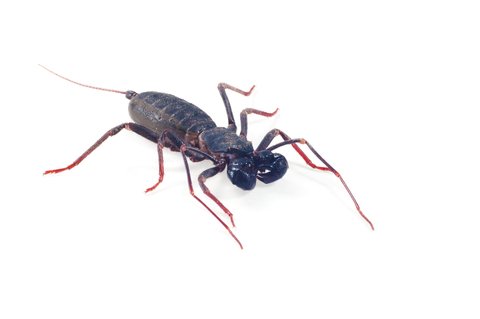
Vinegaroon for Sale
€49,99
Vinegaroons for Sale offer a fascinating addition to an exotic invertebrate collection.
Also known as whip scorpions, these unusual arachnids are recognised for their powerful pincers, elongated sensory legs and distinctive whip-like tails.
They are non-venomous and do not have a stinger, but can spray an irritating, vinegar-smelling defensive secretion when threatened.
Best suited to observation-focused keeping, vinegaroons require a secure enclosure, deep burrowing substrate, suitable moisture levels and a regular supply of appropriately sized live insects.
Vinegaroon for Sale – Discover a Fascinating Whip Scorpion
Explore our Vinegaroon for Sale category to discover one of the most unusual and fascinating arachnids available to exotic invertebrate enthusiasts. Known for their prehistoric appearance, powerful pincers and distinctive whip-like tails, vinegaroons are remarkable creatures that offer a unique opportunity to observe specialised adaptations and natural behaviours.
Often called whip scorpions, vinegaroons belong to the arachnid order Thelyphonida. Despite their scorpion-like appearance, they are not true scorpions and do not possess a venomous sting. Instead, they have a specialised defensive mechanism that allows them to spray an acidic, vinegar-smelling secretion when threatened. This distinctive characteristic is responsible for their unusual common name.
Vinegaroons are predominantly nocturnal and spend much of their time hiding beneath the soil, leaf litter, stones and other sheltered areas. They are burrowing predators that use their elongated front legs as sensory organs to explore their surroundings and locate prey. Their fascinating anatomy and secretive behaviour make them particularly interesting for keepers who enjoy observing unusual invertebrates.
These arachnids are generally best appreciated as observation animals rather than pets to handle. They require a secure enclosure, suitable burrowing substrate, appropriate moisture levels and a consistent supply of appropriately sized live insects.
Whether you are an experienced invertebrate keeper or researching your first whip scorpion, understanding their behaviour and husbandry requirements is essential before purchasing one. Always check the exact species offered, its origin and its care requirements to ensure that you can provide a suitable long-term environment.
What Is a Vinegaroon?
A vinegaroon is a predatory arachnid belonging to the order Thelyphonida, commonly known as whip scorpions or vinegaroons. One species frequently encountered in the exotic pet trade is the giant vinegaroon, traditionally identified as Mastigoproctus giganteus. However, common trade names can cover different species, so the precise identification should be confirmed with the seller.
Vinegaroons have a distinctive body structure consisting of a flattened body, large pincer-like pedipalps, eight legs and a long, slender tail-like appendage called a flagellum.
Unlike true scorpions, vinegaroons do not have a venomous stinger. Their front pair of legs is elongated and functions primarily as a sensory tool, helping them feel their way around in low-light conditions.
Their powerful pedipalps are used to grasp and restrain prey, while their specialised defensive glands produce a secretion containing acetic acid. When disturbed, a vinegaroon may direct this secretion towards a perceived threat.
Although their appearance can seem intimidating, vinegaroons generally prefer to hide or retreat rather than confront larger animals. Nevertheless, they can pinch defensively and their spray can cause significant irritation, particularly if it enters the eyes or contacts sensitive tissue.
These unusual characteristics have made vinegaroons popular among enthusiasts interested in exotic arachnids and specialised invertebrate behaviour.
Vinegaroon Characteristics
- Common name: Vinegaroon or whip scorpion.
- Scientific classification: Order Thelyphonida.
- Commonly traded species: May include Mastigoproctus giganteus or other related species.
- Animal group: Arachnids.
- Appearance: Dark, flattened body with prominent pedipalps and a long whip-like flagellum.
- Activity: Predominantly nocturnal.
- Feeding behaviour: Predatory, feeding mainly on suitable live invertebrates.
- Habitat preference: Sheltered terrestrial environments with suitable burrowing substrate.
- Defensive behaviour: Can pinch and spray an irritating, vinegar-like secretion.
- Venomous sting: Absent.
- Housing: Secure terrestrial enclosure with adequate burrowing depth and suitable moisture management.
- Handling: Not recommended; observation is preferable.
- Availability: Species, age, size and quantities depend on the current product listing.
Individual characteristics vary according to the species and developmental stage. Confirm the identification and specifications of the animal before purchasing.
Why Choose a Vinegaroon?
A Unique Addition to an Invertebrate Collection
Vinegaroons offer a different experience from more familiar pet arachnids, including tarantulas and true scorpions.
Their distinctive appearance, specialised sensory legs and defensive spray make them particularly interesting for keepers who appreciate unusual invertebrates.
Fascinating Natural Behaviour
Vinegaroons display a range of behaviours associated with nocturnal activity and burrowing.
They may explore their enclosure after dark, investigate their surroundings with their elongated front legs and retreat into underground chambers during daylight hours.
Observing these behaviours can provide insight into how specialised arachnids interact with their environment.
Remarkable Anatomy
The combination of powerful pedipalps, sensory front legs and a whip-like flagellum gives vinegaroons a recognisable appearance.
Their sensory adaptations are particularly interesting because they help the animals navigate dark environments where vision is less important than touch and vibration.
An Interesting Predatory Lifestyle
Vinegaroons feed on suitable invertebrates, including crickets and cockroaches.
Watching a healthy individual locate and capture prey can be fascinating for keepers interested in natural feeding behaviour.
Suitable for Observation-Focused Keeping
Vinegaroons are best suited to keepers who appreciate observing natural behaviour rather than frequently handling their pets.
A well-designed enclosure allows the animal to burrow, hide, explore and feed while reducing unnecessary disturbance.
An Opportunity to Learn About Arachnids
Keeping a vinegaroon can encourage a deeper understanding of arachnid biology, specialised adaptations and the importance of suitable environmental conditions.
Their care also provides an opportunity to learn about the needs of burrowing invertebrates and the importance of responsible exotic animal ownership.
Physical Appearance and Identification
Vinegaroons have a distinctive appearance that sets them apart from many other arachnids.
Body Structure
Their bodies are generally flattened and dark brown, reddish-brown or nearly black, depending on the species.
This shape helps them move through narrow spaces beneath stones, bark, soil and leaf litter.
Powerful Pedipalps
The pedipalps are modified appendages that resemble pincers. They help the vinegaroon grasp prey and defend itself when threatened.
These structures are one of the most immediately recognisable features of the animal.
Elongated Sensory Front Legs
The first pair of legs is long and slender and is used primarily for sensing the surrounding environment.
Vinegaroons frequently move these appendages in front of them as they explore, helping them navigate through dark spaces.
Whip-Like Flagellum
The long, narrow flagellum extends from the rear of the body.
Unlike the tail of a true scorpion, it does not carry a venomous stinger. It is part of the distinctive body structure that gives whip scorpions their common name.
Size and Development
Adult size varies by species. Some commonly traded giant vinegaroons reach approximately 4–6 cm in body length, excluding the flagellum, although total length can be considerably greater.
Young vinegaroons are smaller and develop through successive moults. Confirm the expected adult size of the exact species offered rather than relying on a general description of the group.
Understanding the Vinegaroon’s Defensive Behaviour
One of the most unusual characteristics of vinegaroons is their ability to produce a vinegar-like defensive spray.
When threatened, a vinegaroon may release an acidic secretion from glands near the rear of its body. The secretion contains acetic acid, which is also responsible for the characteristic smell of household vinegar.
Why Do Vinegaroons Spray?
The spray is a defensive adaptation that can discourage predators and other perceived threats.
A vinegaroon may attempt to retreat first, but it can use its defensive secretion when it feels cornered or disturbed.
Is the Spray Dangerous?
The secretion can irritate the skin, eyes and other sensitive tissues. Eye exposure can be particularly painful and may require urgent medical assessment.
Vinegaroons can also pinch with their powerful pedipalps.
For these reasons, avoid handling them, bringing them close to your face or deliberately provoking defensive behaviour.
How to Keep Yourself Safe
- Observe the animal rather than handling it.
- Use appropriate tools when enclosure maintenance is necessary.
- Keep your face and eyes away from the animal.
- Wear suitable protective equipment when carrying out tasks that could expose you to the spray.
- Keep the enclosure secure and out of reach of children and other pets.
- Wash your hands after routine enclosure maintenance.
- Never deliberately provoke a vinegaroon to demonstrate its defensive mechanism.
If the secretion enters your eyes, rinse immediately with plenty of clean running water and seek urgent medical advice.
Understanding this behaviour helps ensure that the animal can be kept safely and with minimal stress.
Setting Up a Vinegaroon Enclosure
A suitable enclosure is essential for a vinegaroon’s welfare. These animals are adapted to sheltered terrestrial environments and require enough substrate to create stable burrows.
The exact requirements depend on the species, age and size of the individual, but a secure, well-ventilated enclosure with adequate floor space and deep substrate is a sensible starting point.
Enclosure Size
Choose an enclosure that provides sufficient floor area for movement and enough depth for burrowing.
For a commonly kept adult giant vinegaroon, an enclosure around 30 × 30 × 30 cm is one possible starting point, subject to the animal’s size and species-specific requirements.
Juveniles may require smaller enclosures that are easier to monitor, provided they still offer adequate space and suitable environmental conditions.
Secure Lid
Vinegaroons can move through surprisingly small gaps and may escape if the enclosure is poorly secured.
Use a firmly fitted lid and ensure that ventilation openings are appropriately sized. Check access ports and any gaps around cables or fittings.
Deep Burrowing Substrate
Burrowing is an important part of vinegaroon behaviour.
Provide a deep layer of compactable substrate that can hold tunnels without collapsing. A suitable mixture may include chemical-free topsoil, coconut fibre and other appropriate components selected for the species.
For a commonly kept adult, approximately 15 cm of suitable substrate can be a useful starting point, with additional depth where appropriate.
Avoid fertilised soil, sharp gravel and loose substrate that cannot support a stable burrow.
Hides and Natural Cover
Cork bark, leaf litter and other suitable hides can help the animal feel secure.
A stable hide near the substrate surface may encourage the vinegaroon to establish a burrow beneath it.
Avoid heavy decorations that could collapse into a burrow and injure the animal.
Ventilation
Adequate ventilation helps reduce stagnant air and the risk of mould.
At the same time, the enclosure should retain enough moisture in the deeper substrate to support burrowing and normal behaviour.
Balance ventilation with the moisture requirements of the species rather than keeping the enclosure either completely dry or excessively damp.
Water Dish
Provide a shallow, stable dish containing clean water.
Ensure that the dish is accessible and does not create a risk of the animal becoming trapped or submerged. Clean and refill it regularly.
Lighting
Vinegaroons generally do not require specialised UVB lighting in the way that many diurnal reptiles do.
Provide a natural day-and-night cycle with subdued lighting and access to dark hiding places. Avoid direct sunlight, which can rapidly overheat an enclosure.
Temperature and Humidity Requirements
Appropriate environmental conditions are essential for normal activity, feeding and moulting.
Exact temperature and moisture requirements vary between vinegaroon species, so the following should be treated as general guidance for commonly kept species rather than a universal prescription.
Temperature
Many commonly kept vinegaroons can be maintained at moderate room temperatures, with a suitable range often falling around 22–27°C.
Avoid sudden temperature changes and excessive heat. Direct heat lamps and unregulated heating equipment can dry the substrate or create dangerous hot spots.
If supplemental heating is needed, use a suitable thermostat-controlled arrangement and monitor conditions within the enclosure.
Humidity and Substrate Moisture
Vinegaroons generally need access to a suitably moist burrowing environment.
Rather than saturating the entire enclosure, maintain a moisture gradient where the deeper substrate remains slightly moist while the surface can be relatively drier.
The substrate should retain its structure when burrowed into, but it should not be waterlogged.
Preventing Mould
Excess moisture combined with poor ventilation can encourage mould and unhealthy conditions.
Remove decaying food and organic waste, maintain suitable airflow and avoid repeatedly soaking the entire enclosure.
Monitoring Environmental Conditions
Check the temperature and moisture conditions regularly.
Changes in behaviour, such as prolonged hiding, can be normal for a burrowing nocturnal animal, so assess the full environmental conditions rather than making unnecessary changes based on inactivity alone.
What Do Vinegaroons Eat?
Vinegaroons are carnivorous arachnids that feed mainly on suitable live invertebrates.
In captivity, commonly used prey includes crickets, appropriately sized cockroaches and other suitable feeder insects.
Crickets
Crickets are a common feeder option for vinegaroons.
Choose a size the animal can capture and subdue safely. Remove uneaten crickets if they remain in the enclosure and could disturb or injure the vinegaroon.
Dubia Roaches
Appropriately sized Dubia roaches can provide another live prey option.
Their suitability depends on the size of the vinegaroon and the size of the roach.
Mealworms and Other Larvae
Certain larvae may be suitable for some vinegaroons, depending on their size and feeding behaviour.
Use suitable prey and monitor whether it is accepted. Avoid leaving burrowing larvae in the enclosure where they may become difficult to remove.
Feeding Frequency
Feeding frequency depends on the animal’s age, size, body condition and activity.
A weekly or fortnightly schedule may suit some individuals, but this is not universal. Adjust feeding according to the species and the animal’s condition.
Feeding During Moulting
Vinegaroons may stop feeding and seal themselves inside a burrow before moulting.
Do not dig up an animal that has sealed itself away. Avoid offering prey while it is moulting or before its new exoskeleton has hardened.
Remove accessible uneaten prey when this can be done without disturbing the burrow.
Behaviour and Activity Patterns
Vinegaroons are generally nocturnal and secretive animals.
They often spend daylight hours inside burrows or beneath cover, becoming more active after dark when they search for food or explore their surroundings.
Burrowing
Burrowing helps vinegaroons find shelter and maintain suitable conditions.
A vinegaroon may spend extended periods underground, particularly when preparing to moult or responding to changes in its environment.
Sensory Exploration
The elongated front legs are used to feel the surrounding environment.
This behaviour can be particularly noticeable when the animal emerges from its hide and investigates the enclosure.
Hunting
Vinegaroons use their sensory adaptations and pedipalps to locate, grasp and restrain suitable prey.
Their feeding behaviour reflects their role as predators of small invertebrates.
Defensive Responses
When disturbed, a vinegaroon may retreat, raise its pedipalps, pinch or spray its defensive secretion.
Allow the animal to settle in a secure environment and avoid unnecessary handling or disturbance.
Moulting and Growth
Like other arachnids, vinegaroons grow by moulting their exoskeleton.
During this process, the animal sheds its old external covering and develops a new one. The process leaves it vulnerable until the new exoskeleton has hardened.
Signs of Premoulting
A vinegaroon may become less active, stop feeding or seal the entrance to its burrow.
These behaviours can occur before a moult, although inactivity alone does not confirm that moulting is taking place.
What Keepers Should Do
Maintain suitable environmental conditions and avoid disturbing the burrow.
Do not dig up the animal to check its progress. Unnecessary disturbance can cause stress or injure a vulnerable individual.
After Moulting
Allow the vinegaroon sufficient time to recover and for its new exoskeleton to harden before resuming feeding.
Wait until the animal has re-emerged and appears ready to feed. Remove uneaten prey when necessary and avoid forcing food on an inactive animal.
Housing Vinegaroons Individually
Vinegaroons are generally best housed individually.
Although their behaviour can vary by species and life stage, keeping separate animals together may result in stress, competition, injury or cannibalism.
Individual housing makes it easier to monitor feeding, burrowing, moulting and general condition.
If you are maintaining several vinegaroons, provide a separate secure enclosure for each animal unless a qualified specialist has established that a particular species and situation can safely support communal housing.
Is a Vinegaroon Suitable for Beginners?
Vinegaroons can be suitable for some beginners who have researched their needs and are comfortable maintaining a specialised invertebrate enclosure.
Their care requirements may be manageable once the correct habitat is established, but they are not ideal pets for everyone.
Prospective keepers should be comfortable with:
- Maintaining deep, burrow-friendly substrate.
- Monitoring moisture and temperature.
- Providing live feeder insects.
- Accepting that the animal may remain hidden for long periods.
- Avoiding unnecessary handling.
- Respecting the risk of pinching and defensive spray.
- Maintaining a secure enclosure and preventing escapes.
A vinegaroon may appeal to an enthusiast who enjoys observation-focused keeping. Someone seeking a frequently handled pet may prefer an animal with more suitable handling characteristics.
Vinegaroons Compared with True Scorpions
Vinegaroons and true scorpions are both arachnids, but they belong to different groups and have important anatomical differences.
Defensive Anatomy
True scorpions possess a segmented tail ending in a stinger, while vinegaroons have a thin, whip-like flagellum without a venomous stinger.
Vinegaroons rely on their pincers and acidic defensive secretion rather than a venomous sting.
Sensory Adaptations
Vinegaroons have elongated sensory front legs that help them navigate their surroundings.
Their specialised sensory behaviour is one of the characteristics that makes them particularly interesting to observe.
Habitat Requirements
Both groups require suitable species-specific husbandry, but vinegaroons generally need deep, stable substrate for burrowing.
An enclosure designed for a surface-dwelling arachnid may not provide the burrowing conditions a vinegaroon requires.
Feeding
Vinegaroons consume suitable live invertebrates, including crickets and cockroaches.
The appropriate prey size and feeding schedule depend on the individual animal’s size and condition.
Handling
Neither group should be handled casually. Vinegaroons can pinch and spray an irritating secretion, so observation is the preferred approach.
Responsible Vinegaroon Ownership
Purchasing an exotic invertebrate should involve more than choosing an interesting-looking animal.
Responsible ownership means confirming its identity, understanding its care requirements and ensuring that it can be housed safely for its expected lifespan.
Confirm the Species
Common names can be applied inconsistently in the exotic pet trade.
Ask the seller for the scientific name, origin and any relevant captive-breeding or collection information available.
Check Legal Requirements
Rules governing the possession, importation and sale of exotic invertebrates can vary by country and region.
Before ordering, confirm that the species can legally be purchased, transported and kept at your destination. Do not assume that a species is unrestricted simply because it is not listed under a particular international wildlife convention.
Consider Captive-Bred Animals
Where available, captive-bred specimens with reliable provenance can be a useful option.
Ask the seller to confirm the animal’s origin rather than assuming that every specimen is captive-bred.
Prevent Escapes
Use a secure enclosure and inspect it regularly.
Never release an unwanted vinegaroon outdoors. Contact an appropriate exotic-animal specialist or local authority if you can no longer care for it.
Prepare Before Arrival
Have the enclosure ready before the animal arrives.
Ensure that the substrate, hides, water dish, temperature and moisture conditions are appropriate for the identified species.
Ordering a Vinegaroon Online
Before purchasing a Vinegaroon for Sale, review the product listing and confirm:
- The scientific name and species identification.
- The animal’s approximate size and developmental stage.
- Whether the specimen is captive-bred or wild-collected, if known.
- The enclosure and environmental requirements.
- The recommended feeder insects and feeding routine.
- Current availability and dispatch arrangements.
- Shipping eligibility for your destination.
- Any applicable live-arrival policy or product guarantee.
Live arachnids require appropriate packaging and transport conditions. Prepare the enclosure in advance and follow the seller’s instructions when the animal arrives.
For international orders, check all applicable import, transport and exotic-animal regulations. Do not assume that every seller can ship vinegaroons to every destination.
Only rely on delivery times, provenance claims and guarantees explicitly confirmed by the seller.
Frequently Asked Questions
What is a vinegaroon?
A vinegaroon is an arachnid belonging to the order Thelyphonida, commonly known as a whip scorpion. It is recognised by its powerful pedipalps, elongated sensory front legs and whip-like flagellum.
Is a vinegaroon a true scorpion?
No. Despite its common name, a vinegaroon is not a true scorpion. It belongs to a separate arachnid order and does not possess a venomous stinger.
Are vinegaroons venomous?
Vinegaroons do not have a venomous sting. However, they can pinch and spray an irritating acidic secretion when threatened, so they should be treated with respect.
Why are they called vinegaroons?
Their name comes from the vinegar-like smell of the acidic defensive secretion they can release when threatened.
Can vinegaroons spray humans?
Yes. A vinegaroon may spray its defensive secretion when it feels threatened. The spray can irritate the eyes and other sensitive tissues, so avoid handling or provoking the animal.
What do vinegaroons eat?
Vinegaroons are carnivorous and commonly consume suitable live insects, including crickets and cockroaches. Prey size should match the animal.
Are vinegaroons easy to care for?
They can be manageable for prepared keepers who provide appropriate substrate, moisture, temperature, feeding and security. They are not suitable for people unwilling to maintain a specialised burrowing enclosure.
Do vinegaroons need a deep substrate?
Yes. Burrowing is an important natural behaviour, and suitable substrate depth helps the animal establish a secure underground refuge.
Are vinegaroons nocturnal?
They are predominantly nocturnal and often become more active after dark. They may spend long periods hidden underground during daylight hours.
Can vinegaroons live together?
Individual housing is generally recommended because cohabitation can lead to stress, injury or cannibalism.
How long do vinegaroons live?
Lifespan varies by species, sex and care conditions. Some commonly kept vinegaroons can live for several years, so prospective owners should be prepared for a long-term commitment.
Do vinegaroons need UVB lighting?
Specialised UVB lighting is generally not required for commonly kept vinegaroons. Provide suitable ambient lighting, a normal day-and-night cycle and access to a dark burrow.
Should I handle my vinegaroon?
Handling is not recommended. Observation is safer for both the keeper and the animal, particularly because vinegaroons can pinch and spray their defensive secretion.
What should I do if my vinegaroon stops eating?
Reduced feeding may occur before moulting or during other normal periods of inactivity. Check the environmental conditions and observe the animal without disturbing its burrow. If you suspect illness or an environmental problem, seek advice from an experienced invertebrate keeper or qualified exotic-animal professional.
Find Your Vinegaroon for Sale
Explore our Vinegaroon for Sale selection to discover a fascinating whip scorpion for an appropriately prepared exotic invertebrate enclosure. With their distinctive anatomy, nocturnal habits and specialised burrowing behaviour, vinegaroons offer an unusual opportunity to observe one of the arachnid world’s most interesting predators.
Whether you are expanding an existing invertebrate collection or researching your first whip scorpion, responsible ownership starts with accurate species identification and a suitable habitat. Provide deep burrowing substrate, appropriate moisture, secure housing and a consistent supply of suitable live prey.
Review the current product specifications for species, size, availability and shipping conditions before ordering. With appropriate preparation and careful observation, a vinegaroon can be a rewarding addition to a collection focused on responsible exotic invertebrate keeping.
| Choose | Med-Large |
|---|---|
| Male or Female | No Pref, Male, Female |
Be the first to review “Vinegaroon for Sale”
Related products
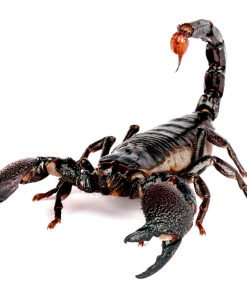
Scorpions for Sale
Scorpions for Sale
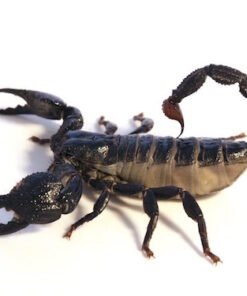
Scorpions for Sale
Reviews
There are no reviews yet.