

Poison Dart Frogs for Sale – Discover Colourful and Fascinating Amphibians
Explore our Poison Dart Frogs for Sale category and discover some of the most colourful and fascinating amphibians in the world. Known for their vivid patterns, compact bodies and intriguing natural behaviours, poison dart frogs are popular among amphibian enthusiasts who appreciate beautifully designed vivariums and unusual tropical species.
From electric blue and green-and-black patterns to striking yellow markings and vibrant strawberry-red colours, poison dart frogs display an extraordinary range of appearances.
Their small size, daytime activity and fascinating interactions with their surroundings make them particularly interesting animals to observe in a carefully maintained captive environment.
Our selection may include blue poison dart frogs, strawberry poison dart frogs, green-and-black poison dart frogs, bumblebee poison dart frogs and dyeing poison dart frogs, depending on availability.
Each species has its own characteristics, environmental requirements and care considerations, making it important to research the specific frog you intend to keep.
Whether you are an experienced amphibian keeper or planning your first planted vivarium, take time to compare the available species and understand their needs before purchasing. A suitable enclosure, stable environmental conditions, appropriate live food and responsible husbandry are essential for maintaining healthy poison dart frogs.
Frogs for Sale
Frogs for Sale
Frogs for Sale
Frogs for Sale
Frogs for Sale
Discover Different Types of Poison Dart Frogs for Sale
Poison dart frogs belong to the family Dendrobatidae and originate primarily from Central and South America. Many species inhabit tropical forests, where they live among leaf litter, vegetation and other sheltered areas of the forest floor.
Their striking colours and patterns are more than decorative features. In nature, bright coloration can serve as a warning to potential predators, signalling that an animal may be toxic or unpalatable.
In captivity, poison dart frogs are generally kept for observation rather than handling. Their interesting behaviours, bold markings and daytime activity make them especially appealing to enthusiasts who enjoy watching amphibians in naturalistic habitats.
Explore the different types of poison dart frogs below to learn more about their appearance and general characteristics.
Blue Poison Dart Frogs for Sale
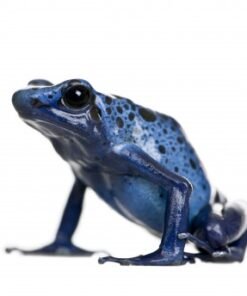
Blue poison dart frogs, commonly associated with the azureus form of Dendrobates tinctorius, are admired for their vivid blue bodies and contrasting dark markings. Their brilliant coloration makes them one of the most recognisable types of poison dart frogs.
These frogs are native to the tropical forests of South America and are adapted to humid environments with access to shelter and suitable ground-level habitats. In captivity, they benefit from a carefully designed vivarium with appropriate substrate, hiding places, vegetation and stable environmental conditions.
Blue poison dart frogs are primarily terrestrial, although they may explore different levels of their enclosure. Their feeding requirements generally involve small live invertebrates, such as appropriately sized fruit flies and springtails.
Their striking appearance and fascinating behaviour make blue poison dart frogs an attractive option for keepers interested in colourful amphibians. Before purchasing, ensure you can provide a suitable enclosure and maintain a consistent supply of appropriate feeder organisms.
Strawberry Poison Dart Frogs for Sale
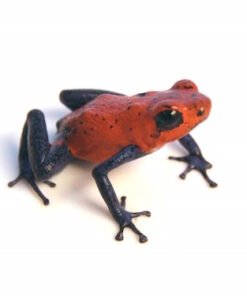
Strawberry poison dart frogs (Oophaga pumilio) are known for their remarkable colour variation. Depending on the population and locality, individuals can display red, orange, yellow, blue, green or contrasting combinations of colours.
Their relatively small size and striking appearance make them particularly interesting to amphibian enthusiasts. In their natural habitats, these frogs occupy humid forest environments and display fascinating reproductive behaviours.
Strawberry poison dart frogs have specialised breeding biology, including parental care behaviours that distinguish them from many other commonly kept frogs. Their dietary and environmental requirements should be researched carefully, particularly if you are interested in keeping or breeding this species.
A suitable enclosure should provide appropriate humidity, ventilation, shelter and access to small live food. As with other poison dart frogs, avoid unnecessary handling and maintain consistent hygiene practices.
If you are looking for a small amphibian with distinctive colours and fascinating natural behaviour, explore the available strawberry poison dart frogs and review their individual care requirements.
Green-and-Black Poison Dart Frogs for Sale
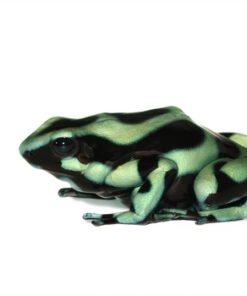
Green-and-black poison dart frogs (Dendrobates auratus) are recognised for their contrasting green and black patterns. Depending on the locality and individual, their markings may range from bright green patches to intricate stripes or irregular spots.
These frogs originate from Central America and parts of northern South America, where they inhabit humid tropical environments. Their adaptable appearance and interesting activity patterns make them a popular choice among enthusiasts interested in planted vivariums.
In captivity, green-and-black poison dart frogs need a secure enclosure with suitable ground-level space, hiding places, plants and environmental conditions appropriate to the species. Their diet typically consists of small live invertebrates, including fruit flies and springtails.
A carefully maintained vivarium allows keepers to observe their movement, feeding and other natural behaviours without disturbing them unnecessarily.
Explore our green-and-black poison dart frogs for sale to discover the available animals and learn more about their requirements.
Bumblebee Poison Dart Frogs for Sale
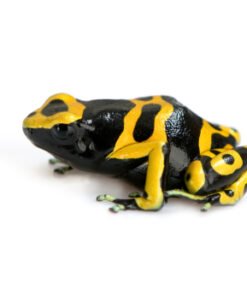
Bumblebee poison dart frogs (Dendrobates leucomelas) are famous for their vivid yellow-and-black markings, which resemble the warning colours of a bumblebee. Their bright appearance makes them particularly noticeable in a planted enclosure.
Native to parts of northern South America, these frogs inhabit tropical forest environments and are generally active during daylight hours. They can be interesting to observe as they explore their surroundings, search for food and interact with their environment.
Bumblebee poison dart frogs require an appropriately designed vivarium with stable temperatures, suitable humidity, good ventilation and plenty of sheltered areas. Their small live-food requirements also need to be considered before purchase, as a consistent supply of appropriately sized feeder insects is essential.
These frogs may appeal to keepers who appreciate bold patterns and active daytime behaviour. Research the needs of the species carefully and prepare the enclosure before introducing your new amphibian.
Dyeing Poison Dart Frogs for Sale
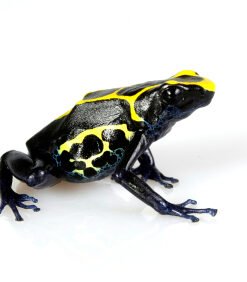
Dyeing poison dart frogs (Dendrobates tinctorius) display an impressive range of colours and patterns. Depending on their locality and captive-bred variety, individuals may feature combinations of blue, yellow, black, white and other contrasting colours.
Their distinctive appearance has made them popular among poison dart frog enthusiasts. Although often discussed under one species name, different localities can look remarkably different, so individual descriptions and photographs are useful when comparing available frogs.
Dyeing poison dart frogs are generally terrestrial and require suitable floor space, hiding areas, appropriate substrate and a carefully managed tropical environment. Their feeding routine usually centres on small live invertebrates, with suitable nutritional supplementation.
These frogs can be rewarding to observe in a well-designed vivarium, but they still require consistent care and should not be selected solely for their appearance.
Explore our available dyeing poison dart frogs to find out which colours and varieties are currently offered.
Explore Other Poison Dart Frog Species
The poison dart frog family contains a wide range of species beyond the best-known blue, strawberry, green-and-black, bumblebee and dyeing varieties.
Depending on availability, enthusiasts may encounter other dendrobatid frogs with distinctive colours, patterns and natural behaviours. Some species are particularly small, while others have contrasting markings or specialised reproductive behaviours.
When comparing different poison dart frogs, consider more than their colour. Their adult size, environmental requirements, activity patterns, feeding needs and compatibility with other individuals can vary.
Always verify the exact species and any locality information provided by the seller. This is particularly important when comparing similarly named frogs or animals with different care requirements.
Why Are Poison Dart Frogs So Colourful?
Poison dart frogs are famous for their vivid colours, which may include blue, yellow, red, orange, green and black. These patterns can help communicate a warning to potential predators in the wild.
Their coloration varies between species and, in some cases, between geographical populations. This diversity is one reason they attract so much interest among amphibian enthusiasts.
However, the name "poison dart frog" requires an important distinction. Some wild poison dart frogs accumulate toxic compounds from their natural diet, including particular ants, mites and other small arthropods. The toxins are obtained through dietary sources rather than simply being produced in the same way by every frog.
Captive-bred poison dart frogs raised on conventional captive diets generally do not possess the same toxin profiles as their wild counterparts. Nevertheless, never assume that an individual animal is harmless solely because it is captive-bred. Verify its origin, avoid unnecessary contact and follow appropriate hygiene procedures.
Their colours should be appreciated as a remarkable natural adaptation, not as an invitation to handle them.
Setting Up a Poison Dart Frog Vivarium
A well-planned vivarium is essential for poison dart frog welfare. These amphibians have specialised environmental requirements, and their small size does not mean that they are low-maintenance pets.
Before purchasing a frog, prepare an enclosure that provides appropriate shelter, temperature, humidity, ventilation and access to suitable food.
Choosing the Right Enclosure
Select an enclosure according to the species, number of frogs and expected adult size. Many poison dart frogs are predominantly terrestrial, so suitable ground-level space is important. Some species may also benefit from additional climbing opportunities and elevated foliage.
A naturalistic vivarium can include live plants, leaf litter, suitable substrate, branches, hiding places and areas where the frogs can retreat from view.
Ensure that the enclosure is secure and easy to maintain. Avoid overcrowding, and do not assume that different species or varieties can safely share the same habitat.
Temperature and Humidity
Poison dart frogs generally require carefully managed temperatures and humid conditions, but the exact requirements vary by species. Excessive heat can be particularly dangerous, so temperature control is essential.
Use reliable thermometers and humidity monitors to assess the enclosure rather than relying on estimates. Provide suitable ventilation alongside the required moisture levels, as an excessively stagnant environment can contribute to health and hygiene problems.
Research the recommended temperature range for your chosen species before setting up heating or lighting equipment. Avoid placing the vivarium where direct sunlight could cause dangerous temperature increases.
Substrate, Plants and Hiding Places
Appropriate substrate and furnishings help create a suitable environment for poison dart frogs. Leaf litter, suitable naturalistic substrates and live plants can provide shelter, improve the appearance of the vivarium and support natural behaviours.
A drainage layer and appropriate substrate system may help manage excess water in planted enclosures. However, the setup should be designed so that moisture does not accumulate in ways that compromise hygiene.
Provide enough hiding places for the frogs to feel secure. Plants and other furnishings should be selected with the enclosure's moisture levels and maintenance requirements in mind.
A well-designed habitat should balance naturalistic features with easy access for cleaning, feeding and routine inspection.
Lighting and Day-Night Cycles
Poison dart frogs are generally diurnal, meaning they are active during daylight hours. A consistent day-and-night cycle supports a regular activity pattern and helps maintain a suitable captive environment.
Lighting can also support live plant growth in planted vivariums. Depending on the species and setup, carefully selected low-level ultraviolet B lighting may be appropriate.
Avoid excessive heat from lighting equipment and provide sheltered areas where the frogs can move away from direct illumination. Choose equipment according to the requirements of the species rather than assuming every poison dart frog needs an identical setup.
Feeding Poison Dart Frogs
Feeding is one of the most important considerations when deciding whether to buy poison dart frogs. Their small size means they usually need appropriately sized live invertebrates rather than the larger prey items offered to many other pet frogs.
Fruit Flies and Springtails
Flightless fruit flies and springtails are commonly used as food for poison dart frogs. These small feeder organisms are suitable for many species and can provide a practical foundation for a regular feeding routine.
The size of the food should be appropriate for the individual frog. Young frogs and smaller species may require particularly tiny prey, so the available feeder types should be checked before purchasing an animal.
Other Suitable Feeder Invertebrates
Depending on the species and size of the frog, other small invertebrates may be appropriate. Isopods and certain other captive feeder organisms can be useful additions where suitable, although they should not automatically replace the species' main food sources.
A consistent supply of appropriate food is essential. Many keepers maintain feeder cultures to ensure that suitable prey is available when required.
Nutritional Supplementation
Small feeder insects may need suitable vitamin and mineral supplementation to support the frog's nutritional requirements. The appropriate supplement and frequency depend on the species, age, diet and husbandry setup.
Follow a reliable, species-specific feeding guide and avoid indiscriminate supplementation. A varied, appropriate diet combined with good environmental management helps support normal growth and overall health.
Before purchasing a poison dart frog, make sure you can maintain its food supply consistently. The ongoing effort involved in producing or obtaining tiny live feeder organisms is an important part of responsible ownership.
Are Poison Dart Frogs Suitable Pets?
Poison dart frogs can be fascinating animals for people who enjoy observing wildlife and maintaining planted tropical vivariums. Their bright colours, daytime activity and interesting behaviours make them particularly appealing to amphibian enthusiasts.
However, they are not ideal pets for everyone. Their environmental requirements need careful monitoring, and their food must be appropriately sized and consistently available.
Poison dart frogs are generally better suited to observation than routine handling. Their delicate skin can be damaged by inappropriate contact and may absorb harmful substances from contaminated hands or equipment.
They may be a suitable choice for a prepared beginner who has researched the species thoroughly, but prospective keepers should not mistake their small size for simple care requirements.
Before purchasing, ensure you have the necessary enclosure, monitoring equipment, feeder supplies and access to a qualified amphibian veterinarian.
Why Choose Captive-Bred Poison Dart Frogs?
Captive-bred poison dart frogs can be a responsible choice when obtained from a reputable source. Captive breeding can reduce demand for wild-collected animals and help support sustainable husbandry practices.
When purchasing, ask about the frog's origin, age or approximate size, feeding history and current condition. Captive-bred status should be confirmed rather than assumed.
Responsible sourcing is especially important for amphibians because many species face pressures from habitat loss, environmental changes and wildlife collection. Some species and populations may also be subject to conservation or trade regulations.
Check the legal requirements that apply to the species and your location before purchasing or transporting a frog.
Why Explore Our Poison Dart Frogs for Sale?
Our Poison Dart Frogs for Sale category is designed to help amphibian enthusiasts explore a fascinating selection of colourful frogs and compare the characteristics of different species.
- Striking colours and patterns: Discover frogs displaying vivid blue, yellow, red, green and black markings.
- Different species and varieties: Explore blue, strawberry, green-and-black, bumblebee and dyeing poison dart frogs, depending on availability.
- Interesting natural behaviours: Observe daytime activity, feeding behaviour and interactions with a carefully designed environment.
- Vivarium inspiration: Discover species that can be observed in suitable planted and naturalistic enclosures.
- Informed purchasing: Review species-specific care requirements and prepare an appropriate habitat before bringing a frog home.
- Responsible ownership: Prioritise suitable sourcing, correct nutrition and long-term welfare.
Always review individual product listings for current availability and specific animal information. Confirm any seller-provided guarantees, shipping arrangements and return or arrival policies before placing an order.
Frequently Asked Questions About Poison Dart Frogs for Sale
What are poison dart frogs?
Poison dart frogs are a group of colourful amphibians in the family Dendrobatidae, native primarily to Central and South America. They are known for their vivid markings, daytime activity and specialised natural behaviours.
Which poison dart frogs are available for sale?
Depending on availability, the selection may include blue poison dart frogs, strawberry poison dart frogs, green-and-black poison dart frogs, bumblebee poison dart frogs and dyeing poison dart frogs. Check the current product listings for the latest selection.
Are poison dart frogs poisonous in captivity?
Captive-bred poison dart frogs raised on conventional captive diets generally do not develop the same toxic profiles as wild individuals, which can accumulate toxins from particular prey organisms. However, never assume an individual frog is harmless based only on its appearance or claimed captive-bred status. Avoid unnecessary handling and follow appropriate hygiene precautions.
Are poison dart frogs suitable for beginners?
They may be suitable for prepared beginners who have researched their needs and established an appropriate vivarium. However, they require careful temperature and humidity management, suitable live food and regular enclosure maintenance. Their care requirements should be understood before purchase.
What do poison dart frogs eat?
Many poison dart frogs eat small live invertebrates, including flightless fruit flies and springtails. Other suitable feeder organisms may be used depending on the species. Food size and nutritional supplementation should be appropriate for the individual animal.
Do poison dart frogs need a planted vivarium?
A well-designed planted vivarium can provide suitable shelter, naturalistic furnishings and environmental structure. Live plants are commonly used, but the enclosure must still meet the specific frog's requirements for space, temperature, humidity, ventilation and hygiene.
How much humidity do poison dart frogs need?
Humidity requirements vary by species. Many need consistently humid conditions, but excessive moisture without adequate ventilation can create problems. Use monitoring equipment and follow reliable guidance for the exact species you intend to keep.
Can poison dart frogs be handled?
Poison dart frogs are generally best kept as observation animals rather than handled regularly. Their delicate skin can be harmed by contaminants and inappropriate contact. Avoid unnecessary handling, and follow suitable hygiene procedures when maintenance or veterinary care makes contact necessary.
Can different poison dart frog species live together?
Keeping different species together is generally discouraged unless an experienced amphibian specialist confirms that a specific arrangement is appropriate. Risks include disease transmission, competition, incompatible requirements and potential hybridisation in some circumstances. Research compatibility carefully and prioritise the welfare of each animal.
How long do poison dart frogs live?
Lifespan varies by species, genetics and quality of care. Some poison dart frogs can live for many years in captivity, so prospective owners should consider the long-term commitment involved in maintaining suitable housing, food supplies and veterinary care.
What should I prepare before buying a poison dart frog?
Prepare a secure vivarium with appropriate substrate, hiding places, temperature and humidity monitoring equipment, suitable lighting where required, clean water and a reliable supply of appropriate live food. Confirm that you understand the frog's environmental needs and can access suitable veterinary care.
Find Your Ideal Poison Dart Frog
Explore our Poison Dart Frogs for Sale category to discover colourful amphibians with distinctive patterns, fascinating behaviours and specialised adaptations. From blue poison dart frogs and strawberry poison dart frogs to bumblebee and dyeing varieties, compare the available species and learn what makes each one unique.
Responsible poison dart frog keeping begins with informed species selection, a properly prepared vivarium, suitable nutrition and consistent attention to animal welfare. Research the individual frog's needs before purchasing and choose an animal you can care for throughout its life.
Browse the current listings to discover the available poison dart frogs and take the next step towards creating a suitable environment for these remarkable amphibians.