

Discover Our Tree Frogs for Sale
Explore our selection of tree frogs for sale and discover a fascinating variety of arboreal amphibians known for their climbing abilities, distinctive colours and captivating behaviours.
From the popular White’s tree frog to the striking red-eyed tree frog and unusual mossy tree frog, these remarkable animals offer something special for amphibian enthusiasts interested in creating naturalistic habitats.
Tree frogs are adapted to life above the ground, spending much of their time on branches, leaves and other vegetation. Many species have specialised toe pads that help them grip smooth surfaces, while their varied colours and patterns provide camouflage or make them stand out in their natural environments.
Our Tree Frogs for Sale category brings together a range of species from different parts of the world. Depending on availability, you may find White’s tree frogs, green tree frogs, red-eyed tree frogs, Amazon milk frogs, glass tree frogs, mossy tree frogs, waxy monkey tree frogs and other fascinating varieties.
Whether you are an experienced amphibian keeper or researching your first pet frog, it is important to select a species whose care requirements match your experience and available setup.
Tree frogs need appropriate vertical space, secure climbing structures, carefully managed temperature and humidity, and a consistent supply of suitable food. Browse the available listings to compare species, explore their unique characteristics and learn about the conditions they need to thrive in captivity.
Frogs for Sale
Frogs for Sale
Frogs for Sale
Frogs for Sale
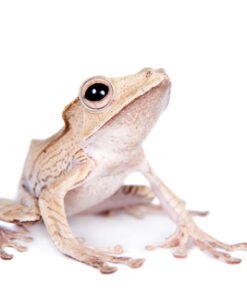
Frogs for Sale
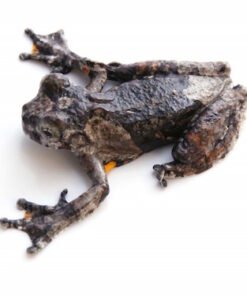
Frogs for Sale
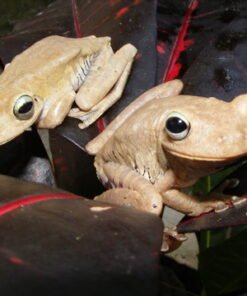
Frogs for Sale
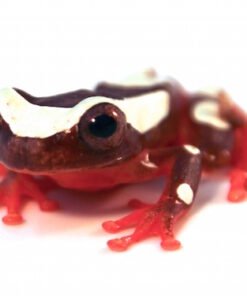
Frogs for Sale
Frogs for Sale
Frogs for Sale
Explore Different Types of Tree Frogs for Sale
Tree frogs vary considerably in size, appearance, activity levels and environmental requirements. Some are relatively robust and commonly kept in captivity, while others have specialised needs that require additional research and preparation.
White's Tree Frogs for Sale
White's tree frogs (Litoria caerulea), also known as Australian green tree frogs or dumpy tree frogs, are among the best-known species in the amphibian hobby. They are recognised for their rounded bodies, broad heads, smooth appearance and generally calm behaviour when properly cared for.
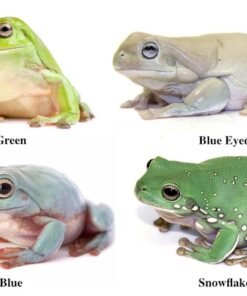
Their colour can range from green to bluish shades, and captive-bred varieties may display distinctive features such as blue eyes or pale, snowflake-like markings. These differences make White's tree frogs particularly appealing to enthusiasts interested in comparing colour morphs.
White's tree frogs are native to Australia and parts of New Guinea. They are arboreal but may also spend time on the ground, especially when moving between resting places or searching for food.
In captivity, they require a secure enclosure with suitable climbing branches, sturdy plants, hiding places and an appropriate temperature gradient. Their skin needs suitable moisture levels, but excessive humidity without adequate ventilation should be avoided.
White's tree frogs can be a suitable option for prepared beginners, provided their adult size, feeding needs and long-term care requirements are understood.
Snowflake White's Tree Frogs for Sale
Snowflake White's tree frogs are colour varieties of Litoria caerulea distinguished by pale markings across the body. The appearance and distribution of these markings can vary between individuals.
These frogs share the general husbandry requirements of other White's tree frogs, including suitable climbing opportunities, secure housing, clean water and appropriate environmental conditions.
When comparing snowflake varieties, review the individual listing to understand the animal's appearance, size and available background information. Colour patterns alone should not determine your choice; a suitable habitat and responsible long-term care are equally important.
Blue-Eyed White's Tree Frogs for Sale
Blue-eyed White's tree frogs are a striking variety of Litoria caerulea, recognised for their contrasting eye colour and attractive body tones.
Like other White's tree frogs, they benefit from a well-designed arboreal enclosure with secure branches, sheltered resting areas and enough space to move comfortably. Their diet generally consists of appropriately sized live insects, with feeding frequency adjusted to their age and body condition.
These frogs are worth considering if you appreciate distinctive colour features in a familiar tree frog species. Always confirm the characteristics of the individual animal rather than assuming every specimen displays identical markings.
Red-Eyed Tree Frogs for Sale
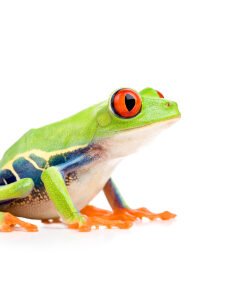
Red-eyed tree frogs (Agalychnis callidryas) are famous for their vivid red eyes, bright green bodies and contrasting blue, yellow or orange markings. Their striking appearance makes them among the most recognisable tropical amphibians.
Native to Central America and parts of southern Mexico, these frogs are adapted to humid forest environments. They are predominantly arboreal and benefit from an enclosure with vertical space, sturdy foliage, climbing opportunities and suitable resting areas.
Red-eyed tree frogs often display their brightest colours when active, although their appearance can vary with lighting, activity and individual characteristics. They are generally nocturnal, so their behaviour may be most noticeable during the evening or night.
Their care requires careful management of temperature, humidity and ventilation. They also need small, appropriately sized live insects and a suitable day-and-night cycle.
Red-eyed tree frogs can be rewarding to observe, but their environmental requirements should be researched thoroughly before purchase.
Green Tree Frogs for Sale
Green tree frogs are a broad common-name group that includes several species. In the pet trade, the American green tree frog (Dryophytes cinereus, formerly Hyla cinerea) is a familiar example, recognised for its green colouring and relatively slender body.
These frogs are associated with vegetation near wetlands, ponds and other moist habitats. Their climbing abilities allow them to rest on leaves, stems and branches, where they can remain concealed while waiting for prey.
A suitable enclosure should provide secure climbing structures, foliage, hiding places and environmental conditions appropriate to the species. Their diet generally consists of small live insects.
Before purchasing a green tree frog, check the scientific name in the product listing. Common names can refer to different species, and their adult sizes and care requirements may differ.
Amazon Milk Frogs for Sale
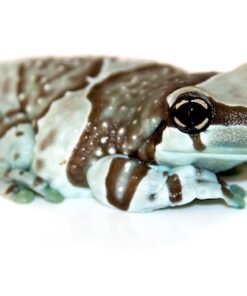
Amazon milk frogs (Trachycephalus resinifictrix) are attractive arboreal amphibians native to the Amazon region of South America. They are known for their contrasting dark-and-light patterns, textured skin and distinctive appearance.
These frogs are adapted to humid forest environments and benefit from an enclosure with climbing branches, sturdy plants and elevated resting places. Their habitat should provide suitable humidity while maintaining sufficient ventilation and stable temperatures.
Amazon milk frogs generally eat appropriately sized live insects, with feeding routines adjusted to the individual's age and condition. Access to clean water and suitable hiding places is also important.
Their bold markings and interesting climbing behaviour make them appealing to enthusiasts who enjoy observing tropical amphibians in a planted vivarium.
Mossy Tree Frogs for Sale
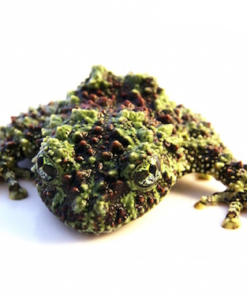
Mossy tree frogs, including the Vietnamese mossy frog (Theloderma corticale), are remarkable amphibians known for their rough, textured skin and mottled green and brown patterns. Their appearance resembles moss-covered vegetation, providing effective camouflage in their natural habitat.
These frogs are associated with humid forest environments and often use sheltered areas around rocks, vegetation and water. Their unusual appearance makes them particularly interesting to experienced amphibian enthusiasts.
In captivity, mossy tree frogs require a carefully designed enclosure with appropriate moisture levels, hiding places and suitable temperature conditions. Depending on the setup and species, access to water may be an important part of their habitat.
Their care should be researched in detail before purchase, particularly because humidity, ventilation and enclosure design need to work together to maintain suitable conditions.
Glass Tree Frogs for Sale
Glass frogs are famous for their translucent skin, particularly on the underside of the body, where internal structures may be visible in some species. Many are associated with Central and South American rainforests and spend much of their time on vegetation near streams.
Their delicate appearance and distinctive natural adaptations make them fascinating subjects for observation. However, glass frogs may have more specialised environmental requirements than commonly kept tree frog species.
A suitable habitat must reflect the exact species' needs for humidity, temperature, ventilation, vegetation and, where relevant, proximity to suitable aquatic conditions.
Glass frogs should not be selected solely for their unusual appearance. Prospective keepers should confirm the identity of the species and establish that reliable husbandry guidance and appropriate food are available.
Waxy Monkey Tree Frogs for Sale
Waxy monkey tree frogs, including the waxy monkey leaf frog (Phyllomedusa sauvagii), are unusual arboreal amphibians known for their elongated limbs, distinctive eyes and specialised skin adaptations.
Unlike many frogs associated with continuously wet environments, some waxy monkey tree frogs have adaptations that help reduce water loss. Their husbandry requirements can therefore differ from those of other tropical tree frogs.
A suitable enclosure should provide climbing opportunities, secure resting places and environmental conditions appropriate to the exact species. Their feeding requirements, moisture needs and preferred temperature range should be researched before purchase.
These frogs are particularly interesting to keepers who want to learn about the diversity of adaptations found among arboreal amphibians.
Grey Tree Frogs for Sale
Grey tree frogs, including Dryophytes versicolor, are North American amphibians known for their ability to change appearance between grey, brownish and greenish tones. This colour variation can help them blend into different surroundings.
They are capable climbers and often use trees, shrubs and other vegetation for shelter. Their natural activity patterns and calls can make them interesting to observe in a suitable captive environment.
Grey tree frogs need an enclosure with secure climbing structures, hiding places, clean water and temperature conditions appropriate to the species. Their diet generally consists of suitable live insects.
Before purchasing, check the animal's identity and legal requirements for ownership, particularly if the species is native to or regulated in your location.
White-Lipped Tree Frogs for Sale
White-lipped tree frogs (Litoria infrafrenata) are large arboreal amphibians recognised by the pale line along the lower lip, which gives the species its common name.
Their size and climbing behaviour make them particularly impressive compared with smaller tree frogs. They require a spacious, secure enclosure with sturdy branches, suitable resting places and enough vertical space to move comfortably.
Their environmental needs, adult size and feeding requirements should be researched carefully before purchase. A juvenile may appear manageable in a small enclosure, but its long-term housing needs must be considered from the beginning.
White-lipped tree frogs are best suited to keepers who can provide appropriate space and maintain the environmental conditions required by a larger arboreal species.
Clown Tree Frogs for Sale
Clown tree frogs, including Dendropsophus ebraccatus, are small tropical amphibians with distinctive patterns and interesting natural behaviours.
Their relatively small size means they require appropriately sized food and careful attention to enclosure details. Suitable vegetation, hiding places, humidity management and a reliable supply of tiny live feeder insects are important considerations.
Clown tree frogs may appeal to experienced enthusiasts interested in smaller tropical species. Before purchasing, research the exact animal's adult size, feeding requirements and preferred environmental conditions.
Other Unusual Tree Frogs for Sale
Our Tree Frogs for Sale category may also feature golden tree frogs, barking tree frogs, squirrel tree frogs, spring peepers, Borneo eared tree frogs, marbled tree frogs, tiger-leg tree frogs and other unusual species, depending on availability.
These amphibians display a remarkable range of adaptations. Some have distinctive calls, others rely on camouflage, and many are adapted to particular vegetation types or environmental conditions.
Their care requirements vary considerably, so it is important to research the exact species rather than assuming all tree frogs need identical housing or humidity levels.
Explore the current listings to discover available species and compare their individual characteristics before making a selection.
Why Choose Tree Frogs?
Tree frogs are fascinating amphibians because of their specialised adaptations for climbing and living among vegetation. Their toe pads, varied body shapes and different activity patterns allow them to occupy habitats ranging from tropical rainforests to temperate woodland and wetlands.
Depending on the species, tree frogs may display bright colours, subtle camouflage, unusual skin textures or distinctive calls. These characteristics make them engaging animals to observe in a carefully maintained enclosure.
They can also help keepers learn about amphibian biology, environmental adaptation and the importance of maintaining stable captive habitats.
However, tree frogs are not decorative accessories. They are living animals with specific environmental and nutritional requirements, and their welfare should always come before appearance or convenience.
How to Choose the Right Tree Frog
Choosing the right tree frog involves considering the animal's care requirements alongside your own experience and available facilities.
Before purchasing, consider the following factors:
- Experience level: Some commonly kept tree frogs have well-established care guidance, while others require more specialised knowledge.
- Adult size: Choose an enclosure that accommodates the frog's expected adult size and climbing behaviour.
- Environmental conditions: Check the species' temperature, humidity, ventilation and lighting requirements.
- Feeding needs: Make sure you can consistently obtain appropriately sized live food.
- Activity patterns: Consider whether you prefer a species that is active during the day, evening or night.
- Handling tolerance: Most tree frogs are best observed rather than handled frequently.
- Long-term commitment: Research the expected lifespan and ongoing costs of food, equipment and veterinary care.
- Legal requirements: Check applicable wildlife ownership, importation and transport rules before purchasing.
If you are new to amphibian keeping, consider a species with reliable care information and an established captive-care history. More unusual species may require specialist equipment or access to a veterinarian experienced with amphibians.
Essential Tree Frog Care Requirements
Although individual species differ, responsible tree frog care depends on providing an appropriate enclosure, stable environmental conditions, suitable food and good hygiene.
Enclosure and Climbing Space
Most tree frogs benefit from an enclosure with adequate vertical space, secure branches and suitable foliage. The exact dimensions should reflect the species' adult size, activity levels and social requirements.
Provide secure hiding places and resting areas where the frog can feel protected. Plants and branches should be arranged so the animal can climb safely without being trapped or exposed to hazards.
A secure lid is essential because tree frogs can climb and escape through surprisingly small gaps. Avoid overcrowding and house different species separately unless a specialist confirms that a particular arrangement is appropriate.
Temperature and Humidity
Tree frogs are ectothermic, meaning their body temperature is influenced by their environment. Appropriate temperatures are important for normal activity, digestion and overall health.
Humidity requirements vary by species. Tropical frogs may need relatively humid conditions, while other species require more variable moisture levels and greater ventilation.
Use reliable thermometers and humidity monitors to assess the enclosure regularly. Do not assume that keeping the habitat constantly wet is suitable for every tree frog.
Heating equipment should be controlled safely, and the enclosure should be protected from excessive heat, direct sunlight and sudden environmental changes.
Lighting and Day-Night Cycles
A consistent day-and-night cycle helps establish a suitable routine for captive tree frogs. Lighting can also support the growth of live plants in a naturalistic vivarium.
Some species may benefit from appropriately selected low-level ultraviolet B lighting, depending on their natural history and captive setup. Research the specific requirements of the species before choosing lighting equipment.
Provide shaded areas and avoid excessive heat from lamps. A suitable lighting arrangement should support the frog's welfare without compromising temperature or humidity.
Feeding and Nutrition
Most commonly kept tree frogs eat live insects and other suitable invertebrates. Depending on the species and size, food may include appropriately sized crickets, roaches, flies and other feeder organisms.
Smaller frogs require smaller prey, so the availability of suitable feeder insects should be confirmed before purchasing a species. Feeding frequency should be adjusted to the frog's age, body condition and activity level.
Nutritional supplementation may be necessary to provide appropriate vitamins and minerals. Follow a reliable species-specific feeding guide rather than using the same feeding schedule for every frog.
Remove uneaten prey when necessary and avoid overfeeding, which can contribute to weight-related health problems.
Clean Water and Hygiene
Clean water is essential for tree frog welfare. Because amphibians have permeable skin, they can be sensitive to contaminants, cleaning products and unsuitable water conditions.
Provide water appropriate to the species and treat it as necessary to remove harmful substances. Water bowls should be easy to access and cleaned regularly.
Maintain good enclosure hygiene by removing waste and uneaten food, cleaning equipment appropriately and preventing excessive accumulation of stagnant water.
When introducing a new frog into an existing collection, use suitable quarantine and hygiene precautions to reduce the risk of disease transmission.
Handling and General Welfare
Tree frogs are generally best kept as observation animals rather than handled frequently. Their skin is delicate and may absorb harmful residues from soaps, lotions or contaminated surfaces.
Avoid unnecessary handling and allow newly acquired frogs time to settle into their enclosure. When contact is necessary for essential care or veterinary assessment, follow appropriate hygiene procedures and species-specific guidance.
Monitor the frog's appetite, activity, skin condition and general behaviour. Seek advice from a qualified amphibian veterinarian if you notice persistent appetite loss, abnormal skin changes, breathing difficulties or unexplained weight loss.
Why Explore Our Tree Frogs for Sale?
Our Tree Frogs for Sale category offers an opportunity to discover a diverse range of arboreal amphibians, from familiar pet species to unusual frogs with distinctive appearances and specialised adaptations.
- A diverse selection: Explore White's tree frogs, red-eyed tree frogs, green tree frogs, Amazon milk frogs and other species, depending on availability.
- Distinctive colours and patterns: Compare different colour morphs, natural markings and unusual skin textures.
- Interesting natural behaviours: Discover climbing, feeding and resting behaviours that make tree frogs fascinating to observe.
- Vivarium inspiration: Explore species that can be maintained in suitable planted or naturalistic enclosures.
- Informed selection: Review individual product listings and research the care requirements before purchasing.
- Responsible ownership: Prepare appropriate housing, food supplies and environmental monitoring equipment before bringing a frog home.
Captive-bred animals may be a good option when available because their origin and feeding history can be easier to establish. Always confirm the information provided for the individual frog and avoid assuming that every species has the same captive history.
Frequently Asked Questions About Tree Frogs for Sale
What types of tree frogs are available for sale?
Depending on current availability, the selection may include White's tree frogs, red-eyed tree frogs, green tree frogs, Amazon milk frogs, mossy tree frogs, glass tree frogs, waxy monkey tree frogs, grey tree frogs and other arboreal species. Check the current product listings for available animals.
Are tree frogs suitable for beginners?
Some tree frogs, including White's tree frogs, may be suitable for prepared beginners who understand their care requirements. Other species have more specialised environmental or feeding needs. Research the exact species before purchasing and make sure you can maintain the required conditions consistently.
What do tree frogs eat?
Most commonly kept tree frogs eat appropriately sized live insects, such as crickets, roaches and flies. Smaller species may need tiny feeder organisms. Feeding frequency and nutritional supplementation should be adjusted to the species, age and body condition.
Do tree frogs need a tall enclosure?
Many tree frogs benefit from vertical space because they spend much of their time climbing. The appropriate enclosure dimensions depend on the species, its adult size and its natural behaviour.
What temperature do tree frogs need?
Temperature requirements vary by species and natural habitat. Tropical tree frogs generally need suitable warmth, but excessive heat can be dangerous. Research the recommended temperature range for the specific frog and monitor conditions using reliable equipment.
Do tree frogs need high humidity?
Many tree frogs require humid conditions, but the exact humidity level varies. Adequate ventilation is also important, and keeping an enclosure constantly wet is not appropriate for every species.
Can different tree frog species live together?
Keeping different species together is generally discouraged unless a qualified amphibian specialist confirms that the specific combination is appropriate. Differences in environmental needs, size, disease susceptibility and behaviour can create welfare risks.
How long do tree frogs live?
Lifespan varies by species, genetics and quality of care. Some tree frogs live for several years, while others can live for well over a decade. Research the expected lifespan of your chosen species before purchasing.
Can tree frogs be handled?
Tree frogs are generally better suited to observation than frequent handling. Their skin is delicate and can be affected by contaminants and inappropriate contact. Avoid unnecessary handling and follow suitable hygiene practices whenever contact is required.
What should I prepare before buying a tree frog?
Prepare a secure enclosure with suitable climbing structures, hiding places, appropriate substrate, temperature and humidity monitoring equipment, clean water and a reliable supply of suitable live food. Confirm that you understand the species' needs before bringing it home.
Are captive-bred tree frogs a good choice?
Captive-bred tree frogs can be a responsible option when obtained from a reputable source. Ask about the animal's origin, feeding history and current condition. Also check applicable legal requirements, particularly for species subject to wildlife-trade restrictions.
Find Your Ideal Tree Frog
Discover the fascinating world of arboreal amphibians with our Tree Frogs for Sale category. From White's tree frogs and red-eyed tree frogs to Amazon milk frogs, mossy tree frogs and other unusual species, explore the available selection and learn what makes each frog unique.
Before making a purchase, research the species carefully, prepare a suitable enclosure and ensure that you can provide appropriate nutrition and consistent environmental conditions. Responsible preparation is essential for supporting a healthy, long-term life in captivity.
Browse our current tree frog listings to compare available species and find an amphibian that matches your interests, experience and ability to provide proper care.