

Turtles for Sale – Discover a Fascinating Variety of Pet Turtles
Welcome to our collection of Turtles for Sale, where you can explore a diverse range of freshwater turtles known for their distinctive shells, fascinating behaviours and remarkable adaptations.
From colourful Red-Eared Sliders and Yellow-Bellied Sliders to unusual Mata Mata Turtles, elegant Map Turtles and distinctive Musk Turtles, there are many species to discover.
Turtles belong to the reptile order Testudines and inhabit a wide range of environments, including rivers, ponds, lakes, wetlands and forest habitats.
Although many species spend much of their lives in water, others are semi-aquatic or spend considerable time on land. Their shells, specialised limbs and varied feeding behaviours make them fascinating animals for reptile enthusiasts.
Whether you are an experienced turtle keeper or researching your first pet, choosing the right species starts with understanding its individual requirements.
Turtles need appropriate housing, suitable water quality or terrestrial conditions, controlled temperatures, proper lighting and a balanced diet. Many species also live for decades, making them a long-term responsibility rather than a short-term pet.
Our Turtles for Sale category brings together a variety of species to help you explore their different characteristics, habitats and care requirements.
Depending on availability, you may discover captive-bred hatchlings, juvenile turtles and other specimens with distinctive markings, colours and shell patterns.
Browse the available listings to compare species, learn about their individual needs and find a turtle that matches your experience, facilities and commitment to responsible animal care.
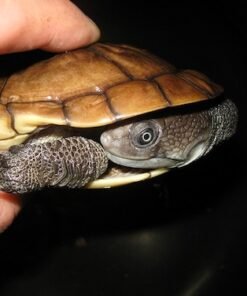
Turtles for Sale
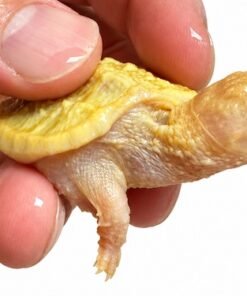
Turtles for Sale
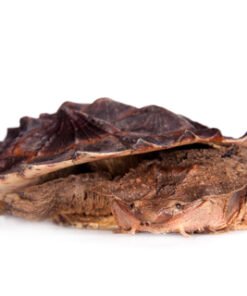
Turtles for Sale
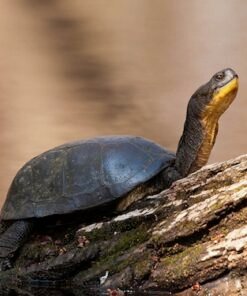
Turtles for Sale
Turtles for Sale
Turtles for Sale
Turtles for Sale
Turtles for Sale
Turtles for Sale
Turtles for Sale
Turtles for Sale
Turtles for Sale
Explore Our Turtles for Sale
Turtles vary considerably in adult size, habitat preferences, feeding behaviour and environmental requirements. Some are active swimmers that need spacious aquatic enclosures, while others prefer shallow water, accessible land areas or more specialised habitats.
Depending on availability, our collection may include the following turtle species and groups.
Red-Eared Sliders for Sale
Red-Eared Sliders (Trachemys scripta elegans) are among the best-known freshwater turtles in the pet trade. They are recognised by the red markings behind their eyes, olive-green shells and distinctive striped skin.
These turtles are primarily aquatic and are often observed swimming, exploring their surroundings and climbing onto basking platforms. Their attractive appearance and active behaviour make them interesting to observe in a properly maintained habitat.
Red-Eared Sliders require a spacious aquatic enclosure with effective filtration, suitable water temperatures, an accessible dry basking area and appropriate UVB lighting. Their diet should be balanced and species-appropriate, typically incorporating suitable commercial turtle food alongside other recommended foods.
Although hatchlings are small, adults can grow considerably larger and require substantial space. Before purchasing a Red-Eared Slider, consider its expected adult size, lifespan, filtration needs and the legal restrictions that may apply in your location.
Yellow-Bellied Sliders for Sale
Yellow-Bellied Sliders (Trachemys scripta scripta) are freshwater turtles known for their yellow plastrons, striped skin and olive-coloured shells. Yellow markings on the head and neck contribute to their distinctive appearance.
These turtles are active swimmers and need an aquatic environment with sufficient swimming space, clean water, suitable heating and a dry basking platform. Appropriate UVB lighting is also important for supporting normal calcium metabolism and shell development.
Yellow-Bellied Sliders are generally omnivorous, with dietary requirements changing as they grow. A suitable feeding plan should provide balanced nutrition without excessive feeding.
As with other slider turtles, their future size and long-term housing requirements should be considered before purchase.
Painted Turtles for Sale
Painted Turtles (Chrysemys picta) are admired for their colourful markings, which may include red, orange and yellow patterns along the shell and limbs.
Several recognised subspecies exist, including Eastern, Western and Southern Painted Turtles. Their appearance can vary according to their subspecies and individual characteristics.
Painted Turtles are primarily aquatic and require an appropriately sized enclosure with clean water, effective filtration, a secure basking platform and suitable heating and UVB lighting. Their diet commonly includes a mixture of appropriate animal-based foods, aquatic vegetation and formulated turtle food.
Their active swimming behaviour makes adequate water volume particularly important. Research the requirements of the exact subspecies before purchasing.
Map Turtles for Sale
Map Turtles, belonging to the genus Graptemys, are recognised for the intricate lines and markings on their shells, which often resemble the contours of a geographical map.
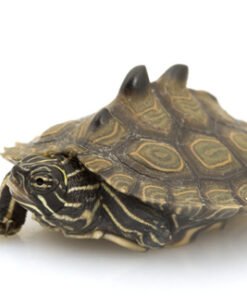
Species such as Mississippi Map Turtles and Black-Knobbed Map Turtles have distinctive shell patterns and striped skin. Their appearance and adult size vary between species.
Many Map Turtles are associated with rivers and other flowing freshwater environments. In captivity, they need clean water, effective filtration, appropriate swimming space and accessible basking areas.
Some species have particular dietary preferences and may be more demanding than commonly kept slider turtles. Their environmental requirements, adult size and feeding needs should be researched before purchase.
Mud Turtles for Sale
Mud Turtles belong to several groups of freshwater turtles, including species in the genus Kinosternon. They are often recognised by their relatively small size, rounded or oval shells and preference for shallow-water habitats.
Examples include Three-Striped Mud Turtles and Mississippi Mud Turtles. Their shell colours and markings vary according to species.
Many Mud Turtles spend considerable time in shallow water or exploring the bottom of their habitat rather than swimming continuously in deep water. Their enclosures should provide suitable aquatic space, accessible resting areas, hiding places and appropriate water quality.
Their diets may include aquatic invertebrates, insects, molluscs and other suitable foods, depending on the species. Choose an enclosure and feeding routine based on the exact turtle rather than assuming that all freshwater turtles have identical needs.
Musk Turtles for Sale
Musk Turtles are small freshwater turtles belonging to the genus Sternotherus. They are known for their compact shells, distinctive appearance and primarily aquatic lifestyles.
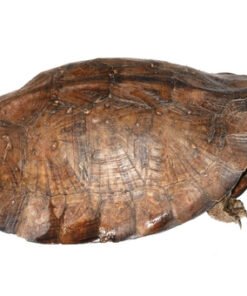
Popular examples include the Common Musk Turtle and Razor-Backed Musk Turtle. The latter has a prominent ridge along the centre of its shell, giving it a distinctive profile.
Musk Turtles generally need an aquatic enclosure with suitable water depth, effective filtration, accessible resting places and appropriate heating. Depending on the species and individual, they may spend more time exploring the bottom of the enclosure than swimming near the surface.
They commonly consume animal-based foods such as aquatic invertebrates and other suitable prey, although their precise dietary requirements vary. Provide secure resting and climbing opportunities where appropriate, particularly in habitats designed for smaller or less confident swimmers.
Research the adult size and husbandry needs of your chosen Musk Turtle before purchasing.
Box Turtles for Sale
Box Turtles are a group of turtles known for their highly domed shells and, in many species, a hinged plastron that allows them to close the shell for protection.
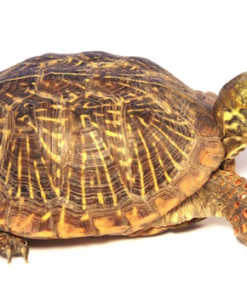
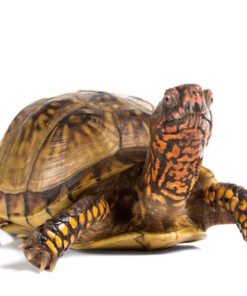
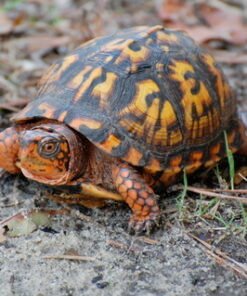
Examples include Eastern Box Turtles, Three-Toed Box Turtles and Ornate Box Turtles. Their shell patterns, colours and habitat preferences vary between species.
Unlike many commonly kept aquatic turtles, box turtles are primarily terrestrial or semi-terrestrial. They need a habitat that provides appropriate land space, suitable substrate, hiding places, access to clean water and carefully managed temperature and humidity.
Many box turtles are omnivorous, and their diets can include suitable invertebrates, plant matter and other species-appropriate foods. Their nutritional needs should be researched carefully.
Box turtles may be sensitive to unsuitable environmental conditions, and some have specialised humidity requirements. They are not simply aquatic turtles that can be maintained in a conventional aquarium.
Before purchasing a box turtle, confirm its species, adult size, legal status and environmental needs.
Softshell Turtles for Sale
Softshell Turtles are distinctive freshwater turtles with flattened bodies, elongated snouts and shells that lack the hard, prominent scutes typical of many other turtles.
Examples include the Florida Softshell Turtle and Spiny Softshell Turtle. Their streamlined appearance reflects adaptations for an aquatic lifestyle.
Softshell Turtles often require spacious aquatic enclosures with clean, well-maintained water and suitable sandy or soft substrate, depending on the species. They can be sensitive to poor water quality and may need more specialised care than many beginner keepers expect.
Their diets commonly include animal-based foods such as suitable invertebrates, fish or other appropriate prey. Feeding should follow species-specific guidance.
Some Softshell Turtles can be defensive and may bite when frightened or handled. Their specialised habitat requirements and potential temperament make careful research essential before purchase.
Cooter Turtles for Sale
Cooter Turtles belong to the genus Pseudemys and include several freshwater species recognised for their relatively large shells, striped skin and often herbivorous feeding habits.
Examples include Peninsula Cooters, Rio Grande Cooters and Florida Red-Bellied Turtles. Depending on the species, their shells may display attractive patterns and colours.
Cooter Turtles are primarily aquatic and require substantial swimming space, clean water, suitable filtration and an accessible basking area. Their adult size can make them unsuitable for small aquariums.
Many Cooters consume considerable amounts of aquatic vegetation, although their dietary needs vary by species and age. A balanced diet should be developed around their natural feeding habits and appropriate nutritional guidance.
Consider their future size, enclosure requirements and long-term maintenance costs before purchasing a Cooter Turtle.
Sideneck Turtles for Sale
Sideneck Turtles are a diverse group of turtles recognised for their distinctive method of withdrawing their heads sideways beneath the edge of the shell rather than pulling them straight back.
Species may include African Hinge Sideneck Turtles, Pink-Bellied Sideneck Turtles and New Guinea Sideneck Turtles. Their appearance, adult size and habitat requirements vary significantly.
Many sideneck turtles are aquatic or semi-aquatic and require appropriate water conditions, suitable basking or resting areas and secure enclosures. Some species have particular temperature and humidity requirements.
Their diets may include suitable invertebrates, aquatic prey, commercial turtle foods and other species-appropriate foods. Exact requirements should be confirmed for the individual species.
Because the group includes turtles from different regions and habitats, a single care routine is not appropriate for every sideneck turtle. Research the exact species before purchasing.
Snapping Turtles for Sale
Snapping Turtles are robust freshwater turtles known for their powerful jaws, large heads and distinctive appearance. Examples include the Common Snapping Turtle and certain recognised regional forms.
These turtles can become substantial animals and require secure, spacious aquatic habitats with suitable water quality, appropriate temperatures and areas where they can rest.
Snapping Turtles are generally carnivorous or predominantly animal-eating, with diets that may include suitable aquatic prey and other species-appropriate foods. Their feeding and housing requirements should be planned around their eventual size.
Their powerful jaws and defensive behaviour make them unsuitable for casual handling. Experienced keepers must take appropriate precautions when maintaining these animals.
Before considering a Snapping Turtle, check its adult size, specialist care requirements and legal restrictions. Ownership may be restricted or prohibited in some jurisdictions.
Mata Mata Turtles for Sale
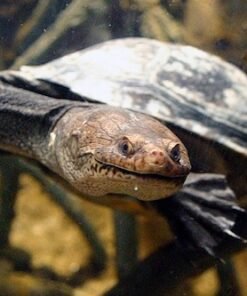
Mata Mata Turtles (Chelus fimbriata) are among the most unusual-looking freshwater turtles. Their flattened heads, fringed skin, textured shells and leaf-like appearance help them blend into their natural aquatic surroundings.
Native to parts of South America, they are specialised aquatic predators with distinctive feeding behaviour. Their unusual appearance makes them particularly interesting to experienced turtle enthusiasts.
Mata Mata Turtles require carefully managed aquatic habitats with appropriate water conditions, suitable temperatures and enough space to accommodate their adult size. Their feeding requirements are specialised and should be researched thoroughly before purchase.
They are not generally suitable for inexperienced keepers because of their specialised husbandry and dietary needs. Prospective owners should confirm their ability to provide appropriate long-term care and veterinary support.
Pond Turtles for Sale
Pond Turtles include a variety of freshwater species that inhabit ponds, lakes, streams and wetlands. Depending on the species, they may be primarily aquatic or spend substantial time moving between land and water.
Examples may include Japanese Pond Turtles, European Pond Turtles and Reeves' Turtles.
Their environmental requirements vary by species and natural habitat. Some need extensive swimming areas, while others benefit from a combination of shallow water, land areas, vegetation and sheltered resting places.
Pond Turtles require suitable temperatures, clean water, appropriate lighting and a balanced diet. Species from temperate climates may also have seasonal activity patterns that need to be considered.
Before purchasing a Pond Turtle, confirm its scientific identification, legal status and specific care requirements.
Wood Turtles for Sale
Wood Turtles include several species known for their distinctive shells and association with forested areas, streams and other natural habitats.
Examples may include Central American Ornate Wood Turtles and Malayan Wood Turtles. Their appearance and environmental requirements vary between species.
Some Wood Turtles are semi-aquatic, requiring both suitable land areas and access to water. Their enclosures may need carefully managed humidity, secure shelters, appropriate temperatures and environmental enrichment.
Their diets can be varied, depending on the species, and may include suitable plant material and animal-based foods.
Wood Turtles can have specialised husbandry requirements and may be subject to wildlife-trade restrictions. Confirm the animal's origin and legal documentation before purchasing.
Map-Patterned and Unusual Turtles for Sale
Some turtles attract particular interest because of their distinctive shell patterns, unusual head shapes, contrasting colours or specialised adaptations.
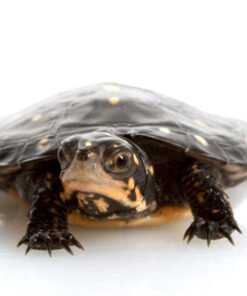
These may include Black-Knobbed Map Turtles, Pearl River Map Turtles, Spotted Turtles and other less commonly kept species, depending on availability.
Their care requirements can differ significantly. Some need specialised aquatic environments, while others require a combination of water, land and carefully managed humidity.
Unusual appearance should never be the only factor in choosing a turtle. Research the species' adult size, diet, environmental requirements and legal status, and ensure that you can provide appropriate care.
Why Choose a Turtle as a Pet?
Turtles offer a fascinating opportunity to observe reptile behaviour, feeding habits and environmental adaptations. Their different shapes, shell patterns and swimming behaviours make them interesting animals for people who enjoy learning about wildlife.
Depending on the species, you may observe a turtle swimming, basking, exploring aquatic plants, foraging along the bottom of an enclosure or resting in a sheltered area.
However, turtles should not automatically be considered easy pets. Aquatic species can require substantial aquariums, effective filtration, regular water maintenance, specialist lighting and carefully balanced diets. Some also grow considerably larger than expected.
Many pet turtles live for decades, and their care costs can increase as they grow. Choosing an appropriate species means considering the animal's long-term needs rather than focusing only on its appearance or initial purchase price.
The most suitable turtle is one whose environmental requirements, adult size, temperament and lifespan match your circumstances.
How to Choose the Right Turtle
Before purchasing a turtle, consider the following factors:
- Species identification: Confirm the scientific name and research the exact species.
- Habitat type: Determine whether the turtle is aquatic, semi-aquatic or primarily terrestrial.
- Adult size: Consider the turtle's expected shell length and the space it will need as it grows.
- Water requirements: Establish the necessary water depth, filtration, temperature and water-quality management.
- Basking and lighting: Determine whether the species requires a dry basking platform, heating and UVB lighting.
- Diet: Check whether it eats aquatic plants, insects, invertebrates, commercial turtle food or other suitable prey.
- Experience level: Choose a species whose care requirements match your knowledge and available facilities.
- Temperament: Consider whether the animal may bite or become stressed by handling.
- Lifespan: Prepare for the long-term commitment and associated expenses.
- Health and feeding history: Ask about the turtle's appetite, shell condition, age and previous care.
- Responsible sourcing: Request information about whether it is captive-bred or wild-caught.
- Legal requirements: Check the ownership, transport, importation and wildlife-trade regulations that apply to your location.
Turtle Care Guide
Every turtle species has individual requirements, but several principles are important for responsible turtle keeping.
Enclosure and Aquatic Habitat
Aquatic turtles need a suitable enclosure with enough water for normal swimming behaviour. The required volume and depth depend on the species, adult size and swimming ability.
Provide an accessible basking platform where the turtle can climb completely out of the water when required. The platform should be stable, large enough for the animal and positioned beneath suitable heating and lighting.
Semi-aquatic species may also need land areas, sheltered spaces or specialised substrates. Box turtles and other primarily terrestrial species should not be maintained in a conventional deep-water aquarium.
Prepare the enclosure before the turtle arrives and confirm that it can maintain the necessary environmental conditions.
Water Quality and Filtration
Good water quality is essential for the health of aquatic turtles. These animals can produce substantial waste, so effective filtration and regular water maintenance are important.
Choose a filtration system appropriate for the enclosure's water volume and the turtle's size. Monitor water quality, remove uneaten food and carry out suitable water changes.
Filtration does not eliminate the need for regular cleaning. Poor water quality can contribute to shell, skin and other health problems.
Use water that is suitable for the species and avoid sudden environmental changes that may cause unnecessary stress.
Temperature and Heating
Turtles rely on external heat to regulate their body temperature. Depending on the species, they may need controlled water temperatures, warm basking areas or specific air temperatures.
Use reliable thermometers to monitor the different areas of the habitat. Heating equipment should be installed securely and selected according to the turtle's needs.
Avoid applying the same temperature requirements to every turtle. Tropical species, temperate pond turtles and specialised aquatic species can have different environmental preferences.
UVB Lighting and Basking
Many commonly kept turtles require appropriate UVB exposure to support vitamin D3 production and calcium metabolism. Insufficient UVB exposure can contribute to metabolic bone disease and other serious health problems.
Provide suitable UVB lighting in accordance with the species' requirements and the manufacturer's recommendations. Position the lighting correctly relative to the basking area and ensure that the turtle can access a suitable range of conditions.
For aquatic turtles that bask, the platform should allow the animal to dry completely where appropriate. Ensure that it can climb onto and leave the platform safely.
Feeding and Nutrition
Turtle diets vary considerably. Many freshwater species are omnivorous, while others consume more specialised diets.
Depending on the species, appropriate foods may include:
- Formulated commercial turtle food.
- Suitable aquatic plants and leafy vegetation.
- Insects and other appropriate invertebrates.
- Species-appropriate animal prey.
- Suitable calcium sources and supplements when recommended.
Young turtles and adults may have different nutritional requirements. Feeding quantities and frequency should be adjusted to the species, age and body condition.
Avoid relying on a single food source without confirming that it provides balanced nutrition. Overfeeding can contribute to poor health and deteriorating water quality.
Research the precise dietary requirements of your chosen turtle before purchasing.
Handling and Behaviour
Turtles are generally best observed rather than handled frequently. Many become stressed when repeatedly lifted, and some species can bite when frightened or threatened.
When handling is necessary, support the turtle securely and avoid lifting it by its limbs or tail. Large turtles and species with powerful jaws require particular caution.
Allow a newly acquired turtle time to adjust to its environment. Provide hiding places and minimise unnecessary disturbance.
Wash your hands thoroughly after handling a turtle, its water, food or enclosure. Turtles can carry Salmonella bacteria even when they appear healthy, making good hygiene essential.
Cleaning and Health Monitoring
Monitor the turtle's appetite, swimming behaviour, shell condition, eyes and general activity. Changes can indicate stress, poor water quality, nutritional deficiencies or illness.
Remove uneaten food and waste, maintain the filtration system and clean the enclosure regularly.
Seek advice from a veterinarian experienced in reptile medicine if you notice persistent loss of appetite, abnormal swimming, breathing difficulties, unusual shell changes, swelling or other concerning symptoms.
Regular monitoring and appropriate veterinary care help support long-term health.
Captive-Bred Turtles and Responsible Sourcing
When shopping for turtles, ask whether the animal is captive-bred or wild-caught and request available information about its origin.
Responsible captive breeding can help reduce pressure on wild populations when conducted appropriately. Captive-bred status alone does not guarantee good health, so also consider the animal's condition, feeding history and previous husbandry.
Some turtle species are subject to international wildlife-trade controls, including requirements under the Convention on International Trade in Endangered Species of Wild Fauna and Flora (CITES). Other species may be restricted under national or regional legislation.
Before purchasing, confirm the scientific identification, legal origin and any documentation required for ownership or transport. Some turtles may be prohibited from sale or importation in certain destinations because of conservation concerns or their potential to become invasive.
Never release a pet turtle into the wild. Released animals can spread disease, compete with native wildlife and disrupt local ecosystems. If you can no longer care for a turtle, contact a reputable rescue organisation or an appropriate local authority.
Buying Turtles Online
Buying turtles online can help you compare different species and discover animals that may not be available locally. However, purchasing live animals requires careful preparation.
Before completing your order, check the following:
- The exact species and current availability.
- The animal's age, size and feeding history.
- Its shell condition and available health information.
- Whether it is captive-bred or wild-caught.
- The enclosure and equipment needed before arrival.
- The seller's live-animal transport arrangements.
- Whether delivery is available to your destination.
- Any applicable permits, certificates or import restrictions.
- The seller's live-arrival policy and procedures for reporting delivery concerns.
Live turtles must be transported using appropriate procedures that account for temperature, journey duration, secure packaging and animal welfare. Confirm the shipping arrangements and legal requirements before placing an order.
Prices and availability vary according to species, age, size, colour variety, breeding background and other characteristics. Consult individual listings for accurate information and do not assume that every species pictured on a category page is currently available.
Frequently Asked Questions About Turtles for Sale
What types of turtles are available for sale?
Depending on availability, the collection may include Red-Eared Sliders, Yellow-Bellied Sliders, Painted Turtles, Map Turtles, Mud Turtles, Musk Turtles, Box Turtles, Softshell Turtles, Cooter Turtles, Sideneck Turtles, Snapping Turtles and other freshwater species.
Check the individual listings for current availability and species-specific information.
What is the best turtle for a beginner?
There is no single best turtle for every beginner. Some commonly kept freshwater species may be suitable for prepared owners, but they still need appropriate housing, filtration, lighting, nutrition and veterinary care.
Consider the turtle's adult size and lifespan before making a decision. A small hatchling can eventually require a much larger habitat than expected.
Are turtles easy to care for?
Turtles require more care than their slow movements may suggest. Aquatic species often need effective filtration, regular water maintenance, controlled temperatures, suitable lighting and a balanced diet.
Some species have specialised requirements and are better suited to experienced keepers. Research the precise needs of your chosen species before purchasing.
How long do pet turtles live?
Lifespan varies by species. Many commonly kept freshwater turtles can live for several decades with appropriate care. Their expected lifespan should be considered before purchase.
Do turtles need an aquarium?
Aquatic turtles generally need an appropriately sized aquatic enclosure, such as a suitable aquarium or purpose-built habitat. Some semi-aquatic species also require land areas, while primarily terrestrial box turtles need a different type of enclosure.
Choose housing according to the species' natural behaviour and adult size.
Do turtles need UVB lighting?
Many pet turtles require appropriate UVB exposure to support calcium metabolism and normal shell and bone development. The correct lighting setup depends on the species, enclosure and basking arrangements.
What do pet turtles eat?
Diet varies by species. Many freshwater turtles eat a combination of suitable animal-based foods and plant matter. Some species have more specialised diets, so feeding recommendations should be based on the exact turtle.
Can turtles live with other turtles?
Some species can tolerate carefully managed group housing, but keeping turtles together can lead to competition, aggression, injury or disease transmission. Different species may also require different environmental conditions.
Research species compatibility carefully and consider individual housing where appropriate.
Can turtles live outdoors?
Some turtles can live in suitable outdoor ponds or enclosures when the climate, water quality, security and seasonal conditions meet their needs. Others require controlled indoor environments or access to suitable indoor accommodation during colder periods.
Are turtles suitable for children?
Turtles can be interesting animals for families, but adults must take responsibility for their care. Children should be supervised, and everyone should wash their hands after contact with turtles or their enclosures because of the risk of Salmonella.
Can I buy turtles online?
Some specialist sellers advertise turtles online, but availability and delivery options vary. Confirm the animal's identity, health information, shipping arrangements and any legal restrictions that apply to your destination before ordering.
What should I prepare before my turtle arrives?
Prepare an appropriate enclosure with suitable water or land conditions, filtration where required, heating, UVB lighting, a basking area where appropriate and the correct food. Test the equipment and environmental conditions before introducing the animal.
Find Your Ideal Turtle Today
Explore our Turtles for Sale category to discover a diverse range of freshwater turtles, from colourful sliders and beautifully patterned Painted Turtles to distinctive Map Turtles, Mud Turtles, Musk Turtles and specialised aquatic species.
Whether you are preparing for your first turtle or expanding an established reptile collection, take time to compare available species and understand their individual needs. Appropriate housing, clean water, suitable lighting, balanced nutrition and responsible sourcing are essential to long-term turtle welfare.
Browse the available listings, review the information provided for each animal and choose a turtle that matches your experience, facilities and commitment to responsible ownership.