

Tortoises for Sale – Discover Fascinating Tortoises for Your Collection
Welcome to our collection of Tortoises for Sale, where you can explore an impressive variety of land-dwelling reptiles known for their distinctive shells, sturdy limbs and fascinating behaviours.
From the popular Sulcata Tortoise and colourful Red-Footed Tortoise to the beautifully patterned Leopard Tortoise, Russian Tortoise and Star Tortoise, there are many species to discover.
Tortoises belong to the family Testudinidae and are recognised by their protective shells and adaptations for life on land. Depending on the species, they inhabit dry grasslands, scrubland, forests and other environments.
Some remain relatively small as adults, while others grow into exceptionally large animals that need substantial outdoor space and specialised facilities. Whether you are an experienced tortoise keeper or researching your first pet, choosing the right species requires careful consideration.
Tortoises can be rewarding animals to observe, but they have specific requirements for temperature, UVB lighting, humidity, diet and housing. Many also live for decades, making them a significant long-term commitment.
Our Tortoises for Sale category helps you explore different species, compare their characteristics and learn more about responsible ownership.
Depending on availability, you may find hatchlings, juveniles or larger tortoises, including captive-bred animals and other specimens with documented origins.
Browse our collection to discover the tortoise species that best matches your experience, available space and ability to provide appropriate care throughout its life.
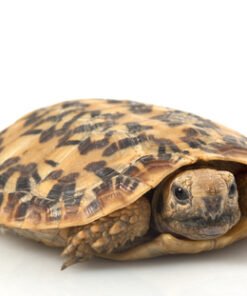
Tortoises for Sale
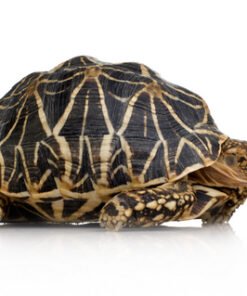
Tortoises for Sale
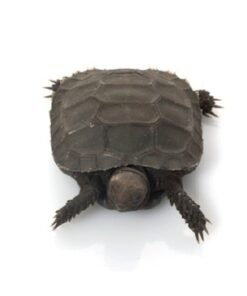
Tortoises for Sale
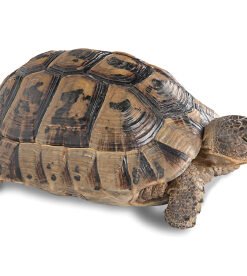
Tortoises for Sale
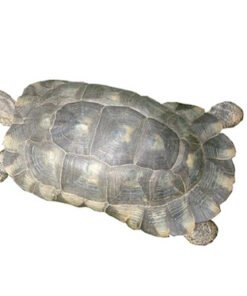
Tortoises for Sale
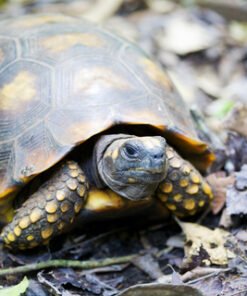
Tortoises for Sale
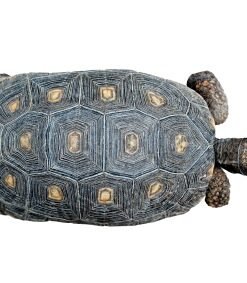
Tortoises for Sale
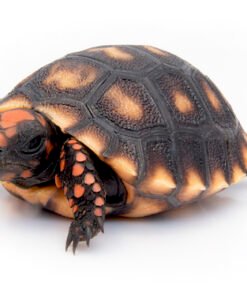
Tortoises for Sale
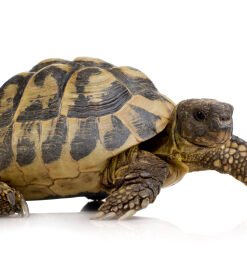
Tortoises for Sale
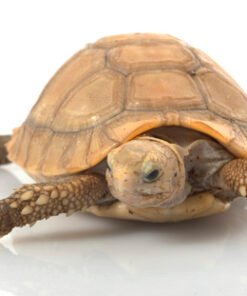
Tortoises for Sale
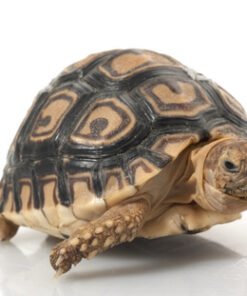
Tortoises for Sale
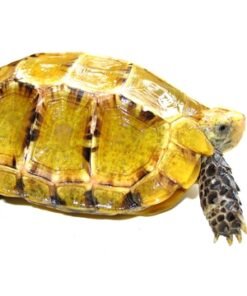
Tortoises for Sale
Explore Our Tortoises for Sale
Tortoises vary considerably in size, appearance, natural habitat and husbandry requirements. Understanding these differences is essential when choosing a suitable animal.
Depending on availability, our collection may include the following species.
Sulcata Tortoises for Sale
Sulcata Tortoises (Centrochelys sulcata), also known as African Spurred Tortoises, are popular for their robust bodies, sandy-coloured shells and prominent spurs on their hind legs.
Native to parts of the Sahara and surrounding African regions, they are adapted to hot environments and can grow into very large tortoises. Although hatchlings are small and appealing, adults can weigh well over 45 kg and may exceed 75 kg, depending on the individual.
Sulcata Tortoises need extensive space, secure outdoor facilities in suitable climates and a substantial indoor shelter for cooler conditions. They are strong diggers and may burrow beneath fences, so their enclosures must be designed to prevent escapes.
Their diet should be high in fibre and based primarily on suitable grasses, weeds and other appropriate plant material. Their long-term housing requirements should be considered before purchasing a hatchling.
Greek Tortoises for Sale
Greek Tortoises (Testudo graeca) are recognised for their domed shells, patterned scutes and varied earthy colours. Depending on their origin and subspecies, their shells may feature combinations of yellow, tan, brown and darker markings.
These tortoises originate from regions around the Mediterranean and parts of western Asia and North Africa. Their environmental requirements can vary considerably between populations, making accurate identification important.
Greek Tortoises need suitable terrestrial housing, access to appropriate basking temperatures, UVB lighting and a diet based primarily on suitable leafy plants and weeds. Their habitat should provide shelter, hiding places, suitable substrate and opportunities for natural movement.
Some populations have seasonal activity patterns, including periods of reduced activity or brumation. Any seasonal cooling programme should only be considered with appropriate species-specific advice and veterinary guidance.
Red-Footed Tortoises for Sale
Red-Footed Tortoises (Chelonoidis carbonarius) are known for the red, orange or yellow scales that may appear on their limbs and head. Their dark shells often feature contrasting lighter markings, giving them a distinctive appearance.
Native to parts of South America, they inhabit environments that can be more humid than those preferred by many Mediterranean or desert-adapted tortoises.
Red-Footed Tortoises need suitable space, appropriate temperatures, controlled humidity, shelter and access to clean water. Their diet is more varied than that of many predominantly grazing tortoises and may include suitable leafy plants, vegetables, fruit in moderation and appropriate animal-based foods according to specialist guidance.
Because their humidity and dietary requirements differ from those of Sulcata or Russian Tortoises, research their specific care needs before purchasing.
Cherry Head Red-Footed Tortoises for Sale
Cherry Head Red-Footed Tortoises are a distinctive form of the Red-Footed Tortoise, often recognised by the vivid red or orange colouring on the head and limbs.
Their striking appearance makes them appealing to tortoise enthusiasts who appreciate colourful reptiles. Colour intensity and patterns can vary between individuals.
Like other Red-Footed Tortoises, they need carefully managed humidity, appropriate heating, secure housing and a varied, species-appropriate diet. Their enclosure should include sheltered areas and enough room for normal movement.
Before purchasing, confirm the animal's identification, origin, feeding history and available captive-breeding information.
Hermann's Tortoises for Sale
Hermann's Tortoises (Testudo hermanni) are popular European tortoises recognised for their attractive yellow and dark brown shell markings. They are relatively small compared with large species such as the Sulcata Tortoise.
Their natural range includes parts of southern Europe, where they inhabit environments with seasonal changes in temperature and vegetation.
Hermann's Tortoises need appropriate terrestrial housing, UVB lighting, suitable basking temperatures and a varied diet rich in suitable leafy plants and weeds. Their enclosure should provide opportunities for shelter, digging and natural exploration.
Some Hermann's Tortoises undergo seasonal brumation. This should never be attempted without confirming the animal's species, health and suitability for the process with an experienced reptile veterinarian.
Leopard Tortoises for Sale
Leopard Tortoises (Stigmochelys pardalis) are admired for the distinctive dark markings on their domed shells, which often resemble a leopard's spots. Their shells may have yellow or cream backgrounds with contrasting black or dark brown patterns.
Native to parts of eastern and southern Africa, Leopard Tortoises can grow into substantial animals. Their adult size, space requirements and environmental needs should be considered before purchase.
They require suitable basking temperatures, UVB lighting, spacious housing and a diet rich in appropriate grasses and leafy vegetation. Humidity requirements can differ according to age, climate and husbandry, so their enclosure should be designed around reliable species-specific guidance.
Leopard Tortoises are not suitable for permanently cramped housing. Prepare for their future size and ensure that you can provide adequate space throughout their lives.
Russian Tortoises for Sale
Russian Tortoises (Testudo horsfieldii) are relatively small tortoises recognised for their rounded shells, sturdy limbs and active behaviour. They are also known as Horsfield's Tortoises or Central Asian Tortoises.
Their natural range includes parts of Central Asia, where they experience pronounced seasonal temperature changes and relatively dry conditions in many habitats.
Russian Tortoises need a secure enclosure with suitable substrate, opportunities for digging, appropriate heating and UVB lighting. Their diet should consist mainly of suitable leafy plants and weeds, with an emphasis on fibre and variety.
Their seasonal biology requires careful consideration. Brumation should only be planned when appropriate for the individual animal and after consultation with a reptile-experienced veterinarian.
Star Tortoises for Sale
Star Tortoises are admired for their distinctive shell patterns, which feature radiating lines that create a star-like appearance. The Sri Lankan and Indian Star Tortoises are among the best-known varieties.
Indian Star Tortoises are commonly identified as Geochelone elegans. Their patterned shells make them particularly attractive to reptile enthusiasts, but their care requirements must take priority over appearance.
Star Tortoises generally require carefully managed temperature and humidity conditions, suitable UVB lighting, appropriate shelter and a species-specific diet. They can be sensitive to poor husbandry, especially when young.
Some Star Tortoise species and populations are subject to strict wildlife-trade regulations. Confirm the scientific identification, legal origin and required documentation before purchasing.
Pancake Tortoises for Sale
Pancake Tortoises (Malacochersus tornieri) are unusual tortoises known for their relatively flat, flexible shells. Unlike many tortoises with highly domed shells, their flattened shape helps them shelter in narrow rock crevices.
Native to parts of East Africa, they have specialised habitat requirements and behaviours that distinguish them from more commonly kept tortoise species.
Pancake Tortoises need a carefully designed enclosure with secure rock-like structures, suitable hiding spaces, appropriate temperatures and UVB lighting. Their habitat must allow them to retreat safely without the risk of heavy structures collapsing.
Their care requirements and conservation status make it particularly important to confirm their origin and legal documentation before purchase. They are generally better suited to keepers who have researched the species thoroughly.
Burmese Mountain Tortoises for Sale
Burmese Mountain Tortoises (Manouria emys) are substantial Asian tortoises known for their robust appearance and association with forest habitats. Their size, behaviour and environmental needs distinguish them from many smaller, dry-habitat species.
They require spacious housing with carefully managed humidity, suitable temperatures, sheltered areas and opportunities to move naturally. Their environment should provide appropriate ground cover and access to clean water.
Their dietary requirements should be based on reliable species-specific guidance, with suitable plant material forming an important part of their nutritional management.
Because they can grow large and need specialised environmental conditions, Burmese Mountain Tortoises are generally better suited to keepers with appropriate space and experience.
Elongated Tortoises for Sale
Elongated Tortoises (Indotestudo elongata) are recognised for their relatively elongated shells, often displaying yellowish or tan colouring with darker markings.
Native to parts of South and Southeast Asia, they are associated with habitats that can be more humid than those preferred by many Mediterranean tortoises.
Elongated Tortoises need appropriate humidity, suitable temperatures, secure terrestrial housing and sheltered areas. Their dietary needs should be researched carefully, as they may consume a broader range of foods than strictly grazing species.
Before purchasing, confirm the animal's identification, origin and husbandry requirements. A suitable habitat should be established before the tortoise arrives.
Marginated Tortoises for Sale
Marginated Tortoises (Testudo marginata) are among the larger European tortoise species. They are recognised by the flared rear edges of their shells, which become particularly prominent in adults.
Their natural range includes parts of Greece and nearby Mediterranean regions. They need suitable terrestrial housing, basking areas, UVB lighting and a diet rich in appropriate leafy plants and weeds.
Their adult size is larger than that of some other Mediterranean tortoises, so their enclosure should provide enough space for movement, shelter and natural behaviour.
Research seasonal care requirements and any applicable legal restrictions before purchasing.
Yellow-Footed Tortoises for Sale
Yellow-Footed Tortoises (Chelonoidis denticulatus) are South American tortoises recognised for the yellow or orange markings on their limbs and head. They are closely related to Red-Footed Tortoises but can differ in appearance, size and other characteristics.
They generally require a warm, suitably humid environment with appropriate shelter, clean water and a carefully managed diet.
Their feeding routine may include suitable leafy plants and other species-appropriate foods, with dietary variety and nutritional balance being particularly important.
Yellow-Footed Tortoises should not automatically be maintained using the same conditions as dry-adapted species. Confirm the animal's environmental requirements before purchase.
Hingeback Tortoises for Sale
Hingeback Tortoises belong to the genus Kinixys and include species such as the Forest Hingeback Tortoise. They are distinctive for the hinged section at the rear of the shell in many members of the group.
Their natural habitats and care requirements vary by species. Some are associated with humid forest environments, making suitable humidity, shelter and ground cover important.
Hingeback Tortoises need appropriate temperatures, secure housing, access to clean water and a carefully researched diet. Some may consume a broader range of foods than strictly herbivorous grazing tortoises.
Because several species are specialised and may be subject to wildlife-trade controls, accurate identification and responsible sourcing are essential.
Other Tortoises for Sale
Depending on availability, the collection may include additional tortoise species with distinctive appearances and specialised environmental requirements.
These may include less commonly kept tortoises that appeal to experienced reptile enthusiasts. Their size, humidity preferences, diet, activity patterns and legal status can differ considerably.
Always check the individual listing for the scientific name, origin, age, feeding history and available care information. Avoid choosing an uncommon tortoise without first confirming that you can meet its long-term needs.
Why Choose a Tortoise as a Pet?
Tortoises are fascinating animals for people who appreciate observing natural behaviour and caring for a long-lived reptile. Their steady movements, foraging habits and interactions with their surroundings offer a different experience from keeping more active or frequently handled pets.
Depending on the species, you may observe a tortoise exploring its enclosure, grazing on vegetation, digging, basking or seeking shelter as environmental conditions change.
However, tortoises should not be selected solely because they appear slow-moving or easy to maintain. Many need more space, specialist lighting and more careful nutritional management than prospective owners initially expect.
Some species remain relatively small, while others grow into very large animals that require secure outdoor areas and substantial indoor accommodation. Their lifespan can also extend over several decades.
The right tortoise is one whose adult size, habitat requirements, diet and expected lifespan fit your circumstances.
How to Choose the Right Tortoise
Before purchasing a tortoise, consider the following factors:
- Species and identification: Confirm the scientific name and research the exact species.
- Adult size: Consider how large the tortoise will become and whether you can provide enough space.
- Experience level: Choose a species whose care requirements match your knowledge and facilities.
- Indoor and outdoor housing: Determine whether the animal needs a secure outdoor enclosure, indoor accommodation or both.
- Temperature and lighting: Prepare appropriate heating equipment, basking areas and UVB lighting.
- Humidity: Research the moisture requirements of the species, particularly if it comes from a humid forest habitat.
- Diet: Confirm which grasses, weeds, leafy greens or other foods are appropriate.
- Long-term commitment: Consider the animal's potential lifespan and the future costs of housing, food and veterinary care.
- Health and feeding history: Ask about appetite, growth, shell condition and any known health concerns.
- Captive-bred status: Request information about origin and breeding history.
- Legal requirements: Check ownership, importation and wildlife-trade regulations before ordering.
Tortoise Care Guide
Proper husbandry is essential for tortoise health. A suitable enclosure should reflect the species' natural environment and provide opportunities for normal movement, feeding, basking and shelter.
Enclosure and Space
Tortoises need secure terrestrial enclosures with sufficient space to move, forage and explore. The required area depends on the species and its adult size.
Smaller Mediterranean species may have different housing requirements from large Sulcata or Leopard Tortoises. Forest-dwelling tortoises may also need a different enclosure design from those adapted to drier grasslands.
Provide suitable hiding places, safe substrate, sheltered areas and access to appropriate basking locations. Outdoor enclosures should be escape-proof and protect the tortoise from predators and other hazards.
Large species may dig beneath barriers, so the design must account for their strength and natural behaviour.
Temperature and Heating
Tortoises rely on external heat to regulate their body temperature. Most commonly kept species need a suitable temperature gradient, allowing them to move between a warmer basking area and cooler locations.
The correct temperature depends on the species, age, enclosure design and time of day. Tropical and forest species may require different conditions from dry-habitat tortoises.
Use reliable thermometers to monitor the enclosure and ensure that heating equipment is securely installed. Provide suitable shade and shelter so the animal can avoid excessive heat.
UVB Lighting
Appropriate UVB exposure supports vitamin D3 production and calcium metabolism. Insufficient UVB exposure can contribute to metabolic bone disease and other serious health problems.
Choose a suitable UVB system based on the species, enclosure design and the manufacturer's instructions. Arrange basking areas and shade so the tortoise can access appropriate exposure while avoiding excessive heat.
Natural sunlight can be beneficial when provided safely in a suitable outdoor enclosure, but glass filters out much of the useful UVB radiation. Outdoor housing must also provide shade, shelter, security and protection from unsuitable temperatures.
Humidity and Hydration
Tortoise humidity requirements vary considerably. Some Mediterranean and dry-habitat species need relatively dry conditions with suitable access to moisture, while tropical and forest-dwelling species may require more humid environments.
Provide clean drinking water in a stable, accessible dish and maintain appropriate hydration. Young tortoises may have particular moisture requirements, so research the needs of the exact species and age.
Avoid assuming that all tortoises should be kept in dry enclosures. Incorrect humidity can contribute to health and shell-development problems in some species.
Feeding and Nutrition
Many tortoises are herbivorous, but their dietary needs differ by species. Grazing species often require a high-fibre diet based on suitable grasses, weeds and leafy plants, while some forest species naturally consume a wider variety of foods.
Depending on the species, appropriate foods may include:
- Suitable grasses and edible weeds.
- Dandelion greens and other appropriate leafy plants.
- Selected vegetables as part of a balanced diet where suitable.
- Species-appropriate commercial tortoise food when recommended.
- Calcium and other supplements in appropriate quantities.
Fruit should not be assumed suitable for every tortoise. Some species tolerate limited amounts, while others should receive very little or none.
Avoid excessive protein and foods that are unsuitable for the species. A reptile-experienced veterinarian can provide guidance on nutrition, supplementation and feeding quantities.
Handling and Behaviour
Tortoises are generally best observed rather than handled frequently. Lifting can cause stress, and larger animals may be difficult to support safely.
When handling is necessary, support the shell and body securely without dropping or tilting the animal unnecessarily. Never lift a tortoise by its legs or tail.
Allow newly acquired tortoises time to settle into their enclosure. Observe their appetite, activity and response to their environment, and avoid unnecessary disturbance.
Cleaning and Health Monitoring
Keep the enclosure clean by removing waste and uneaten food, refreshing drinking water and maintaining suitable substrate and drainage.
Monitor the tortoise's appetite, activity, shell condition, walking and general body condition. Changes in behaviour or appearance can indicate illness, nutritional problems or unsuitable environmental conditions.
Seek veterinary advice if you notice persistent loss of appetite, weakness, abnormal shell changes, swelling, discharge or difficulty walking.
Routine veterinary checks can help assess health and identify husbandry adjustments that may be needed.
Captive-Bred Tortoises and Responsible Sourcing
When browsing tortoises for sale, ask whether the animal is captive-bred or wild-caught and request available information about its origin.
Responsible captive breeding can help reduce pressure on wild populations when carried out appropriately. However, captive-bred status alone does not guarantee good health, so review the animal's condition, feeding history and the quality of the seller's husbandry information.
Some tortoise species are subject to strict international wildlife-trade regulations. Star Tortoises and other protected species may require specific documentation, and requirements depend on the species and destination.
Before purchasing, confirm the scientific identification, legal origin and any permits or certificates required for ownership and transport. Never assume that a tortoise can be legally imported simply because it is advertised for sale.
Responsible sourcing protects animal welfare and supports lawful trade.
Buying Tortoises Online
Buying a tortoise online can help you compare species and discover animals that may not be available locally. However, live-animal purchases require careful planning.
Before placing an order, check the following:
- The exact species and current availability.
- The animal's age, size and feeding history.
- Its shell condition and available health information.
- Whether it is captive-bred or wild-caught.
- The enclosure and equipment required before arrival.
- The seller's live-animal shipping arrangements.
- Whether delivery is available to your destination.
- Any applicable import permits, certificates or wildlife-trade restrictions.
- The seller's live-arrival policy and procedures for reporting delivery concerns.
Live tortoises should be transported using appropriate procedures that account for temperature, journey duration, secure packaging and animal welfare. Confirm that the animal can be transported legally and safely before ordering.
Prices and availability vary according to species, age, size, breeding background and other characteristics. Consult the individual product listing for accurate information.
Frequently Asked Questions About Tortoises for Sale
What types of tortoises are available for sale?
Depending on availability, the collection may include Sulcata, Greek, Red-Footed, Cherry Head Red-Footed, Hermann's, Leopard, Russian, Star, Pancake, Burmese Mountain, Elongated and other tortoises. Check the individual listings for current availability and scientific identification.
What is the best tortoise for a beginner?
There is no single best tortoise for every beginner. Some smaller Mediterranean species may be suitable for prepared keepers, but they still require appropriate lighting, heating, nutrition and space. Your climate, facilities and experience should guide your decision.
How big do tortoises grow?
Adult size varies considerably. Some species remain relatively small, while Sulcata Tortoises can grow to well over 45 kg and require extensive space. Research the expected adult size of your chosen species before purchasing.
How long do tortoises live?
Many tortoises live for several decades, and some may live considerably longer. Their lifespan depends on species, genetics, health and husbandry, so they should be treated as a long-term commitment.
What do tortoises eat?
Many tortoises primarily eat grasses, weeds and leafy plants. Some forest-dwelling species have more varied diets. The appropriate foods and supplements depend on the exact species.
Do tortoises need UVB lighting?
Appropriate UVB exposure is important for many commonly kept tortoises because it supports vitamin D3 production and calcium metabolism. The correct lighting setup depends on the species and housing arrangement.
Can tortoises live outdoors?
Some species can benefit from outdoor housing when the climate, enclosure and security arrangements are suitable. Others need carefully controlled indoor environments or access to warm indoor accommodation during cooler periods.
Can different tortoise species live together?
Keeping different species together is generally discouraged because they may have different environmental requirements and can transmit infections to one another. Competition, stress and injury are also possible. Seek species-specific advice before considering shared housing.
Are tortoises suitable for children?
Tortoises can be interesting animals for families, but adults must take responsibility for their care. Their long lifespan, specialised housing requirements and hygiene needs should be considered before purchase. Children should be supervised, and hands should be washed after contact.
Can I buy tortoises online?
Some specialist sellers offer tortoises online, but availability, delivery and legal requirements vary by destination. Confirm the seller's shipping arrangements, animal information and any required documentation before ordering.
What should I prepare before my tortoise arrives?
Prepare a secure enclosure with appropriate substrate, shelter, heating, UVB lighting and suitable food. Test the environmental conditions in advance and identify a veterinarian experienced in reptile medicine.
Find Your Ideal Tortoise Today
Explore our Tortoises for Sale category to discover a variety of fascinating land-dwelling reptiles, from Sulcata and Leopard Tortoises to Russian, Hermann's, Red-Footed and other distinctive species.
Whether you are preparing for your first tortoise or expanding an established reptile collection, take time to compare available animals and understand their individual care requirements. Suitable housing, appropriate temperatures, UVB lighting, balanced nutrition and responsible sourcing are essential to long-term tortoise welfare.
Browse the available listings, review the details of each animal and choose a tortoise that matches your experience, facilities and commitment to responsible ownership.