

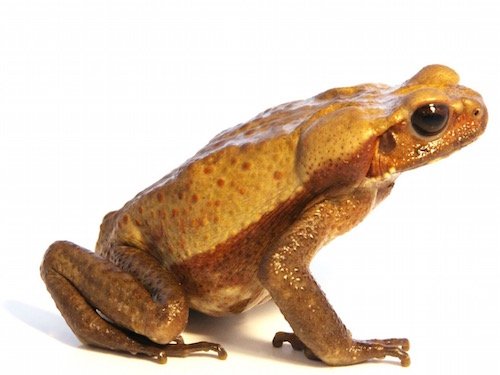
Smooth Sided Toad for Sale
€59,99
Smooth Sided Toads for Sale are an excellent choice for experienced amphibian enthusiasts seeking a distinctive South American species.
Known for their smooth-looking skin, impressive size and mottled brown colouration, these fascinating toads require a spacious terrestrial enclosure, suitable temperatures, carefully managed humidity and a varied diet of live feeder insects.
Provide secure hiding places, clean water and minimal handling, as this species produces defensive skin secretions.
Explore our Smooth Sided Toad selection, check current availability and review the essential care requirements before purchasing.
Smooth Sided Toad for Sale – Discover a Remarkable South American Amphibian
Looking for an unusual addition to your exotic amphibian collection? Explore our Smooth Sided Toad for Sale listing and discover a fascinating species known for its remarkably smooth skin, impressive adult size and distinctive natural behaviour.
Native to tropical South America, the Smooth Sided Toad is an interesting choice for experienced amphibian enthusiasts who appreciate observing large terrestrial toads in a carefully maintained habitat.
Scientifically known as Rhaebo guttatus, this species was historically classified as Bufo guttatus. It is also referred to as the Smooth-sided Toad or Spotted Toad. Unlike many other toads with prominent warts and rough-looking skin, it has a comparatively smooth appearance and mottled brown colouration that helps it blend into the forest floor.
Smooth Sided Toads inhabit tropical lowland forests across parts of northern South America, including areas of Brazil, Colombia, Ecuador, Guyana, French Guiana, Suriname and Venezuela. They spend much of their time on the ground, where leaf litter, fallen branches and other natural cover provide shelter and opportunities to hunt prey.
Their substantial size, distinctive appearance and carnivorous feeding behaviour make them particularly interesting to observe. However, these toads require a spacious terrestrial enclosure, suitable temperatures, carefully managed humidity, secure hiding places and a consistent supply of appropriately sized food.
Smooth Sided Toads also possess defensive skin secretions, making careful handling practices essential. They are best appreciated as observation-focused animals rather than pets for frequent physical interaction.
Browse our Smooth Sided Toad for Sale listing to check current availability and specimen details. Before purchasing, confirm the animal’s scientific identification, origin, feeding history and care requirements, and ensure that you can provide a suitable long-term habitat.
Smooth Sided Toad Characteristics
- Common name: Smooth Sided Toad or Spotted Toad.
- Scientific name: Rhaebo guttatus.
- Former scientific name: Bufo guttatus.
- Family: Bufonidae.
- Animal group: Amphibians.
- Natural distribution: Northern South America.
- Natural habitat: Tropical lowland forests and forest-floor environments.
- Appearance: Smooth-looking skin, sturdy body and mottled brown, tan or reddish-brown colouration.
- Adult size: Commonly reported at approximately 15–23 cm in body length, with females potentially larger than males.
- Diet: Carnivorous, including insects and other appropriately sized animal prey.
- Lifestyle: Primarily terrestrial.
- Enclosure: Spacious, secure terrestrial habitat with suitable substrate and hiding places.
- Environmental requirements: Species-appropriate temperature, humidity, ventilation and access to clean water.
- Handling: Minimise handling because of sensitive skin and defensive secretions.
- Lifespan: Reported to reach approximately 10 years in human care, although longevity varies.
- Availability: Subject to current stock and supplier confirmation.
These characteristics are general references. Individual size, behaviour and care requirements can vary, so confirm the details of the specimen being offered before purchasing.
Why Choose a Smooth Sided Toad?
Distinctive Smooth Skin
The Smooth Sided Toad is unusual among many commonly recognised toads because its skin appears comparatively smooth rather than heavily covered in prominent warts.
Its subtle texture and natural colouration give it a distinctive appearance that sets it apart from many other members of the toad family.
Impressive Adult Size
Smooth Sided Toads can grow considerably larger than many familiar pet toads. Adults may reach approximately 23 cm in length, making them a substantial presence in a suitable enclosure.
Their eventual size should be considered before purchasing, as larger amphibians need adequate floor space, secure shelter and a feeding plan that meets their nutritional requirements.
Natural Camouflage
The species commonly displays mottled brown, tan or reddish-brown colouration. These earthy tones help it blend into leaf litter, soil and other forest-floor materials.
A naturalistic enclosure with suitable substrate and secure hiding places can support its natural behaviour while providing an attractive environment for observation.
Fascinating Feeding Behaviour
Smooth Sided Toads are carnivorous and hunt suitable prey using the characteristic feeding adaptations of toads.
Observing their feeding responses can be particularly interesting, but food must be selected carefully according to the animal’s size, nutritional needs and ability to swallow prey safely.
An Interesting Species for Experienced Keepers
For amphibian enthusiasts who enjoy studying unusual terrestrial species, the Smooth Sided Toad offers an opportunity to learn about the adaptations of South American forest amphibians.
Its size, feeding requirements and defensive secretions mean that prospective owners should research the species thoroughly and prepare the enclosure before bringing one home.
Physical Appearance and Adult Size
Body Shape
The Smooth Sided Toad has a broad, sturdy body and relatively short limbs. Its proportions are typical of a ground-dwelling toad adapted to moving across forest-floor environments.
Its substantial build makes adequate floor space particularly important when planning an enclosure.
Skin Texture
As its common name suggests, this species has comparatively smooth skin. The characteristic warty appearance associated with many other toads is less pronounced.
Despite this smoother appearance, its skin remains sensitive, and the animal should not be handled unnecessarily.
Colouration and Markings
The skin is generally mottled brown, cream, tan or reddish brown, with darker markings that provide natural camouflage.
Colouration varies between individuals, so a photograph should be treated as an example rather than a guarantee of the exact appearance of the specimen supplied.
Adult Measurements
The Smooth Sided Toad is a large species. Published references report males reaching approximately 15 cm in snout-to-vent length, while females may reach around 17.4 cm or more. Some zoological references report overall lengths approaching 23 cm.
Snout-to-vent length is measured from the tip of the snout to the rear of the body, excluding the legs. Measurements may differ between sources depending on the method used.
Ask the supplier for the current size of the individual being offered and plan the enclosure around its expected adult dimensions.
Natural Habitat and Behaviour
Understanding the natural environment of the Smooth Sided Toad helps explain its captive care requirements.
South American Distribution
Rhaebo guttatus occurs across parts of northern South America, including the Amazonian and Guianan regions.
Its natural range includes tropical forest environments in countries such as Brazil, Colombia, Ecuador, Guyana, French Guiana, Suriname and Venezuela. The exact distribution may vary according to the population and taxonomic reference used.
Tropical Forest Environments
The species is associated with tropical lowland forests, including humid forest-floor habitats where leaf litter, fallen wood and vegetation provide cover.
In captivity, suitable shelter and substrate help the animal feel secure and provide opportunities for natural resting and foraging behaviour.
Terrestrial Lifestyle
Smooth Sided Toads are primarily terrestrial rather than fully aquatic. They spend much of their time on the ground and benefit from an enclosure with sufficient floor space and secure hiding places.
A shallow water dish should be available, but the enclosure should not be designed as a permanently flooded habitat.
Feeding and Hunting
These toads are carnivorous and feed on insects and other suitable animal prey.
Their feeding behaviour reflects their role as predators in their natural environment. In captivity, prey should be selected according to the animal’s size and nutritional requirements.
Defensive Behaviour
When threatened, Smooth Sided Toads may produce defensive skin secretions. These substances help deter predators but require careful handling practices in captivity.
Avoid unnecessary physical contact and keep the animal away from children and other pets.
Smooth Sided Toad Enclosure Setup
A suitable enclosure should provide adequate space, stable environmental conditions, secure shelter and easy access to clean water.
Enclosure Size
Because this is a large terrestrial toad, a spacious enclosure is essential.
For a single adult, an enclosure measuring approximately 90 × 45 × 45 cm (length × width × height) is a useful provisional starting point. Larger individuals may benefit from an enclosure with a greater floor area.
The final dimensions should reflect the animal’s actual size, activity level and husbandry needs. Do not select an enclosure based solely on the size of a juvenile.
Secure Lid and Ventilation
Use a firmly fitted lid to prevent escapes.
The enclosure should provide suitable ventilation while retaining the moisture required by the species. Check access openings and enclosure fittings regularly, especially if equipment cables pass through the lid.
Substrate
Choose an amphibian-safe substrate that supports natural movement and provides suitable moisture retention.
Depending on the enclosure design, suitable materials may include chemical-free soil mixtures and other safe substrates recommended for large terrestrial amphibians.
Avoid fertilisers, pesticides, sharp materials and substrates that may cause harm if accidentally swallowed.
The substrate should be easy to clean and should not remain excessively wet.
Hiding Places
Provide sturdy hides, cork bark and other stable decorations that create sheltered areas.
Hiding places allow the toad to retreat from light and disturbance. Ensure that heavy decorations cannot shift, collapse or trap the animal.
Leaf Litter and Natural Cover
A layer of suitable leaf litter can create a more naturalistic environment and offer additional cover.
Use materials that are free from pesticides, mould and other contaminants. The enclosure should still allow regular inspection of the animal and removal of waste.
Water Dish
Provide a stable, appropriately shallow dish containing clean, treated water.
The dish should allow the toad to enter and leave easily. Replace contaminated water regularly and clean the container as needed.
Temperature Requirements
Smooth Sided Toads need a stable environment suited to their tropical origins, but the precise temperature range should be confirmed for the individual specimen.
A daytime temperature of approximately 24–28°C may serve as a provisional starting reference for a tropical forest species of this type. This should not be treated as a verified universal range for every Smooth Sided Toad.
Use a reliable thermometer to monitor conditions and consult specialist husbandry guidance before setting the final temperature range.
Avoid direct sunlight, excessive heat and sudden temperature changes. If supplemental heating is required, use a suitable thermostat-controlled heat source and ensure the animal can move away from warmer areas.
Humidity and Moisture Management
Smooth Sided Toads originate from tropical environments, so appropriate moisture management is important.
A relative humidity range of approximately 70–80% may be considered a provisional starting reference for a tropical forest enclosure, but the ideal conditions should be confirmed with species-specific guidance.
Provide a moisture gradient so the toad can choose between slightly more humid and drier areas. The substrate should retain appropriate moisture without becoming waterlogged.
Use a hygrometer to monitor humidity and maintain adequate ventilation. Persistent condensation, mould or wet, stagnant substrate may indicate that adjustments are necessary.
Clean water must always be available. Do not rely on misting alone to meet the animal’s water needs.
What Do Smooth Sided Toads Eat?
Smooth Sided Toads are carnivorous and require a suitable diet of animal prey.
The diet should be based on the individual’s size, age, feeding response and nutritional requirements. Offer food from reliable sources and avoid prey that may carry pesticides, parasites or other contaminants.
Crickets
Appropriately sized crickets can provide a useful food option.
Choose prey that the toad can swallow safely and maintain feeder insects in good condition before feeding.
Cockroaches
Suitable feeder cockroaches can provide dietary variety and are available in different sizes.
Select an appropriate size for the individual toad and remove uneaten prey when necessary.
Earthworms
Appropriately sized earthworms may be suitable as part of a varied diet.
Use a reliable feeder source and avoid worms collected from areas treated with pesticides or other chemicals.
Other Suitable Prey
Depending on the animal’s size and dietary requirements, other suitable invertebrates may be offered.
Large Smooth Sided Toads can consume relatively substantial prey, but this does not mean that every large food item is appropriate. Avoid prey that could cause injury, choking or digestive complications.
Do not use wild-caught prey unless its safety and suitability can be established.
Feeding Frequency
Feeding frequency depends on the toad’s age, body condition, activity and the nutritional value of its food.
Growing animals generally require more frequent feeding than adults. Monitor body condition and feeding behaviour, and adjust portions to avoid underfeeding or excessive weight gain.
Remove uneaten food and waste promptly to maintain enclosure hygiene.
Nutritional Supplementation
Feeder insects should be appropriately nourished before being offered.
Calcium or vitamin supplementation may be necessary, depending on the diet and the animal’s age and condition. Follow specialist guidance for the confirmed species rather than using an arbitrary supplementation schedule.
Lifespan and Long-Term Care
The Smooth Sided Toad is a long-term responsibility.
The Smithsonian’s National Zoo reports that this species may live for up to approximately 10 years in human care. Individual longevity can vary according to health, diet, environmental conditions and overall husbandry.
Responsible care includes:
- Providing a spacious, secure enclosure.
- Maintaining suitable temperature and humidity.
- Providing clean water and suitable shelter.
- Offering an appropriate, varied diet.
- Monitoring feeding behaviour and body condition.
- Maintaining enclosure hygiene.
- Seeking veterinary advice when health concerns arise.
Before purchasing, consider whether you can provide appropriate care throughout the animal’s life.
Handling and Safety
Smooth Sided Toads are best appreciated through observation rather than frequent handling.
Like other amphibians, they have sensitive skin that can be affected by residues from soap, hand cream, cleaning products and other contaminants. In addition, defensive secretions produced by this species can be harmful if mishandled.
Avoid direct contact wherever possible. If moving the toad is necessary for essential enclosure maintenance or veterinary care, use a suitable clean container and follow amphibian-safe handling practices.
Never allow skin secretions to contact your eyes, mouth or open wounds. Wash your hands thoroughly after working with the enclosure and keep the animal away from children and other pets.
If exposure to defensive secretions occurs, avoid touching your face and seek appropriate medical or veterinary advice according to the nature of the exposure.
Is a Smooth Sided Toad Suitable for Beginners?
The Smooth Sided Toad is generally better suited to keepers who have researched large terrestrial amphibians and can provide the required enclosure and care.
Its adult size, carnivorous diet, environmental requirements and defensive secretions should all be considered before purchase.
Prospective owners should be prepared to:
- Provide a sufficiently large terrestrial enclosure.
- Maintain suitable temperatures and humidity.
- Supply an appropriate diet of feeder animals.
- Monitor the animal’s health and feeding behaviour.
- Maintain clean water and enclosure hygiene.
- Minimise unnecessary handling.
- Arrange veterinary care when needed.
- Confirm legal ownership and transport requirements.
A larger toad is not necessarily easier to care for than a smaller one. Preparation and knowledge are essential to responsible ownership.
Responsible Sourcing and Purchasing
Before purchasing a Smooth Sided Toad, confirm the scientific identification, origin and current condition of the animal.
Ask the supplier whether the specimen is captive-bred or wild-collected, where this information is available. Request details about its approximate size, feeding history and any relevant health information.
Responsible sourcing helps support animal welfare and informed purchasing decisions.
Check the wildlife-trade and import regulations that apply to your destination. Requirements may differ according to the species, its origin and the country receiving the animal.
Do not assume that a supplier’s domestic shipping policy permits international delivery. Confirm availability, legal requirements and delivery eligibility directly before ordering.
Ordering a Smooth Sided Toad Online
Before completing your purchase, review the product listing and confirm:
- Scientific identification: Rhaebo guttatus.
- Current availability and specimen size.
- Captive-bred or wild-collected status, where documented.
- Feeding history and accepted prey.
- Care requirements and recommended enclosure conditions.
- Shipping eligibility for your destination.
- Packaging and dispatch arrangements.
- Any live-arrival guarantee and its conditions.
- Applicable legal or import documentation.
Prepare the enclosure before the animal arrives. Establish suitable temperature and humidity, arrange secure hiding places and ensure that clean water is available.
Read the seller’s terms carefully, particularly any restrictions on shipping, weather-related delays and live-arrival policies.
Frequently Asked Questions
What is a Smooth Sided Toad?
The Smooth Sided Toad is a large South American amphibian scientifically known as Rhaebo guttatus. It was formerly classified as Bufo guttatus and is recognised for its comparatively smooth-looking skin.
How large does a Smooth Sided Toad grow?
Adults can reach approximately 23 cm in body length, although measurements vary according to sex and the method used. Females may grow larger than males.
Where do Smooth Sided Toads come from?
They are native to parts of northern South America, including tropical forest regions of Brazil, Colombia, Ecuador, Guyana, French Guiana, Suriname and Venezuela.
What do Smooth Sided Toads eat?
They are carnivorous and may eat appropriately sized insects and other animal prey. Suitable food should be selected according to the animal’s size and nutritional requirements.
What temperature does a Smooth Sided Toad need?
A daytime range around 24–28°C may serve as a provisional reference for a tropical forest enclosure. Confirm the appropriate range for the exact specimen with reliable husbandry guidance.
What humidity does a Smooth Sided Toad need?
A range around 70–80% relative humidity may serve as a provisional starting reference. Monitor the enclosure and maintain appropriate moisture without allowing the substrate to become waterlogged.
How long does a Smooth Sided Toad live?
The species may live for approximately 10 years in human care, according to the Smithsonian’s National Zoo. Actual longevity varies with individual health and husbandry.
Can Smooth Sided Toads be handled?
Frequent handling is not recommended. Their skin is sensitive, and they can produce defensive secretions. Use a suitable clean container for necessary transfers.
Are Smooth Sided Toads suitable for beginners?
They may be challenging for inexperienced keepers because of their adult size, dietary needs and defensive secretions. Research the species carefully and prepare the enclosure before purchasing.
Can Smooth Sided Toads live with other amphibians?
Cohabitation should not be assumed to be safe. Different species can have incompatible environmental requirements, and shared housing may increase the risk of injury, stress or disease transmission. A dedicated enclosure is generally easier to manage.
Can I buy a Smooth Sided Toad online?
Availability depends on the supplier, current stock and applicable shipping regulations. Confirm the animal’s identity, purchasing terms and delivery eligibility before ordering.
Find Your Smooth Sided Toad for Sale
Discover our Smooth Sided Toad for Sale listing and explore a remarkable South American amphibian known for its smooth-looking skin, substantial size and fascinating terrestrial behaviour.
Whether you are expanding an established amphibian collection or researching an unusual species, responsible ownership begins with accurate identification and a suitable habitat.
Prepare a spacious enclosure with secure hiding places, appropriate substrate, clean water and carefully managed temperature and humidity. Provide a suitable diet, minimise unnecessary handling and monitor the animal’s condition regularly.
Browse the available listing, confirm current stock and specimen details, and review the applicable purchasing and shipping terms before placing your order.
Choose responsibly and enjoy observing the distinctive characteristics of this fascinating amphibian.
| Choose | Juvenile |
|---|---|
| Options | No Pref, Male, Female |
Be the first to review “Smooth Sided Toad for Sale”
Related products
Amphibians for Sale
Amphibians for Sale
Amphibians for Sale
Amphibians for Sale
Amphibians for Sale
Amphibians for Sale
Amphibians for Sale
Amphibians for Sale
Reviews
There are no reviews yet.