

Toads for Sale – Discover Fascinating and Unique Amphibians
Explore our Toads for Sale category to discover a fascinating selection of amphibians with distinctive appearances, interesting behaviours and diverse environmental requirements.
From colourful fire-bellied toads and compact spadefoot toads to impressive giant toads and unusual aquatic species, toads offer plenty of variety for amphibian enthusiasts.
Toads are often recognised by their sturdy bodies, relatively short legs and textured skin, although their appearance varies considerably between species.
Many are adapted to life on land, while others spend much of their time in or around water. Their feeding habits, activity patterns and habitat preferences also differ, making it important to understand the requirements of each species before choosing a pet.
Depending on availability, our selection may include fire-bellied toads, cane toads, Colorado River toads, Southern toads, Eastern spadefoot toads, Asian spiny toads, Surinam toads, bumblebee toads and other fascinating varieties.
Whether you are an experienced amphibian keeper or researching your first toad, selecting the right species requires careful consideration of adult size, enclosure requirements, temperature, humidity, diet and long-term care. Some toads are relatively small, while others grow considerably larger and need spacious, secure habitats.
Browse our Toads for Sale category to explore the available species, compare their characteristics and discover which amphibian may be suitable for your experience and setup.
Amphibians for Sale
Amphibians for Sale
Amphibians for Sale
Amphibians for Sale
Amphibians for Sale
Amphibians for Sale
Amphibians for Sale
Amphibians for Sale
Amphibians for Sale
Amphibians for Sale
Explore Different Types of Toads for Sale
Toads belong to several amphibian families and occupy a wide range of habitats around the world. Some are associated with woodland and grassland, others inhabit tropical forests, and certain species are adapted to seasonal environments where they spend extended periods underground.
The following sections introduce several types of toads that may be available, depending on stock and sourcing.
Fire-Bellied Toads for Sale
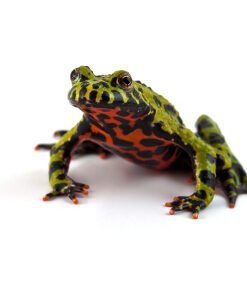
Fire-bellied toads, including the Oriental fire-bellied toad (Bombina orientalis), are recognised for their contrasting green or dark upper surfaces and brightly coloured undersides. Their distinctive appearance makes them particularly interesting to amphibian enthusiasts.
Unlike many terrestrial toads, fire-bellied toads are strongly associated with aquatic environments. They generally benefit from a carefully designed semi-aquatic enclosure that provides clean, suitable water alongside accessible land areas.
Their environmental requirements differ from those of many dry-land toads, so a conventional terrestrial enclosure may not be appropriate. Water quality, temperature, filtration where necessary and access to resting areas should all be considered before purchase.
Fire-bellied toads typically eat small invertebrates, including suitable insects and other appropriately sized prey. Their feeding routine should reflect their size and nutritional needs.
If you are looking for an amphibian with striking colour contrast and interesting aquatic behaviour, explore the available fire-bellied toads and review their specialised care requirements.
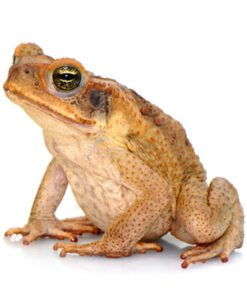
Cane Toads for Sale
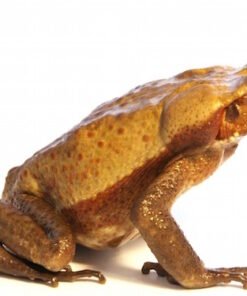
Cane toads (Rhinella marina), historically known in many sources as Bufo marinus, are large, robust amphibians native to Central and South America. They are known for their broad bodies, prominent parotoid glands and ability to consume a wide variety of prey.
Their potential adult size means they require significantly more space than smaller toad species. A suitable enclosure must provide secure housing, appropriate substrate, hiding places and environmental conditions that reflect the animal's needs.
Cane toads also possess toxic secretions, particularly from glands behind the eyes. These secretions can be dangerous to people and other animals if exposure occurs. They should not be considered suitable pets for inexperienced keepers or households unable to maintain safe handling and hygiene practices.
Before purchasing a cane toad, investigate its adult size, specialist care requirements and the laws governing ownership and transport in your location. In some regions, possession or movement may be restricted because of the species' invasive potential.
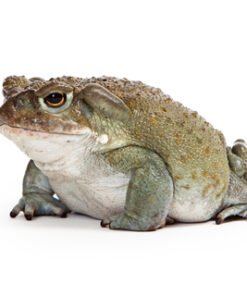
Colorado River Toads for Sale
The Colorado River toad (Incilius alvarius), also known as the Sonoran Desert toad, is a large species native to parts of the southwestern United States and north-western Mexico.
It is known for its substantial body, smooth skin compared with many other toads, and prominent glands that produce biologically active secretions. These secretions can be highly toxic, making careful handling and responsible ownership essential.
Colorado River toads require an enclosure that accommodates their adult size and provides suitable shelter, substrate, temperature and access to clean water. Their exact environmental needs should be researched before purchase.
Because of their specialised safety considerations, potential owners should obtain reliable species-specific guidance and check applicable wildlife regulations. Never handle their secretions or allow them to come into contact with the eyes, mouth or broken skin.
These toads are best considered by keepers who understand their size, environmental needs and potential hazards.
Southern Toads for Sale
Southern toads (Anaxyrus terrestris), previously listed in some sources as Bufo terrestris, are native to the southeastern United States. They have a sturdy build and textured skin, with colouring that can vary between individuals.
They are primarily terrestrial and spend much of their time moving across the ground in search of suitable food and shelter. Their natural habitat includes woodland edges, open areas and other environments where appropriate moisture and hiding places are available.
In captivity, Southern toads need a secure terrestrial enclosure with suitable substrate, sheltered areas, access to clean water and environmental conditions appropriate to the species.
Their diet generally consists of appropriately sized invertebrates. A varied feeding routine and suitable nutritional supplementation should be considered according to their age and needs.
Eastern Spadefoot Toads for Sale
Eastern spadefoot toads (Scaphiopus holbrookii) are distinctive amphibians known for the specialised digging structures on their hind feet. These adaptations help them burrow into soil and spend time underground.
They are adapted to environments where rainfall can be unpredictable. During dry periods, they may remain underground until conditions become suitable for activity and breeding.
Their burrowing behaviour means enclosure design is particularly important. A suitable setup should provide an appropriate substrate for digging, secure housing, access to water and environmental conditions that reflect the species' natural requirements.
Spadefoot toads can be fascinating to observe, but their specialised behaviour means they may spend considerable time hidden. They may be better suited to keepers who appreciate observing naturalistic behaviour rather than expecting a constantly visible pet.
Couch's Spadefoot Toads for Sale
Couch's spadefoot toads (Scaphiopus couchii) are adapted to arid and semi-arid regions of North America, where rainfall may be seasonal and temporary pools can provide opportunities for breeding.
Like other spadefoot toads, they have adaptations that support burrowing and periods of inactivity during unfavourable conditions. Their environmental needs differ from those of amphibians that require continuously wet habitats.
In captivity, careful attention should be given to substrate depth, moisture management, temperature and access to suitable shelter. A dry-looking natural habitat does not mean that the enclosure should be allowed to become unsuitable or dangerously dehydrated.
Research the species thoroughly before purchasing, particularly if you are unfamiliar with amphibians adapted to seasonal environments.
Asian Spiny Toads for Sale
Asian spiny toads (Duttaphrynus melanostictus) are recognisable by their textured skin, prominent ridges and dark markings. They occur across parts of South and Southeast Asia and are associated with a variety of habitats.
These toads are generally terrestrial and feed on suitable invertebrates. Their robust appearance and interesting skin texture make them distinctive compared with smoother-skinned amphibians.
A suitable enclosure should provide secure housing, appropriate substrate, hiding places, access to clean water and a carefully managed temperature range. Their needs should be assessed according to the exact species and the conditions under which the animal was raised.
Before purchasing an Asian spiny toad, confirm its identity and origin, and check any applicable wildlife-trade requirements.
Surinam Toads for Sale
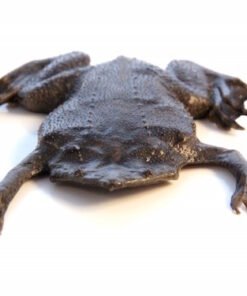
The Surinam toad (Pipa pipa) is one of the most unusual amphibians in the world. Native to South America, it has a flattened body, broad head and specialised reproductive behaviour in which developing young are carried in pockets within the skin on the female's back.
Unlike terrestrial toads, Surinam toads are highly aquatic. They require an appropriately sized aquatic enclosure with suitable water quality, temperature and filtration. Their care should be planned around their aquatic lifestyle rather than the terrestrial setup used for many other toads.
Their feeding routine generally involves suitable aquatic prey or other appropriate food, depending on the individual and its established diet.
Surinam toads can be fascinating for experienced amphibian keepers interested in unusual reproductive adaptations. However, their specialised aquatic requirements make it essential to prepare the habitat carefully before purchase.
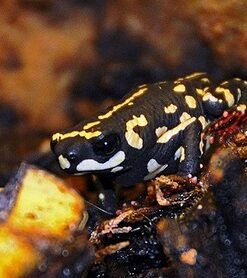
Bumblebee Toads for Sale
Bumblebee toads, including Melanophryniscus stelzneri, are small amphibians known for their striking dark bodies and contrasting yellow, orange or reddish markings.
Their compact size makes them visually distinctive, but small amphibians can have specific feeding and environmental requirements that should not be underestimated.
A suitable enclosure should provide secure shelter, appropriate substrate, access to clean water and environmental conditions tailored to the species. Their small size also means that feeder insects must be appropriately sized.
Before purchasing a bumblebee toad, research its habitat preferences, moisture requirements and feeding routine. Confirm the exact species and source, particularly when comparing similarly named amphibians.
Egyptian Toads for Sale
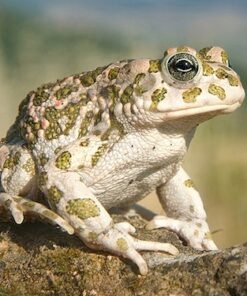
The name Egyptian toad is sometimes used in the pet trade for green toads associated with the Bufotes viridis species group. These amphibians are known for their contrasting green, olive and dark markings.
Their appearance and environmental needs can vary according to the exact species and origin. For that reason, prospective owners should confirm the scientific name in the product listing rather than relying on the common name alone.
Depending on the species, care may involve a terrestrial enclosure with suitable substrate, sheltered areas, temperature management and access to clean water.
These toads generally eat appropriately sized live invertebrates. Their feeding and environmental needs should be researched carefully before purchase.
Western Green Toads for Sale
Western green toads are associated with the Anaxyrus debilis group and are known for their green markings and relatively compact build. Scientific naming can vary between sources and subspecies, so check the exact identification supplied with an individual animal.
Their distinctive colouring makes them interesting to amphibian enthusiasts, while their size may be appealing to keepers who prefer smaller terrestrial species.
A suitable enclosure should offer appropriate substrate, hiding places, access to clean water and environmental conditions suited to the species. Their diet generally consists of small, appropriately sized invertebrates.
As with any toad, suitable husbandry should be established before purchase, and the animal's origin and legal status should be confirmed.
Oak Toads for Sale
Oak toads (Anaxyrus quercicus), previously classified as Bufo quercicus, are among the smaller North American toads. They are native to parts of the southeastern United States and are often associated with sandy habitats, pine woodland and other open environments.
Their small size and terrestrial behaviour make them distinct from larger species such as cane toads. However, they still require a carefully maintained enclosure with suitable substrate, shelter and access to clean water.
Because oak toads are relatively small, they need appropriately sized feeder insects. Their feeding routine and environmental conditions should be matched to their individual requirements.
Before purchasing, consider the species' adult size, availability of suitable food and any legal requirements that may apply.
Red-Spotted Toads for Sale
Red-spotted toads (Anaxyrus punctatus), formerly known as Bufo punctatus, are recognised for their small bodies and reddish or orange spots. They occur in parts of the southwestern United States and northern Mexico.
Their appearance and adaptations make them interesting to keepers who appreciate smaller terrestrial amphibians. They are associated with relatively dry landscapes but still need access to suitable moisture and sheltered microhabitats.
A captive enclosure should provide appropriate substrate, hiding places, access to clean water and a suitable temperature range. Avoid assuming that a species from a dry region can be maintained in a completely dry enclosure.
As with other small toads, feeder size is important, and their diet should consist of suitable invertebrates matched to their size.
Smooth-Sided Toads for Sale
Smooth-sided toads are a common name used for certain South American species, including animals sold under the name Rhaebo guttatus, historically associated with Bufo guttatus.
These amphibians may have different body sizes and environmental requirements from the smaller toads commonly kept in terrestrial vivariums. Confirm the scientific name, expected adult size and habitat needs before purchasing.
Depending on the species, a suitable enclosure may require ample ground space, secure shelter, carefully managed moisture levels and access to clean water.
Their diet should reflect their natural feeding behaviour and include appropriately sized prey. Experienced guidance is recommended when keeping less commonly available species.
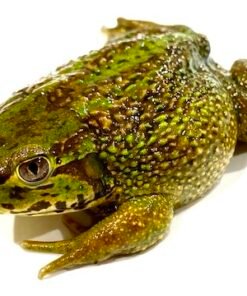
Chilean Wide-Mouthed Toads for Sale
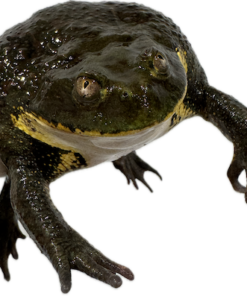
The Chilean wide-mouthed toad (Calyptocephalella gayi) is a large South American amphibian sometimes described as the Chilean helmeted frog. Despite its common name, it is a member of a distinctive amphibian lineage and should not be assumed to have the same care requirements as a typical terrestrial toad.
Its large size and aquatic or semi-aquatic lifestyle mean that enclosure planning is particularly important. A suitable habitat must provide adequate space, appropriate water conditions and environmental management tailored to the species.
Its diet, adult size and long-term care needs should be thoroughly researched before purchase. This species is generally better suited to keepers who can provide substantial housing and specialised care.
Other Toad Species for Sale
Depending on availability, the selection may include leaf toads, crested toads, giant marine toads, smooth-sided toads and other unusual amphibians.
Each species has its own characteristics, including differences in adult size, skin texture, activity patterns, habitat preferences and feeding behaviour.
Some toads are predominantly terrestrial, others spend considerable time around water, and a few have highly specialised lifestyles. Researching the exact species is therefore essential before deciding which animal is right for your setup.
Explore the current listings to discover available toads and compare their individual care requirements.
How to Choose the Right Toad
Selecting a suitable toad involves more than appearance or purchase price. Its long-term needs must fit your experience, available space and ability to maintain appropriate conditions.
Consider the following factors before buying:
- Adult size: Some toads remain relatively small, while others grow into large, heavy-bodied amphibians that require spacious enclosures.
- Habitat type: Determine whether the species needs a terrestrial, semi-aquatic or predominantly aquatic environment.
- Temperature and moisture: Research the required temperature range, humidity and ventilation.
- Feeding requirements: Make sure you can consistently provide appropriately sized live invertebrates or other suitable food.
- Activity patterns: Some toads are nocturnal or spend extended periods underground, while others may be more visible.
- Handling and safety: Certain species produce irritating or toxic secretions and should not be handled unnecessarily.
- Long-term commitment: Research the expected lifespan and ongoing costs of housing, food and veterinary care.
- Legal requirements: Confirm that the species can legally be purchased, kept and transported in your location.
For a first amphibian, choose a species with reliable care information and a well-established captive husbandry history. More unusual or larger species may require specialist equipment and access to an amphibian veterinarian.
Essential Toad Care Requirements
Although toads are often associated with dry environments, their care requirements vary considerably. Many need access to clean water and suitable moisture levels even when they spend much of their time on land.
A well-designed enclosure should reflect the natural behaviour and environmental needs of the exact species.
Enclosure and Substrate
Terrestrial toads generally benefit from an enclosure with suitable ground space, hiding places and substrate that allows normal movement and, for burrowing species, digging.
Choose substrate according to the species' requirements and ensure it is free from pesticides, fertilisers and other contaminants. Avoid materials that could cause injury or create a significant risk if accidentally swallowed.
Aquatic and semi-aquatic species need a different setup, including suitable water depth, safe access to resting areas and appropriate water-quality management.
Always provide secure housing to prevent escapes and protect the animal from household hazards.
Temperature and Humidity
Toads are ectothermic, meaning their body temperature is influenced by the surrounding environment. Temperature affects their activity, digestion and overall welfare.
The correct range depends on the species and its natural habitat. Desert-adapted, temperate and tropical toads should not all be maintained under identical conditions.
Use reliable monitoring equipment and avoid extreme heat, rapid fluctuations or inappropriate humidity. Even species from relatively dry environments may require access to a moist retreat.
Lighting and Day-Night Cycles
A consistent day-and-night cycle helps maintain an appropriate captive environment. Lighting requirements vary between species and may also depend on whether the enclosure contains live plants.
Some amphibians may benefit from carefully selected low-level ultraviolet B lighting, while other setups require a different approach. Research the exact species before choosing equipment.
Avoid direct sunlight through glass, as it can cause dangerous overheating, and provide sheltered areas where the toad can retreat from bright light.
Feeding and Nutrition
Most terrestrial toads eat invertebrates, including suitable crickets, roaches, worms and other live feeder organisms. The appropriate prey depends on the species, age and size of the individual.
Small toads require small prey, while larger species may accept larger food items. Do not feed insects that are too large or collect wild prey from areas that may have been treated with pesticides.
Gut-loading feeder insects and using suitable vitamin or mineral supplements may help meet nutritional requirements. The appropriate method depends on the species and its overall husbandry.
Avoid overfeeding and monitor the animal's body condition. If the toad persistently refuses food or develops abnormal symptoms, seek advice from a qualified amphibian veterinarian.
Water and Hygiene
Clean water is essential for many toads, even those that spend most of their time on land. Amphibians have permeable skin and can be particularly sensitive to contaminants.
Provide water appropriate to the species and ensure that the container is easy to enter and leave safely. Aquatic species may require more specialised filtration and water-quality monitoring.
Remove waste and uneaten food regularly, clean equipment appropriately and avoid household cleaning products that could leave harmful residues.
Handling and Safety
Toads are generally best observed rather than handled frequently. Their skin may release defensive substances, and some species produce secretions that can irritate the eyes, mouth or skin.
Avoid touching the animal unnecessarily. When contact is required for essential care, follow species-specific hygiene guidance and wash your hands thoroughly afterwards.
Never touch your eyes or mouth after handling a toad or its enclosure. Keep amphibians away from food-preparation areas and supervise access by children and other pets.
Some species, including cane toads and Colorado River toads, require particularly careful safety precautions because of their toxic secretions. Research these risks before considering ownership.
Why Choose Captive-Bred Toads?
Captive-bred toads may be a responsible option when available from a reputable source. Captive breeding can reduce demand for wild-collected animals and may provide better information about an individual's feeding history and development.
However, captive-bred status should be confirmed rather than assumed. Ask about the animal's origin, current condition, feeding routine and any care information available.
Wildlife collection and trade can affect vulnerable populations, while some amphibians are subject to legal protections or restrictions. Verify the relevant regulations before purchasing, especially if the animal will cross international borders.
Choose suppliers who provide clear species identification and responsible sourcing information.
Why Explore Our Toads for Sale?
Our Toads for Sale category offers an opportunity to discover a diverse range of amphibians with distinctive appearances, natural adaptations and different husbandry requirements.
- Species variety: Explore fire-bellied toads, spadefoot toads, cane toads, Surinam toads and other species, depending on availability.
- Distinctive appearances: Compare different colours, patterns, body shapes and skin textures.
- Interesting behaviours: Discover burrowing, aquatic activity and other specialised adaptations.
- Informed selection: Review individual listings and research the exact species before purchasing.
- Responsible ownership: Prepare suitable housing, food supplies and environmental monitoring equipment in advance.
Check each product listing for current availability, species information, animal size and delivery arrangements. Any shipping or live-arrival guarantees should be confirmed through the seller's actual terms and conditions.
Frequently Asked Questions About Toads for Sale
What types of toads are available for sale?
Depending on availability, the selection may include fire-bellied toads, cane toads, Colorado River toads, Southern toads, spadefoot toads, Asian spiny toads, Surinam toads, bumblebee toads and other species. Check the current listings for available animals.
Are toads suitable for beginners?
Some species may be suitable for prepared beginners who have researched their needs and established an appropriate enclosure. Larger species, aquatic species and toads with significant defensive toxins may require more experience. Choose according to your abilities and the species' care requirements.
What do toads eat?
Most terrestrial toads eat live invertebrates such as crickets, roaches and suitable worms. The size and type of prey depend on the species and the animal's age. Some aquatic species have different feeding requirements.
Do toads need water?
Many toads need access to clean water even if they spend most of their time on land. Aquatic species require more specialised water conditions. The correct setup depends on the exact species.
Do all toads have dry skin?
No. Toads often have more textured skin than many frogs, but their skin still plays an important role in water balance and physiological function. They should not be treated as animals that can be kept without appropriate moisture and access to clean water.
Can toads be handled?
Toads are generally better suited to observation than frequent handling. Their skin is sensitive, and some species produce defensive secretions that can be irritating or toxic. Avoid unnecessary contact and follow appropriate hygiene precautions.
Are cane toads dangerous?
Cane toads produce defensive secretions that can be dangerous to people and other animals if exposure occurs. They require careful handling precautions and are subject to restrictions in some regions. Research their risks and legal status before considering ownership.
How large do toads grow?
Adult size varies widely by species. Some remain relatively small, while giant species can become very large and require substantial enclosures. Research the expected adult size before purchasing a toad.
How long do toads live?
Lifespan varies by species, genetics and husbandry. Some toads can live for many years in captivity, so prospective owners should consider the long-term commitment involved in maintaining suitable housing, food and veterinary care.
Can different toad species live together?
Keeping different species together is generally discouraged unless a qualified amphibian specialist confirms that a particular arrangement is appropriate. Differences in size, environmental needs, disease susceptibility and defensive secretions can create welfare risks.
What should I prepare before buying a toad?
Prepare a secure enclosure with suitable substrate, hiding places, temperature and humidity monitoring equipment, access to clean water and a reliable food supply. Aquatic species may require additional equipment. Research the animal's specific needs before bringing it home.
Are captive-bred toads a good choice?
Captive-bred toads can be a responsible option when sourced from a reputable supplier. Confirm the animal's origin and feeding history, and check applicable ownership and wildlife-trade regulations.
Find Your Ideal Toad
Explore our Toads for Sale category to discover fascinating amphibians with a wide range of colours, sizes and natural adaptations. From fire-bellied toads and spadefoot toads to larger and more specialised species, compare the available listings and learn what makes each animal unique.
Responsible toad keeping begins with choosing a suitable species, preparing an appropriate enclosure and understanding its feeding, environmental and safety requirements. Take time to research the individual animal before purchasing and ensure you can provide suitable care throughout its life.
Browse the current listings to discover available toads and find an amphibian that matches your experience, facilities and commitment to responsible animal care.