

Feeder Lizards for Sale – Live Prey for Suitable Reptiles
Explore our Feeder Lizards for Sale category to discover live feeder lizards intended for reptiles with specialised dietary requirements. Certain snake species and other carnivorous reptiles naturally consume small lizards in the wild, and appropriately sized feeder lizards may help replicate aspects of their natural feeding behaviour in captivity.
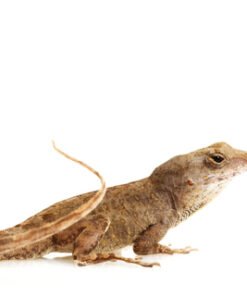
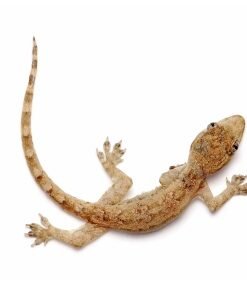
Depending on availability, our selection may include feeder anoles and house geckos. These small lizards can be considered for suitable predators that recognise lizard prey or are reluctant to accept other food types.
However, feeder lizards are not appropriate for every reptile, and their suitability depends on the predator’s species, size, nutritional requirements and established feeding routine.
Choosing the right prey is an important part of responsible reptile care. Before purchasing, research your animal’s natural diet, confirm the appropriate prey size and consider whether suitable frozen-thawed alternatives are available.
A carefully planned feeding routine should prioritise the predator’s nutritional needs, welfare and safety. Browse our Feeder Lizards for Sale category to explore available feeder options, compare quantities and review the information provided for each product.
Feeder Lizards for Sale
Feeder Lizards for Sale
Feeder Lizards for Sale
Explore Different Types of Feeder Lizards for Sale
Feeder lizards differ in size, behaviour and suitability for different predators. Understanding these differences can help you make an informed decision when selecting live prey for your reptile.
Feeder Anoles for Sale
Anoles are small lizards belonging to the family Dactyloidae. Various anole species inhabit tropical and subtropical environments, where they feed primarily on insects and other small invertebrates.
Certain feeder anoles may be suitable prey for snakes and other carnivorous reptiles that naturally consume small lizards. Their suitability depends on the predator's size, feeding behaviour and nutritional requirements.
When selecting feeder anoles, check the species information and available sizes. Adult anoles may be too large for some predators, while smaller prey may be more appropriate for younger or smaller animals.
As with any live feeder animal, confirm that the anoles come from a reliable source and have been maintained under suitable conditions. Avoid using wild-caught lizards from unknown environments because they may have been exposed to pesticides, parasites or other contaminants.
Explore the available feeder anoles to determine whether they are appropriate for your reptile's feeding programme.
Feeder House Geckos for Sale
House geckos, including the common house gecko (Hemidactylus frenatus), are small, agile lizards found in many warm regions of the world.
Their relatively compact size makes them a potential prey option for certain lizard-eating snakes and other suitable carnivorous reptiles. However, not every predator will accept house geckos, and their size must be appropriate for the individual animal being fed.
When considering feeder house geckos, review the product details carefully and ensure the prey is suitable for your reptile's feeding ability. The predator's normal diet should guide your decision rather than availability alone.
House geckos should be sourced responsibly, with attention to animal health, hygiene and applicable wildlife regulations. Keep feeder animals appropriately housed until they are needed, and avoid overcrowding or unsuitable environmental conditions.
If your reptile has a history of refusing conventional feeder prey, consult an experienced reptile veterinarian or qualified keeper to determine whether feeder geckos are a suitable option.
Why Are Feeder Lizards Used?
Some reptiles have specialised feeding preferences and naturally consume other vertebrates, including small lizards. In captivity, suitable feeder lizards may be considered when they align with the predator's established dietary requirements.
For certain snakes, introducing an appropriate prey type may help accommodate natural feeding behaviour. Nevertheless, live lizards should not automatically be treated as nutritionally superior to other suitable food sources.
The nutritional value of prey depends on several factors, including species, size, age and condition. Feeding decisions should therefore be based on reliable guidance for the predator rather than assumptions about one type of prey.
Feeder lizards may be considered for:
- Certain lizard-eating snakes with established dietary preferences.
- Carnivorous reptiles whose natural diets include suitable small lizards.
- Specific feeding situations where a qualified reptile specialist recommends an appropriate prey type.
Not every snake, monitor lizard or other carnivorous reptile requires whole lizard prey. Many species can be maintained on appropriately sized rodents, insects or other nutritionally suitable foods.
Choosing the Right Feeder Lizard for Your Reptile
Selecting appropriate prey involves more than choosing a feeder by name. The predator's species, age, size, feeding history and nutritional requirements should all be considered.
Consider the Predator's Natural Diet
Research your reptile's natural feeding behaviour before purchasing feeder lizards. Some snakes regularly consume lizards, while others are adapted to eating rodents, amphibians, birds or a wider range of prey.
If your reptile has a specialised diet, seek advice from a qualified reptile veterinarian or an experienced specialist who understands that species.
Choose an Appropriate Prey Size
The feeder lizard must be an appropriate size for the predator to consume safely. Prey that is too large may lead to regurgitation, injury or feeding difficulties.
Size requirements vary between reptile species, so avoid applying a single sizing rule to every predator. Review species-specific feeding recommendations and consider the animal's established feeding history.
Review the Feeder's Condition
Choose feeder animals from a reputable source and check the available information about their condition, origin and handling.
Do not use visibly injured, severely weakened or otherwise unhealthy feeder animals. Appropriate sourcing and hygienic handling help reduce avoidable risks.
Consider Suitable Alternatives
Where appropriate, frozen-thawed prey may provide an alternative to live feeding. Many commonly kept snakes can be maintained on suitable frozen-thawed food, although acceptance varies by species and individual.
If your reptile refuses its usual food, investigate possible environmental, health or husbandry issues rather than relying solely on a change in prey type. A qualified reptile veterinarian can help identify the cause of persistent feeding difficulties.
Feeding Safety and Responsible Husbandry
Feeding live vertebrate prey requires careful consideration of animal welfare. Unlike appropriately prepared frozen-thawed prey, live animals can injure a predator during a feeding attempt, and a predator may also injure prey without consuming it.
Where live feeder lizards are used, ensure that the feeding method is appropriate for the species and that the process is monitored responsibly. Do not leave live prey with a predator unattended when doing so could result in injury or prolonged distress.
Other important precautions include:
- Maintain feeder animals in suitable, secure housing before feeding.
- Avoid overcrowding and provide appropriate environmental conditions.
- Use clean equipment and practise good hygiene when handling animals.
- Do not release unwanted feeder animals into the environment.
- Follow applicable animal-welfare and wildlife-trade regulations.
- Consult a qualified reptile veterinarian if feeding problems persist.
Responsible feeding should support the predator's health while minimising avoidable suffering for both predator and prey.
Maintaining Feeder Lizards Before Feeding
Proper care before feeding helps maintain feeder animals in suitable condition. Housing requirements differ between anoles, geckos and other small lizard species, so use guidance appropriate to the feeder being kept.
Suitable Housing
Use a secure enclosure with sufficient space, appropriate ventilation and suitable hiding places. Prevent escapes and avoid housing incompatible animals together.
The enclosure should be easy to inspect and clean, allowing you to monitor the condition of the feeder animals.
Temperature and Environmental Conditions
Feeder lizards are ectothermic and rely on external environmental conditions to regulate their body temperature. Provide the appropriate temperature range, lighting and humidity for the species being maintained.
Avoid extreme temperatures, direct exposure to intense heat and unsuitable moisture levels. The correct conditions help reduce stress and support the animals' welfare during their time in captivity.
Food and Hydration
Provide suitable food and access to appropriate hydration according to the feeder species' requirements. Although feeder lizards are intended as prey, their welfare during holding remains important.
Do not assume that every feeder species has identical dietary needs. Follow reliable care instructions and avoid feeding potentially contaminated insects or other food sources.
Hygiene and Health Monitoring
Inspect feeder animals regularly for injuries, abnormal behaviour or signs of poor condition. Remove waste and maintain clean housing to reduce hygiene problems.
If feeder animals show signs of illness, do not introduce them to your predator's enclosure. Seek appropriate veterinary guidance and review the sourcing and husbandry arrangements.
Buying Feeder Lizards Online
Purchasing feeder lizards online can be convenient for reptile keepers who require a particular prey type or quantity. Availability may vary by species, size and supplier, so it is important to review individual product listings before ordering.
When comparing available feeder lizards, consider:
- Species identification: Confirm whether the product contains anoles, house geckos or another feeder species.
- Available quantities: Choose an order size that matches your feeding requirements and capacity to maintain the animals appropriately.
- Size information: Ensure the feeder animals are suitable for your intended predator.
- Animal condition: Review any available information about sourcing, health and husbandry.
- Delivery arrangements: Check shipping methods, expected delivery timing and the supplier's policies for live animals.
- Legal compliance: Confirm that purchasing, transporting and keeping the feeder species are permitted in your location.
Live animals are sensitive to transport conditions, so delivery arrangements and appropriate care after arrival are important considerations. Review the seller's actual policies rather than assuming that every supplier offers the same shipping service or live-arrival guarantee.
Why Explore Our Feeder Lizards for Sale?
Our Feeder Lizards for Sale category is intended to help reptile keepers explore live prey options for predators with appropriate dietary requirements.
- Different feeder options: Discover feeder anoles and house geckos, depending on availability.
- Species-specific selection: Compare available feeder types to determine which may be suitable for your reptile.
- Quantity choices: Review the available order sizes and choose according to your feeding needs.
- Informed purchasing: Check species identification, size information and product details before ordering.
- Responsible feeding: Make decisions that prioritise animal welfare, nutritional suitability and safe feeding practices.
Always check the current listings for availability, product specifications and delivery terms. Select feeder lizards only when they are appropriate for the predator's natural diet and established care requirements.
Frequently Asked Questions About Feeder Lizards for Sale
What are feeder lizards?
Feeder lizards are small lizards supplied as prey for suitable carnivorous reptiles. They may be used for certain snakes and other predators whose natural diets include lizards. Their suitability depends on the predator's species, size and nutritional requirements.
What types of feeder lizards are available?
Depending on availability, feeder lizards may include anoles and house geckos. Check the current product listings for exact species identification, available quantities and size information.
Which reptiles eat feeder lizards?
Certain lizard-eating snakes and other carnivorous reptiles may consume suitable small lizards. However, many commonly kept reptiles have different dietary requirements, so feeder lizards should only be offered when appropriate for the specific species.
Are feeder lizards suitable for all snakes?
No. Some snakes naturally consume lizards, while others primarily eat rodents, amphibians, birds or other prey. Research your snake's natural diet and seek specialist advice if you are unsure which food is appropriate.
Are feeder anoles suitable for snakes?
Feeder anoles may be appropriate for certain snakes that naturally eat small lizards. The size and species of the anole must be suitable for the predator. Not every snake will accept them, and they should not replace a nutritionally appropriate established diet without a clear reason.
Are feeder house geckos suitable for reptiles?
House geckos may be suitable prey for certain carnivorous reptiles, depending on the predator's species and size. Confirm that the feeder is appropriately sized and sourced from a reliable supplier.
Are live feeder lizards better than frozen-thawed prey?
Not necessarily. The appropriate choice depends on the predator's natural diet, health and feeding history. Suitable frozen-thawed prey can be a practical alternative for many reptiles and avoids the risks associated with live prey injuring a predator. Consult a qualified reptile veterinarian if you are unsure which method is appropriate.
Can feeder lizards injure a snake?
Yes. Live prey can bite, scratch or otherwise injure a predator during a feeding attempt. Feeding should be managed responsibly, and live prey should not be left unattended with a predator when injury is possible.
How many feeder lizards should I purchase?
The quantity depends on your reptile's feeding frequency, size, dietary requirements and the conditions available for maintaining the feeder animals. Review the available product quantities and avoid purchasing more animals than you can house and use responsibly.
How should feeder lizards be kept before feeding?
Provide secure housing, suitable temperatures, appropriate humidity, access to food and hydration, and regular hygiene maintenance. Requirements vary between species, so follow care guidance specific to the feeder lizard you purchase.
Can feeder lizards be kept as pets?
Some species used as feeder lizards can also be kept as pets when their needs are met. However, animals sold specifically as feeders may have different sourcing histories or limited individual care information. Before keeping one as a pet, confirm its species, health, origin and long-term husbandry requirements.
What should I check before ordering feeder lizards?
Confirm the feeder species, available size, quantity, condition, shipping arrangements and any relevant live-animal policies. You should also verify that the species is suitable for your predator and that the purchase complies with applicable regulations.
Find Suitable Feeder Lizards for Your Reptile
Explore our Feeder Lizards for Sale category to discover available feeder anoles, house geckos and other suitable options where offered. Compare species information, quantities and product details before deciding which prey type is appropriate for your animal.
Responsible reptile feeding starts with understanding the predator's natural diet, selecting appropriately sized prey and maintaining good husbandry practices. Consider suitable frozen-thawed alternatives where possible, and seek specialist advice if your reptile has persistent feeding difficulties.
Browse the current listings to explore available feeder lizards and make an informed decision based on your reptile's nutritional needs, welfare and established feeding routine.