

Fired Bellied Toad for Sale
€79,99
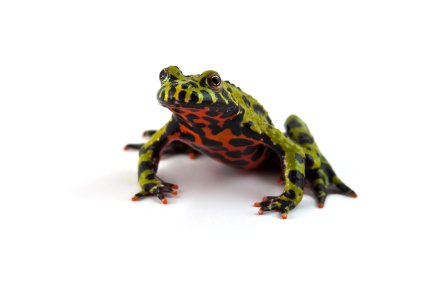
Fire-Bellied Toads for Sale – Large Stock Available! Discover the colourful Oriental Fire-Bellied Toad (Bombina orientalis), admired for its bright green back, black markings and vivid orange-red belly.
These active, semi-aquatic amphibians typically reach 4–6 cm and require a secure habitat with shallow water, suitable land areas and clean water.
We have a large stock available; contact us to enquire about current availability, specimen details and delivery options. Check local regulations and care requirements before ordering.
Fire-Bellied Toad for Sale – Discover These Colourful Semi-Aquatic Amphibians
Looking for a colourful and fascinating amphibian for your collection? Explore our Fire-Bellied Toad for Sale listing and discover a species admired for its vibrant markings, active behaviour and distinctive appearance.
Fire-bellied toads are popular among amphibian enthusiasts because they are relatively small, spend time both on land and in water, and can be fascinating to observe in a well-maintained habitat. The name Fire-Bellied Toad commonly refers to several species within the genus Bombina.
One of the most popular is the Oriental Fire-Bellied Toad (Bombina orientalis), native to parts of north-eastern China, the Korean Peninsula and the Russian Far East. This species is recognised by its green or darkly mottled back and striking orange-red underside, often marked with irregular black patches.
Despite the common name, fire-bellied toads are technically frogs rather than true toads. Their colourful undersides serve as warning signals to potential predators, while defensive skin secretions help protect them from threats.
Adult Oriental Fire-Bellied Toads typically measure around 4–6 cm in body length. Although small, they are active amphibians that benefit from an appropriately sized, secure enclosure with both land and shallow freshwater areas.
A suitable habitat should provide clean, dechlorinated water, a moist terrestrial section, hiding places and good ventilation. Browse our Fire-Bellied Toad for Sale listing to check current availability and specimen details.
Before purchasing, confirm the exact species, size, feeding history and sourcing information. Preparing the enclosure in advance is essential for providing a suitable environment from the moment your new amphibian arrives.
Fire-Bellied Toad Characteristics
- Common name: Fire-Bellied Toad.
- Popular species: Oriental Fire-Bellied Toad.
- Scientific name: Bombina orientalis.
- Family: Bombinatoridae.
- Animal group: Amphibians.
- Natural distribution: North-eastern China, the Korean Peninsula and parts of the Russian Far East.
- Natural habitat: Wetlands, ponds, marshes, shallow streams and other moist environments.
- Adult size: Approximately 4–6 cm in body length.
- Appearance: Green or darkly mottled back with a vivid orange-red underside and black markings.
- Lifestyle: Semi-aquatic and often active during daylight hours.
- Diet: Carnivorous, feeding mainly on suitable insects and other small invertebrates.
- Enclosure: A secure semi-aquatic terrarium with land and shallow water sections.
- Temperature: Approximately 18–24°C is a useful general reference, with the precise gradient adjusted to the species and husbandry advice.
- Humidity: Approximately 60–80% can serve as a starting reference, with suitable ventilation and access to clean water.
- Lifespan: Often around 10–15 years in captivity, with some individuals living longer under suitable conditions.
- Handling: Minimise handling because the skin produces defensive secretions.
- Availability: Subject to current stock and supplier confirmation.
These figures are general references for the Oriental Fire-Bellied Toad. Other species sold under the common name may have different requirements, so always verify the animal’s identity before purchasing.
Why Choose a Fire-Bellied Toad?
Striking Natural Colouration
Fire-bellied toads are best known for their contrasting colours. The upper surface is commonly green or darkly mottled, while the underside displays orange, red or yellow tones with dark markings.
The vivid belly is associated with defensive warning behaviour. When threatened, the animal may arch its body or raise its limbs to expose the bright underside.
Compact Adult Size
Oriental Fire-Bellied Toads generally grow to around 4–6 cm, making them considerably smaller than many other amphibians.
Their compact size allows keepers to create a carefully arranged semi-aquatic habitat without needing the enormous enclosure required by larger frog species. Nevertheless, adequate floor space, water area and secure housing remain essential.
Active Behaviour
These amphibians can be active during daylight hours, moving between land and water while exploring their surroundings and searching for food.
Their behaviour makes them interesting to observe in a naturalistic terrarium that provides suitable cover, shallow water and places to rest.
Semi-Aquatic Lifestyle
Fire-bellied toads require access to both terrestrial and aquatic environments. A well-designed enclosure allows them to move easily between damp land and shallow water.
This combination of habitats is an important consideration when preparing an enclosure and makes the species different from amphibians that live almost entirely on land.
Suitable for Observation
Fire-bellied toads are best appreciated through observation rather than frequent handling. Their activity, feeding behaviour and distinctive defensive displays can make them rewarding animals for enthusiasts who enjoy learning about amphibians.
Their skin secretions and environmental requirements must always be taken seriously, even though the species is relatively small.
Physical Appearance and Adult Size
Green and Darkly Mottled Back
The Oriental Fire-Bellied Toad typically has a green, olive or darkly mottled upper surface. Small raised bumps may be visible on the skin, adding to its distinctive texture.
Colouration and markings vary between individuals, so the specimen supplied may not look exactly like a photograph on the product page.
Bright Orange-Red Underside
The underside is usually orange-red or yellow-orange, with irregular dark markings. These colours function as a warning to potential predators.
The animal may expose its underside when disturbed or threatened. This behaviour is part of its natural defence rather than a sign that it should be handled.
How Large Does a Fire-Bellied Toad Grow?
Oriental Fire-Bellied Toads usually reach approximately 4–6 cm in body length as adults. Females are often slightly larger and rounder than males.
Growth depends on genetics, nutrition, age and environmental conditions. Confirm the current size and developmental stage of the individual offered before ordering.
Natural Habitat and Behaviour
Native to North-Eastern Asia
The Oriental Fire-Bellied Toad is native to parts of China, Korea and the Russian Far East. It occurs in moist environments associated with freshwater, including ponds, marshes and shallow waterways.
Its natural distribution helps explain why a suitable captive enclosure must include water as well as a terrestrial area.
Semi-Aquatic Lifestyle
Fire-bellied toads spend time both in water and on land. They often sit in shallow water but also need accessible, moist terrestrial areas for resting and exploring.
The enclosure should provide an easy transition between both environments. Avoid steep-sided water sections that prevent the animal from leaving the water comfortably.
Daytime Activity
Oriental Fire-Bellied Toads are often active during the day. They may explore their enclosure, feed and interact with their surroundings when conditions are suitable.
Provide secure hiding places so the animal can retreat when it wants privacy or rest.
Defensive Behaviour
When threatened, fire-bellied toads may display their brightly coloured undersides. They also produce defensive skin secretions that can irritate people and other animals.
Avoid unnecessary handling and never allow the animal’s secretions to contact your eyes, mouth or broken skin.
Fire-Bellied Toad Enclosure Setup
A suitable enclosure should provide a balanced combination of shallow water, damp land, secure hiding places and good ventilation.
Enclosure Size
For a small group of adult Oriental Fire-Bellied Toads, a long terrarium or aquarium measuring approximately 60 × 30 × 30 cm can serve as a starting point, provided it offers sufficient usable land and water areas.
Larger enclosures are preferable when keeping several animals. The enclosure should be adapted to the number, size and behaviour of the individuals, with enough room to prevent overcrowding.
Always use a secure, escape-resistant lid. Fire-bellied toads can climb and may escape through surprisingly small openings.
Land and Water Areas
Create a semi-aquatic habitat with both terrestrial and aquatic sections. A roughly balanced land-to-water arrangement is a practical starting point, but the exact proportions can be adjusted to the enclosure design and the animals’ needs.
The water should be shallow enough for the toads to rest comfortably and leave easily. Provide gentle slopes, stable platforms or other accessible routes between water and land.
Substrate
Use a safe, moisture-retaining substrate suitable for amphibians. Appropriate options may include additive-free soil mixtures and other specialist substrates recommended for the species.
Avoid fertilisers, pesticides, sharp particles and loose materials that could be swallowed accidentally. Ensure that the terrestrial section remains damp without becoming waterlogged.
Hiding Places and Plants
Provide secure hides, suitable aquatic plants and terrestrial cover. Plants can help create a more natural environment and provide shelter, although all furnishings should be safe and easy to maintain.
Make sure rocks, branches and decorations cannot fall or trap the animals.
Water Quality
Use clean, dechlorinated freshwater. Fire-bellied toads are sensitive to unsuitable water conditions, so regular cleaning and water changes are important.
Remove waste and uneaten food promptly. If using filtration, choose a gentle system that does not create strong currents in the shallow water section.
Secure Lid and Ventilation
Use a tightly fitting lid to prevent escapes. Maintain sufficient airflow to reduce stagnant conditions while keeping the terrestrial section appropriately moist.
Check the enclosure regularly for gaps, damaged fittings, mould and accumulated waste.
Temperature Requirements
Oriental Fire-Bellied Toads generally do well at moderate temperatures. A range around 18–24°C is a useful starting reference, although the exact conditions should be confirmed for the individual and its setup.
- General temperature: Approximately 18–24°C.
- Cooler areas: Provide an area where the animal can move away from warmer conditions.
- Night-time conditions: A modest natural drop may be appropriate, provided temperatures remain within the species’ safe range.
- Monitoring: Use accurate thermometers to check both land and water temperatures.
Avoid excessive heat. Sustained high temperatures can be dangerous for these amphibians, and intense basking lamps are usually unnecessary. If additional heating is required, use a suitable thermostat-controlled system and ensure the animal can move away from the heat source.
Humidity Requirements
Fire-bellied toads need a moist environment, but humidity must be balanced with adequate ventilation.
A relative humidity range of approximately 60–80% can serve as a starting reference for the Oriental Fire-Bellied Toad. Use a hygrometer to monitor conditions and adjust the moisture level according to the enclosure’s design.
Maintain damp substrate in the terrestrial section and provide constant access to clean water. Avoid allowing the substrate to become saturated or permitting stagnant air to accumulate.
Misting may help maintain appropriate moisture, but it should not replace proper enclosure design, clean water or regular maintenance.
What Do Fire-Bellied Toads Eat?
Fire-bellied toads are carnivorous and feed primarily on suitable insects and other small invertebrates. Food must be appropriately sized and nutritionally suitable for the individual.
Crickets
Small, appropriately sized crickets are a common feeder option. Choose healthy insects from a reliable supplier and avoid prey that is too large for the toad to swallow safely.
Fruit Flies
Fruit flies can be useful for smaller juveniles when their size is appropriate. They are particularly helpful when feeding young amphibians that cannot manage larger prey.
Earthworms
Small, suitable earthworms can provide dietary variety. Use a reliable source and avoid worms collected from areas treated with pesticides or other potentially harmful chemicals.
Small Cockroaches and Other Invertebrates
Other suitable feeder invertebrates may be offered to provide variety. Select prey according to the toad’s size and feeding ability.
Avoid wild-caught insects of unknown origin, as they may carry pesticides or other contaminants.
Feeding Frequency
Feeding frequency depends on age, size, body condition and activity. Growing juveniles generally need more frequent feeding than adults.
Monitor body condition and adjust portions accordingly. Remove uneaten prey to prevent contamination and avoid overfeeding.
Nutritional Supplementation
Feeder insects should be appropriately nourished before feeding. Calcium and vitamin supplementation may be necessary depending on the animal’s diet and husbandry conditions.
Follow a suitable amphibian nutrition plan rather than applying excessive supplements or using an arbitrary schedule.
Lifespan and Long-Term Care
Fire-bellied toads can live for many years in captivity. A lifespan of approximately 10–15 years is a useful general estimate for the Oriental Fire-Bellied Toad, although some individuals may live longer.
Responsible long-term care includes:
- Maintaining a suitable semi-aquatic enclosure.
- Providing clean, dechlorinated water.
- Monitoring temperature and humidity.
- Offering a varied diet of suitable feeder invertebrates.
- Maintaining good hygiene.
- Monitoring appetite, activity and body condition.
- Minimising unnecessary handling.
- Seeking advice from an amphibian-experienced veterinarian when health concerns arise.
Before purchasing, consider the long-term commitment involved and ensure you can maintain suitable conditions throughout the animal’s life.
Handling and Safety
Fire-bellied toads are observation animals rather than pets for frequent handling.
Their skin produces defensive secretions that can cause irritation, especially if transferred to the eyes or mouth. Contact with these secretions should be avoided.
When essential handling is required for enclosure maintenance or veterinary care, use an appropriate clean transfer container and follow specialist advice. Avoid touching the animal with hands contaminated by soaps, lotions or chemicals.
Wash your hands thoroughly after cleaning the enclosure or handling equipment, and keep the animals away from children and pets that might disturb or ingest them.
Do not house fire-bellied toads with unrelated amphibian species. Differences in environmental requirements, potential disease transmission and defensive secretions can create risks.
Are Fire-Bellied Toads Suitable for Beginners?
The Oriental Fire-Bellied Toad can be a manageable choice for a prepared beginner who has researched its requirements and can maintain a suitable semi-aquatic habitat.
However, its care should not be considered maintenance-free. Water quality, moisture, temperature, feeding and enclosure security all require regular attention.
Before purchasing, make sure you can:
- Provide suitable land and shallow water areas.
- Maintain clean, dechlorinated water.
- Keep temperature and humidity within an appropriate range.
- Supply suitable live feeder invertebrates.
- Maintain a secure enclosure.
- Avoid unnecessary handling.
- Protect children and other pets from contact.
- Arrange appropriate veterinary care.
If you are new to amphibian keeping, research the exact species and prepare its enclosure before ordering.
Responsible Sourcing and Purchasing
Before purchasing a Fire-Bellied Toad, confirm the exact species being offered. The common name can refer to more than one Bombina species, and their care requirements may differ.
Ask the supplier about:
- Scientific identification.
- Current size and developmental stage.
- Captive-bred or wild-collected status, where documented.
- Feeding history and accepted prey.
- Relevant health and sourcing information.
- Current availability.
- Shipping eligibility and delivery arrangements.
- Applicable wildlife ownership and import regulations.
Responsible sourcing helps buyers make informed decisions and supports better animal welfare. Never release a captive amphibian into the wild.
Ordering a Fire-Bellied Toad Online
Before completing your purchase, review the product listing and confirm the animal’s identity, size, feeding history and current availability.
Make sure the enclosure is ready before arrival, with clean water, suitable temperatures, a damp terrestrial section and secure hiding places.
Check the supplier’s shipping policy, packaging arrangements and any live-arrival guarantee, including its conditions. Confirm that delivery to your location is permitted under applicable laws.
Frequently Asked Questions
What is a Fire-Bellied Toad?
A Fire-Bellied Toad is a small, semi-aquatic amphibian commonly belonging to the genus Bombina. The Oriental Fire-Bellied Toad (Bombina orientalis) is one of the most popular species kept in captivity.
Why is it called a Fire-Bellied Toad?
The name comes from its vivid orange, red or yellow underside, often marked with black patches. These colours serve as a warning signal to potential predators.
How large does a Fire-Bellied Toad grow?
Oriental Fire-Bellied Toads typically reach approximately 4–6 cm in body length as adults.
What do Fire-Bellied Toads eat?
They eat suitable insects and other small invertebrates, including appropriately sized crickets, fruit flies and earthworms.
What temperature does a Fire-Bellied Toad need?
Approximately 18–24°C is a useful general reference for Oriental Fire-Bellied Toads. Avoid excessive heat and monitor the enclosure using accurate thermometers.
What humidity does a Fire-Bellied Toad need?
A range around 60–80% relative humidity can serve as a starting reference, alongside clean water, damp substrate and adequate ventilation.
How long does a Fire-Bellied Toad live?
Oriental Fire-Bellied Toads commonly live around 10–15 years in captivity, with some individuals living longer.
Can Fire-Bellied Toads live in water all the time?
They are semi-aquatic and need access to both water and land. Provide shallow water and an easy route to a suitable terrestrial resting area.
Are Fire-Bellied Toads poisonous?
They produce defensive skin secretions that can irritate people and other animals. Avoid unnecessary handling and prevent contact with the eyes and mouth.
Can Fire-Bellied Toads live together?
They can sometimes be kept in compatible groups when sufficient space and appropriate conditions are provided. Monitor feeding and behaviour, avoid overcrowding and do not mix them casually with other amphibian species.
Can I buy Fire-Bellied Toads online?
Availability depends on the supplier, current stock and the laws that apply to your location. Confirm the exact species, sourcing information and shipping eligibility before ordering.
Find Your Fire-Bellied Toad for Sale
Explore our Fire-Bellied Toad for Sale listing and discover an amphibian known for its striking colours, compact size and fascinating semi-aquatic behaviour.
The Oriental Fire-Bellied Toad is an interesting choice for keepers who can provide a secure enclosure with clean, shallow water, suitable terrestrial cover, moderate temperatures and a varied diet.
Browse the available listing, confirm the exact species and current stock, and review the relevant care, sourcing and delivery requirements before ordering. Prepare the enclosure in advance and enjoy observing this distinctive amphibian in a suitable environment.
| Choose | cb Juvenile (1-inch) |
|---|---|
| Options | No Pref, Male, Female |
Be the first to review “Fired Bellied Toad for Sale”
Related products
Amphibians for Sale
Amphibians for Sale
Amphibians for Sale
Amphibians for Sale
Amphibians for Sale
Amphibians for Sale
Amphibians for Sale
Amphibians for Sale
Reviews
There are no reviews yet.