

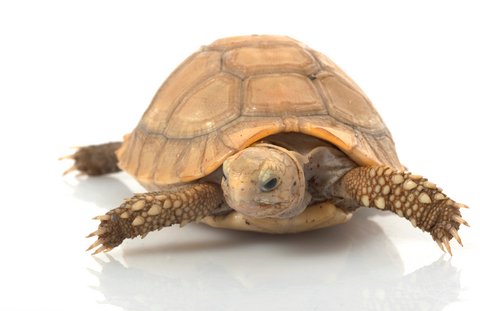
Elongated Tortoise for Sale
€239,99
Looking for an Elongated Tortoise for Sale? Discover the Yellow-headed Tortoise (Indotestudo elongata), a distinctive Asian species known for its elongated shell and yellowish markings.
This fascinating tortoise requires a spacious enclosure, suitable warmth, humidity, UVB lighting and a varied diet.
Enquire about current availability, breeding origin and health history, and confirm the required wildlife-trade documentation before purchasing. Any live-arrival guarantee is subject to the seller’s published terms.
Elongated Tortoise for Sale – Buy an Elongated Tortoise
Looking for an Elongated Tortoise for Sale? Discover the fascinating Elongated Tortoise (Indotestudo elongata), also known as the Yellow-headed Tortoise, a distinctive Asian species admired for its elongated shell, attractive yellowish-brown colouring and curious behaviour. Its unusual appearance and interesting feeding habits make it an appealing choice for experienced reptile enthusiasts seeking a tortoise with specialist care requirements.
Our selection may include young and juvenile Elongated Tortoises, subject to current stock. Explore the available options and enquire about each animal’s size, origin, feeding history and health information before purchasing.
Where applicable, eligible orders may include a live-arrival guarantee and seven-day extended guarantee, subject to the seller’s published terms and conditions. Delivery availability depends on the destination, transport arrangements and legal requirements for live-animal shipments.
Before you buy an Elongated Tortoise online, make sure you can provide a spacious, secure enclosure with suitable warmth, humidity, UVB lighting, shaded hiding places and a varied diet. This species requires more specialised care than many commonly kept tortoises and can live for several decades, making responsible preparation essential.
Why Choose an Elongated Tortoise?
The Elongated Tortoise is a remarkable species native to parts of South and Southeast Asia. Its elongated, oval-shaped shell and yellowish head distinguish it from many other tortoises available in the specialist reptile trade.
Here are some characteristics that make this species interesting to experienced keepers:
- Distinctive appearance: An elongated shell with yellowish-brown or olive colouring and irregular dark markings.
- Attractive head colouring: A yellowish head that gives the species its alternative common name, Yellow-headed Tortoise.
- Manageable but substantial size: Adults commonly reach approximately 25–35 cm in shell length, depending on the individual.
- Interesting feeding behaviour: An omnivorous diet that includes a variety of vegetation, fruit, fungi and occasional animal matter.
- Natural exploration: These tortoises enjoy foraging and investigating their surroundings.
- Forest-floor adaptations: They benefit from leaf litter, sheltered areas and a suitable humid microclimate.
- Long lifespan: They can live for several decades with appropriate care.
- Specialist appeal: Their distinctive appearance and environmental requirements make them particularly interesting to dedicated tortoise keepers.
Elongated Tortoises are not simply smaller versions of common Mediterranean or desert tortoises. Their feeding habits, humidity requirements and preference for sheltered environments must be considered when preparing a suitable habitat.
Elongated Tortoise Characteristics
Understanding the species before purchasing will help you prepare an appropriate enclosure and establish realistic expectations.
- Common name: Elongated Tortoise, Yellow-headed Tortoise, Yellow Tortoise
- Scientific name: Indotestudo elongata
- Natural distribution: South and Southeast Asia, including parts of India, Nepal, Bangladesh, Myanmar, Thailand, Laos, Cambodia, Vietnam and southern China
- Adult shell length: Commonly around 25–35 cm, with some individuals growing larger
- Appearance: Elongated, yellowish-brown or olive shell with irregular dark markings
- Diet: Omnivorous, with a varied, predominantly plant-based diet
- Activity: Often most active during cooler parts of the day, particularly early morning and late afternoon
- Habitat: Woodland, forest edges, leaf-litter environments and other suitable natural habitats
- Housing: Spacious enclosure with controlled warmth, appropriate humidity, shelter and UVB lighting
- Care level: Intermediate to advanced, depending on the keeper’s experience and available facilities
Individual animals can vary in size, appearance and behaviour. Their development also depends on genetics, age, nutrition and husbandry.
Baby Elongated Tortoises for Sale
Baby Elongated Tortoises are appealing to keepers who want to observe the species from an early stage of development. Their small size and developing shell markings make them particularly interesting, but hatchlings require careful environmental management.
Young tortoises are vulnerable to dehydration, nutritional deficiencies and unsuitable temperatures. They need a secure enclosure with suitable warmth, appropriate humidity, clean water, hiding places and a balanced diet.
Before buying a baby Elongated Tortoise, consider the following:
- Prepare a suitable enclosure before the animal arrives.
- Establish appropriate heating and UVB lighting.
- Provide a moisture-retaining but hygienic substrate.
- Include shaded hiding places and suitable environmental enrichment.
- Offer a varied, species-appropriate diet.
- Ensure clean drinking water is always available.
- Ask about the animal’s feeding history and current care routine.
- Request available breeding-origin and health records.
Monitor the tortoise’s appetite, activity, body condition and shell development. If you notice persistent appetite loss, unusual lethargy, discharge or abnormal shell changes, seek advice from a reptile-experienced veterinarian.
The sex of a hatchling is generally difficult to identify reliably. If you prefer a male or female, enquire before ordering, but understand that sex selection may not be possible for young animals.
Juvenile and Adult Elongated Tortoises
Juvenile and adult Elongated Tortoises may suit keepers who prefer an animal beyond the hatchling stage. Older animals may have more developed shell markings and an established feeding routine.
When choosing a juvenile or adult, consider its current shell length, physical condition, feeding history and existing husbandry. Ask about the animal’s previous diet, temperatures and humidity so that you can prepare a suitable transition.
Adult Elongated Tortoises require considerably more space than hatchlings. Their enclosure should provide room for walking, foraging, resting and moving between sheltered and open areas.
Before purchasing an adult, assess whether you can maintain suitable environmental conditions throughout the year. A spacious enclosure, reliable heating, humidity monitoring and access to veterinary care are important parts of responsible ownership.
Captive-Bred Elongated Tortoises for Sale
Captive-bred Elongated Tortoises may be available through specialist breeders. Choosing a legally sourced animal with a documented origin is particularly important because wild populations have experienced substantial conservation pressures.
Captive breeding can help reduce demand for wild-collected tortoises, but the term should only be used when the seller can substantiate the animal’s breeding origin.
Before purchasing, enquire about:
- Breeding origin and available supporting records.
- Approximate age and current shell length.
- Feeding history and established husbandry routine.
- Known health concerns and available veterinary records.
- Subspecies identification, where applicable.
- Relevant wildlife-trade documentation.
- Any legal requirements affecting ownership, sale or transport.
Do not assume that an animal is captive-bred simply because it is sold commercially. Request reliable information about its origin and ensure the necessary documentation is available before completing the purchase.
Elongated Tortoise Availability and Sizes
Our selection may include baby and juvenile Elongated Tortoises in different sizes, subject to current stock. Availability may change as animals are reserved, sold or become ready for sale.
Review the current product options for available sizes, prices and individual animal information. If your preferred size is unavailable, enquire about future availability.
Unless a listing identifies a specific individual, photographs may be representative rather than images of the exact animal supplied. Individual tortoises naturally vary in shell markings, colouration and appearance.
Sex selection depends on the animal’s age, size and whether its sex can be identified reliably. A requested sex should not be considered guaranteed unless it is explicitly confirmed by the seller.
Elongated Tortoise Diet and Feeding
The Elongated Tortoise is an omnivore, unlike strictly herbivorous species such as the Russian Tortoise. Its natural diet can include leafy vegetation, flowers, fallen fruit, fungi and occasional invertebrates.
A suitable captive diet should remain varied and predominantly plant-based, with appropriate additional foods provided in moderation. Dietary variety helps support normal digestion and provides a broader range of nutrients.
Suitable foods may include:
- Leafy plants: Dandelion leaves, plantain, sow thistle and other correctly identified, tortoise-safe vegetation.
- Edible flowers: Suitable pesticide-free flowers, including dandelion and hibiscus.
- Grasses and other vegetation: Appropriate species offered as part of a varied feeding routine.
- Fruit: Small, occasional portions of suitable fruit rather than fruit as the main diet.
- Fungi: Suitable edible varieties, where recommended by a reliable species-specific feeding guide.
- Additional foods: Carefully selected invertebrates or other appropriate foods, if required by the individual animal’s feeding plan.
Important feeding guidelines include:
- Offer a varied selection of safe, pesticide-free vegetation.
- Keep the diet balanced and avoid excessive reliance on fruit.
- Provide clean drinking water at all times.
- Avoid foods contaminated with pesticides or herbicides.
- Do not feed unidentified wild plants, fungi or invertebrates.
- Discuss calcium supplementation and other nutritional requirements with a reptile-experienced veterinarian.
- Avoid routine feeding of processed meat, dog food or cat food unless a qualified professional has provided specific guidance.
The correct balance of foods can depend on age, body condition, activity and reproductive status. A reliable species-specific feeding guide is preferable to applying a generic diet intended for every tortoise.
Elongated Tortoise Habitat and Housing Requirements
A suitable enclosure is essential for your Elongated Tortoise’s wellbeing. In the wild, the species occupies a range of woodland and forest environments, often using vegetation, leaf litter and sheltered areas to avoid unsuitable conditions.
Unlike desert-adapted tortoises, Elongated Tortoises need access to a suitable humid microclimate. Their enclosure must balance warmth and moisture with ventilation, cleanliness and adequate space.
Indoor enclosure
Indoor housing may be necessary in climates where outdoor temperatures or humidity are unsuitable. The enclosure should provide sufficient floor space, secure boundaries, good ventilation and reliable environmental control.
A suitable setup should include:
- A spacious walking and foraging area.
- Warm and cooler zones.
- Shaded retreats and secure hiding places.
- Suitable moisture-retaining substrate.
- Appropriate UVB lighting.
- A shallow water dish or suitable bathing area.
- Reliable heating and humidity-monitoring equipment.
A small glass aquarium is not a suitable permanent enclosure for an adult. Choose a purpose-built tortoise enclosure with enough floor space for normal movement and environmental enrichment.
Outdoor enclosure
Outdoor housing may be appropriate in a suitably warm climate with conditions that support the species’ needs.
The enclosure should provide secure boundaries, shaded areas, shelter, safe vegetation and access to clean water. The tortoise must be protected from predators, escape opportunities, excessive heat and unsuitable weather.
In cooler European climates, a secure outdoor enclosure may be useful during suitable weather, but a sufficiently large, heated indoor habitat is generally necessary for periods when outdoor conditions are inappropriate.
Temperature and heating
Elongated Tortoises require controlled warmth and access to a temperature gradient. Their enclosure should provide a suitable warm area and cooler retreats, allowing the animal to regulate its body temperature.
Use reliable thermometers and appropriate reptile heating equipment. Avoid overheating the entire enclosure or allowing prolonged exposure to cold conditions.
The exact temperature range depends on the animal’s age, enclosure design and other husbandry factors. Follow a reliable species-specific care guide and seek advice from a reptile-experienced veterinarian if you are unsure about the correct setup.
Humidity and hydration
Appropriate humidity is an important part of Elongated Tortoise care. These animals are adapted to environments with vegetation, leaf litter and access to humid retreats.
Provide suitable moisture-retaining substrate while ensuring that the enclosure remains clean and well ventilated. Avoid both prolonged dehydration and persistently waterlogged conditions.
Clean drinking water should always be available. A suitably sized, shallow bathing area can allow the tortoise to drink and soak when it chooses, provided that the water is changed regularly and the animal can enter and leave safely.
Monitor humidity with a reliable hygrometer rather than estimating it by appearance alone. Young tortoises may need particularly close monitoring.
UVB lighting
Appropriate UVB exposure supports normal calcium metabolism and healthy shell and bone development.
Indoor enclosures should use suitable UVB lighting positioned according to the manufacturer’s instructions and the animal’s needs. Provide shaded areas so the tortoise can move away from direct light when necessary.
Outdoor access to natural sunlight can be beneficial in a properly managed enclosure. However, glass filters out much of the useful UVB radiation, so a sunny windowsill is not a substitute for appropriate UVB exposure.
Substrate and shelter
Elongated Tortoises benefit from an enclosure that provides secure hiding places and suitable substrate for natural foraging and resting behaviour.
A clean soil-based mixture, suitable reptile-safe substrate and leaf litter may help recreate aspects of the forest floor. Materials should be free from pesticides, fertilisers and other contaminants.
Provide several shaded retreats and ensure that the substrate retains appropriate moisture without becoming unhygienic. Regular cleaning and maintenance help reduce the risk of skin and shell problems.
Elongated Tortoise Temperament and Behaviour
Elongated Tortoises can be shy and may spend considerable time resting beneath vegetation or in sheltered areas. They often become more active during cooler parts of the day and may explore their surroundings when conditions are suitable.
Their behaviour varies between individuals. A suitable enclosure should provide enough space for movement, opportunities to forage and several hiding places.
These tortoises are not conventional cuddly pets. Unnecessary handling can cause stress, so allow the animal to move naturally and handle it gently only when necessary.
Males can display territorial or breeding-related aggression, particularly when housed with other tortoises. Carefully consider compatibility and enclosure space before attempting group housing. Separate housing is often the safer choice when aggression or persistent harassment occurs.
Children should be supervised around tortoises, and everyone should wash their hands thoroughly after handling the animal or cleaning its enclosure because reptiles can carry Salmonella.
How Big Does an Elongated Tortoise Get?
Adult Elongated Tortoises commonly reach approximately 25–35 cm in shell length, although individual size varies and some may grow larger.
Their elongated shell gives them a distinctive appearance, but their enclosure requirements should not be underestimated. Adults need sufficient room to walk, forage, rest and move between sheltered areas.
Plan for the tortoise’s expected adult size before purchasing. A suitable enclosure should already be available or planned before the animal arrives, rather than relying on a small temporary setup for an extended period.
How Long Does an Elongated Tortoise Live?
Elongated Tortoises can live for several decades under appropriate conditions. Their lifespan makes them a substantial long-term commitment rather than a short-term pet purchase.
Responsible ownership means providing suitable housing, heating, lighting, nutrition and veterinary care throughout the animal’s life.
Before purchasing, consider whether your future living arrangements and resources can support the tortoise as it grows. It is also sensible to make plans for its future care if your circumstances change.
Elongated Tortoise Live-Arrival Guarantee
Purchasing a live reptile online requires confidence in the seller and the delivery arrangements.
Where offered, a live-arrival guarantee and seven-day extended guarantee may provide coverage for qualifying arrival-related claims under the seller’s published policy.
Before placing an order:
- Read the complete guarantee terms and conditions.
- Confirm your delivery address and contact details.
- Arrange to receive the shipment as instructed.
- Inspect the tortoise promptly upon arrival.
- Contact customer support within the required notification period if a covered issue occurs.
- Provide any requested photographs, shipping information or other evidence.
- Follow the supplied delivery and handling instructions.
Coverage, claim deadlines, weather restrictions and exclusions depend on the seller’s actual policy. A guarantee does not replace the buyer’s responsibility to provide suitable care after delivery.
Only advertise a live-arrival guarantee or extended guarantee if it is genuinely offered for the animal being sold and the relevant conditions are available to customers before purchase.
Elongated Tortoise Shipping and Delivery
Live-animal transport should be planned carefully to minimise stress and protect animal welfare.
Shipping options, estimated transit times and destination eligibility depend on the seller, transport service and applicable legal requirements.
Before ordering:
- Confirm that delivery to your location is permitted.
- Review the available shipping options and charges.
- Check for weather-related or other dispatch restrictions.
- Ensure that you can receive the shipment as instructed.
- Prepare the enclosure before delivery.
- Confirm which legal documents must accompany the animal.
Dispatch may need to be postponed when weather or other circumstances could compromise animal welfare. International shipments may require additional permits, certificates or import documentation.
Do not assume that a seller can ship Elongated Tortoises to every country. Confirm destination eligibility and legal requirements before completing your purchase.
Conservation and Responsible Ownership
The Elongated Tortoise is a conservation-sensitive species. The IUCN Tortoise and Freshwater Turtle Specialist Group’s species account records it as Endangered, with historical assessments highlighting pressures from exploitation and habitat loss. <Cite refs={[“turn545462search5″,”turn545462search6”]}/>
International trade is regulated under CITES Appendix II. In the European Union, applicable wildlife-trade rules and documentation requirements must be checked for the specific animal and transaction. <Cite refs={[“turn545462search5″,”turn545462search3”]}/>
Responsible purchasing is particularly important for this species.
Before buying an Elongated Tortoise:
- Ask for evidence of its legal origin.
- Request available captive-breeding records.
- Verify the animal’s identification and relevant documentation.
- Confirm applicable CITES and national requirements.
- Check the rules for ownership, sale, transport and import in your country.
- Avoid animals whose origin cannot be established.
- Never release a captive tortoise into the wild.
Conservation status and legal ownership requirements are different matters. Always confirm the current rules with the relevant wildlife authority before purchasing or transporting an animal.
Why Buy an Elongated Tortoise from Us?
Choosing a reputable seller is an important part of responsible tortoise ownership. We recommend selecting a seller who provides clear information about animal origin, health history, husbandry and delivery arrangements.
When comparing available Elongated Tortoises, look for:
- Documented origin: Information and supporting records concerning the animal’s source.
- Clear animal details: Available information about age, size and sex, where reliably identifiable.
- Care guidance: Practical information about diet, humidity, heating, UVB lighting and housing.
- Transparent availability: Accurate information about which animals are currently available.
- Suitable delivery arrangements: Transport methods appropriate for live reptiles.
- Clear guarantee terms: Written details of any live-arrival or extended guarantee offered.
- Customer support: Assistance with questions about the animal and its long-term care.
These details help prospective owners make informed decisions and prepare a suitable habitat before bringing a tortoise home.
Frequently Asked Questions About Elongated Tortoises for Sale
Where can I buy an Elongated Tortoise?
You can enquire with specialist reptile sellers about available Elongated Tortoises. Check current stock, animal identification, legal origin and delivery eligibility before placing an order.
What is the scientific name of the Elongated Tortoise?
Its scientific name is Indotestudo elongata. It is also known as the Yellow-headed Tortoise or Yellow Tortoise.
How big does an Elongated Tortoise get?
Adults commonly reach approximately 25–35 cm in shell length, although individual animals can vary in size.
Are Elongated Tortoises suitable for beginners?
They are generally better suited to keepers who can provide specialist environmental care. Their humidity requirements, varied diet and long lifespan mean that careful preparation is essential.
What do Elongated Tortoises eat?
They are omnivores with a predominantly plant-based diet. Suitable foods include leafy plants, edible flowers and other vegetation, with occasional appropriate fruit, fungi or animal matter according to a reliable feeding plan.
Do Elongated Tortoises need high humidity?
They need access to a suitable humid microclimate. The enclosure should retain appropriate moisture while remaining well ventilated and hygienic.
Do Elongated Tortoises need UVB lighting?
Appropriate UVB exposure supports normal calcium metabolism and healthy shell and bone development. Indoor enclosures should use suitable UVB lighting alongside appropriate heating and shaded retreats.
Can Elongated Tortoises live outdoors?
They may be housed outdoors in a suitable warm climate with secure boundaries, shaded shelters and appropriate environmental conditions. In cooler climates, suitable heated indoor accommodation is necessary when outdoor conditions are unsuitable.
How long does an Elongated Tortoise live?
They can live for several decades with appropriate care. Prospective owners should consider this long-term commitment before purchasing.
Can I choose a male or female Elongated Tortoise?
Sex selection depends on the animal’s age, size and whether its sex can be identified reliably. Contact the seller before ordering if a particular sex is important to you.
Do Elongated Tortoises require legal documentation?
International trade is regulated under CITES Appendix II. The documents required depend on the animal’s origin, the transaction and the destination country. Confirm the applicable requirements before purchasing or transporting the animal.
Can Elongated Tortoises be shipped internationally?
International delivery depends on the seller’s services, destination eligibility, transport arrangements and legal requirements. Confirm that the animal can legally be shipped to your location and that the required documents are available.
What should I prepare before my Elongated Tortoise arrives?
Prepare a spacious, secure enclosure with appropriate heating, humidity, UVB lighting, shaded hiding places, suitable substrate, clean drinking water and a varied diet. Identify a reptile-experienced veterinarian before delivery.
Order Your Elongated Tortoise Today
Looking for an Elongated Tortoise for Sale? Explore the available options and enquire about each animal’s size, origin, health history and feeding routine before making your decision. The Elongated Tortoise is a fascinating Asian species best suited to keepers who can provide a suitable humid environment, varied nutrition, secure housing and specialist long-term care.
Check current stock availability, confirm the animal’s legal origin, review any applicable guarantee terms and verify delivery eligibility for your location before ordering. Choose responsibly, prepare your enclosure and discover the fascinating world of the Elongated Tortoise.
| Choose Size | cb Hatchling |
|---|---|
| Options | No Pref, Male, Female |
Be the first to review “Elongated Tortoise for Sale”
Related products
Tortoises for Sale
Tortoises for Sale
Tortoises for Sale
Tortoises for Sale
Tortoises for Sale
Tortoises for Sale
Tortoises for Sale
Tortoises for Sale
Reviews
There are no reviews yet.