

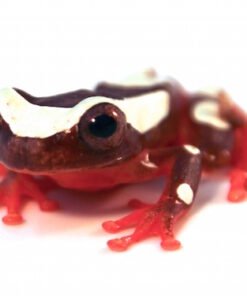
Frogs for Sale
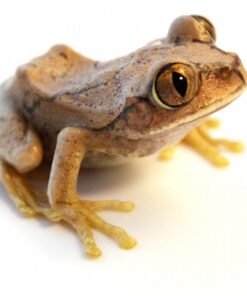
Frogs for Sale
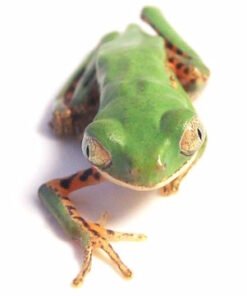
Frogs for Sale
Explore Different Types of Frogs for Sale
Frogs differ significantly in their environmental requirements, feeding habits and activity patterns. Understanding these differences can help you select a species that fits your experience and the habitat you can provide.
Tree Frogs for Sale
Tree frogs are among the most recognisable amphibians in the pet-keeping hobby. Many species have specialised toe pads that help them grip leaves, branches and other surfaces, allowing them to climb through their natural habitats.
Popular examples include White's tree frogs, red-eyed tree frogs, green tree frogs, Amazon milk frogs and other arboreal species. Their colours range from subtle greens and browns to vivid combinations of red, blue, orange and yellow.
Tree frogs generally benefit from vertically oriented enclosures with suitable climbing branches, foliage, hiding places and appropriate humidity. The exact temperature, ventilation and moisture requirements depend on the species, so a carefully researched habitat is essential.
If you are interested in frogs that display interesting climbing behaviour and spend much of their time above ground, explore our available tree frogs for sale.
Terrestrial Frogs for Sale
Terrestrial frogs spend much of their time on the ground or among leaf litter, rather than climbing high into vegetation. Many have compact, robust bodies and are well adapted to life on the forest floor or in other ground-level habitats.
This group may include Pacman frogs, pixie frogs, tomato frogs, chubby frogs, Budgett's frogs and other terrestrial species, depending on availability.
Pacman frogs are recognised for their rounded bodies, broad mouths and ambush-feeding behaviour. Tomato frogs are known for their distinctive reddish coloration, while pixie frogs can grow considerably larger than many commonly kept pet frogs.
Terrestrial species typically require appropriate floor space, secure hiding places, suitable substrate and access to clean water. Some benefit from burrowing opportunities, while others need specific moisture levels or a carefully managed balance between humidity and ventilation.
Before purchasing a terrestrial frog, research its expected adult size, feeding habits and environmental requirements. Larger species may require more space and food than new keepers initially anticipate.
Poison Dart Frogs for Sale
Poison dart frogs are admired for their striking colours and fascinating natural behaviours. Depending on the species and variety, they may display vivid blue, yellow, orange, red, green or black markings.
Many poison dart frogs are active during daylight hours, making them particularly interesting to observe in a well-designed enclosure. Their small size does not mean their care is simple, however. They can have specialised requirements for humidity, temperature, ventilation, shelter and access to appropriately sized live food.
In the wild, certain poison dart frog species obtain defensive toxins from their diet. Captive-bred individuals raised on different diets generally do not develop the same toxic profiles as their wild counterparts, but they should still be handled as delicate amphibians rather than animals for routine physical interaction.
A well-planned vivarium with suitable plants, hiding places, moisture management and a consistent supply of suitable feeder organisms can help support their welfare.
If you are interested in colourful amphibians and carefully designed planted habitats, browse our available poison dart frogs for sale and research the needs of each species before making a choice.
Horned Frogs for Sale
Horned frogs, including species in the genus Ceratophrys, are well known for their broad heads, large mouths and distinctive appearance. Their common name refers to the raised projections found above the eyes of some species.
These frogs are ambush predators that often remain still while waiting for suitable prey to approach. Depending on the species, they can have green, brown, orange, red or patterned coloration that helps them blend into their surroundings.
Horned frogs generally need a suitable terrestrial enclosure with appropriate substrate, hiding opportunities and carefully controlled environmental conditions. Their feeding requirements must be matched to their size, age and body condition.
Some species become relatively large and may consume substantial prey items as adults. Prospective keepers should therefore consider both enclosure size and long-term feeding costs before purchasing.
Rain Frogs for Sale
Rain frogs are unusual amphibians known for their rounded bodies, short limbs and distinctive appearance. Certain species produce squeaking or high-pitched calls, while others are recognised for their burrowing habits and specialised adaptations to life in relatively dry or seasonal environments.
Their requirements vary by species, particularly in relation to substrate moisture, temperature, ventilation and feeding. Some are less commonly maintained in captivity than more familiar pet frogs, so reliable species-specific care information is particularly important.
Rain frogs can appeal to experienced enthusiasts looking for an unusual amphibian, but their availability and husbandry requirements should be checked carefully before purchase.
Aquatic Frogs for Sale
Aquatic frogs spend much or all of their lives in water and require a habitat designed around their aquatic lifestyle. Species such as African clawed frogs are adapted to living in freshwater environments and have different needs from terrestrial and tree-dwelling frogs.
An aquatic frog setup should provide suitable water quality, appropriate filtration where required, adequate space and temperatures suited to the species. Water chemistry and maintenance are important considerations because poor water quality can negatively affect amphibian health.
Aquatic frogs should not be kept in a conventional terrestrial vivarium without suitable access to their required aquatic environment. Always confirm the exact species and its adult size before choosing an aquarium.
Other Unusual Frogs for Sale
The world of frogs extends far beyond the most familiar pet species. Depending on availability, our collection may include reed frogs, running frogs, leaf frogs, mantellas, rain frogs, burrowing frogs and other unusual amphibians.
These species offer a fascinating range of adaptations. Some are exceptionally small, some display intricate patterns, and others have specialised feeding behaviours or distinctive methods of moving through their environments.
Because their requirements can differ considerably, it is important to research the exact species rather than relying on general frog-care advice. Check current product listings for available animals and the relevant information about their individual needs.
How to Choose the Right Frog for Your Home
Choosing a frog involves more than selecting a species based on colour or appearance. Each amphibian has specific environmental and nutritional requirements that should be understood before purchase.
Consider the following factors when exploring frogs for sale:
- Experience level: Some commonly kept species have well-established captive-care guidance, while others require more specialised knowledge.
- Adult size: Choose an enclosure that accommodates the frog's expected adult size and natural behaviour.
- Habitat requirements: Determine whether the species needs an arboreal, terrestrial, semi-aquatic or fully aquatic setup.
- Temperature and humidity: Make sure you can maintain the correct environmental conditions consistently.
- Diet: Confirm that suitable food is readily available and that you can provide an appropriate feeding routine.
- Activity patterns: Consider whether you prefer a frog that is active during the day, at night or mainly during feeding.
- Long-term commitment: Research the expected lifespan and ongoing costs of food, equipment and veterinary care.
Before purchasing, establish that the species is legally available to keep in your location. Some amphibians are subject to wildlife trade regulations, import restrictions or other ownership requirements.
Essential Care Requirements for Pet Frogs
Responsible frog keeping begins with an appropriate habitat and a clear understanding of the animal's biological needs. Although different species require different conditions, several basic principles apply to most captive frogs.
Enclosure and Habitat Setup
Choose an enclosure based on the species' natural behaviour. Tree frogs generally need vertical space and climbing structures, whereas terrestrial frogs require suitable floor space and, in many cases, substrate for burrowing.
Aquatic species need an appropriately maintained aquatic environment. Some frogs benefit from a planted vivarium with natural hiding places, while others require a simpler setup that makes temperature, humidity and hygiene easier to manage.
All enclosures should be secure, easy to maintain and designed to prevent escapes. Avoid overcrowding, and do not assume that different frog species can share the same habitat safely.
Temperature and Humidity
Frogs are ectothermic animals, meaning their body temperature is influenced by their surroundings. Providing the correct temperature range is essential for normal activity, digestion and overall health.
Humidity requirements vary widely. Tropical species may require consistently humid conditions, while other frogs need a more varied moisture gradient and adequate ventilation.
Use appropriate thermometers and humidity monitors to check the environment regularly. Heating equipment should be controlled safely, and misting should be adjusted to the needs of the individual species rather than applied excessively.
Lighting and Day-Night Cycles
Lighting requirements depend on the species, enclosure design and availability of natural environmental cues. A consistent day-and-night cycle helps maintain a suitable routine.
Some frogs may benefit from carefully selected low-level ultraviolet B lighting when appropriate for the species and setup. Lighting should be researched specifically for the animal being kept, with suitable shaded areas always available.
Avoid exposing frogs to excessive heat or intense lighting that could compromise their welfare.
Feeding and Nutrition
Most pet frogs eat animal-based foods, with insects forming an important part of the diet for many commonly kept species. Suitable food may include appropriately sized crickets, roaches, flies and other feeder organisms, depending on the frog.
Larger species may require different prey items, while small species need food that is appropriately sized for their mouths. Some specialised frogs have more particular feeding requirements, making advance research essential.
A varied, nutritionally appropriate diet, combined with suitable supplementation where required, supports healthy growth and development. Feeding frequency should be adjusted to the species, age, body condition and activity level.
Avoid overfeeding, and remove uneaten prey when necessary to maintain hygiene and prevent stress or injury.
Water Quality and Hydration
Frogs have permeable skin, which makes water quality and environmental cleanliness particularly important. Provide clean, appropriately treated water that is suitable for the species.
Water used in amphibian enclosures may need treatment to remove harmful chlorine or chloramine, depending on the source. Avoid introducing untreated water or cleaning products that could expose the animal to harmful chemicals.
Water bowls, aquatic sections and other moist areas should be maintained regularly. The appropriate water depth and access arrangements depend on the frog's size and natural behaviour.
Handling and Hygiene
Frogs are generally better suited to observation than frequent handling. Their delicate skin can be damaged by inappropriate contact, and residues from soaps, lotions and other substances may be harmful.
When handling is necessary for care or veterinary assessment, follow species-appropriate guidance and use clean, suitable methods. Do not handle frogs unnecessarily, and wash your hands before and after working with an enclosure.
Maintain separate cleaning equipment where appropriate, particularly when keeping multiple amphibian species. Quarantine new arrivals and seek veterinary guidance if an animal develops unusual skin changes, lethargy, appetite loss or other concerning symptoms.
Why Choose the Right Frog from Our Collection?
Our Frogs for Sale category helps amphibian enthusiasts explore a variety of species and compare their characteristics before deciding which animal to keep.
- Variety of species: Discover tree frogs, terrestrial frogs, aquatic frogs and other fascinating amphibians, depending on current availability.
- Different colours and patterns: Explore species with distinctive markings, natural camouflage and striking colour variations.
- Options for different interests: Compare climbing, burrowing, terrestrial and aquatic species according to your preferences and experience.
- Product-specific information: Review individual listings to learn about the available animals and their care requirements.
- Responsible ownership: Prepare a suitable habitat and feeding plan before purchasing, with the animal's welfare as the priority.
Always check the current listing for details about the animal's origin, availability, size and any applicable health or arrival guarantees. These details should be confirmed before placing an order.
Frequently Asked Questions About Frogs for Sale
What types of frogs can I buy?
Depending on availability, the selection may include White's tree frogs, red-eyed tree frogs, Pacman frogs, pixie frogs, tomato frogs, poison dart frogs, horned frogs, rain frogs and other species. Check the current listings to see which frogs are available.
Are frogs good pets for beginners?
Some commonly kept frogs can be suitable for beginners who research their care requirements and prepare an appropriate enclosure. Others need specialist environmental conditions or diets. Choose a species with reliable care guidance and ensure you can consistently meet its needs.
What do pet frogs eat?
Many pet frogs eat suitable live insects, such as crickets and roaches. Larger species may require different prey, while certain frogs have specialised dietary needs. Food size, feeding frequency and supplementation should be tailored to the individual species.
Do frogs need a special enclosure?
Yes. Frogs require enclosures suited to their natural habitats. Tree frogs usually benefit from vertical space and climbing structures, terrestrial frogs need suitable ground-level habitats, and aquatic species require appropriately maintained water environments.
Do frogs need high humidity?
Not all frogs require the same humidity levels. Many tropical species need humid conditions, while others require a carefully managed balance of moisture and ventilation. Research the requirements of your chosen species before setting up the enclosure.
Can different frog species live together?
Keeping different species together is generally discouraged unless a qualified amphibian specialist confirms that the specific combination is appropriate. Differences in environmental needs, disease risks, size and feeding behaviour can create serious welfare problems. Separate housing is usually the safer option.
How long do pet frogs live?
Lifespan varies significantly by species, genetics and quality of care. Some frogs live for several years, while others may live for well over a decade. Research the expected lifespan of your chosen species before purchasing.
Can frogs be handled regularly?
Most frogs should be handled as little as possible because their skin is delicate and sensitive to contaminants. Observation is generally preferable to frequent physical interaction. Handle only when necessary and follow appropriate hygiene practices.
How can I tell if a frog is healthy?
A healthy frog generally displays characteristics appropriate to its species, including suitable body condition, normal movement and a healthy appetite. Warning signs may include unusual skin changes, persistent lethargy, breathing difficulties, loss of appetite or unexplained weight changes. Consult a qualified veterinarian experienced with amphibians if you notice concerning symptoms.
What should I prepare before buying a frog?
Prepare the enclosure, heating and monitoring equipment, appropriate substrate, hiding places, clean water and a suitable food supply before bringing your frog home. Confirm that you understand its environmental requirements and have access to appropriate veterinary care.
Find Your Ideal Frog
Discover the fascinating diversity of amphibians with our Frogs for Sale category. From colourful tree frogs and distinctive terrestrial species to specialist aquatic frogs, explore the available selection and learn what makes each type unique.
Take time to research your preferred species, prepare its habitat and understand its long-term care requirements before purchasing. With the right environment, appropriate nutrition and consistent attention to welfare, frog keeping can be a rewarding way to appreciate these remarkable amphibians.