

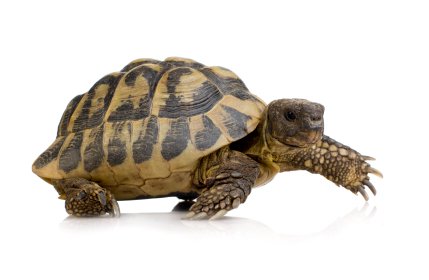
Hermans Tortoise for Sale

Price range: €229,99 through €249,99
Looking for a Hermans tortoise for sale? The Hermann’s tortoise (Testudo hermanni) is a popular Mediterranean tortoise known for its beautiful yellow and dark patterned shell, active nature and manageable size.
These fascinating reptiles thrive on a varied, plant-based diet and require a spacious enclosure, proper UVB lighting and suitable temperatures.
With the right care, a Hermann’s tortoise can live for decades, making it a rewarding choice for dedicated reptile enthusiasts. Before buying, ensure you have the appropriate habitat and all required legal documentation.
Hermans Tortoise for Sale
Looking for a Hermann’s tortoise for sale? The Hermann’s tortoise (Testudo hermanni) is a popular Mediterranean tortoise known for its beautifully patterned shell, active behaviour and manageable adult size compared with many larger tortoise species.
With its distinctive yellow and dark markings, curious nature and fascinating daily routines, this species can make a rewarding companion for reptile enthusiasts who are prepared to provide the right care.
Whether you are an experienced tortoise keeper or preparing to welcome your first tortoise, a Hermann’s tortoise offers the opportunity to observe a remarkable reptile in a carefully designed habitat.
These tortoises enjoy exploring their surroundings, basking under appropriate warmth and foraging for suitable plants. Before purchasing, it is important to understand their long lifespan, dietary needs, temperature requirements and legal documentation.
Why Choose a Hermann’s Tortoise?
Hermann’s tortoises are admired for their attractive appearance, active personalities and relatively compact size. They originate from southern Europe, where they inhabit Mediterranean landscapes characterised by sunny areas, open woodland, scrubland and grassy habitats.
Here are some reasons reptile enthusiasts choose this species:
- Distinctive appearance: A domed shell with contrasting yellow, golden and dark brown or black markings.
- Manageable adult size: Many Western Hermann’s tortoises reach approximately 15–20 cm, while Eastern Hermann’s tortoises can grow larger.
- Active behaviour: They enjoy walking, exploring, digging and searching for food.
- Herbivorous diet: Their natural feeding habits centre on suitable grasses, leafy weeds and edible plants.
- Long-term companionship: With excellent husbandry, Hermann’s tortoises can live for several decades, sometimes exceeding 50 years.
- Outdoor enjoyment: In suitable climates, a secure outdoor enclosure provides opportunities for natural sunlight, exercise and foraging.
Although often considered a suitable species for dedicated beginners, Hermann’s tortoises still require specialised housing, appropriate lighting, a balanced diet and regular monitoring.
Appearance and Characteristics
The Hermann’s tortoise is a terrestrial reptile recognised by its rounded, sturdy shell and contrasting colour pattern. The upper shell, known as the carapace, generally features a yellow or golden background with dark markings. The underside, called the plastron, often has dark bands or patches.
Their strong legs, sturdy claws and low body shape help them navigate natural terrain, investigate their surroundings and dig shallow shelters. Individual tortoises may vary in colour, shell pattern and size depending on their subspecies, age and genetics.
Hermann’s tortoise at a glance:
- Scientific name: Testudo hermanni
- Common name: Hermann’s tortoise
- Origin: Southern Europe and parts of the Mediterranean region
- Diet: Herbivorous
- Typical adult size: Approximately 15–28 cm, depending on subspecies
- Potential lifespan: 50 years or more with appropriate care
- Activity: Primarily active during daylight
- Habitat: Spacious, well-ventilated enclosure with suitable warmth, UVB lighting and shelter
These figures are general guidelines rather than guarantees. Adult size and lifespan depend on the individual tortoise, subspecies, genetics and quality of care.
Temperament and Behaviour
Hermann’s tortoises are generally calm reptiles that spend much of their time exploring, grazing, basking and resting. They can gradually become familiar with regular feeding routines and their surroundings, making them interesting animals to observe.
Unlike dogs and cats, tortoises do not usually seek physical affection or frequent handling. They feel most secure when allowed to move around independently, investigate their environment and retreat to a hiding place whenever necessary.
To help your tortoise settle into its new home, provide a quiet enclosure with appropriate hiding areas, consistent temperatures and access to fresh water. Avoid unnecessary handling, particularly during the initial adjustment period.
Adult males may display territorial or aggressive behaviour towards other males, especially during breeding periods. Keeping tortoises together therefore requires careful consideration of enclosure size, sex, individual temperament and compatibility.
Housing and Habitat Requirements
A suitable habitat is essential for maintaining your Hermann’s tortoise’s long-term health. These reptiles need enough room to walk, forage, dig, bask and move between warmer and cooler areas.
Indoor Housing
An open-topped tortoise table or another appropriately designed, well-ventilated enclosure can provide a suitable indoor environment. The enclosure should offer generous floor space, a secure boundary, a suitable substrate and multiple environmental zones.
Include the following features:
- A warm basking area with an appropriate heat source.
- A cooler section where the tortoise can regulate its body temperature.
- A sheltered hiding area for resting.
- A suitable substrate that allows natural digging behaviour.
- A shallow, stable water dish for drinking and occasional soaking.
- Appropriate UVB lighting to support calcium metabolism and healthy shell and bone development.
Avoid cramped enclosures and ensure that the tortoise cannot escape or become trapped beneath furnishings.
Outdoor Housing
Outdoor housing can be particularly beneficial when the climate and weather conditions are suitable. A secure garden enclosure allows your tortoise to experience natural sunlight, explore different surfaces and forage among safe plants.
The enclosure should have secure boundaries, protection from predators, sunny basking areas, shaded retreats and access to shelter. Because Hermann’s tortoises can dig and climb, the enclosure must be designed to prevent escapes.
Outdoor access does not remove the need for supervision, suitable temperatures, fresh water or protection from extreme weather.
Temperature and UVB Lighting
Hermann’s tortoises depend on external warmth to regulate their body temperature. Their enclosure should provide a temperature gradient so that they can move between a warm basking area and a cooler retreat.
A basking spot of approximately 32–35°C is a useful starting point for many setups, but temperatures should be adjusted to the animal’s age, subspecies, husbandry requirements and professional care guidance. Use reliable thermometers to monitor the conditions at different points within the enclosure.
UVB lighting is also essential for indoor tortoises because it helps them produce vitamin D3 and use dietary calcium effectively. Select a suitable reptile UVB system, install it at the recommended distance and replace the lamp according to the manufacturer’s instructions.
Natural sunlight can provide valuable UVB exposure, but sunlight through ordinary window glass does not provide the same benefit. Never leave a tortoise in a container or enclosure where it cannot escape excessive heat.
Feeding Your Hermann’s Tortoise
A proper diet is one of the most important aspects of Hermann’s tortoise care. This species is herbivorous and benefits from a varied, fibre-rich diet based mainly on suitable weeds, grasses, leafy plants and edible flowers.
Suitable foods can include:
- Dandelion leaves and flowers.
- Plantain leaves.
- Clover in appropriate quantities.
- Chicory and endive.
- Other safe, pesticide-free leafy weeds and tortoise-friendly plants.
Food should be free from pesticides, herbicides and other harmful contaminants. Provide variety rather than relying on a single plant or supermarket salad.
Calcium is important for healthy shell and bone development. A suitable calcium supplement and access to cuttlebone may be beneficial when used as part of an appropriate feeding plan.
Avoid feeding meat, dairy products, dog or cat food, bread and other unsuitable human foods. Fruit should not form a regular part of the diet, and high-protein foods should be avoided.
Fresh drinking water should always be available in a shallow dish that the tortoise can enter and leave safely. Feeding requirements may vary with age, activity, season and individual health.
Lifespan and Long-Term Care
A Hermann’s tortoise is a long-term commitment. With suitable nutrition, housing, lighting, temperature management and veterinary care, these tortoises can live for 50 years or longer.
Before buying, consider whether you can provide appropriate housing throughout the animal’s life. You should also plan for holidays, veterinary expenses, seasonal care and changes in your living arrangements.
Hermann’s tortoises naturally undergo seasonal dormancy, often called brumation. However, not every individual is suitable for brumation at every stage of life. Health, body condition, age, species or subspecies and environmental conditions must be considered carefully. Seek advice from a reptile-experienced veterinarian before attempting brumation, especially with a newly acquired or juvenile tortoise.
Health and General Wellbeing
A healthy Hermann’s tortoise should be alert when active, move normally, show interest in appropriate food and maintain a firm, undamaged shell.
Regular observation can help you identify changes in behaviour or condition. Warning signs include persistent refusal to eat, unusual lethargy, discharge from the eyes or nose, laboured breathing, swelling, abnormal shell changes or difficulty walking.
These symptoms can have several causes and should be assessed by a qualified reptile veterinarian. Avoid attempting to treat serious problems with unverified home remedies.
Maintaining suitable temperatures, correct UVB exposure, a balanced diet, clean water and a hygienic enclosure helps support your tortoise’s wellbeing.
Buying a Hermann’s Tortoise Responsibly
When searching for a Hermann’s tortoise for sale, choose a reputable breeder or seller who can provide clear information about the animal’s origin, age where known, feeding history and health.
Ask whether the tortoise is captive-bred and request the applicable identification and legal documentation before completing your purchase. Hermann’s tortoises are protected under wildlife trade regulations, and requirements vary according to the country, subspecies and circumstances of sale.
For buyers in the European Union, verify the applicable CITES and EU wildlife-trade requirements, including any required certificates, identification and transfer documentation. Do not assume that an ordinary receipt alone is sufficient.
A responsible purchase should prioritise the animal’s welfare, lawful origin and suitability for your available enclosure.
Find Your Hermann’s Tortoise
A Hermann’s tortoise can be a rewarding addition to a carefully prepared reptile habitat. Its distinctive shell, natural foraging behaviour and fascinating daily routines make it an appealing choice for keepers who appreciate observing reptiles in a suitable environment.
Before purchasing, make sure you have prepared the enclosure, established the correct heat and UVB lighting, identified safe food sources and understood the applicable legal requirements. Choosing a tortoise from a responsible source and providing consistent, species-appropriate care will help give your new companion the best possible start.
Frequently Asked Questions
How big does a Hermann’s tortoise get?
Adult size varies by subspecies. Western Hermann’s tortoises are generally smaller, while Eastern Hermann’s tortoises can reach approximately 25–28 cm in some cases.
How long does a Hermann’s tortoise live?
With appropriate care, a Hermann’s tortoise may live for 50 years or longer. Some individuals live considerably longer, so prospective owners should plan for a lifelong commitment.
Are Hermann’s tortoises suitable for beginners?
They can be suitable for committed beginners who research their needs and prepare the correct enclosure. They are not maintenance-free pets and require proper lighting, heat, nutrition and long-term planning.
What do Hermann’s tortoises eat?
They mainly eat suitable weeds, grasses, leafy plants and edible flowers. Their diet should be high in fibre and appropriate in calcium, with unsuitable human foods and routine fruit feeding avoided.
Do Hermann’s tortoises need UVB lighting?
Yes. Indoor tortoises require appropriate UVB exposure to support vitamin D3 production and calcium utilisation. The lighting system must be installed and maintained correctly.
Can a Hermann’s tortoise live outdoors?
Yes, when the climate and weather are suitable and the enclosure is secure, escape-proof and protected from predators. The tortoise must also have access to shade, shelter, water and suitable temperatures.
Do Hermann’s tortoises hibernate?
Hermann’s tortoises naturally undergo seasonal dormancy. Whether and how an individual should undergo brumation depends on its health, age, condition and environment. Seek advice from a reptile veterinarian before proceeding.
Are Hermann’s tortoises legal to buy?
Sales and transfers are subject to applicable wildlife protection and trade regulations. Check the requirements in your country and obtain all necessary documentation before buying.
What should I check before buying a Hermann’s tortoise?
Ask about the tortoise’s origin, health, feeding history, age where known and captive-bred status. Verify the applicable identification and legal documents, and prepare a suitable enclosure before bringing the animal home.
| Choose Size | cb Hatchling, cb 4-inches |
|---|---|
| Options | No Pref, Male, Female |
Be the first to review “Hermans Tortoise for Sale”
Related products
Tortoises for Sale

Tortoises for Sale
Tortoises for Sale
Tortoises for Sale
Tortoises for Sale
Tortoises for Sale
Tortoises for Sale

Tortoises for Sale
Reviews
There are no reviews yet.