

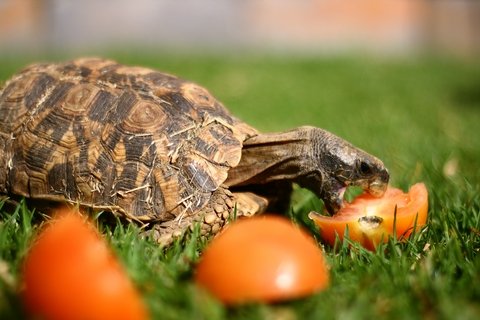
Home’s Hingeback Tortoise for Sale

€89,99
The Home’s Hingeback Tortoise (Kinixys homeana) is a distinctive African forest tortoise known for its brown shell and unique hinged rear section.
Native to humid forests of West and Central Africa, it requires high humidity, shaded shelter and a varied diet that includes suitable fungi and invertebrates.
Before considering a purchase, verify legal sourcing and wildlife-trade documentation, as this species is classified as Critically Endangered and listed under CITES Appendix II.
Home’s Hingeback Tortoise for Sale – A Unique African Forest Tortoise
Looking for a Home’s Hingeback Tortoise for Sale? Discover Kinixys homeana, a distinctive African tortoise admired for its unusual hinged shell, earthy brown colouring and fascinating forest-dwelling behaviour. Native to the humid forests of West and Central Africa, this species stands out from many commonly kept tortoises because of its specialised habitat and dietary requirements.
Home’s Hingeback Tortoise belongs to the genus Kinixys, a group recognised for the flexible hinge at the rear of the shell. This adaptation allows the tortoise to close the rear section of its shell to protect its hind legs and tail when threatened. Its shell is typically tan to dark brown, while the underside is yellowish with dark markings.
Unlike tortoises adapted to dry, open environments, Home’s Hingeback Tortoise thrives in warm, humid, shaded habitats. Its care requires careful management of humidity, temperature, shelter, nutrition and hygiene. It is therefore best suited to keepers who have researched its specialised needs and can provide appropriate long-term care.
Before considering a purchase, prospective owners should also understand the species’ conservation status. Home’s Hingeback Tortoise is classified as Critically Endangered on the IUCN Red List and is subject to international wildlife-trade controls under CITES Appendix II. Legal origin, supporting documentation and responsible sourcing should always be prioritised.
Why Is Home’s Hingeback Tortoise Unique?
Home’s Hingeback Tortoise is a fascinating species for enthusiasts interested in African reptiles and forest-dwelling tortoises. Its unusual shell structure, distinctive appearance and specialised feeding behaviour set it apart from many other tortoise species.
Key characteristics include:
- Hinged rear shell: A flexible hinge at the back of the carapace helps protect the hindquarters when the tortoise feels threatened.
- Earthy shell colouration: The shell ranges from tan to dark brown, providing camouflage among leaf litter and forest soil.
- Yellowish underside: The plastron typically features a yellow background with dark markings.
- Forest-dwelling lifestyle: The species prefers moist, shaded environments with suitable ground cover.
- Omnivorous feeding habits: Its diet includes fungi, invertebrates and other natural food sources.
- Moderate adult size: It is a small-to-medium-sized tortoise compared with many larger land tortoises.
- Specialised environmental needs: High humidity, shade and appropriate temperatures are important for successful care.
- Conservation significance: Wild populations face serious pressures from habitat loss and collection.
Its unusual appearance makes it interesting to study, but its specialised requirements and conservation status mean that prospective owners should research the species carefully before deciding whether they can provide appropriate care.
Home’s Hingeback Tortoise Characteristics
The following details provide a general overview of the species.
- Common name: Home’s Hingeback Tortoise
- Alternative names: Home’s Hinge-back Tortoise, Home’s Hinged Tortoise
- Scientific name: Kinixys homeana
- Family: Testudinidae
- Natural distribution: West and Central Africa, including Cameroon, Nigeria, Ghana, Liberia, Togo, Benin and Côte d’Ivoire
- Natural habitat: Humid forests, swamp forests and other suitable shaded environments
- Shell appearance: Tan to dark brown, with a distinctive hinged rear section
- Underside: Yellowish with dark markings
- Adult shell length: Commonly reported within approximately 15–30 cm, with many references describing adults around 20–23 cm
- Diet: Omnivorous, including fungi, invertebrates and plant material
- Conservation status: Critically Endangered on the IUCN Red List
- International trade: Listed under CITES Appendix II
Individual tortoises vary in size, appearance and behaviour. These general characteristics should not be treated as a guarantee of the age, sex, size or health of any animal offered for sale.
Home’s Hingeback Tortoise for Sale: What to Know Before Buying
If you are searching for a Home’s Hingeback Tortoise for Sale, research the species’ care requirements and conservation status before making a purchase.
This is not a typical dry-habitat tortoise. Its dependence on suitable humidity, shelter and specialised nutrition means that an ordinary tortoise enclosure may not meet its needs.
Before proceeding, consider the following:
- Experience: Research the husbandry requirements of African forest tortoises and seek specialist guidance.
- Suitable housing: Prepare an enclosure that provides sufficient space, humidity, shade and secure shelter.
- Nutrition: Establish a varied, species-appropriate feeding plan.
- Veterinary care: Identify a veterinarian experienced in exotic reptiles.
- Legal documentation: Request evidence of legal origin and verify all applicable wildlife-trade requirements.
- Long-term commitment: Consider the cost and practical demands of maintaining appropriate conditions throughout the animal’s life.
Ask the seller for information about the individual animal, including its current size, feeding routine, health history and documented origin. Do not assume that an online listing confirms current stock, captive-bred status or eligibility for delivery to your location.
A responsible purchase should prioritise animal welfare and conservation rather than appearance or availability alone.
Baby Home’s Hingeback Tortoises
Baby Home’s Hingeback Tortoises may attract interest because of their small size and distinctive shell development. However, young tortoises can be particularly vulnerable to unsuitable temperatures, dehydration, poor nutrition and stress.
Their enclosure should be prepared before arrival, with suitable humidity, ventilation, temperature control, hiding places and access to clean water.
When considering a juvenile or hatchling, ask for:
- Its age and current shell length.
- Available breeding-origin records.
- Feeding history and accepted foods.
- Previous housing and environmental conditions.
- Health information and any available veterinary records.
- Documentation demonstrating legal origin and eligibility for transfer.
Young tortoises should be monitored closely for appetite, activity and changes in body condition. Any persistent loss of appetite or unusual behaviour should prompt a review of husbandry and, where appropriate, veterinary advice.
Sex is often difficult to determine reliably in young tortoises. Do not assume that an advertised male or female has been definitively sexed unless the seller can substantiate the identification.
Adult Home’s Hingeback Tortoises
Adult Home’s Hingeback Tortoises may appeal to experienced keepers who prefer an animal beyond the hatchling stage. However, an adult still requires carefully managed environmental conditions and an appropriate diet.
Before considering an adult, establish its current size, feeding habits, previous living conditions and health history. Ask whether it has been eating consistently and whether any veterinary concerns are known.
A tortoise moving to a new enclosure may need time to adjust. Preparing a suitable habitat in advance can help minimise stress and reduce unnecessary environmental changes.
The animal should have access to secure hiding places and shaded areas where it can retreat. Avoid excessive handling, especially during the adjustment period.
Captive-Bred Home’s Hingeback Tortoises for Sale
Captive breeding may be discussed by specialist tortoise keepers and breeders, but a seller’s claim should not be accepted without reliable supporting information.
Home’s Hingeback Tortoise faces serious conservation pressures, including habitat destruction and collection for food, traditional medicine and the wildlife trade. The IUCN assessment identifies a substantial decline in wild populations.
If an animal is advertised as captive-bred, ask for:
- Verifiable breeding-origin information.
- Available records relating to its parents or breeding history.
- Documentation of its legal source.
- Health and feeding records.
- Applicable CITES documents and any required national permits.
- Confirmation that the proposed sale and transfer comply with the relevant laws.
Captive-bred status does not automatically exempt an animal from all wildlife-trade requirements. The legal conditions depend on the circumstances, the countries involved and the documentation available.
Avoid purchasing animals whose origins cannot be established. Responsible sourcing is especially important for a species classified as Critically Endangered.
Home’s Hingeback Tortoise Availability and Pricing
Availability and prices for Home’s Hingeback Tortoises can vary by seller, age, size, documented origin and other factors. Current stock should always be confirmed directly with the seller.
Before comparing prices, establish whether the advertised animal is actually available and legally eligible for sale and transfer to your location.
Important details to confirm include:
- Current stock status.
- Asking price and any additional charges.
- Age and shell length.
- Documented origin and breeding history.
- Health and feeding history.
- Applicable wildlife-trade documentation.
- Delivery eligibility and transport arrangements.
- Written terms for any guarantee offered.
A high price does not establish legal origin, good health or captive-bred status. Likewise, photographs may be representative rather than images of the specific animal supplied.
Do not rely on an advertised price or delivery promise until the seller has confirmed the details for the individual animal.
Home’s Hingeback Tortoise Diet and Feeding
Home’s Hingeback Tortoise is an omnivore with specialised feeding habits. Its natural diet includes fungi, invertebrates and other foods found while foraging in forest environments. Some observations suggest that fungi and invertebrates are particularly important components of its diet.
A captive feeding plan should reflect the species’ natural dietary diversity while meeting its nutritional needs. A diet intended exclusively for grazing tortoises should not automatically be used for this forest-dwelling species.
Potential dietary components, depending on specialist guidance, may include:
- Suitable fungi: Correctly identified edible fungi that are confirmed safe.
- Invertebrates: Appropriate feeder insects and other suitable invertebrates.
- Leafy vegetation: A variety of safe, pesticide-free leaves.
- Other plant material: Suitable vegetables and other vegetation as part of a balanced diet.
- Additional foods: Other appropriate items recommended by a reptile nutrition specialist.
Feeding guidelines include:
- Provide a varied diet rather than relying on one food.
- Use only correctly identified, safe fungi.
- Avoid insects collected from areas treated with pesticides.
- Ensure that feeder insects are suitable for the tortoise’s size and nutritional needs.
- Provide clean drinking water at all times.
- Discuss calcium and other supplementation with a reptile-experienced veterinarian.
- Remove uneaten food regularly to maintain hygiene.
- Monitor appetite, body condition and feeding behaviour.
Never collect unidentified wild mushrooms or fungi for feeding. Some species are toxic, and misidentification can have serious consequences.
The right balance of food depends on the animal’s age, condition and husbandry. A specialist feeding plan is preferable to relying on generic care instructions for other tortoise species.
Home’s Hingeback Tortoise Habitat and Housing Requirements
Home’s Hingeback Tortoise is adapted to humid, shaded forest environments. Its enclosure should provide suitable moisture levels, stable temperatures, shelter and sufficient space for normal movement and foraging.
An enclosure that is too dry, too hot or poorly ventilated can create unsuitable conditions. Planning for the animal’s long-term needs is essential before acquiring one.
Indoor enclosure
Indoor housing may be necessary where the local climate cannot provide appropriate conditions throughout the year.
The enclosure should be secure, spacious and designed to maintain a suitable microclimate. Important features include:
- Sufficient floor space for movement and foraging.
- Humidity monitoring and control.
- Reliable temperature monitoring.
- Suitable heating equipment.
- Shaded areas and secure hiding places.
- A clean, moisture-retaining substrate.
- Appropriate lighting and a regular day–night cycle.
- Access to clean drinking water.
- Good ventilation without excessive drying.
A conventional small terrarium may not provide sufficient space or environmental stability, particularly for an adult. Choose an enclosure based on the animal’s size and needs rather than its size at the time of purchase.
Outdoor enclosure
Outdoor housing may be possible in a climate that consistently provides suitable temperatures and humidity. However, ordinary warm weather does not guarantee that the conditions are appropriate.
A suitable outdoor enclosure should provide secure boundaries, shaded retreats, safe ground cover, protection from predators and access to clean water.
The tortoise must also be protected from extreme heat, cold and unsuitable weather. In cooler climates, an appropriate indoor environment may be necessary for much or all of the year.
Temperature and heating
Temperature management is important for the health and activity of Home’s Hingeback Tortoise.
The enclosure should provide a suitable thermal environment without exposing the animal to excessive heat or prolonged cold. Use reliable thermometers to monitor conditions at several points rather than relying on a single reading.
Avoid assuming that this species needs the same high basking temperatures as tortoises adapted to open, arid habitats. Establish suitable temperature targets using reliable, species-specific husbandry advice.
Humidity and hydration
High humidity is an important requirement for Home’s Hingeback Tortoise. The enclosure should provide humid retreats and a suitable moisture level while maintaining adequate ventilation and hygiene.
A persistently dry enclosure can be unsuitable, while waterlogged substrate and poor ventilation may also cause problems.
Use a hygrometer to monitor humidity and check the substrate regularly. Provide clean drinking water in a shallow dish that the tortoise can access safely.
Humidity should be managed as part of a complete environmental setup rather than by spraying the enclosure without monitoring conditions.
Lighting and UVB
Appropriate lighting should support a regular day–night cycle and meet the animal’s husbandry needs.
For indoor housing, seek species-specific guidance on UVB lighting and its role in the tortoise’s care. Select reptile equipment appropriate for the enclosure and follow the manufacturer’s instructions for installation, distance and replacement.
Provide shaded areas where the tortoise can retreat from direct light. Lighting should be considered alongside temperature, humidity, diet and veterinary care.
Substrate and shelter
A suitable substrate should help maintain appropriate moisture without remaining persistently waterlogged or contaminated.
Provide secure hiding places and shaded areas that allow the tortoise to retreat from activity and bright light. Naturalistic ground cover may help create a suitable forest-floor environment when selected and maintained safely.
Inspect the enclosure regularly, remove waste and uneaten food, and ensure that shelters cannot collapse or trap the animal.
Home’s Hingeback Tortoise Temperament and Behaviour
Home’s Hingeback Tortoise is a terrestrial forest species that can be active during the day and around twilight. Its activity often increases in suitable wet-season conditions, and it tends to favour shaded microhabitats rather than prolonged exposure to direct sunlight.
Individual behaviour varies according to environmental conditions, health and temperament. Some tortoises may spend considerable time sheltering, particularly when adjusting to a new enclosure.
Allow the animal to retreat when it needs to feel secure. Avoid unnecessary handling or repeatedly disturbing it to encourage activity.
A sudden or persistent change in feeding, movement or normal behaviour should not automatically be attributed to the species’ natural habits. Review the enclosure conditions and seek veterinary advice if you suspect a health problem.
How Big Does Home’s Hingeback Tortoise Get?
Home’s Hingeback Tortoise is generally described as a small-to-medium-sized tortoise. Adult shell length is often reported around 20–23 cm, although published ranges vary and larger individuals may be recorded.
Its relatively moderate size does not mean that it can be kept in a small enclosure. The animal still needs space to move, forage, shelter and access suitable environmental zones.
When planning housing, consider the tortoise’s expected adult size and its need for a humid, shaded environment.
How Long Does Home’s Hingeback Tortoise Live?
The full lifespan of Home’s Hingeback Tortoise is not well established. Some specialist sources suggest it may live for several decades, but a precise lifespan should not be guaranteed.
Prospective owners should approach its care as a long-term responsibility and consider the ongoing costs of suitable housing, environmental control, nutrition and veterinary support.
Reliable information about an individual animal’s age and health history can be helpful when evaluating a potential purchase.
Home’s Hingeback Tortoise Live-Arrival Guarantee
When purchasing a live tortoise online, it is important to understand the seller’s delivery arrangements and written guarantee policy.
A live-arrival guarantee should only be advertised or relied upon when the seller explicitly offers it for the animal being purchased.
Before ordering, confirm:
- Whether a live-arrival guarantee is available.
- The conditions that must be met for coverage.
- The deadline for reporting a qualifying problem.
- What evidence is required for a claim.
- Any transport or weather-related exclusions.
- Whether the policy covers arrival only or includes other provisions.
Do not assume that a guarantee is included simply because another retailer offers one. Read the actual policy before paying.
A guarantee does not replace the buyer’s responsibility to prepare a suitable enclosure and provide appropriate care after arrival.
Home’s Hingeback Tortoise Shipping and Delivery
Transporting a live tortoise requires careful planning to protect its welfare. Delivery options depend on the seller, destination, transport method and applicable wildlife-trade requirements.
Before completing a purchase, confirm:
- Whether the seller can legally transfer the animal to your location.
- Whether the proposed transport method is suitable for the species.
- Expected dispatch and delivery arrangements.
- Any additional shipping charges.
- Whether weather or transport conditions could cause delays.
- Which wildlife-trade documents must accompany the animal.
- How to receive and transfer the tortoise safely to its prepared enclosure.
International transport can involve additional permits, certificates and import requirements. A seller’s willingness to ship does not necessarily mean that a transaction is lawful.
Confirm the applicable requirements with the relevant authorities before proceeding, particularly when the transaction involves international borders.
Conservation Status and Responsible Ownership
Home’s Hingeback Tortoise is classified as Critically Endangered on the IUCN Red List. Its wild populations face significant pressure from habitat loss, harvesting for food and traditional medicine, and collection for the international pet trade.
The species is listed under CITES Appendix II, which regulates international trade. Additional national restrictions may apply depending on the country of origin and destination.
Responsible ownership requires careful attention to both welfare and conservation.
Before purchasing Home’s Hingeback Tortoise:
- Request verifiable evidence of legal origin.
- Ask for breeding records if the animal is advertised as captive-bred.
- Confirm the species identification.
- Verify relevant CITES documents and national permits.
- Check local rules governing possession, sale and transfer.
- Avoid animals whose origins cannot be established.
- Never release a captive tortoise into the wild.
Captive-bred status does not automatically remove all legal requirements. Confirm the rules applicable to the specific animal and transaction before purchasing.
Because this species is Critically Endangered, prospective owners should carefully consider whether acquiring one is appropriate and whether its long-term welfare needs can be met.
Is Home’s Hingeback Tortoise Suitable as a Pet?
Home’s Hingeback Tortoise is a specialised species and is not an ideal choice for someone seeking a simple, low-maintenance pet.
Its need for high humidity, shaded shelter, appropriate temperatures and a varied diet requires preparation and ongoing monitoring. Its conservation status adds another important consideration when evaluating whether to acquire one.
Before deciding, ask yourself:
- Can you maintain suitable humidity and temperature throughout the year?
- Can you provide enough space and secure hiding places?
- Do you understand its specialised feeding requirements?
- Is a reptile-experienced veterinarian accessible?
- Can you verify legal origin and required documentation?
- Are you prepared for the ongoing financial and practical commitment?
If you cannot confidently meet these requirements, consider learning about the species through reputable conservation resources instead of keeping one.
The best decision is one that prioritises animal welfare and supports responsible conservation.
Frequently Asked Questions About Home’s Hingeback Tortoises
What is the scientific name of Home’s Hingeback Tortoise?
Its scientific name is Kinixys homeana. It is a forest-dwelling tortoise native to parts of West and Central Africa.
Why is it called a Hingeback Tortoise?
The name refers to a flexible hinge at the rear of its shell. This adaptation helps the tortoise protect its hindquarters when threatened.
How big does Home’s Hingeback Tortoise get?
Adults commonly measure around 20–23 cm in shell length, although reported sizes vary.
What does Home’s Hingeback Tortoise eat?
It is an omnivore. Its diet includes fungi, invertebrates and plant material, and captive feeding should reflect its natural dietary diversity.
Does Home’s Hingeback Tortoise need high humidity?
Yes. The species is associated with humid forest environments, making appropriate humidity, hydration and shelter important aspects of its care.
Is Home’s Hingeback Tortoise suitable for beginners?
It is generally better suited to keepers who have researched specialised forest-tortoise husbandry and can maintain appropriate environmental conditions.
Is Home’s Hingeback Tortoise endangered?
Yes. The species is classified as Critically Endangered on the IUCN Red List, with wild populations threatened by habitat loss and exploitation.
Is international trade regulated?
Yes. Home’s Hingeback Tortoise is listed under CITES Appendix II. Buyers should verify the required documentation and any additional national restrictions before purchasing or transporting an animal.
Can Home’s Hingeback Tortoises be shipped internationally?
That depends on the seller, destination, transport arrangements and legal requirements. Confirm the transaction’s legality and the suitability of the transport method before proceeding.
What should I prepare before acquiring one?
Prepare a secure, appropriately sized enclosure with humidity and temperature monitoring, shaded hiding places, clean water, suitable substrate and a species-appropriate feeding plan. Access to a reptile-experienced veterinarian is also important.
Home’s Hingeback Tortoise: Make an Informed Decision
Home’s Hingeback Tortoise is a distinctive African forest species with a remarkable shell adaptation and specialised feeding and environmental needs.
If you are researching a Home’s Hingeback Tortoise for Sale, take time to understand its care requirements and conservation status before considering a purchase. Confirm current availability, health information, legal origin and required wildlife-trade documentation directly with the seller.
Responsible ownership means providing appropriate long-term care while avoiding support for illegal or unsustainable wildlife trade. Prioritise verified sourcing, specialist husbandry and the conservation of this remarkable species.
| Choose Size | Med-Large |
|---|---|
| Options | No Pref, Male, Female |
Be the first to review “Home’s Hingeback Tortoise for Sale”
Related products
Tortoises for Sale
Tortoises for Sale
Tortoises for Sale
Tortoises for Sale
Tortoises for Sale
Tortoises for Sale
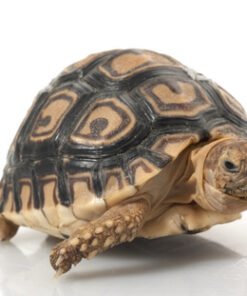
Tortoises for Sale
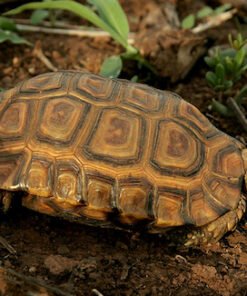
Tortoises for Sale
Reviews
There are no reviews yet.