

Black Knobbed Map Turtle for Sale

€209,99
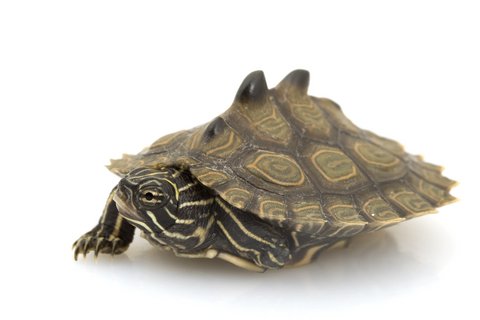
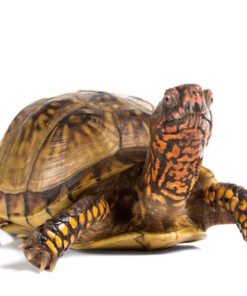
The Black Knobbed Map Turtle (Graptemys nigrinoda) is a distinctive freshwater turtle known for its raised black shell knobs, intricate markings and active swimming behaviour.
Native to river systems in Alabama and Mississippi, it thrives in a well-maintained aquatic habitat with clean, filtered water, a dry basking platform and appropriate UVB lighting.
Its varied diet includes aquatic invertebrates and some plant material.
Black Knobbed Map Turtle for Sale – A Distinctive Freshwater Turtle
Searching for a Black Knobbed Map Turtle for Sale? The Black Knobbed Map Turtle (Graptemys nigrinoda) is a fascinating aquatic turtle admired for its unusual shell structure, intricate markings and active swimming behaviour. Also known as the Black-Knobbed Sawback, this species is a popular subject of interest among freshwater turtle enthusiasts who appreciate distinctive North American reptiles.
Native to river systems in Alabama and Mississippi in the United States, the Black Knobbed Map Turtle is adapted to flowing freshwater environments with submerged structures, aquatic vegetation and suitable basking sites. Its most recognisable feature is the row of raised, dark knobs along the centre of its shell, giving it a distinctive appearance compared with many other map turtles.
This species requires a carefully maintained aquatic habitat, reliable filtration, suitable water temperatures, a dry basking area and appropriate lighting. It is best suited to keepers who can provide consistent water quality and plan for the animal’s adult size.
Before purchasing, confirm the individual turtle’s health, origin, current availability and any applicable legal requirements. The information below provides a comprehensive overview of the species and its care needs.
Why Choose a Black Knobbed Map Turtle?
The Black Knobbed Map Turtle stands out for its sculpted shell, attractive markings and energetic aquatic behaviour. Its appearance and natural history make it an interesting species for experienced freshwater turtle keepers.
Key characteristics include:
- Distinctive black, knob-like projections along the central ridge of the shell.
- Olive, brown or greenish shell tones with yellowish or orange markings.
- Yellow stripes along the head and neck.
- A streamlined body suited to swimming in freshwater rivers.
- A strong preference for basking on logs and other exposed structures.
- An omnivorous diet that includes aquatic invertebrates and some plant material.
- Pronounced size differences between males and females.
- A natural distribution limited to parts of the southern United States.
The species’ distinctive shell and active swimming make it appealing to enthusiasts interested in observing natural aquatic behaviour. However, its long-term welfare depends on appropriate housing, clean water and consistent husbandry.
Black Knobbed Map Turtle Characteristics
Understanding the basic characteristics of Graptemys nigrinoda can help you prepare a suitable enclosure and assess whether this species is right for you.
- Common name: Black Knobbed Map Turtle
- Alternative name: Black-Knobbed Sawback
- Scientific name: Graptemys nigrinoda
- Family: Emydidae
- Natural distribution: Alabama and Mississippi, USA
- Natural habitat: Freshwater rivers and streams
- Shell appearance: Dark, raised knobs along the central ridge, with patterned shell markings
- Head and neck: Dark markings with distinctive yellow stripes
- Lifestyle: Aquatic, with regular basking behaviour
- Diet: Omnivorous, including aquatic invertebrates and some plant material
- Adult size: Males are substantially smaller than females
- Conservation information: Listed as Least Concern in the 2011 IUCN assessment; US trade controls may apply
These are general species characteristics. The precise size, sex, health and feeding habits of an individual turtle should be confirmed with the seller.
Black Knobbed Map Turtle for Sale: What to Know Before Buying
If you are looking for a Black Knobbed Map Turtle for Sale, take time to research its husbandry requirements before making a purchase. Although its appearance may be appealing, this is an aquatic turtle that requires a properly equipped habitat rather than a simple bowl or small unfiltered tank.
Before acquiring one, consider the following:
- Aquatic enclosure: Prepare a spacious aquarium with sufficient swimming space and safe access to the surface.
- Water filtration: Install a reliable filtration system capable of maintaining good water quality.
- Basking facilities: Provide a stable, completely dry basking platform.
- Lighting: Use appropriate UVB lighting and a suitable heat source.
- Nutrition: Establish a balanced diet appropriate for the turtle’s age and size.
- Veterinary care: Identify a veterinarian experienced in aquatic turtles and other exotic reptiles.
- Legal requirements: Verify the animal’s origin and any applicable restrictions on sale, possession or transport.
Ask the seller for the turtle’s current shell length, feeding history, health information and documented origin. If you are buying a juvenile, establish whether its sex has been determined reliably or remains unknown.
Do not assume that a product listing guarantees current stock, captive-bred status or delivery to your location. Confirm these details directly before paying.
Baby Black Knobbed Map Turtles
Baby Black Knobbed Map Turtles are small, active hatchlings with developing shell patterns. Their compact size can make them appealing to turtle enthusiasts, but young turtles still require a carefully prepared aquatic habitat.
Hatchlings need access to water in which they can swim and surface easily, as well as a secure basking area where they can dry completely. Water quality is particularly important because young turtles can be affected by poor hygiene and unsuitable environmental conditions.
Before purchasing a hatchling, ask the seller about:
- Its age and current shell length.
- Its feeding routine and accepted foods.
- Its health history and any known concerns.
- Its breeding or collection origin.
- Whether its sex has been determined.
- Applicable documentation and legal requirements.
Prepare the enclosure before the turtle arrives. Monitor its appetite, swimming behaviour, basking habits and general condition, and seek veterinary advice if it shows persistent changes in behaviour or feeding.
A hatchling’s sex may not be reliably identifiable from its appearance alone. Avoid treating an unverified sex estimate as a guarantee.
Adult Black Knobbed Map Turtles
Adult Black Knobbed Map Turtles require a habitat that accommodates their size, swimming behaviour and basking needs.
One important feature of this species is sexual size dimorphism: females can grow considerably larger than males. Published species information reports maximum shell lengths of approximately 22 cm for females and 12 cm for males, although individual sizes vary.
When considering an adult, ask the seller about its current size, feeding habits, previous enclosure and health history.
Ensure that the aquarium has sufficient swimming space, effective filtration and a stable basking platform. A tank that is suitable for a small juvenile may become inadequate as the turtle grows, particularly if the animal is female.
Captive-Bred Black Knobbed Map Turtles for Sale
Captive-bred Black Knobbed Map Turtles may be available through specialist breeders and sellers. However, captive-bred status should be supported by reliable information rather than assumed from the wording of a product listing.
If a turtle is advertised as captive-bred, ask for:
- Information about its breeding origin.
- Available breeding or hatchling records.
- Details of its current feeding routine.
- Health information and any available veterinary records.
- Confirmation of its legal source.
- Any applicable permits or supporting documentation.
Captive-bred animals may be more accustomed to prepared diets and captive conditions, but individual feeding habits and health vary.
Do not assume that a captive-bred turtle is automatically exempt from all applicable wildlife-trade regulations. Verify the rules for the animal and the intended destination before completing the purchase.
Black Knobbed Map Turtle Availability and Pricing
The price and availability of Black Knobbed Map Turtles can vary depending on age, size, sex, origin, seller and other factors.
Before comparing prices, confirm that the specific turtle is currently available and that the proposed transaction is lawful.
Details worth checking include:
- Current stock status.
- Asking price and any additional charges.
- Current shell length and approximate age.
- Whether the sex is known or unconfirmed.
- Captive-bred or other documented origin.
- Feeding and health history.
- Any applicable wildlife-trade documentation.
- Delivery options and transport charges.
- Written terms for any guarantee offered.
A listing price does not establish the health or legal origin of an animal. Photographs may also be representative rather than images of the individual turtle being supplied.
Confirm all relevant details with the seller before ordering.
Black Knobbed Map Turtle Diet and Feeding
Black Knobbed Map Turtles are opportunistic omnivores. Their natural diet includes aquatic invertebrates such as snails, insects and other small organisms, alongside some plant material. Research also identifies freshwater sponges and bryozoans among their natural food sources. Diet can vary with the turtle’s age, size and sex.
In captivity, the aim is to provide a varied, nutritionally balanced diet rather than relying on one food.
Suitable dietary components may include:
- Commercial aquatic turtle pellets: A nutritionally balanced product suitable for the turtle’s age and size.
- Aquatic invertebrates: Appropriate insects, worms and other suitable feeder organisms.
- Molluscs: Suitable snails or other appropriate molluscs from safe, reliable sources.
- Plant material: Suitable aquatic vegetation and leafy foods as part of a balanced diet.
- Other appropriate foods: Additional items recommended by a veterinarian or experienced aquatic turtle specialist.
Feeding guidelines include:
- Offer a varied diet suited to the turtle’s age and nutritional needs.
- Avoid relying exclusively on meat or a single type of food.
- Use feeder organisms from safe sources.
- Remove uneaten food to help maintain water quality.
- Avoid overfeeding, which can contribute to poor water conditions and unhealthy weight gain.
- Follow appropriate guidance on calcium, vitamin D and other nutritional requirements.
- Monitor appetite and body condition regularly.
Juveniles and adults may have different nutritional requirements. Seek species-specific guidance rather than applying the same feeding schedule to every turtle.
Black Knobbed Map Turtle Habitat and Aquarium Requirements
The Black Knobbed Map Turtle is an aquatic species adapted to river and stream habitats with flowing water and suitable basking sites. Its enclosure should provide clean water, adequate swimming space and a secure area for basking.
An undersized aquarium or ineffective filtration system can make it difficult to maintain suitable conditions. Plan for the turtle’s adult size from the beginning.
Aquarium size and swimming space
Black Knobbed Map Turtles are active swimmers and need an aquarium that provides sufficient horizontal swimming space and water depth.
The appropriate enclosure size depends on the turtle’s size, sex, number of animals and filtration capacity. Females may require considerably more space than males because they grow larger.
When planning the aquarium:
- Allow ample room for swimming and turning.
- Provide enough water depth for comfortable swimming and surfacing.
- Ensure the turtle can reach the surface easily.
- Include a secure basking platform.
- Avoid overcrowding the aquarium.
- Use a secure cover where necessary to prevent escapes.
A small hatchling enclosure may be useful temporarily, but it should not be treated as a permanent setup for an adult.
Water quality and filtration
Clean water is essential for aquatic turtle health. Turtles produce waste that can quickly affect water quality, so reliable filtration and regular maintenance are important.
Use a filter appropriate for the aquarium’s volume and biological load. Test the water regularly and carry out partial water changes as required.
Good maintenance practices include:
- Removing uneaten food and visible waste.
- Monitoring water quality with appropriate testing equipment.
- Maintaining an established biological filtration system.
- Using water treated appropriately for the local supply.
- Cleaning equipment when necessary without unnecessarily disrupting beneficial filter bacteria.
- Avoiding sudden changes in water conditions.
Clear water is not necessarily clean water. Regular testing and maintenance are more reliable than judging water quality by appearance alone.
Water temperature
Water temperature should remain within a suitable range for the turtle’s life stage and health. Use a reliable aquarium thermometer and appropriate heating equipment if required.
Avoid sudden temperature changes and prolonged exposure to unsuitable conditions. The correct target should be established using reliable species-specific husbandry guidance.
A stable environment is preferable to frequent adjustments based on guesswork.
Basking area and heat
Black Knobbed Map Turtles regularly leave the water to bask. A suitable platform allows the turtle to climb completely out of the water and dry its shell.
The basking area should be:
- Stable and secure.
- Large enough for the turtle to rest comfortably.
- Easy to reach from the water.
- Completely dry when in use.
- Equipped with an appropriate heat source.
- Positioned to provide a suitable basking temperature without overheating.
Monitor basking conditions with a reliable thermometer. Ensure the turtle can move away from the heat source when it needs to cool down.
UVB lighting
Appropriate UVB exposure supports normal calcium metabolism and shell and bone health. For an indoor enclosure, select a reptile UVB lamp suited to the turtle’s needs and follow the manufacturer’s guidance on distance, installation and replacement.
Provide a suitable day–night lighting cycle and ensure that the turtle has access to a properly illuminated basking area.
UVB lighting should be considered alongside a balanced diet and appropriate calcium nutrition. Lighting alone cannot compensate for poor feeding or unsuitable husbandry.
Substrate and aquarium furnishings
The aquarium can include secure rocks, submerged wood and other suitable structures that create an interesting environment without reducing essential swimming space.
Any furnishings should be stable and arranged so that the turtle cannot become trapped underwater or injured while swimming.
Choose substrate carefully. Bare-bottom aquariums can simplify cleaning, while suitable aquarium substrates may offer a more natural appearance. Whatever option you choose, hygiene and safety should take priority.
Black Knobbed Map Turtle Temperament and Behaviour
Black Knobbed Map Turtles are active aquatic turtles that spend time swimming, exploring underwater structures and basking.
They may quickly retreat into the water when disturbed on a basking platform. This behaviour is a normal response to perceived threats and does not necessarily indicate a health problem.
Allow the turtle to establish a comfortable routine and avoid unnecessary handling. Frequent handling can cause stress and increases the risk of accidental injury.
Observe its normal swimming, feeding and basking patterns. Persistent changes in behaviour, difficulty swimming, unusual buoyancy or a loss of appetite should prompt a review of its environment and veterinary advice where appropriate.
How Big Does a Black Knobbed Map Turtle Get?
Adult size varies considerably between the sexes. Females may reach approximately 22 cm in shell length, while males are considerably smaller, with reported maximum lengths around 12 cm. These are published upper estimates rather than guaranteed adult sizes.
This difference is important when choosing an aquarium. A turtle purchased as a small hatchling may require substantially more space as it grows, especially if it turns out to be female.
If you are buying a juvenile, plan for the possibility that its sex may remain uncertain for some time. Choosing an aquarium based only on its current size can lead to costly upgrades later.
How Long Does a Black Knobbed Map Turtle Live?
The lifespan of a Black Knobbed Map Turtle depends on factors such as genetics, nutrition, water quality, habitat and veterinary care. A precise lifespan should not be guaranteed without reliable species-specific evidence.
Prospective owners should consider this a long-term commitment. Ongoing costs may include aquarium equipment, electricity, filtration media, food, water testing and veterinary treatment.
Maintaining suitable water quality and providing a balanced diet are important parts of supporting the turtle’s long-term welfare.
Black Knobbed Map Turtle Health and Care
A well-maintained environment is central to keeping an aquatic turtle healthy. Poor water quality, inadequate basking conditions, inappropriate nutrition and unsuitable temperatures can contribute to health problems.
Basic care should include:
- Regular water testing and aquarium maintenance.
- A balanced, species-appropriate diet.
- Access to a secure, dry basking platform.
- Appropriate heat and UVB lighting.
- Observation of normal swimming and feeding behaviour.
- Routine checks of the shell, skin, eyes and limbs.
- Access to a veterinarian experienced in aquatic turtles.
Seek veterinary advice if the turtle develops swollen eyes, persistent refusal to eat, shell abnormalities, unusual discharge, breathing difficulties or problems swimming.
Do not attempt to treat a suspected infection or shell condition with unverified remedies. Early assessment by an experienced veterinarian can help identify the cause and appropriate treatment.
Black Knobbed Map Turtle Live-Arrival Guarantee
When purchasing a live turtle online, understand the seller’s shipping arrangements and written guarantee policy before placing an order.
A live-arrival guarantee should only be advertised or relied upon when the seller explicitly offers it for the animal being purchased.
Before ordering, confirm:
- Whether a live-arrival guarantee is available.
- The conditions required for coverage.
- The deadline for reporting a qualifying problem.
- What evidence is required for a claim.
- Any weather-related or transport exclusions.
- Whether the policy covers arrival only or includes other provisions.
Do not assume that a guarantee offered by one retailer applies to another seller. Read the actual policy and obtain clarification before payment.
A live-arrival guarantee does not replace the buyer’s responsibility to prepare a suitable aquarium and provide appropriate care after arrival.
Black Knobbed Map Turtle Shipping and Delivery
Transporting a live turtle requires appropriate packaging and careful planning. Available delivery methods depend on the seller, destination, weather, transport arrangements and applicable legal requirements.
Before completing a purchase, confirm:
- Whether the seller can legally supply the turtle to your location.
- Which transport method will be used.
- Expected dispatch and delivery arrangements.
- Any additional shipping charges.
- Whether weather or transport conditions could cause delays.
- What documentation must accompany the animal.
- How to transfer the turtle safely into its prepared aquarium.
International transport may involve additional permits, certificates or import requirements. A seller’s willingness to ship does not automatically mean that the transaction is lawful.
Check the rules in the country of origin and destination before ordering, particularly for cross-border purchases. Do not assume that a seller offers international delivery unless this has been confirmed.
Conservation and Legal Considerations
The Black Knobbed Map Turtle is native to a relatively restricted region of the United States. Its natural habitat includes river systems in Alabama and Mississippi, where the quality of freshwater environments is important to its continued survival.
The species was assessed as Least Concern in the 2011 IUCN Red List assessment. However, conservation classifications and regulations can change, so check current information before publishing a conservation claim.
The United States lists Graptemys species under CITES Appendix III. The applicable requirements depend on the species, country and circumstances of the transaction, so buyers should verify the current rules with the relevant authorities.
Before purchasing a Black Knobbed Map Turtle:
- Ask for information establishing the animal’s origin.
- Request breeding records if it is advertised as captive-bred.
- Confirm the species identification.
- Verify applicable permits or trade documentation.
- Check national and local rules governing possession and sale.
- Avoid animals whose origin cannot be established.
- Never release a captive turtle into the wild.
Responsible sourcing helps buyers avoid unlawful trade and supports the long-term welfare of captive animals.
Is the Black Knobbed Map Turtle Suitable as a Pet?
The Black Knobbed Map Turtle can be an interesting species for keepers who enjoy observing aquatic behaviour and maintaining a well-equipped aquarium.
However, it is not a maintenance-free pet. It needs clean water, effective filtration, appropriate heating, UVB lighting, a suitable basking area and a balanced diet.
Before deciding whether to keep one, consider the following questions:
- Can you provide an appropriately sized aquarium for its adult size?
- Can you maintain water quality consistently?
- Can you supply suitable lighting and heating?
- Do you have access to a veterinarian experienced in aquatic turtles?
- Can you meet the ongoing costs of equipment, food and maintenance?
- Can you verify the animal’s origin and applicable legal requirements?
If you can meet these requirements, the species may be worth researching further. The most important consideration is whether you can provide a suitable long-term environment rather than simply whether the turtle is available for sale.
Frequently Asked Questions About Black Knobbed Map Turtles
What is the scientific name of the Black Knobbed Map Turtle?
Its scientific name is Graptemys nigrinoda. It is a freshwater turtle native to parts of Alabama and Mississippi in the United States.
Why is it called a Black Knobbed Map Turtle?
It is named for the raised, dark knobs along the central ridge of its shell. Its patterned shell and yellow head markings also contribute to its distinctive appearance.
How big does a Black Knobbed Map Turtle get?
Females may reach approximately 22 cm in shell length, while males generally remain much smaller and have reported maximum lengths around 12 cm.
What does a Black Knobbed Map Turtle eat?
It is an omnivore that consumes aquatic invertebrates, including snails and insects, as well as some plant material. A balanced captive diet can include suitable commercial turtle food and other appropriate foods.
Does a Black Knobbed Map Turtle need an aquarium?
Yes. It is an aquatic species that needs a suitable freshwater enclosure with swimming space, reliable filtration and a secure basking platform.
Does it need UVB lighting?
Appropriate UVB lighting is important for indoor husbandry because it supports normal calcium metabolism and shell and bone health. Lighting should be paired with a suitable diet and appropriate basking conditions.
Can male and female Black Knobbed Map Turtles be kept together?
Keeping multiple turtles together requires careful consideration of space, compatibility and individual behaviour. A larger enclosure does not guarantee that aggression or competition will be avoided. Housing animals separately may be necessary if problems occur.
Is the Black Knobbed Map Turtle endangered?
The species was assessed as Least Concern in the 2011 IUCN assessment. Buyers should consult current conservation resources for the latest information.
Is the Black Knobbed Map Turtle subject to wildlife-trade regulations?
The genus Graptemys is listed under CITES Appendix III by the United States. Confirm the requirements that apply to the specific animal and transaction before purchasing or transporting one.
Can a Black Knobbed Map Turtle be shipped internationally?
That depends on the seller, destination, transport arrangements and applicable legal requirements. Confirm international delivery availability and the required documentation before placing an order.
What should I prepare before acquiring a Black Knobbed Map Turtle?
Prepare a suitable aquarium with effective filtration, appropriate water conditions, a secure dry basking platform, suitable heating and UVB lighting, and a balanced feeding plan. Access to an aquatic turtle veterinarian is also important.
Black Knobbed Map Turtle for Sale: Make an Informed Choice
The Black Knobbed Map Turtle is a distinctive North American freshwater species admired for its raised black shell knobs, intricate markings and active swimming behaviour.
If you are researching a Black Knobbed Map Turtle for Sale, take time to understand its aquatic habitat requirements, feeding needs, adult size and long-term care demands.
Confirm current availability, health information, legal origin and delivery terms directly with the seller. If the turtle is advertised as captive-bred or supplied with a live-arrival guarantee, request the relevant evidence and written terms before purchasing.
Choose responsible sourcing and prepare a suitable aquatic habitat to support the turtle’s long-term welfare.
| Choose Size | cb Hatchling |
|---|---|
| Options | No Pref, Male, Female |
Be the first to review “Black Knobbed Map Turtle for Sale”
Related products
Turtles for Sale
Turtles for Sale
Turtles for Sale
Turtles for Sale
Turtles for Sale
Turtles for Sale
Turtles for Sale
Turtles for Sale
Reviews
There are no reviews yet.