

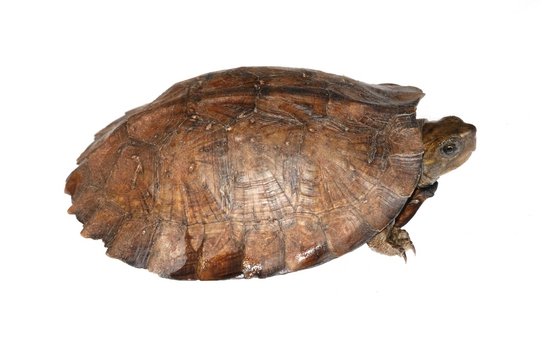
Asian Leaf Turtle for Sale

€129,99
The Asian Leaf Turtle (Cyclemys dentata) is a fascinating semi-aquatic turtle known for its leaf-shaped brown shell, serrated rear edges and distinctive reddish head markings.
Native to South and Southeast Asia, this omnivorous species thrives in a carefully maintained habitat with clean water, moist land areas, suitable lighting and plenty of hiding places.
Its natural appearance and interesting behaviour make it an appealing choice for dedicated reptile enthusiasts. Learn about its diet, habitat and care requirements before purchasing.
Asian Leaf Turtle for Sale – A Unique and Fascinating Semi-Aquatic Turtle
Looking for an Asian Leaf Turtle for sale? The Asian Leaf Turtle (Cyclemys dentata) is a distinctive freshwater turtle admired for its leaf-like shell, earthy brown colouring and fascinating semi-aquatic lifestyle.
Native to parts of South and Southeast Asia, this species is well adapted to forest streams, wetlands and other freshwater habitats surrounded by vegetation. Its oval-shaped shell, serrated rear edges and subtle reddish or yellow facial markings give it a distinctive appearance.
Unlike turtles that spend almost all their time swimming, Asian Leaf Turtles use both aquatic and terrestrial environments, exploring shallow water, resting among vegetation and moving across moist ground.
For reptile enthusiasts looking for an unusual turtle, the Asian Leaf Turtle offers an opportunity to observe interesting natural behaviours. However, it requires a carefully planned enclosure with clean water, a suitable land area, appropriate humidity, proper lighting and a balanced diet.
If you are considering purchasing an Asian Leaf Turtle, understanding its environmental needs and long-term care requirements is essential before bringing one home.
Why Choose an Asian Leaf Turtle?
The Asian Leaf Turtle is an interesting species for keepers who appreciate turtles with natural camouflage, distinctive shell patterns and a semi-aquatic lifestyle.
- Leaf-like shell: Its brown, oval shell and serrated rear edges help distinguish it from many other freshwater turtle species.
- Distinctive appearance: Depending on the individual, the head and neck may display reddish, yellowish or lighter striped markings.
- Semi-aquatic lifestyle: It needs access to both water and land, allowing it to swim, forage, rest and explore.
- Interesting natural behaviour: Asian Leaf Turtles may spend time searching for food, sheltering among vegetation and moving between aquatic and terrestrial areas.
- Moderate adult size: Many adults reach approximately 20–25 cm in shell length, although size varies between individuals.
- Varied diet: These turtles are omnivorous and consume suitable animal-based foods and plant material.
Although its natural camouflage and relatively understated colours make the Asian Leaf Turtle visually appealing, its care requirements should be the main consideration when deciding whether to keep one.
Asian Leaf Turtle Appearance and Characteristics
The Asian Leaf Turtle belongs to the family Geoemydidae and is commonly identified by the scientific name Cyclemys dentata.
Its upper shell, known as the carapace, is generally oval-shaped and brown, reddish brown or dark brown. The rear edge is often serrated, creating a slightly jagged outline that resembles the edge of a fallen leaf.
The head is relatively broad, with prominent eyes and a short snout. Some individuals have lighter stripes or reddish markings along the sides of the head and neck. The lower shell, known as the plastron, may be yellowish, orange or darkly patterned, depending on the individual.
The turtle’s partially webbed feet support movement in water and on land. Its shell and colouring provide camouflage among leaf litter, muddy banks and submerged vegetation.
As the turtle matures, its appearance may change. Colour intensity and shell markings can vary with age, population and individual genetics.
Sexual differences are not always obvious, especially in juveniles. Females may grow larger than males, but size alone is not a reliable way to determine sex. If you are looking for a turtle of a particular sex, ask the seller whether its sex has been confirmed by an experienced reptile professional.
Natural Habitat and Behaviour
Asian Leaf Turtles are native to parts of South and Southeast Asia, including regions of mainland Southeast Asia and the islands of the Malay Archipelago. The exact distribution depends on the taxonomic treatment of the Cyclemys species group.
Their natural habitats include forest streams, freshwater ponds, wetlands and other water bodies surrounded by vegetation. These environments provide shelter, food and access to both water and land.
Asian Leaf Turtles are semi-aquatic. Juveniles may spend considerable time in water, while adults can make greater use of terrestrial areas, depending on conditions and individual behaviour.
In captivity, an enclosure that combines shallow water, moist land, vegetation and hiding places helps accommodate these natural behaviours. A habitat that is entirely aquatic or completely dry will not adequately reflect the needs of this species.
Providing a quiet environment with sufficient cover is particularly important because some individuals may be shy when introduced to unfamiliar surroundings.
Asian Leaf Turtle Size and Lifespan
Adult Asian Leaf Turtles commonly reach approximately 20–25 cm in shell length, although size varies between individuals and populations.
Their growth depends on several factors, including genetics, age, nutrition, environmental conditions and overall health. A small juvenile will eventually require considerably more space than it does at the time of purchase.
The exact lifespan of this species in captivity is not firmly established across all populations. Prospective owners should nevertheless be prepared for a long-term commitment and should not assume that a turtle is a short-lived pet.
Before buying an Asian Leaf Turtle, consider whether you can provide suitable housing, balanced nutrition, water maintenance and access to appropriate veterinary care throughout its life.
Asian Leaf Turtle Care Guide
Asian Leaf Turtles require a carefully designed environment that supports both aquatic and terrestrial activity. Their enclosure should provide clean water, a suitable land area, appropriate temperature and humidity, proper lighting and sufficient shelter.
Housing and Enclosure Requirements
A spacious semi-aquatic enclosure is essential. Unlike fully aquatic turtles, Asian Leaf Turtles need meaningful access to land as well as water.
A large adult may benefit from an enclosure with a floor area of approximately 150 × 90 cm or larger, depending on its size and activity. This is a practical starting reference rather than a universal minimum, and more space is preferable whenever possible.
The enclosure should include:
- A freshwater area for swimming and soaking.
- A substantial land area for walking, resting and foraging.
- A gentle, secure route between water and land.
- Moist, diggable substrate.
- Plants, leaf litter and suitable hiding places.
- A basking area with appropriate lighting and temperature.
- Secure boundaries to prevent escape.
The proportions of land and water should be adjusted to the turtle’s age, behaviour and individual needs. Juveniles may spend more time in water, while some adults make greater use of land.
Ensure that water access is safe and that the turtle can leave the water without difficulty. Avoid steep barriers, slippery ramps and decorations that could trap the animal.
Outdoor housing may be suitable in an appropriate climate, provided the enclosure is secure and offers protection from predators, excessive heat and unsuitable weather. In other climates, a carefully controlled indoor enclosure may be more appropriate.
Temperature and Heating
Asian Leaf Turtles require suitable environmental temperatures to support normal activity, feeding and digestion.
A daytime ambient temperature around 24–28°C can be used as an initial reference for many captive setups. A warmer basking surface, approximately 29–32°C, may be suitable where the turtle uses a basking area. Exact targets should be adjusted according to the animal’s needs and specialist husbandry guidance.
Use reliable thermometers to monitor the land area, basking surface and water. Avoid heating the entire enclosure to the same temperature, as the turtle needs the opportunity to move between different conditions.
Heating equipment must be securely installed and positioned so that the turtle cannot touch hot surfaces or become trapped. Sudden temperature changes should be avoided.
Humidity and Substrate
Asian Leaf Turtles benefit from a moist environment with access to sheltered, humid areas. The land section should retain some moisture without becoming permanently waterlogged.
A mixture of suitable, pesticide-free soil and other reptile-safe substrate materials may be used to create a naturalistic terrestrial area. Leaf litter, suitable plants and secure hiding places provide additional cover and encourage natural exploration.
Monitor humidity with a hygrometer and adjust ventilation, substrate moisture and water placement as needed. Conditions should be appropriate for the individual turtle rather than based on a single fixed number.
Remove waste and uneaten food regularly, and avoid allowing damp substrate to become dirty or stagnant. Good hygiene and suitable ventilation are important even in a humid enclosure.
UVB Lighting
Appropriate UVB lighting should be considered for indoor Asian Leaf Turtle housing. UVB exposure supports vitamin D3 production and normal calcium metabolism, which are important for healthy bones and shell development.
Select a reptile UVB lamp suitable for the enclosure and follow the manufacturer’s instructions for positioning, distance and replacement. A regular day-and-night lighting cycle should also be provided.
Ensure that the turtle has access to shaded retreats as well as appropriately illuminated areas. Outdoor sunlight can provide natural UVB exposure when the climate and enclosure are suitable, but shade and protection from overheating must always be available.
Water Quality and Filtration
Clean water is essential for Asian Leaf Turtles that use an aquatic enclosure. Poor water quality can contribute to skin, shell and other health problems.
Use a suitable filtration system based on the volume of water, the enclosure design and the amount of waste produced. Even a good filter requires regular maintenance and does not remove the need for water changes.
Good water management includes:
- Removing uneaten food and visible waste.
- Performing regular partial water changes.
- Monitoring water quality where appropriate.
- Cleaning filter components according to the manufacturer’s instructions.
- Ensuring that water remains at a suitable temperature.
- Providing safe access to and from the water.
Water depth should allow the turtle to move comfortably and reach resting areas without difficulty. Avoid strong currents that make it difficult for the animal to rest.
Feeding an Asian Leaf Turtle
Asian Leaf Turtles are omnivorous. Their natural diet may include plant material, fruit, insects, worms, molluscs, crustaceans and other suitable animal-based foods.
In captivity, a varied diet is important to support normal growth and overall health. Depending on the animal’s age and nutritional needs, suitable foods may include:
- High-quality commercial aquatic turtle food.
- Earthworms and appropriate feeder invertebrates.
- Suitable insects and insect larvae.
- Selected leafy greens and safe edible plants.
- Small quantities of suitable fruit.
- Other nutritionally appropriate foods recommended by an experienced reptile veterinarian.
Juveniles may require a different dietary balance from adults, so feeding should be adjusted according to age, growth and body condition.
Avoid relying on fruit alone, feeding only one type of animal protein or offering foods of uncertain safety. Calcium supplementation may be appropriate depending on the diet and UVB provision, but it should be guided by a suitable nutritional plan.
Provide clean drinking water and remove uneaten food promptly, especially from the aquatic section, to prevent water quality from deteriorating.
Handling and Temperament
Asian Leaf Turtles are best appreciated through observation rather than frequent handling. Their temperament varies, and some individuals may take time to become comfortable in a new enclosure.
Allow a newly acquired turtle to settle before attempting unnecessary interaction. When handling is required for enclosure maintenance or health checks, support its body securely with both hands.
Avoid dropping the turtle, turning it upside down or restraining it unnecessarily. Wash your hands after handling the animal or cleaning its enclosure because reptiles can carry Salmonella bacteria even when they appear healthy.
Observe the turtle regularly for changes in appetite, activity, swimming, breathing or shell condition. Persistent abnormalities should be assessed by a qualified reptile veterinarian.
Is the Asian Leaf Turtle Suitable for Beginners?
The Asian Leaf Turtle is generally better suited to keepers who have researched semi-aquatic turtle care and can maintain a carefully managed enclosure.
Its need for both aquatic and terrestrial areas, appropriate humidity, reliable water quality, suitable lighting and a varied diet makes it more demanding than a low-maintenance pet.
A prepared beginner may be able to care for one successfully, but the enclosure should be fully set up before the turtle arrives. Access to an exotic-animal veterinarian is also important.
Buying an Asian Leaf Turtle Responsibly
When searching for an Asian Leaf Turtle for sale, choose a reputable seller who can provide clear information about the animal’s origin, health and current husbandry.
Before completing your purchase, consider the following:
- Legal origin: Ask whether the turtle is captive-bred or wild-caught and request appropriate documentation.
- Species identification: Confirm the scientific name and, where possible, the locality or population information supplied by the seller. The Cyclemys group contains several closely related species.
- Health condition: Look for clear eyes, normal movement, regular breathing and a shell without obvious damage.
- Feeding history: Ask which foods the turtle accepts and whether it is feeding consistently.
- Age and size: Request the approximate age and current shell length.
- Sex: If sex is important, ask whether it has been reliably determined.
- Husbandry history: Find out about the enclosure, water quality, temperatures, humidity and lighting.
- Transport arrangements: Confirm that shipping arrangements are appropriate for a live reptile and comply with applicable regulations.
- Documentation: Ensure that any permits and paperwork required for lawful ownership or trade are available.
Availability, price, age, sex and captive-bred status should be confirmed directly with the seller rather than assumed.
Conservation and Legal Considerations
The Asian Leaf Turtle Cyclemys dentata was assessed as Near Threatened on the IUCN Red List, with a decreasing population trend reported in the assessment. Habitat loss and collection pressures are among the conservation concerns associated with Asian freshwater turtles.
The taxonomy of the Cyclemys group has also changed as researchers have recognised several distinct species. This makes reliable species identification and documentation particularly important when purchasing an animal.
Wildlife-trade and import requirements vary by country. Before purchasing or importing an Asian Leaf Turtle, check the current regulations that apply to your location and ensure that the animal has been obtained legally.
Where possible, favour responsibly captive-bred animals with a verifiable origin. Never release a captive turtle into the wild, as this can endanger the animal and introduce disease or other risks to local ecosystems.
Frequently Asked Questions
How big does an Asian Leaf Turtle get?
Adults commonly reach approximately 20–25 cm in shell length, although size varies by individual and population.
What does an Asian Leaf Turtle eat?
It is an omnivore that consumes suitable plant material, fruit, insects, worms and other invertebrates. A varied, nutritionally balanced diet is essential.
Is the Asian Leaf Turtle aquatic or terrestrial?
It is semi-aquatic and requires both land and water. Juveniles may spend more time in water, while adults can make greater use of terrestrial areas.
Does an Asian Leaf Turtle need UVB lighting?
Appropriate UVB lighting is generally recommended for indoor housing to support normal calcium metabolism and healthy shell and bone development.
What type of enclosure does an Asian Leaf Turtle need?
It needs a spacious semi-aquatic enclosure with clean water, a substantial land area, moist substrate, hiding places and suitable heating and lighting.
How long does an Asian Leaf Turtle live?
Its exact lifespan in captivity is not firmly established for all populations. Prospective owners should be prepared for a long-term commitment and ongoing specialist care.
Can Asian Leaf Turtles live together?
Cohabitation requires careful management because competition for food, space and shelter may occur. Separate housing is often the safer starting point, particularly for inexperienced keepers.
Is the Asian Leaf Turtle a good pet?
It can be a rewarding species for a keeper who can provide a suitable land-and-water habitat, appropriate environmental conditions and a varied diet. It is not a low-maintenance pet.
Can Asian Leaf Turtles live outdoors?
Outdoor housing may be appropriate in a suitable climate, provided the enclosure offers clean water, moist land, shade, shelter and protection from predators. Indoor housing may be necessary where temperatures are unsuitable.
Find Your Asian Leaf Turtle
The Asian Leaf Turtle is a fascinating semi-aquatic reptile recognised for its leaf-like shell, earthy colours and distinctive natural behaviour. Its combination of aquatic and terrestrial habits makes it an interesting choice for dedicated turtle enthusiasts.
If you are looking for an Asian Leaf Turtle for sale, take time to research its requirements, prepare a suitable enclosure and choose a reputable seller who can establish the animal’s lawful origin. Responsible ownership begins with correct species identification, appropriate care and a commitment to the turtle’s long-term wellbeing.
| Choose Size | Medium |
|---|---|
| Options | No Pref, Male, Female |
Be the first to review “Asian Leaf Turtle for Sale”
Related products
Turtles for Sale
Turtles for Sale

Turtles for Sale
Turtles for Sale
Turtles for Sale
Turtles for Sale

Turtles for Sale
Turtles for Sale
Reviews
There are no reviews yet.