

Three Toed Box Turtle for Sale
€249,99
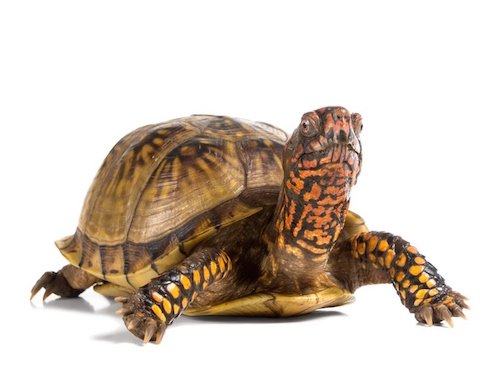
Looking for a Three Toed Box Turtle for sale? The Three-Toed Box Turtle (Terrapene carolina triunguis) is a fascinating terrestrial turtle recognised for its domed shell, earthy colours and distinctive hind feet.
This North American species thrives with a spacious enclosure, suitable humidity, UVB lighting and a varied omnivorous diet.
With proper care, it can live for several decades, making it a rewarding choice for dedicated reptile enthusiasts. Learn about its habitat, feeding requirements and long-term care before purchasing.
Three Toed Box Turtle for Sale – A Unique and Fascinating Land Turtle
Looking for a Three Toed Box Turtle for sale? The Three-Toed Box Turtle (Terrapene carolina triunguis) is a fascinating North American turtle known for its distinctive appearance, domed shell and interesting natural behaviours.
Named after the three toes commonly found on its hind feet, this species is a popular choice among reptile enthusiasts who appreciate terrestrial turtles with unique characteristics. Unlike aquatic turtles that spend much of their time swimming, Three-Toed Box Turtles are primarily land-dwelling reptiles.
They explore their surroundings, forage for food, burrow into suitable substrate and seek shelter among vegetation and leaf litter. Their attractive appearance and engaging behaviour make them an interesting species for keepers who can meet their specialised care requirements.
Before purchasing a Three-Toed Box Turtle, it is important to understand its habitat, diet, temperature, humidity and long-term housing needs. With suitable care and a well-maintained environment, these turtles can live for several decades.
Why Choose a Three-Toed Box Turtle?
The Three-Toed Box Turtle is admired for its distinctive features and fascinating behaviour. Its relatively compact adult size makes it easier to accommodate than many larger turtle species, although it still requires a spacious and carefully designed enclosure.
Reasons reptile enthusiasts are interested in this species include:
- Distinctive appearance: Its rounded, domed shell, earthy colours and occasional yellow or orange markings create an attractive appearance.
- Compact adult size: Adults commonly reach approximately 13–18 cm in shell length.
- Interesting behaviour: These turtles spend time exploring, foraging, basking, digging and seeking shelter.
- Unique defensive adaptation: Its hinged lower shell allows the turtle to close itself inside its shell when threatened.
- Terrestrial lifestyle: It can be kept in a suitable land-based habitat with appropriate moisture, lighting, heating and hiding places.
- Long lifespan: With proper husbandry, this species can live for several decades, making it a long-term companion for a dedicated keeper.
Choosing a Three-Toed Box Turtle should involve more than its appearance. Providing the right habitat and consistent care is essential for its wellbeing.
Three-Toed Box Turtle Appearance and Characteristics
The Three-Toed Box Turtle belongs to the family Emydidae and is a recognised subspecies of the Common Box Turtle. Its scientific name is Terrapene carolina triunguis.
Its shell is generally brown, olive or tan, sometimes with subtle yellow or orange markings. The shell is relatively high-domed, while its sturdy limbs and clawed feet help it move through woodland environments, leaf litter and soft soil.
The most recognisable feature is the presence of three toes on each hind foot in many individuals. However, some turtles may have four hind toes, so this characteristic alone is not always sufficient for identification.
The head and forelimbs may display yellow or orange markings, which can be especially noticeable in some adult males. Individual coloration and patterning vary according to genetics, age and other factors.
Like other box turtles, this species has a hinged plastron, the lower section of its shell. When it feels threatened, it can retract its head and limbs and close the shell for protection. This adaptation gives box turtles their common name.
Males and females may differ in features such as tail length, eye colour and shell shape, although reliable identification can be difficult in young animals. If you are purchasing a turtle of a particular sex, ask the seller whether its sex has been professionally confirmed.
Natural Habitat and Behaviour
Three-Toed Box Turtles are native to the south-central United States, with a range that includes parts of Missouri, Arkansas, Oklahoma, Kansas, Texas and surrounding regions.
They inhabit a variety of environments, including open woodlands, woodland edges, grasslands and areas with dense vegetation. These habitats provide access to food, shelter, moisture and suitable places to bask.
In the wild, Three-Toed Box Turtles often forage during favourable weather and retreat beneath leaf litter, vegetation or loose soil when they need shelter. Their activity changes with temperature, moisture and seasonal conditions.
In captivity, they benefit from an enclosure that allows them to display similar natural behaviours. Providing hiding places, deep substrate, suitable plants and a range of environmental conditions helps create a more appropriate habitat than a bare enclosure.
Although they are primarily terrestrial, they still need access to clean water and areas where they can maintain adequate hydration.
Three-Toed Box Turtle Size and Lifespan
Adult Three-Toed Box Turtles commonly reach approximately 13–18 cm in shell length, although individual sizes vary. Their growth rate depends on factors including genetics, age, nutrition and environmental conditions.
One of the most important considerations before buying this species is its lifespan. Three-Toed Box Turtles can live for several decades, with some individuals potentially exceeding 50 years under appropriate conditions.
This makes them a significant long-term responsibility. Prospective owners should consider whether they can provide suitable housing, food, environmental control and veterinary care throughout the turtle’s life.
A compact adult size should not be mistaken for low maintenance. These active reptiles require enough space to explore, forage, bask and retreat to sheltered areas.
Three-Toed Box Turtle Care Guide
Providing appropriate care is essential when keeping a Three-Toed Box Turtle. Its habitat should offer suitable temperatures, humidity, lighting, substrate and access to water.
Housing and Enclosure Requirements
Three-Toed Box Turtles need a spacious, secure enclosure designed primarily around floor space. They are terrestrial animals, so a long, wide enclosure is generally more useful than one that is tall but narrow.
For an adult, a habitat measuring approximately 140 × 70 cm or larger is a useful starting reference, with more space preferable where possible. A larger enclosure provides additional opportunities for exercise, foraging and temperature regulation.
An appropriate enclosure should include:
- A secure perimeter that prevents escapes.
- Moisture-retentive, diggable substrate.
- Multiple hiding places.
- A suitable basking area.
- A cooler area for temperature regulation.
- A shallow water dish that the turtle can enter and leave safely.
- Leaf litter, suitable plants and naturalistic features.
Outdoor housing can be an excellent option when the climate is suitable. The enclosure must provide shade and sunlight, good drainage, protection from predators and barriers that prevent the turtle from digging underneath or climbing over the perimeter.
Indoor housing may be more appropriate where outdoor temperatures are unsuitable. In either setting, the habitat should be designed around the turtle’s environmental needs rather than convenience alone.
Temperature and Heating
Three-Toed Box Turtles require a temperature gradient that allows them to move between warmer and cooler parts of their enclosure.
A basking area around 32–35°C is a reasonable starting reference, while the cooler area can generally be maintained around 21–25°C. Exact conditions should be adjusted according to the animal’s needs and a reliable species-specific care plan.
Use digital thermometers to monitor temperatures at different points in the enclosure. Avoid heating the entire habitat to the same temperature, as this prevents the turtle from choosing its preferred conditions.
Heat lamps must be securely installed and positioned so that the turtle cannot touch the bulb or become trapped against hot surfaces. Excessive heat can cause serious injury or dehydration.
UVB Lighting
Appropriate UVB lighting is an important part of indoor Three-Toed Box Turtle care. UVB exposure helps support vitamin D3 production and normal calcium metabolism, which are essential for healthy bones and shell development.
Choose a reptile UVB lamp suitable for the enclosure and position it at the manufacturer’s recommended distance. The effectiveness of the lighting depends on factors such as lamp type, installation height, barriers and replacement schedule.
Provide a regular day-and-night cycle and avoid leaving bright lights on continuously.
Where outdoor housing is suitable, natural sunlight can provide beneficial UVB exposure. However, the turtle must always have access to shade and a cooler retreat to prevent overheating.
Humidity and Substrate
Three-Toed Box Turtles generally prefer more moisture than some other terrestrial turtle species. Their enclosure should maintain suitable humidity while avoiding persistently waterlogged conditions.
A humidity range of approximately 60–80% is a commonly recommended starting point for this species. Conditions should be monitored with a reliable hygrometer and adjusted according to the enclosure design and the turtle’s needs.
Use a naturalistic substrate that retains moisture and allows burrowing. Suitable materials may include clean, pesticide-free organic topsoil and other reptile-safe substrate components.
The substrate should be deep enough to support digging, with leaf litter added to provide cover and encourage natural foraging behaviour. Provide a humid hide where the turtle can retreat to a more moisture-rich microclimate.
Remove faeces, uneaten food and contaminated substrate regularly. Good hygiene and appropriate ventilation are essential for maintaining a healthy enclosure.
Feeding a Three-Toed Box Turtle
Three-Toed Box Turtles are omnivorous, meaning they eat both animal-based and plant-based foods. Their diet should be varied and appropriate for their age, health and nutritional requirements.
Suitable food options may include:
- Earthworms and other appropriate feeder invertebrates.
- Crickets and other suitable insects.
- Carefully selected edible leafy greens and plants.
- Small quantities of suitable fruit.
- Other nutritionally appropriate foods recommended by an experienced reptile veterinarian.
Growing turtles may require a different balance of animal and plant foods from mature adults. A varied diet is preferable to feeding the same food repeatedly.
Calcium and vitamin supplementation may be appropriate depending on the foods offered, UVB exposure and the animal’s individual requirements. Follow a reliable species-specific feeding plan or seek advice from an exotic-animal veterinarian to avoid nutritional deficiencies or excessive supplementation.
Always provide clean drinking water. Food should be offered on a clean surface or feeding dish to reduce accidental ingestion of substrate.
Avoid toxic plants, pesticide-treated foods, spoiled produce and nutritionally unbalanced diets.
Water and Hydration
Although Three-Toed Box Turtles are not aquatic turtles, access to water is essential. Provide a shallow, stable dish that allows the animal to drink and soak safely.
The water should be shallow enough for the turtle to keep its head above the surface without difficulty. Check the dish daily, replace dirty water promptly and clean the container regularly.
Maintaining suitable humidity, providing a humid hide and ensuring constant access to clean water all help support normal hydration.
Handling and Temperament
Three-Toed Box Turtles are interesting animals to observe, but they do not necessarily enjoy frequent handling. Excessive handling can cause stress, particularly when a turtle is newly introduced to its enclosure.
Allow a new arrival time to settle into its habitat before attempting unnecessary interaction. When handling is necessary, support the turtle securely with both hands and avoid sudden movements or dropping it.
If the turtle retracts its head and limbs into its shell, give it time to feel secure again. This is a normal defensive behaviour rather than an indication that it needs to be handled more frequently.
Observe the animal regularly for changes in appetite, activity, movement, breathing or shell condition. Any persistent abnormalities should be assessed by a qualified reptile veterinarian.
Is the Three-Toed Box Turtle Suitable for Beginners?
The Three-Toed Box Turtle can be rewarding for a prepared keeper, but it is not a maintenance-free pet. Its requirements for humidity, temperature, lighting, varied nutrition and spacious housing make it important to research the species thoroughly before purchasing one.
First-time reptile owners should prepare the enclosure in advance and understand how to monitor its environmental conditions. Access to an exotic-animal veterinarian is also important.
This species is best suited to someone who can provide a stable environment and make a long-term commitment to its care.
Buying a Three-Toed Box Turtle Responsibly
When searching for a Three-Toed Box Turtle for sale, choose a reputable seller who can provide clear information about the animal’s origin, health and feeding history.
Before purchasing, consider the following:
- Origin: Confirm whether the turtle is captive-bred or wild-caught.
- Health: Look for clear eyes, normal movement, regular breathing and a shell without obvious damage.
- Feeding history: Ask which foods the turtle accepts and whether it is feeding consistently.
- Age and size: Request accurate information about its approximate age and current shell length.
- Sex: If sex is important to you, ask whether it has been reliably determined.
- Husbandry: Find out about the temperatures, humidity and lighting conditions in which the turtle has been kept.
- Transport: Check that any delivery arrangements are appropriate for a live reptile and comply with applicable regulations.
- Documentation: Confirm that the seller can provide any required proof of lawful origin, permits or other relevant paperwork.
Availability, pricing, age, sex and captive-bred status should be confirmed directly with the seller. Do not assume that every advertised turtle has the same characteristics or background.
Legal Considerations
Wildlife laws vary by country and jurisdiction. Three-Toed Box Turtles may be subject to restrictions concerning collection, ownership, sale, importation or transport.
Before purchasing, check the rules that apply where you live and ensure that any required documentation is in place. International buyers should also confirm import requirements before arranging shipment.
Never release a captive turtle into the wild. Doing so can expose the animal to unsuitable conditions and introduce disease or other risks to local wildlife.
Frequently Asked Questions
How big does a Three-Toed Box Turtle get?
Adults commonly reach approximately 13–18 cm in shell length. Individual size varies according to age, genetics, sex and general health.
Why is it called a Three-Toed Box Turtle?
The name refers to the three toes commonly present on its hind feet. Some individuals have four toes, so this feature is not completely consistent across every turtle.
What does a Three-Toed Box Turtle eat?
It is an omnivore that consumes a mixture of insects, worms and other suitable invertebrates, along with edible plant material and limited amounts of fruit. Its diet should be varied and nutritionally balanced.
Does a Three-Toed Box Turtle need an aquarium?
No. This is primarily a terrestrial turtle, so it needs a spacious land-based enclosure rather than a conventional aquatic aquarium setup. It still requires access to clean water for drinking and soaking.
Does a Three-Toed Box Turtle need UVB lighting?
Yes, appropriate UVB lighting is generally necessary for indoor housing to support normal calcium metabolism and healthy shell and bone development.
What humidity does a Three-Toed Box Turtle need?
A relative humidity range of approximately 60–80% is a common starting reference. The enclosure should also provide a humid hide, suitable substrate and good ventilation.
How long does a Three-Toed Box Turtle live?
These turtles can live for several decades, and some may live beyond 50 years with suitable care. Prospective owners should be prepared for a long-term commitment.
Can Three-Toed Box Turtles live together?
Cohabitation requires careful management. Competition for food, shelter and basking areas may occur, and breeding-related behaviour can lead to stress or injury. Individual housing is often the simplest option for ensuring that each turtle receives appropriate care.
Is a Three-Toed Box Turtle a good pet?
It can be a rewarding pet for a keeper who understands its needs. It requires appropriate housing, humidity, lighting, heating, nutrition and regular observation, so it is important to prepare before bringing one home.
Can Three-Toed Box Turtles live outdoors?
Yes, where the climate and enclosure are suitable. Outdoor habitats must provide shade, sunlight, secure boundaries, moisture, shelter and protection from predators and extreme weather.
Find Your Three-Toed Box Turtle
The Three-Toed Box Turtle is a distinctive terrestrial reptile with an attractive domed shell, fascinating natural behaviours and a long potential lifespan. Its manageable adult size and interesting characteristics make it appealing to reptile enthusiasts who are prepared to provide specialised care.
If you are looking for a Three-Toed Box Turtle for sale, take time to research the species, prepare a suitable enclosure and choose a reputable, legally compliant seller. Providing the right environment from the beginning is one of the most important steps towards responsible turtle ownership.
| Choose Size | cb Hatchling |
|---|---|
| Options | No Pref, Male, Female |
Be the first to review “Three Toed Box Turtle for Sale”
Related products
Turtles for Sale
Turtles for Sale
Turtles for Sale
Turtles for Sale
Turtles for Sale
Turtles for Sale
Turtles for Sale
Turtles for Sale
Reviews
There are no reviews yet.