

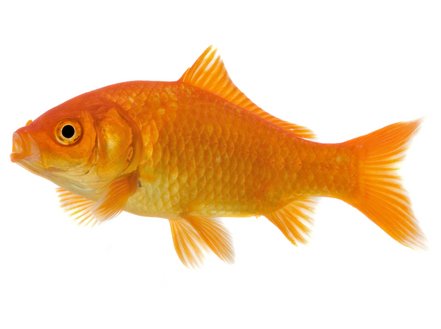
Goldfish for Sale
Price range: €59,99 through €89,99
Goldfish for Sale are live freshwater feeder fish suitable for certain fish-eating reptiles, amphibians and other aquatic predators.
Known for their bright colouring and active swimming behaviour, goldfish can provide variety in an appropriate feeding programme.
Choose a suitable size for your animal and ensure proper handling and water quality before feeding.
Goldfish should not be relied upon as the sole food source due to potential nutritional imbalances.
Goldfish for Sale – Live Feeder Goldfish for Reptiles and Aquatic Predators
Explore our Goldfish for Sale for a live feeder fish option for suitable carnivorous reptiles, amphibians and aquatic predators. Goldfish (Carassius auratus) are freshwater fish known for their distinctive colouring, adaptable nature and widespread use in ornamental fishkeeping. Certain goldfish are also supplied as feeder fish for animals whose natural diets include fish.
For keepers of appropriate aquatic turtles, larger amphibians, certain snakes and other fish-eating predators, feeder goldfish may provide an alternative prey option. Their swimming movements can encourage natural hunting and pursuit behaviours in some animals, adding variety to carefully managed feeding routines.
Whether you are looking for small or larger feeder fish, selecting the appropriate size and ensuring the fish are suitable for your animal are essential. Review the available product options, quantities and shipping information before ordering.
What Are Feeder Goldfish?
Goldfish are freshwater fish belonging to the family Cyprinidae. Their scientific name is Carassius auratus, and they are widely recognised for their orange, gold, red, white and mixed colour patterns.
When supplied as feeder fish, goldfish are intended for predators that naturally consume fish or can safely digest them as part of an appropriate diet. Their suitability depends on the predator’s species, size, feeding behaviour and nutritional requirements.
Feeder goldfish are not automatically suitable for every reptile or amphibian. Some animals require specialised diets, while others may benefit from a carefully selected variety of fish species rather than relying on goldfish alone.
Goldfish Product Features
- Common name: Goldfish.
- Scientific name: Carassius auratus.
- Product type: Live freshwater feeder fish, subject to the product listing.
- Intended use: Feeding suitable fish-eating reptiles, amphibians and other predators.
- Appearance: Typically gold, orange or mixed-coloured, depending on the stock.
- Size options: Check the current listing for available sizes.
- Pack quantities: Confirm the available quantities before ordering.
- Availability: Subject to current stock and supplier arrangements.
The precise size, quantity, colour and condition of the goldfish should be confirmed against the current product listing. Do not assume that every size or pack option is available at all times.
Why Choose Feeder Goldfish?
A Live Prey Option
Live goldfish may be suitable for certain predators that naturally consume fish. Their swimming movements can stimulate chasing and hunting behaviour in animals that are adapted to catching live prey.
However, live feeding is not necessary or appropriate for every predator. Where suitable, appropriately prepared alternative fish or other established food sources may be preferable.
Variety in Feeding Routines
Offering a suitable variety of food can help prevent an animal’s feeding programme from becoming unnecessarily repetitive. Depending on the species, feeder goldfish may provide one option among several appropriate prey types.
Goldfish should not automatically become the main or exclusive food for an animal. Their nutritional suitability depends on the predator, and certain fish contain enzymes that can contribute to thiamine deficiency when fed excessively over time.
Different Sizes for Different Predators
Feeder goldfish may be available in different sizes, allowing keepers to select fish that are more appropriate for the intended animal.
A smaller predator may require smaller prey, while a larger fish-eating animal may be capable of consuming a larger fish. Always consider the predator’s feeding ability and species-specific recommendations.
Suitable for Certain Fish-Eating Reptiles and Amphibians
Some aquatic turtles, larger amphibians, monitor lizards and fish-eating snakes may consume fish as part of their natural diet. However, the suitability of goldfish varies between species and individuals.
Check the animal’s dietary requirements before introducing feeder goldfish into its feeding routine.
Which Animals Can Eat Feeder Goldfish?
Feeder goldfish are intended for animals that can safely consume freshwater fish. Their suitability should be assessed on a species-by-species basis.
Aquatic Turtles
Certain aquatic turtles consume fish as part of their natural diet. Depending on the species, age and feeding ability, appropriately sized feeder fish may contribute to a varied feeding programme.
Goldfish should not be assumed to be suitable as a staple food for every aquatic turtle. Some species have different nutritional requirements, and many also need other food types.
Monitor Lizards
Certain monitor lizards consume fish or other aquatic prey in their natural habitats. Whether feeder goldfish are appropriate depends on the monitor species, its size and its established diet.
Confirm suitability before offering fish to a monitor lizard, particularly if it has specialised dietary requirements.
Fish-Eating Snakes
Some snakes, including certain water snakes and garter snakes, naturally consume fish. However, not every fish-eating snake is suited to goldfish, and individual species may have specific nutritional requirements.
Where goldfish are used, avoid relying on them exclusively. A varied, species-appropriate feeding programme is important.
Larger Amphibians
Certain larger frogs and other amphibians may consume fish when their natural diet and feeding behaviour allow it. The size of the fish must be appropriate for the animal’s mouth and swallowing ability.
Do not offer goldfish to amphibians that are not adapted to eating fish.
Other Aquatic Predators
Some aquatic and semi-aquatic predators may consume feeder goldfish as part of an appropriate diet. Always confirm that the fish species, size and nutritional profile are suitable for the intended animal.
Choosing the Right Goldfish Size
Selecting the appropriate feeder fish size is important for safe and effective feeding.
Smaller Feeder Goldfish
Smaller goldfish may be appropriate for certain smaller predators that can safely consume fish. They can also be considered for animals that are accustomed to taking smaller aquatic prey.
Medium Feeder Goldfish
Medium-sized fish may suit some intermediate-sized predators, depending on their feeding ability and dietary requirements.
Larger Feeder Goldfish
Larger goldfish may be appropriate for certain larger predators that naturally consume fish. However, a larger fish is not necessarily a better nutritional choice, and prey size should never exceed what the animal can safely manage.
How to Select the Correct Size
Before ordering, consider:
- The predator’s species, age and body size.
- Its natural diet and established feeding routine.
- The actual length and approximate size of the goldfish.
- The animal’s ability to capture, swallow and digest the prey.
- Any dietary restrictions or veterinary recommendations.
Avoid offering fish that are too large for the intended predator. If you are uncertain about the appropriate prey size, consult a reliable species-specific care guide or a qualified exotic-animal veterinarian.
Nutritional Considerations for Feeder Goldfish
Goldfish provide nutrients that may contribute to the diet of suitable fish-eating predators. Their nutritional composition includes protein, fat, moisture and other nutrients, although the precise values vary according to the fish’s size, age, condition and diet.
Protein
Protein supplies amino acids required for tissue maintenance, growth and other normal biological functions. Fish can contribute protein to the diets of animals adapted to consuming aquatic prey.
Fat and Energy
Goldfish contain fat that contributes energy. The amount varies between individual fish and depends on factors such as size and condition.
Vitamins and Minerals
Whole fish contain a range of naturally occurring nutrients. However, their composition does not mean that goldfish provide every nutrient required by every predator.
The overall nutritional suitability of a feeder fish depends on the species consuming it and the other foods included in its diet.
Why Dietary Variety Matters
Goldfish contain thiaminase, an enzyme that can break down thiamine (vitamin B1). Repeatedly feeding fish containing significant thiaminase activity as the principal food source can contribute to thiamine deficiency in susceptible animals.
For this reason, goldfish should not automatically be used as the sole or staple fish in a long-term feeding programme. Where fish are part of an animal’s diet, select suitable alternative prey species and follow species-specific nutritional guidance.
Do not assume that every freshwater fish has the same nutritional profile or that a varied diet alone will correct every deficiency. A qualified exotic-animal veterinarian can advise on appropriate prey selection and supplementation.
Live Goldfish and Feeding Behaviour
Live feeder goldfish may encourage chasing and capture behaviours in predators that naturally hunt fish. However, this does not mean that live feeding is always necessary or preferable.
Live fish can introduce parasites or pathogens, and feeding them to an animal without appropriate consideration of the fish’s health and source may create avoidable risks.
Before using live goldfish, consider:
- Whether the predator naturally eats fish.
- Whether live prey is necessary for the animal to feed successfully.
- The health and source of the feeder fish.
- The risk of parasites or other infectious agents.
- Whether a suitable alternative fish or prepared diet would be safer.
- The potential nutritional disadvantages of relying heavily on goldfish.
Where appropriate, alternative prey may offer a more suitable nutritional profile. Follow the animal’s established care requirements rather than introducing live fish simply to stimulate hunting behaviour.
Handling and Temporary Care
If you purchase live feeder goldfish, provide suitable temporary holding conditions before feeding.
Water Quality
Goldfish require clean, appropriately conditioned freshwater with sufficient oxygen. Poor water quality can quickly compromise fish health.
Use suitable filtration or appropriate temporary holding arrangements, and monitor water conditions when holding fish for any length of time.
Temperature
Maintain water temperature within a suitable range for the fish and avoid sudden changes. The appropriate conditions depend on the holding setup and the intended duration of storage.
Stocking Density
Avoid overcrowding fish in temporary containers. Excessive stocking density can reduce oxygen availability and increase waste accumulation.
Hygiene and Disease Prevention
Use clean equipment and avoid introducing feeder fish into established ornamental aquariums without considering quarantine and disease risks.
Do not use visibly unhealthy or dead fish as feeders. Remove dead fish promptly and maintain suitable hygiene throughout handling.
Ordering Goldfish Online
Before placing an order, review the product information and confirm:
- The available goldfish sizes.
- The number of fish included in each pack.
- Whether the fish are supplied live.
- Current stock availability.
- Shipping arrangements and delivery eligibility.
- Recommended holding conditions.
- Any applicable live-arrival policy or product guarantee.
Live fish require appropriate packaging, oxygen availability and temperature management during transport. Ensure that someone can receive the shipment promptly and that suitable holding facilities are ready.
International buyers should also check the applicable import, animal-health and aquatic-animal transport regulations before ordering. Live fish may be subject to restrictions depending on the destination.
Do not assume that a particular delivery timeframe, international shipping option or live-arrival guarantee applies unless it is confirmed by the supplier’s current policies.
Frequently Asked Questions
What are feeder goldfish?
Feeder goldfish are goldfish supplied as food for suitable fish-eating predators. They may be used in feeding programmes for certain reptiles, amphibians and other animals that naturally consume fish.
What is the scientific name of a goldfish?
The scientific name of the goldfish is Carassius auratus.
Can reptiles eat goldfish?
Certain fish-eating reptiles may consume goldfish, depending on their species, size and dietary requirements. Goldfish are not suitable for every reptile, and their use should be considered carefully as part of a varied feeding programme.
Can snakes eat feeder goldfish?
Some fish-eating snakes may consume goldfish, but suitability varies between species. Avoid relying on goldfish as the sole fish source, and consult species-specific feeding guidance.
Can aquatic turtles eat goldfish?
Some aquatic turtles consume fish, but their nutritional requirements vary. Goldfish should not automatically be used as a staple food, particularly where thiaminase exposure may be a concern.
Are feeder goldfish nutritionally complete?
Goldfish contain protein, fat and other nutrients, but they should not be assumed to provide a complete diet for every predator. Nutritional suitability depends on the animal and the wider feeding programme.
Why is dietary variety important?
Different prey species have different nutritional profiles. A suitable variety of foods can help address nutritional differences, although feeding plans should still be tailored to the animal’s species and requirements.
How should live feeder goldfish be kept before feeding?
Keep them in suitable freshwater with appropriate oxygenation, temperature and water quality. Avoid overcrowding and monitor their condition while they are being held.
Do feeder goldfish arrive alive?
This depends on the supplier’s current shipping policy. Check the product listing and any applicable live-arrival terms before ordering.
Can goldfish be released into ponds or rivers if they are no longer needed?
Do not release feeder goldfish into natural waterways. Goldfish can establish populations outside their intended environment and may negatively affect local ecosystems. Follow responsible containment and disposal practices.
Buy Goldfish for Your Feeding Programme
Explore our Goldfish for Sale for a live freshwater feeder option for suitable fish-eating reptiles, amphibians and other predators. Available sizes and quantities may vary, so review the current product listing to select an appropriate option for your animal.
Responsible prey selection, proper fish care and a varied, species-appropriate feeding programme are essential. Before ordering, confirm the product details and ensure that goldfish are suitable for your intended animal.
| Choose | 12 Med. Goldfish, 24 Med. Goldfish, 36 Med. Goldfish, 12 Large Goldfish, 24 Large Goldfish, 36 Large Goldfish, 12 Guppies, 24 Guppies, 36 Guppies |
|---|
Be the first to review “Goldfish for Sale”
Related products
Feeder Insects for Sale
Feeder Insects for Sale
Feeder Insects for Sale
Feeder Insects for Sale
Feeder Insects for Sale
Feeder Insects for Sale
Feeder Insects for Sale
Feeder Lizards for Sale
Reviews
There are no reviews yet.