

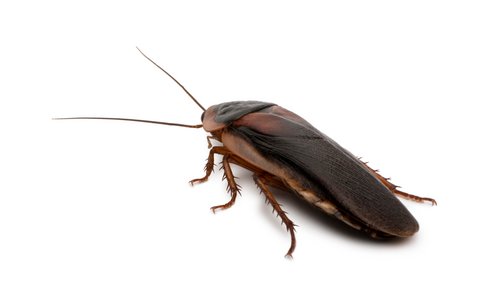
Dubia Roaches for Sale
Price range: €27,99 through €109,99
Dubia Roaches for Sale offer a popular live feeder option for suitable reptiles, amphibians and insect-eating invertebrates.
These nutritious roaches (Blaptica dubia) provide protein and other essential nutrients, making them a useful addition to a varied feeding routine.
Available in different sizes, they can suit animals such as bearded dragons, leopard geckos, chameleons and certain frogs.
Easy to contain and relatively quiet compared with crickets, Dubia roaches are a practical choice for reptile keepers.
Select an appropriate size and gut-load them before feeding for better nutritional value.
Dubia Roaches for Sale – Live Feeder Insects for Reptiles and Amphibians
Discover our Dubia Roaches for Sale, a popular live feeder insect choice for reptile keepers, amphibian enthusiasts and owners of insectivorous pets. These hardy, nutritious cockroaches are valued for their protein content, manageable care requirements and suitability for a wide range of animals that naturally consume insects.
Scientifically known as Blaptica dubia, Dubia roaches are also called orange-spotted roaches, Guyana spotted roaches and Argentine roaches. They originate from parts of Central and South America and have become widely used in the exotic pet industry as an alternative to traditional feeder insects such as crickets and mealworms.
Dubia roaches are suitable for many insectivorous and omnivorous reptiles, including bearded dragons, leopard geckos, monitors and certain chameleons. They may also be suitable for selected frogs, toads, tarantulas and other invertebrate predators, depending on the animal’s size and dietary requirements.
Available in different sizes to accommodate different feeding needs, Dubia roaches can form part of a varied feeding programme for growing juveniles and adult animals. Their relatively quiet behaviour, lack of jumping and straightforward storage make them a practical choice for keepers who want a dependable supply of live food.
Whether you are feeding a single pet reptile or maintaining a larger collection, choosing appropriately sized Dubia roaches can help simplify your feeding routine. Select the right quantity, maintain the insects in suitable conditions and follow a balanced, species-specific feeding plan.
What Are Dubia Roaches?
Dubia roaches are a species of cockroach belonging to the family Blaberidae. Their scientific name is Blaptica dubia, and they are commonly used as feeder insects for captive reptiles, amphibians and other insect-eating animals.
They have oval-shaped bodies, six legs and a dark brown to black appearance, often with orange or lighter markings. Young Dubia roaches, known as nymphs, are smaller and lack the fully developed wings seen in adult males.
Dubia roaches are native to warm regions of South America. In captivity, they can be maintained in suitable ventilated containers with appropriate food, moisture, shelter and temperature conditions.
Unlike crickets, Dubia roaches do not chirp. They also do not jump, and nymphs and females do not have the same flight capability associated with some winged adult insects. Their limited climbing ability on clean, smooth surfaces can make them easier to contain, although a secure enclosure is still important.
These characteristics, combined with their nutritional contribution and availability in different sizes, have made Dubia roaches a popular feeder option for reptile and amphibian keepers.
Dubia Roach Product Features
- Common name: Dubia roaches, orange-spotted roaches or Guyana spotted roaches.
- Scientific name: Blaptica dubia.
- Product type: Live feeder insects.
- Appearance: Dark brown to black bodies, sometimes with orange markings.
- Life stages: Nymphs and adults, depending on the product.
- Available sizes: Vary by supplier and current stock.
- Nutritional characteristics: A source of protein, fat and other nutrients.
- Suitable animal groups: Certain reptiles, amphibians and invertebrate predators.
- Storage: Requires suitable ventilation, food, moisture and temperature management.
- Available quantities: Check the current product listing for pack sizes and counts.
Individual sizes, quantities, packaging and availability may vary. Confirm the specifications of the product you intend to purchase before ordering.
Why Choose Dubia Roaches?
A Nutritious Live Feeder
Dubia roaches provide protein, fat and other nutrients that can contribute to the diets of suitable insectivorous and omnivorous animals.
Their nutritional value can make them a useful alternative to other feeder insects. However, no single insect should automatically be considered a complete diet for every reptile or amphibian.
A Useful Alternative to Crickets
Dubia roaches are popular among keepers who want an alternative to crickets. They do not chirp, do not jump and can be relatively straightforward to store in a suitable container.
Their quieter behaviour and manageable care requirements can make them convenient for home use, particularly when feeders need to be maintained for several days before being offered to an animal.
Available in Different Sizes
Dubia roaches are available at different developmental stages, from small nymphs to larger individuals.
This range allows keepers to select prey that matches their animal’s size and feeding ability. Always check the actual size range supplied rather than relying solely on labels such as small, medium or large.
Convenient Storage
Dubia roaches can be kept in a ventilated container with suitable hiding surfaces and appropriate food. They do not require the same aquatic environment as some live feeders, and their enclosure can be kept relatively simple.
Maintaining dry conditions, removing spoiled food and providing adequate ventilation are important for keeping them in good condition.
Suitable for Gut-Loading
Gut-loading involves feeding nutritious food to feeder insects before offering them to a pet.
Dubia roaches can be gut-loaded with suitable commercial feeder diets and appropriate fresh foods. This can help improve their nutritional contribution as part of a well-managed feeding programme.
Potential for Home Breeding
Under appropriate conditions, Dubia roaches can reproduce in captivity. This makes them an option for keepers who want to maintain their own feeder colony.
A breeding colony requires suitable space, warmth, food, moisture management and regular maintenance. Check local regulations before breeding or transporting live feeder insects.
Which Animals Can Eat Dubia Roaches?
Dubia roaches are used to feed many insectivorous and omnivorous animals. Suitability depends on the species, size, age, feeding behaviour and overall nutritional requirements.
Bearded Dragons
Bearded dragons commonly consume a variety of insects alongside appropriate plant foods.
Dubia roaches can be a useful feeder option for juvenile and adult bearded dragons when the insects are appropriately sized. They provide a different feeding experience from crickets and can contribute to a varied diet.
Choose prey that the dragon can swallow safely, and follow suitable calcium and vitamin supplementation guidance.
Leopard Geckos
Leopard geckos are insectivorous reptiles that may readily consume appropriately sized Dubia roaches.
Smaller nymphs can be useful for juveniles, while larger individuals may suit some adults. The correct size depends on the gecko’s body size and feeding ability.
Dubia roaches should form part of a varied insect-based feeding programme rather than being assumed to provide every required nutrient.
Crested Geckos
Crested geckos generally require a nutritionally complete, species-appropriate formulated diet. Some individuals can also eat suitable insects as supplementary food.
Dubia roaches should not replace a complete formulated diet. Confirm that supplementary insects are appropriate for your gecko and follow its recommended feeding routine.
Chameleons
Certain chameleon species consume Dubia roaches as part of a varied insect-based diet.
Select prey that the chameleon can capture and swallow safely. Smaller nymphs may be more appropriate for juveniles and smaller species, while larger individuals may suit certain adults.
Follow species-specific husbandry guidance, including appropriate supplementation and UVB provision.
Monitor Lizards
Many monitor lizards consume insects and other invertebrates, particularly during some stages of growth.
Dubia roaches may be suitable for certain smaller monitors and juveniles, depending on the species and size of the prey. Larger monitors generally require a broader feeding programme that reflects their size and natural diet.
Skinks
Some insectivorous and omnivorous skinks readily consume roaches and other invertebrates.
Dubia roaches can be included when appropriately sized for the individual species. Check the skink’s dietary requirements before making them a regular part of its feeding routine.
Frogs and Toads
Certain larger frogs and toads consume cockroaches and other insects as part of their natural diet.
Dubia roaches may be suitable for appropriately sized amphibians, but small frogs and newly metamorphosed animals may be unable to consume larger prey safely.
Always match the insect size to the animal’s mouth size and feeding behaviour.
Tarantulas
Some tarantula species consume appropriately sized Dubia roaches. Small nymphs may be suitable for certain growing spiders, while larger individuals may be appropriate for bigger species.
Feeding practices differ between tarantulas, and live prey should be selected according to the spider’s size and behaviour. Remove uneaten prey when necessary, particularly when a tarantula is moulting or has recently moulted.
Scorpions
Certain scorpion species consume roaches and other live invertebrates.
Dubia roaches may be appropriate for selected species when the prey is an appropriate size. Feeding frequency and prey size should be based on the scorpion’s species, age and condition.
Other Insectivorous Animals
Other insect-eating reptiles, amphibians and invertebrates may consume Dubia roaches. However, their suitability cannot be assumed for every animal.
Check the species’ feeding requirements before introducing Dubia roaches, particularly if the animal is very small or has specialised dietary needs.
Understanding the Nutritional Value of Dubia Roaches
Dubia roaches contain protein, fat, moisture and other naturally occurring nutrients. Their exact nutritional composition varies according to their developmental stage, diet and rearing conditions.
They are widely used because they can provide useful nutrients in a convenient live-food format. Nevertheless, the nutritional value of a feeder insect should always be considered in relation to the complete diet of the animal being fed.
Protein
Protein supplies amino acids needed for growth, tissue maintenance and normal biological functions.
Dubia roaches can contribute protein to the diets of suitable insectivorous reptiles and amphibians. Their protein content is one reason they are commonly included in feeder-insect rotations.
Fat and Energy
Dubia roaches contain fat, which contributes to their energy value.
The amount varies with the roach’s developmental stage and nutritional condition. Offer appropriate quantities and avoid relying on one feeder insect as the sole source of nutrition.
Moisture
Dubia roaches contain moisture, which contributes to their overall nutritional composition.
They should not replace access to fresh water or the correct environmental humidity required by the animal being fed.
Exoskeleton and Chitin
Like other insects, Dubia roaches have an external skeleton containing chitin.
The amount and relative digestibility of the exoskeleton vary with developmental stage and other factors. Select an appropriate size for the animal, particularly when feeding small juveniles.
Calcium and Supplementation
Dubia roaches should not automatically be assumed to provide the calcium balance required by every reptile or amphibian.
Many insectivorous reptiles need an appropriate calcium and vitamin supplementation programme based on their diet, age, UVB exposure and husbandry requirements.
Follow species-specific guidance when deciding whether to dust feeder insects or use other supplementation methods.
Gut-Loading for Better Feeder Nutrition
Gut-loading means feeding suitable, nutrient-rich foods to feeder insects before they are consumed by a pet.
Dubia roaches can be maintained on an appropriate commercial feeder diet alongside suitable fresh produce. The aim is to improve their nutritional condition before feeding.
Remove uneaten fresh food before it spoils, and avoid foods that could be harmful to the intended pet.
Gut-loading complements an appropriate feeding programme but does not guarantee that Dubia roaches alone provide a complete diet.
Choosing the Right Dubia Roach Size
Selecting the correct size is one of the most important considerations when purchasing live feeder roaches.
Dubia roaches grow through successive moults, so their size depends on their developmental stage. Suppliers may use different sizing categories, meaning that the actual dimensions should be checked before ordering.
Extra-Small and Small Nymphs
Smaller Dubia roaches may be appropriate for certain young reptiles, small amphibians and growing invertebrate predators.
They are often easier for smaller animals to capture and swallow than larger roaches. However, very young animals may still require even smaller prey.
Medium-Sized Nymphs
Medium-sized Dubia roaches can suit certain growing reptiles and smaller adult animals.
Choose a size that the animal can swallow comfortably and that matches its normal feeding requirements.
Large Nymphs
Larger nymphs may be suitable for adult leopard geckos, bearded dragons and other appropriately sized insectivores.
Always check the actual size of the insects, as product labels can differ between suppliers.
Adult Dubia Roaches
Adult roaches are larger than nymphs and may be suitable for certain larger reptiles and amphibians.
They are not appropriate for every animal, and adult males have developed wings while females have shorter wing pads. Check whether your selected product contains adults or juvenile feeders.
A Practical Sizing Guideline
For many lizards, a commonly used starting guideline is to select prey no wider than the space between the animal’s eyes. However, this is not a universal rule for every species.
Use species-specific feeding guidance, particularly for snakes, amphibians and invertebrates. When uncertain, choose a smaller feeder and consult a qualified exotic-animal professional.
How to Store Live Dubia Roaches
Proper storage helps keep Dubia roaches healthy until they are ready to be fed. Follow the supplier’s instructions because temperature and maintenance requirements may differ depending on whether you are storing feeders short-term or maintaining a breeding colony.
Use a Suitable Container
A smooth-sided plastic container or suitable glass enclosure can help keep Dubia roaches contained.
Provide adequate ventilation and a secure lid where necessary. Even though Dubia roaches have limited climbing ability on clean, smooth surfaces, they should not be left in an unsecured container.
Provide Hiding Places
Cardboard egg flats or similar clean, dry structures can provide shelter and additional surface area.
Arrange them so air can circulate and the roaches can move freely. Avoid allowing the structures to create an easy route out of the container.
Maintain Suitable Temperature
Dubia roaches tolerate a range of temperatures, but their activity, feeding and development change with temperature.
For short-term feeder storage, follow the supplier’s recommended temperature range. Breeding colonies generally require warmer conditions than roaches being held temporarily for feeding.
Avoid direct sunlight, excessive heat and sudden temperature changes.
Provide Appropriate Food
A suitable commercial feeder-insect diet can provide a convenient staple food. Appropriate fresh vegetables and other safe produce may also be offered.
Choose food that is suitable for the roaches and the animal that will eventually consume them.
Provide Safe Hydration
Dubia roaches require moisture, but open water dishes can create a drowning risk, particularly for smaller nymphs.
Appropriate fresh produce or a purpose-designed feeder-insect hydration source may provide moisture without leaving standing water in the enclosure.
Keep the Enclosure Dry and Clean
Excess moisture, poor ventilation and spoiled food can encourage mould and unhealthy conditions.
Remove uneaten fresh food before it deteriorates, clean the enclosure as needed and avoid allowing waste to accumulate.
Monitor Their Development
Dubia roaches continue to grow through successive moults. If you store them for an extended period, some may become larger than the size originally purchased.
Use them according to your feeding schedule and monitor their size to ensure that they remain suitable for your animal.
How to Feed Dubia Roaches to Your Pet
Dubia roaches should be offered according to the animal’s species, size, age and nutritional requirements.
- Confirm that Dubia roaches are suitable for your animal.
- Choose insects of an appropriate size.
- Inspect the roaches and avoid feeding any that are dead, contaminated or deteriorating.
- Gut-load the feeders when appropriate, following suitable care guidance.
- Apply calcium or vitamin supplements when recommended for your species.
- Offer a suitable quantity and observe the animal’s feeding response.
- Remove uneaten insects when necessary to maintain enclosure hygiene.
Do not leave live roaches loose in an enclosure without considering the animal’s behaviour and welfare. For certain reptiles, uneaten insects may hide within the habitat or disturb the animal.
If your pet persistently refuses food, loses weight or shows signs of illness, consult a qualified exotic-animal veterinarian.
Dubia Roaches Compared with Other Feeder Insects
Different feeder insects have different nutritional profiles, sizes and care requirements. Comparing these options can help you build a feeding programme suited to your animal.
Dubia Roaches
Dubia roaches are widely used because they provide protein and other nutrients, come in different sizes and can be maintained in a suitable container. They do not chirp or jump, which can make them easier to manage than some other feeders.
Crickets
Crickets are a common live feeder for many insectivorous reptiles and amphibians. Their active movement can encourage hunting behaviour, but they chirp and may require more frequent attention to their enclosure conditions.
Mealworms
Mealworms are larvae of the darkling beetle, Tenebrio molitor. They can be suitable for various insectivorous animals but have a different nutritional profile and relatively low calcium content.
Superworms
Superworms are the larvae of Zophobas morio. They are generally larger than standard mealworms and may suit certain animals that can consume them safely.
Silkworms
Silkworms are soft-bodied larvae with a different moisture and nutritional profile from Dubia roaches. They can provide another option for suitable insectivores.
Hornworms
Hornworms are moisture-rich caterpillars commonly used as supplementary feeders for certain reptiles. Their size and high water content make them different from roaches.
Why Feeder Variety Matters
No single feeder insect is ideal for every animal or every feeding situation. A suitable feeding programme should account for prey size, nutritional balance, supplementation and the animal’s natural diet.
Dubia roaches can be an excellent addition to an appropriate feeder rotation, but they should not automatically become the only food offered.
Starting a Dubia Roach Breeding Colony
Some keepers choose to breed Dubia roaches to maintain a continuing supply of feeder insects. Under suitable conditions, these roaches can reproduce in captivity, but establishing a healthy colony requires more than simply placing several insects in a container.
Select an Appropriate Enclosure
Use a secure, ventilated enclosure with sufficient space for the colony. Smooth-sided containers can help reduce escapes.
Provide Shelter
Egg flats or similar structures offer hiding places and additional surface area. Arrange them to maintain ventilation and make routine cleaning easier.
Maintain Suitable Environmental Conditions
Temperature and other environmental factors influence feeding, growth and reproduction. Follow a reliable husbandry guide for colony maintenance rather than assuming that the conditions used for short-term feeder storage are sufficient for breeding.
Provide Appropriate Food and Moisture
Use a suitable feeder-insect diet and appropriate fresh produce. Remove spoiled food regularly and provide hydration without creating excessively wet conditions.
Separate Feeders from Breeders
If you intend to maintain a colony, it may be useful to separate the insects intended for feeding from those kept for reproduction.
This can help you manage quantities, monitor growth and maintain the breeding population.
Prevent Escapes and Unwanted Release
Keep the enclosure secure and inspect it during cleaning and feeding. Never release unwanted Dubia roaches outdoors.
Before breeding or transporting live insects, check applicable local rules and biosecurity requirements.
Ordering Dubia Roaches Online
Before purchasing Dubia Roaches for Sale, review the product listing and confirm:
- The species supplied, ideally identified as Blaptica dubia.
- The size category and approximate dimensions.
- The number of insects included in each pack.
- Whether the product contains nymphs, adults or mixed sizes.
- The packaging and storage instructions.
- Current stock availability and dispatch arrangements.
- Shipping eligibility for your destination.
- Any applicable live-arrival policy or product guarantee.
Live feeder insects require appropriate packaging and transport conditions. Prepare a secure, ventilated holding container before your order arrives.
For international orders, check applicable import and transport regulations for live insects. Do not assume that every supplier ships Dubia roaches to every destination.
Only rely on delivery times, product quantities, shipping offers and live-arrival guarantees explicitly confirmed by the seller.
Frequently Asked Questions
What are Dubia roaches?
Dubia roaches are a species of cockroach, Blaptica dubia, commonly used as live food for suitable reptiles, amphibians and invertebrate predators.
Are Dubia roaches good feeder insects?
They can be a useful feeder because they provide protein and other nutrients, are available in different sizes and can be relatively easy to maintain. Their suitability depends on the animal’s dietary requirements.
Can bearded dragons eat Dubia roaches?
Yes, bearded dragons can eat appropriately sized Dubia roaches as part of a varied feeding programme. Follow the recommended diet and supplementation guidance for your dragon.
Can leopard geckos eat Dubia roaches?
Yes, appropriately sized Dubia roaches can be offered to leopard geckos. Select prey that can be swallowed safely and provide a varied insect-based diet.
Are Dubia roaches better than crickets?
Neither feeder is automatically best for every animal. Dubia roaches do not chirp or jump and are often easier to contain, while crickets provide a different feeding experience and nutritional profile. Both can be useful when appropriate.
Do Dubia roaches bite?
Dubia roaches are not generally considered aggressive feeders, and biting is not a typical concern during ordinary handling. Handle them carefully and avoid crushing or injuring the insects.
Can Dubia roaches fly?
Adult males have developed wings, but Dubia roaches are not generally known for sustained flight. Nymphs do not have developed wings, and females have short wing pads. Use a secure enclosure regardless.
How should I store Dubia roaches?
Keep them in a ventilated, secure container with suitable hiding places, food and moisture. Follow the supplier’s temperature recommendations and remove spoiled food regularly.
Do Dubia roaches need water?
They need moisture, but open water dishes can pose a drowning risk. Use appropriate fresh produce or a suitable feeder-insect hydration source.
Can Dubia roaches reproduce at home?
Yes, they can reproduce under suitable conditions. A breeding colony requires appropriate warmth, food, shelter, ventilation and maintenance.
How many Dubia roaches should I feed my pet?
The correct quantity depends on the animal’s species, age, size, body condition and overall diet. Follow species-specific feeding guidance and monitor your pet’s condition.
Do Dubia roaches need calcium powder?
Supplementation depends on the animal’s species and complete diet. Many insectivorous reptiles require appropriate calcium and vitamin supplementation, so follow species-specific husbandry advice.
Are Dubia roaches suitable for baby reptiles?
Small nymphs may be appropriate for certain young reptiles, but the correct size depends on the species and developmental stage. Very small animals may require smaller prey.
Can Dubia roaches replace all other feeder insects?
They should not automatically replace all other foods. A varied, species-appropriate feeding programme can help provide a broader range of nutrients and feeding experiences.
Buy Dubia Roaches for Sale
Explore our Dubia Roaches for Sale for a convenient live feeder option for suitable reptiles, amphibians and insectivorous invertebrates. These popular feeder roaches are valued for their nutritional contribution, quiet behaviour and availability in different sizes.
Whether you keep bearded dragons, leopard geckos, chameleons, frogs or other suitable insectivores, choosing the right Dubia roach size can make feeding more manageable. Maintain the insects in appropriate conditions, gut-load them when suitable and provide the correct supplementation for your animal.
Check the current product specifications, pack quantities, availability and shipping terms before ordering to ensure that your feeder insects suit your animals and feeding routine.
| Choose size & quantity | 100 Small, 200 Small, 500 Small, 1000 Small, 50 Medium, 100 Medium, 50 Large, 100 Large, 200 Large, 400 Large, 50 Extra Large, 100 Extra Large, 200 Extra Large, 400 Extra Large |
|---|
Be the first to review “Dubia Roaches for Sale”
Related products
Feeder Insects for Sale
Feeder Insects for Sale
Feeder Insects for Sale
Feeder Insects for Sale
Feeder Insects for Sale
Feeder Lizards for Sale
Feeder Insects for Sale
Feeder Insects for Sale
Reviews
There are no reviews yet.