

Wax Worms for Sale
Price range: €29,99 through €44,99
Wax Worms for Sale offer a soft-bodied live feeder option for suitable insectivorous reptiles and amphibians.
These larvae of the greater wax moth (Galleria mellonella) are popular for their high fat content and palatability, making them a useful occasional treat for leopard geckos, bearded dragons, chameleons and other suitable animals.
Offer waxworms in moderation alongside a balanced, species-appropriate diet, and follow the supplier’s storage instructions to maintain their condition before feeding.
Wax Worms for Sale – Live Feeder Worms for Reptiles and Amphibians
Discover our Wax Worms for Sale, a popular live feeder option for keepers of insectivorous reptiles, amphibians and other suitable insect-eating animals. Known for their soft bodies, slow movement and naturally high fat content, waxworms are often used as an occasional treat or supplementary feeder to add variety to an animal’s feeding routine.
Waxworms are the larval stage of the greater wax moth, scientifically known as Galleria mellonella. These creamy-white larvae are widely used in reptile and amphibian keeping because many suitable animals readily accept them. Their soft texture and energy-dense nutritional profile make them particularly useful when a keeper wants to offer an alternative to conventional feeder insects.
Whether you keep leopard geckos, bearded dragons, chameleons, frogs, toads or certain other insectivorous animals, waxworms can provide an additional feeding option when selected and offered appropriately. However, because they are relatively high in fat, they should generally be offered in moderation rather than used as the primary food source.
Explore our Wax Worms for Sale to find a convenient feeder option for your collection. Before ordering, check the available quantities, product condition, storage instructions and suitability for your animal’s dietary requirements.
What Are Waxworms?
Waxworms are the larvae of the greater wax moth, Galleria mellonella. In nature, this moth is associated with honeybee nests and beekeeping materials, where its larvae feed on wax and other organic material.
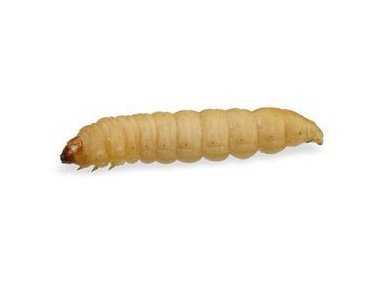
Waxworms have elongated, soft bodies, usually cream or pale yellow in colour, with a darker head. They move relatively slowly compared with crickets and other active feeder insects, making them manageable for many keepers during feeding.
Their nutritional characteristics distinguish them from several other commonly used feeder insects. Waxworms contain a relatively high proportion of fat, which provides concentrated energy. This makes them appealing to many predators but also means that frequent feeding can contribute to an unbalanced diet or excessive weight gain.
For this reason, waxworms are generally best used as occasional treats or supplementary feeders. They can complement a suitable feeding programme but should not automatically replace staple feeder insects or a complete, species-appropriate diet.
Waxworm Product Features
- Common name: Waxworms or wax moth larvae.
- Scientific name: Galleria mellonella.
- Product type: Live feeder larvae, subject to the current listing.
- Appearance: Soft-bodied, creamy-white to pale yellow larvae with darker heads.
- Nutritional characteristics: Relatively high in fat and a source of protein and moisture.
- Intended use: Occasional treats or supplementary feeders for suitable insectivorous animals.
- Suitable animal groups: Certain reptiles, amphibians, birds and other insect-eating animals.
- Movement: Generally slow-moving compared with many feeder insects.
- Available quantities: Check the current product listing.
- Storage: Requires suitable temperature, low humidity and appropriate ventilation.
Product size, quantity, packaging and storage requirements may vary. Always confirm the exact details against the supplier’s current listing before placing an order.
Why Choose Waxworms?
Soft-Bodied and Easy to Offer
Waxworms have soft bodies without the prominent, hard outer covering found on some other feeder insects. Their texture makes them a suitable option for certain animals that readily consume soft-bodied larvae.
Always choose a size that the animal can capture and swallow safely. Soft-bodied prey is not automatically appropriate for every species or life stage.
Naturally High in Fat
Waxworms are known for their relatively high fat content, which provides concentrated dietary energy.
This characteristic can make them useful as an occasional supplementary food for suitable animals. However, excessive feeding may contribute to unwanted weight gain and nutritional imbalance, particularly in animals that receive little exercise or have relatively low energy requirements.
Appealing to Many Predators
Many insectivorous animals respond readily to the movement and scent of live prey. Waxworms may encourage feeding in some individuals that show less interest in other feeders.
Acceptance varies between species and individuals, so waxworms should not be relied upon as a solution to persistent appetite problems.
A Convenient Alternative to Common Feeders
Waxworms can add variety alongside appropriate staple feeders such as crickets, roaches and other suitable insects.
Different feeders provide different nutritional characteristics, and a varied feeding programme can help keepers plan a diet that better matches their animal’s needs.
Practical for Occasional Feeding
Waxworms are often supplied in containers with suitable bedding or a holding medium. When maintained according to the supplier’s instructions, they can be kept for a limited period before use.
Their relatively straightforward short-term care makes them a convenient option for keepers who want to offer an occasional treat without maintaining a large breeding colony.
Which Animals Can Eat Waxworms?
Waxworms can be suitable for a range of animals that naturally consume insect larvae. Their suitability depends on the species, the animal’s size, its nutritional requirements and the intended frequency of feeding.
Leopard Geckos
Leopard geckos are insectivorous reptiles that may readily accept waxworms. Their high fat content makes them better suited to occasional treats than routine staple feeding for most healthy individuals.
Offer waxworms alongside appropriate staple insects and follow a feeding and supplementation programme suited to the gecko’s age, body condition and overall needs.
Bearded Dragons
Bearded dragons can consume a variety of suitable insects, but their dietary requirements change with age and condition.
Waxworms may be offered occasionally to suitable individuals. They should not replace appropriately selected staple feeders, vegetables where required, or appropriate calcium and vitamin supplementation.
Crested Geckos
Crested geckos generally need a nutritionally complete, species-appropriate formulated diet. Some individuals may also accept suitable insects as supplementary food.
Waxworms should not replace a complete formulated diet. Before offering them, confirm that supplementary insects are appropriate for your gecko and follow the recommended feeding guidance.
Chameleons
Certain chameleon species consume a variety of insects and may accept waxworms as an occasional feeder.
Select an appropriate size and consider the animal’s normal diet, body condition and nutritional requirements. Waxworms should complement, rather than replace, a suitable feeding rotation.
Anoles
Some anoles readily consume live insects and may accept appropriately sized waxworms.
Because waxworms are relatively energy-dense, they are generally better offered selectively alongside other suitable feeders rather than as a regular primary food source.
Frogs and Toads
Some frogs and toads consume insect larvae and may accept waxworms when the size is appropriate.
Feeding requirements vary considerably between amphibian species. Choose prey that can be swallowed safely and avoid offering waxworms to animals whose natural diet or feeding anatomy makes them unsuitable.
Salamanders and Newts
Certain salamanders and newts consume a range of invertebrates and may accept waxworms. Suitability depends on the species, its size, feeding behaviour and habitat.
For aquatic species, consider whether the prey can be offered safely without compromising water quality. Remove uneaten food promptly when necessary.
Insect-Eating Birds
Certain insectivorous birds may consume waxworms as part of an appropriate diet. However, their suitability and feeding frequency depend on the bird species and its nutritional requirements.
Use waxworms only where they are an appropriate food item, and do not substitute them for a nutritionally complete diet.
Other Insectivorous Animals
Some other insect-eating animals may accept waxworms, including certain predatory invertebrates and small mammals with suitable dietary requirements.
Always verify suitability for the particular species before feeding. Do not assume that a feeder suitable for a reptile is automatically suitable for a bird, mammal or other invertebrate.
Understanding the Nutritional Value of Waxworms
Waxworms contain protein, fat, moisture and other naturally occurring nutrients. Their nutritional composition can vary according to the larvae’s developmental stage, rearing conditions and food source.
Their relatively high fat content is one of their defining characteristics and the main reason they are generally recommended as occasional feeders rather than staple food.
Fat and Energy
Waxworms are energy-dense compared with many commonly used feeder insects. Their fat content can make them useful as an occasional supplementary food, but feeding them too frequently may contribute to excessive calorie intake.
The appropriate amount depends on the animal’s species, size, activity level and overall diet.
Protein
Waxworms provide protein, which supplies amino acids needed for tissue maintenance, growth and normal biological functions.
However, the presence of protein does not mean waxworms provide every nutrient an animal requires. They should be incorporated into an appropriate feeding programme rather than used as the sole food source.
Moisture
Waxworms contain moisture, contributing to their soft texture. However, the moisture provided by food does not replace access to fresh water or the appropriate environmental humidity required by the animal.
Calcium and Phosphorus
Waxworms should not be assumed to provide an adequate calcium-to-phosphorus balance for reptiles and amphibians.
Many insectivorous reptiles require an appropriate calcium and vitamin supplementation programme. Follow species-specific guidance on supplementation rather than relying on waxworms to meet mineral requirements.
Why Moderation Matters
Because waxworms are relatively high in fat, frequent or excessive feeding may contribute to an imbalanced diet and unwanted weight gain.
For most suitable animals, they are best treated as one component of a varied feeding programme. If your animal is underweight, recovering from illness or consistently refusing other foods, seek advice from a qualified exotic-animal veterinarian rather than relying on waxworms alone.
How to Choose the Right Waxworm Size
Selecting an appropriate larval size is important for safe feeding.
Small Waxworms
Smaller larvae may suit certain small insectivorous animals, depending on their mouth size and feeding ability.
Check the actual dimensions and avoid offering prey that is too large for the animal to swallow safely.
Larger Waxworms
Larger larvae may be appropriate for animals that can capture and consume them without difficulty.
However, a larger waxworm is not necessarily a better choice. The animal’s size, dietary needs and recommended prey dimensions should determine the selection.
Choosing the Correct Quantity
Before ordering, consider:
- The number and species of animals you keep.
- How often waxworms will be offered.
- The animal’s size and body condition.
- The shelf life and storage requirements of the product.
- Whether you can use the quantity before the larvae deteriorate or pupate.
For keepers who offer waxworms only occasionally, a smaller pack may be more practical than purchasing a large quantity that cannot be used in time.
How to Store Live Waxworms
Appropriate storage helps maintain waxworm condition and reduces avoidable losses. Waxworms are sensitive to unsuitable temperatures, excess moisture and poor hygiene.
Follow the Supplier’s Temperature Guidance
Store waxworms at the temperature recommended for the particular product. Cooler conditions may slow their development, while warmer conditions can accelerate development and increase the likelihood of pupation.
Do not assume that a standard refrigerator is suitable for every waxworm product. Excessive cold can harm the larvae, and storage recommendations differ between suppliers.
Keep the Bedding Suitable
Waxworms are commonly supplied in a dry holding medium or bedding. If the bedding becomes excessively damp, ventilation may be needed according to the supplier’s instructions.
Avoid adding unnecessary water or allowing condensation to accumulate in the container.
Maintain Suitable Ventilation
Use the supplied container or another suitable container with appropriate ventilation. Avoid sealing live larvae in an unsuitable environment where excess moisture or poor air exchange can compromise their condition.
Remove Dead or Deteriorating Larvae
Inspect the container regularly. Remove dead, blackened or deteriorating larvae and any cocoons if they are not wanted for breeding.
Discard any batch showing signs of significant mould, contamination or an unusual sour smell.
Avoid Direct Sunlight and Excessive Heat
Keep waxworms away from direct sunlight, radiators and other heat sources. Sudden temperature changes can shorten their usable life and affect their development.
Use Them Within the Recommended Period
Waxworms do not remain in the larval stage indefinitely. Depending on their condition and storage temperature, they may pupate and develop into adult moths.
Check the supplier’s recommended storage duration and order a quantity that suits your expected feeding schedule.
How to Feed Waxworms to Your Animals
Waxworms should be offered in a manner that suits the animal’s feeding behaviour and dietary requirements.
- Confirm that waxworms are appropriate for the species.
- Select larvae that are an appropriate size.
- Inspect them and discard any that appear dead, contaminated or deteriorated.
- Offer a suitable quantity as part of the animal’s planned feeding routine.
- Follow the appropriate calcium and vitamin supplementation guidance for the species.
- Remove uneaten larvae when necessary to maintain enclosure hygiene.
Avoid allowing excess live food or deteriorating organic material to accumulate in the enclosure. For aquatic animals, remove uneaten prey promptly if it could affect water quality.
Do not use waxworms as the sole food source unless a qualified professional has specifically advised a suitable diet for the animal in question.
Waxworms Compared with Other Feeder Insects
Different feeder insects have different nutritional profiles, care requirements and uses. Comparing them can help you select suitable food for your animal.
Waxworms
Waxworms are soft-bodied larvae with a relatively high fat content. They are generally best suited to occasional treats or supplementary feeding.
Mealworms
Mealworms are larvae of the darkling beetle and have a firmer external covering than waxworms. They can be suitable for various insectivorous reptiles and amphibians, depending on the species and size.
Crickets
Crickets are widely used as staple feeders for many insectivorous reptiles and amphibians. They provide a different nutritional profile from waxworms and may be more suitable as a regular feeder for certain species.
Roaches
Suitable feeder roaches can provide protein and other nutrients and are commonly used in feeding rotations for insectivorous reptiles.
Their suitability depends on the species, size, nutritional requirements and how the feeders are maintained.
Silkworms
Silkworms have soft bodies and a high moisture content. Their nutritional characteristics differ from those of waxworms, particularly in their fat content, making them another option for suitable insectivorous animals.
Why Feeder Variety Matters
No single feeder is ideal for every animal or every feeding situation. A suitable feeding programme should account for species-specific requirements, prey size, nutrient balance, supplementation and body condition.
Waxworms can add variety, but their high fat content makes moderation particularly important.
Ordering Waxworms Online
Before placing an order, review the product information and confirm:
- The species supplied, where specified.
- The approximate larval size.
- The number of waxworms included.
- The packaging and holding medium.
- Recommended temperature and storage conditions.
- Current availability and dispatch arrangements.
- Shipping eligibility for your destination.
- Any applicable live-arrival policy or guarantee.
Live feeder larvae require suitable packaging and transport conditions. Ensure you can receive the shipment promptly and have appropriate storage ready.
If ordering internationally, check the relevant import and transport requirements for live insects. Do not assume that every supplier ships internationally or that the same delivery terms apply in every country.
Only rely on delivery times, product quantities and live-arrival guarantees explicitly confirmed by the supplier.
Frequently Asked Questions
What are waxworms?
Waxworms are the larval stage of the greater wax moth, Galleria mellonella. They are commonly sold as live food for suitable insectivorous reptiles, amphibians and other animals.
Are waxworms good for reptiles?
Waxworms can be a useful occasional feeder for certain reptiles. Their relatively high fat content means they should generally be offered in moderation rather than used as the primary food source.
Can leopard geckos eat waxworms?
Yes, suitable leopard geckos can eat appropriately sized waxworms. They are generally best offered occasionally alongside a suitable staple feeding programme.
Can bearded dragons eat waxworms?
Bearded dragons may accept waxworms as an occasional treat. They should not replace appropriate staple feeders, vegetables where required, or the animal’s recommended supplementation routine.
Can frogs eat waxworms?
Certain frogs and toads may accept waxworms, provided the larvae are an appropriate size and suitable for the species. Feeding requirements vary, so confirm suitability before offering them.
Are waxworms high in fat?
Yes. Waxworms are known for their relatively high fat content compared with many common feeder insects. This is why moderation is important.
Can waxworms be used as a staple feeder?
For most suitable reptiles and amphibians, waxworms are better used as occasional treats or supplementary feeders. They should not automatically replace nutritionally appropriate staple foods.
How should waxworms be stored?
Follow the supplier’s storage instructions. Keep the larvae in a suitable container, avoid excessive moisture and heat, inspect them regularly, and remove dead or deteriorating individuals.
Do waxworms need to be fed before use?
Short-term storage requirements depend on the supplier’s instructions and the condition of the larvae. Follow the product’s care guidance rather than introducing unverified foods or moisture.
Can waxworms turn into moths?
Yes. Waxworms naturally develop into pupae and then adult greater wax moths. Suitable storage conditions can slow development, but they do not stop the life cycle indefinitely.
How many waxworms should I feed my pet?
The appropriate quantity depends on the animal’s species, size, body condition and overall diet. There is no universal quantity suitable for every reptile or amphibian.
Are waxworms suitable for underweight reptiles?
Waxworms are energy-dense, but they should not be used as a substitute for identifying the cause of low body weight. If a reptile is underweight or losing weight, consult a qualified exotic-animal veterinarian for an appropriate feeding and treatment plan.
Buy Wax Worms for Sale
Explore our Wax Worms for Sale for a soft-bodied live feeder option for suitable reptiles, amphibians and other insect-eating animals. Their slow movement and relatively high fat content make them a popular choice for occasional treats and supplementary feeding.
Whether you keep leopard geckos, bearded dragons, chameleons or other suitable insectivores, choose waxworms that match your animal’s size and dietary needs. Maintain appropriate storage conditions, offer them in moderation and continue providing a balanced, species-appropriate feeding programme.
Check the available pack quantities, product specifications and shipping terms before ordering to ensure that your live feeder purchase suits your collection.
| Choose quantity | 250 Shipped Overnight, 500 Shipped Overnight, 1,000 Shipped Overnight |
|---|
Be the first to review “Wax Worms for Sale”
Related products
Feeder Insects for Sale
Feeder Insects for Sale
Feeder Insects for Sale
Feeder Insects for Sale
Feeder Insects for Sale
Feeder Insects for Sale
Feeder Insects for Sale
Feeder Lizards for Sale
Reviews
There are no reviews yet.