

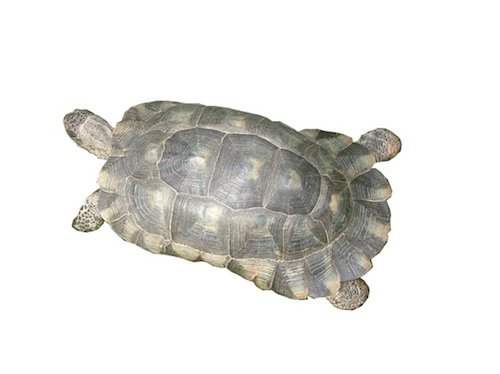
Marginated Tortoise for Sale
Price range: €229,99 through €349,99
Looking for a Marginated Tortoise for Sale? Discover the Mediterranean Marginated Tortoise (Testudo marginata), admired for its dark shell, distinctive flared rear edges and active nature.
This species requires a spacious, secure enclosure, UVB lighting, suitable temperatures and a varied, high-fibre diet.
Enquire about current availability, breeding origin and health history, and confirm the required wildlife-trade documentation before purchasing.
Any live-arrival guarantee is subject to the seller’s published terms.
Marginated Tortoise for Sale – Buy a Marginated Tortoise
Looking for a Marginated Tortoise for Sale? Discover the remarkable Marginated Tortoise (Testudo marginata), a Mediterranean species admired for its dark shell, sturdy build and distinctive flared rear shell edges. Also known for its active nature and attractive appearance, this tortoise is a popular choice among reptile enthusiasts looking for a long-lived species with interesting natural behaviours.
Native to parts of Greece, Albania and Italy, the Marginated Tortoise is one of Europe’s largest tortoise species. It is particularly suited to keepers who can provide a secure outdoor enclosure during suitable weather, appropriate heating and UVB lighting, and a varied diet based on fibrous vegetation.
Our selection may include baby, juvenile and adult Marginated Tortoises, depending on current stock. Explore the available options and enquire about each animal’s age, size, origin, feeding history and health information before purchasing.
Before you buy a Marginated Tortoise online, ensure you have prepared a suitable enclosure and understand the animal’s long-term care requirements. This species can live for many decades, so responsible ownership involves planning for its housing, nutrition, veterinary care and welfare throughout its life.
Why Choose a Marginated Tortoise?
The Marginated Tortoise is a distinctive Mediterranean tortoise with an appearance that sets it apart from other commonly kept species. Its dark shell, pale markings and outward-flaring rear marginal scutes become particularly noticeable as it matures.
Here are some characteristics that make this species appealing to tortoise enthusiasts:
- Distinctive shell: Adults develop a dark shell with lighter markings and characteristic flared edges at the rear.
- Impressive size: Adults commonly reach approximately 25–35 cm in shell length, although individual sizes vary.
- Interesting behaviour: These tortoises enjoy walking, exploring, basking and foraging in suitable environments.
- Mediterranean origins: Their natural habitat includes rocky hillsides, scrubland, woodland edges and areas with edible vegetation.
- Predominantly herbivorous diet: They thrive on a varied selection of suitable weeds, leaves, grasses and edible flowers.
- Outdoor activity: In an appropriate climate, a secure outdoor enclosure can provide valuable space for natural movement.
- Long lifespan: They can live for several decades and may exceed 50 years with suitable care.
- Specialist appeal: Their distinctive appearance and environmental requirements make them rewarding animals for dedicated keepers.
Although Marginated Tortoises are sometimes considered suitable for beginners, their long lifespan, seasonal environmental needs and substantial space requirements should not be underestimated.
Marginated Tortoise Characteristics
Understanding the species before purchasing helps you select an appropriate animal and prepare its enclosure.
- Common name: Marginated Tortoise
- Scientific name: Testudo marginata
- Family: Testudinidae
- Natural distribution: Greece, Albania and parts of Italy
- Adult shell length: Commonly around 25–35 cm
- Appearance: Dark brown to black shell, often with lighter markings and flared rear shell edges
- Diet: Herbivorous
- Natural habitat: Mediterranean scrubland, rocky hillsides, woodland edges and meadows
- Activity: Primarily diurnal, with activity influenced by temperature and season
- Housing: Spacious, secure enclosure with suitable basking areas, shelter and UVB exposure
- Care requirements: Suitable for keepers able to provide long-term, species-appropriate husbandry
Individual tortoises vary in size, colouration and behaviour. Their growth and appearance are influenced by genetics, age, nutrition and environmental conditions.
Baby Marginated Tortoises for Sale
Baby Marginated Tortoises are appealing to keepers who want to observe their development from an early age. Hatchlings have a different appearance from adults, often displaying lighter shell colouring and contrasting markings that gradually change as they grow.
Young tortoises require particularly careful attention to hydration, nutrition, heating and UVB exposure. Their enclosure should provide a suitable temperature gradient, shaded hiding places, safe substrate and access to clean drinking water.
Before purchasing a baby Marginated Tortoise, consider the following:
- Prepare a secure enclosure before the animal arrives.
- Establish suitable heating and UVB lighting.
- Provide a varied, high-fibre diet.
- Include shaded retreats and appropriate shelter.
- Ensure clean drinking water is always available.
- Monitor weight, appetite and shell development.
- Ask about the animal’s feeding history and existing care routine.
- Request available breeding-origin and health records.
Avoid forcing rapid growth through excessive feeding or an inappropriate diet. Healthy development depends on suitable nutrition, correct environmental conditions and regular monitoring.
The sex of a hatchling is usually difficult to determine reliably. If you prefer a male or female, enquire before purchasing, but understand that sex selection may not be possible for young animals.
Juvenile and Adult Marginated Tortoises
Juvenile and adult Marginated Tortoises may suit keepers who prefer an animal beyond the hatchling stage. Older tortoises generally have more developed shell markings and may have an established feeding routine.
When selecting a juvenile or adult, consider its current shell length, physical condition, activity level and feeding history. Ask about its existing enclosure and seasonal care routine so you can prepare an appropriate transition.
Adult Marginated Tortoises require substantially more room than hatchlings. Their enclosure should allow them to walk, forage, bask, explore and retreat to sheltered areas.
Before purchasing an adult, assess the space available at your property and whether you can provide suitable conditions throughout the year. A secure outdoor enclosure can be particularly beneficial in a suitable climate, while indoor accommodation may be necessary during unsuitable weather.
Captive-Bred Marginated Tortoises for Sale
Captive-bred Marginated Tortoises may be available through specialist breeders. Buyers should prioritise animals with a documented legal origin and reliable information about their breeding history.
Captive breeding can support responsible ownership and reduce demand for wild-collected animals. However, a tortoise should only be advertised as captive-bred when the seller can substantiate that claim.
Before purchasing, enquire about:
- Breeding origin and available supporting records.
- Approximate age and current shell length.
- Feeding history and established husbandry routine.
- Known health concerns and available veterinary records.
- Parentage or breeding information, where available.
- Applicable wildlife-trade documentation.
- Legal requirements affecting ownership, sale and transport.
Do not assume that an animal is captive-bred simply because it is offered by a commercial seller. Request reliable evidence of origin and confirm that the required documentation is available before completing the purchase.
Marginated Tortoise Availability and Sizes
Our selection may include baby, juvenile and adult Marginated Tortoises, depending on current stock. Available sizes, individual animals and prices may change as animals are reserved or sold.
Review the current product listing for available options and enquire if you need information about a particular tortoise.
Unless a listing identifies a specific individual, photographs may be representative rather than images of the exact animal supplied. Individual tortoises naturally differ in shell markings, colouration and size.
Sex selection depends on the animal’s age and whether its sex can be identified reliably. A requested sex should not be considered guaranteed unless explicitly confirmed by the seller.
Marginated Tortoise Diet and Feeding
Marginated Tortoises are herbivores. Their diet should be based primarily on fibrous, calcium-appropriate vegetation rather than fruit, processed foods or high-protein animal products.
A varied diet helps support normal digestion, healthy shell development and appropriate growth. Where possible, offer a range of safe, pesticide-free plants that resemble the fibrous vegetation consumed by Mediterranean tortoises in their natural habitat.
Suitable foods may include:
- Dandelion leaves: A useful component of a varied tortoise diet.
- Plantain leaves: Suitable leaves from correctly identified, uncontaminated plants.
- Chicory and endive: Useful leafy vegetables to add variety.
- Edible flowers: Suitable pesticide-free flowers, including hibiscus and calendula.
- Safe wild weeds: A range of correctly identified, tortoise-safe plants.
- Mulberry and grapevine leaves: Suitable leaves from plants that have not been treated with pesticides.
- Grasses and fibrous vegetation: Appropriate varieties can help provide dietary fibre.
- Hay: Suitable grass hay may supplement the diet, particularly when outdoor grazing is limited.
Important feeding guidelines include:
- Offer a varied selection of safe, high-fibre vegetation.
- Avoid making lettuce or cucumber the main component of the diet.
- Keep fruit to a minimum or avoid it as a routine food.
- Avoid meat, dairy products, bread and processed foods.
- Do not feed plants contaminated with pesticides or herbicides.
- Provide clean drinking water at all times.
- Discuss calcium supplementation with a reptile-experienced veterinarian.
- Ensure suitable UVB exposure alongside appropriate nutrition.
Calcium and UVB are important for normal shell and bone development, particularly in growing tortoises. Supplements should not be used as a substitute for suitable lighting, a balanced diet or appropriate husbandry.
Marginated Tortoise Habitat and Housing Requirements
A suitable enclosure is essential for your Marginated Tortoise’s wellbeing. This Mediterranean species is adapted to environments that provide sunlight, shelter, suitable ground cover and opportunities to forage.
Unlike tropical forest tortoises, Marginated Tortoises generally benefit from an enclosure that provides a relatively dry resting area alongside suitable hydration, shaded retreats and access to clean water.
Their eventual size and activity levels mean that a small terrarium is not an appropriate permanent home for an adult.
Indoor enclosure
Indoor housing may be necessary when outdoor temperatures are unsuitable. The enclosure should provide sufficient floor space, secure boundaries, good ventilation and reliable environmental control.
A suitable indoor setup should include:
- A spacious walking and foraging area.
- A warm basking zone and cooler retreat.
- Appropriate UVB lighting.
- Secure hiding places.
- Suitable substrate that allows natural movement.
- Clean drinking water.
- Reliable heating and temperature-monitoring equipment.
Choose an enclosure based on the tortoise’s expected adult size rather than its current dimensions. A purpose-built tortoise table or large enclosure may be suitable for some animals, provided it meets their environmental and space requirements.
Outdoor enclosure
A secure outdoor enclosure can provide valuable space for exercise, natural sunlight, grazing and exploration when the climate is suitable.
The enclosure should include:
- Strong, escape-resistant boundaries.
- Sunny basking areas and shaded retreats.
- Secure shelters against unsuitable weather.
- Safe plants and natural enrichment.
- Clean drinking water.
- Protection from predators and other household animals.
- Well-drained ground that does not remain persistently wet.
Marginated Tortoises can climb and may push against boundaries, so enclosure walls should be sturdy and designed to prevent escapes.
Outdoor housing is not automatically suitable in every location. In cooler or persistently wet climates, a protected indoor habitat may be needed when weather conditions are unsuitable.
Temperature and heating
Marginated Tortoises need suitable warmth for normal activity, digestion and basking. Their enclosure should provide a temperature gradient, allowing them to move between warmer and cooler areas.
Use reliable thermometers to monitor conditions and suitable reptile heating equipment where necessary. Avoid overheating the enclosure or exposing the tortoise to prolonged cold, damp conditions.
Temperature requirements vary with age, season, enclosure design and individual circumstances. Follow a reliable species-specific care guide rather than relying on a single temperature for the entire enclosure.
Humidity and hydration
Marginated Tortoises are adapted to Mediterranean environments, but this does not mean that they should be kept in persistently dry conditions without access to water or suitable shelter.
Provide clean drinking water, appropriate substrate and shaded retreats. Young tortoises may need closer attention to hydration than healthy adults.
The enclosure should be well drained and hygienic. Avoid prolonged exposure to waterlogged substrate, while ensuring that the animal has access to suitable moisture and a safe resting environment.
Monitor the enclosure rather than estimating conditions by appearance alone. Adjust the setup according to the tortoise’s age, seasonal requirements and specialist husbandry advice.
UVB lighting
Appropriate UVB exposure supports normal calcium metabolism and healthy shell and bone development.
Outdoor sunlight can provide useful UVB exposure when the tortoise has access to a properly managed outdoor enclosure. Indoor enclosures should use suitable UVB lighting positioned according to the manufacturer’s instructions and the animal’s needs.
Provide shaded areas so the tortoise can move away from direct light when necessary. A sunny window is not a substitute for appropriate UVB exposure because glass filters out much of the useful radiation.
Substrate and shelter
Marginated Tortoises benefit from suitable ground cover that supports natural walking, foraging and resting behaviour.
A clean, well-drained soil-based substrate may be suitable for some indoor enclosures. Outdoor habitats should include safe ground cover, shaded areas and secure retreats.
Provide shelters where the tortoise can escape direct sunlight, rest and avoid unsuitable weather. Inspect the enclosure regularly to ensure that the substrate remains clean and that shelters are secure.
Marginated Tortoise Temperament and Behaviour
Marginated Tortoises are active animals that enjoy exploring, walking, basking and foraging. Their behaviour is influenced by temperature, season, age and the quality of their environment.
They may become less active when temperatures are unsuitable or during seasonal dormancy. A sudden or unexplained change in appetite or activity should not automatically be attributed to hibernation; illness and husbandry problems should also be considered.
These tortoises are not conventional cuddly pets. Unnecessary handling can cause stress, so allow the animal to move naturally and handle it gently only when necessary.
Males may display territorial or breeding-related aggression, particularly around other males. Carefully consider compatibility and enclosure space before attempting group housing. Separate housing may be necessary if aggression or persistent harassment occurs.
Children should be supervised around tortoises, and everyone should wash their hands thoroughly after handling the animal or cleaning its enclosure because reptiles can carry Salmonella.
How Big Does a Marginated Tortoise Get?
Adult Marginated Tortoises commonly reach approximately 25–35 cm in shell length, although some individuals may grow larger.
Their flared rear shell edges become particularly noticeable as they mature. This characteristic gives the species its name and distinguishes it from many other Mediterranean tortoises.
Because adults require substantially more room than hatchlings, plan the enclosure around the animal’s expected adult size before purchasing.
How Long Does a Marginated Tortoise Live?
Marginated Tortoises can live for several decades, and some may exceed 50 years with appropriate care.
Their lifespan makes them a substantial long-term commitment. Prospective owners should consider whether they can provide suitable housing, nutrition, environmental control and veterinary care throughout the animal’s life.
It is also sensible to make arrangements for future care if your living circumstances change. Responsible ownership means planning for the tortoise’s welfare well beyond the initial purchase.
Marginated Tortoise Seasonal Care and Hibernation
Marginated Tortoises are associated with Mediterranean climates, where seasonal changes influence their activity. Some healthy individuals may undergo seasonal dormancy under appropriate conditions.
However, hibernation should not be treated as an automatic requirement for every captive tortoise. The decision depends on the animal’s health, age, condition, local climate and husbandry history.
Before allowing a tortoise to hibernate, seek guidance from a reptile-experienced veterinarian or a reliable species-specific care resource. An unhealthy, underweight or poorly hydrated animal may not be suitable for hibernation.
Never expose a tortoise to uncontrolled cold or allow it to remain outdoors in unsuitable winter conditions without appropriate protection.
Marginated Tortoise Live-Arrival Guarantee
Purchasing a live reptile online requires confidence in the seller and delivery arrangements.
Where offered, a live-arrival guarantee or extended guarantee may provide coverage for qualifying arrival-related claims under the seller’s published policy.
Before placing an order:
- Read the complete guarantee terms and conditions.
- Confirm the delivery address and contact details.
- Arrange to receive the shipment as instructed.
- Inspect the tortoise promptly upon arrival.
- Contact customer support within the required notification period if a covered issue occurs.
- Provide any requested photographs, shipping information or other evidence.
Coverage, claim deadlines, weather restrictions and exclusions depend on the seller’s actual policy. A guarantee does not replace the buyer’s responsibility to provide suitable care after delivery.
Only advertise a live-arrival guarantee or extended guarantee if it is genuinely offered for the animal being sold and its terms are available to customers before purchase.
Marginated Tortoise Shipping and Delivery
Live-animal transport should be planned carefully to minimise stress and protect animal welfare.
Shipping methods, estimated transit times and destination eligibility depend on the seller, transport service and applicable legal requirements.
Before ordering:
- Confirm that delivery to your location is permitted.
- Review the available shipping methods and charges.
- Check for weather-related or other dispatch restrictions.
- Ensure that you can receive the shipment as instructed.
- Prepare the enclosure before delivery.
- Confirm which legal documents must accompany the tortoise.
Dispatch may need to be postponed when weather or other circumstances could compromise animal welfare. International orders may require additional permits, certificates or import documentation.
Do not assume that a seller can ship Marginated Tortoises to every country. Confirm destination eligibility and legal requirements before completing your purchase.
Conservation and Responsible Ownership
The Marginated Tortoise is a European species subject to wildlife-trade controls. Its international trade is regulated under CITES Appendix II, and the species is listed in Annex A of the European Union’s wildlife-trade regulations. <Cite refs={[“turn392009search11″,”turn392009search18”]}/>
EU Annex A rules can impose stricter requirements on commercial activities than the underlying CITES listing alone. Depending on the transaction and the animal’s circumstances, specific certificates or other documents may be required before sale or transfer.
Responsible purchasing is essential. Before buying a Marginated Tortoise:
- Ask for evidence of the animal’s legal origin.
- Request available captive-breeding records.
- Verify its identification and relevant documentation.
- Confirm whether an Article 10 certificate or other authorisation is required for the intended transaction.
- Check applicable national rules for ownership, sale, transport and import.
- Avoid animals whose origin cannot be established.
- Never release a captive tortoise into the wild.
Legal requirements can differ according to the country, the animal’s source and the nature of the transaction. Confirm the current rules with the relevant wildlife authority before purchasing or advertising the animal for sale.
Why Buy a Marginated Tortoise from Us?
Choosing a reputable seller is an important step towards responsible tortoise ownership. We recommend selecting a seller who can provide clear information about an animal’s origin, health history, husbandry and delivery arrangements.
When comparing available Marginated Tortoises, look for:
- Documented origin: Information and supporting records concerning the animal’s source.
- Clear animal details: Available information about age, size and sex, where reliably identifiable.
- Care guidance: Practical information about diet, heating, UVB lighting, housing and seasonal care.
- Transparent availability: Accurate information about which animals are currently available.
- Suitable transport arrangements: Delivery methods appropriate for live reptiles.
- Clear guarantee terms: Written details of any live-arrival or extended guarantee offered.
- Customer support: Assistance with questions about the tortoise and its long-term care.
These details help prospective owners make informed decisions and prepare a suitable habitat before bringing a tortoise home.
Frequently Asked Questions About Marginated Tortoises for Sale
Where can I buy a Marginated Tortoise?
You can enquire with specialist reptile sellers about available Marginated Tortoises. Check current stock, animal identification, legal origin and delivery eligibility before placing an order.
What is the scientific name of the Marginated Tortoise?
Its scientific name is Testudo marginata. It is a Mediterranean tortoise known for the flared rear edges of its shell.
How big does a Marginated Tortoise get?
Adults commonly reach approximately 25–35 cm in shell length, although individual animals may vary.
Are Marginated Tortoises suitable for beginners?
They may be suitable for well-prepared beginners who have researched their needs, but their long lifespan, space requirements and seasonal care make preparation essential.
What do Marginated Tortoises eat?
They are herbivores that should receive a varied, high-fibre diet based on safe weeds, leafy vegetation, grasses and edible flowers. Fruit should be avoided as a routine food or offered only very rarely.
Do Marginated Tortoises need UVB lighting?
Yes. Appropriate UVB exposure supports normal calcium metabolism and healthy shell and bone development. Indoor enclosures should use suitable UVB lighting alongside appropriate heating.
Can Marginated Tortoises live outdoors?
Yes, in a suitable climate and a secure enclosure with sunlight, shade, shelter and clean water. Indoor accommodation may be needed when outdoor weather is unsuitable.
Do Marginated Tortoises hibernate?
Some healthy individuals may undergo seasonal dormancy. Whether hibernation is appropriate depends on the animal’s health, age, condition and environmental circumstances. Seek specialist advice before proceeding.
How long does a Marginated Tortoise live?
They can live for several decades and may exceed 50 years with suitable care. Prospective owners should plan for a long-term commitment.
Can I choose a male or female Marginated Tortoise?
Sex selection depends on the animal’s age and whether its sex can be identified reliably. Contact the seller before ordering if a particular sex is important to you.
Do Marginated Tortoises require legal documentation?
Yes, applicable wildlife-trade requirements must be checked. The species is listed in CITES Appendix II and EU Annex A, so commercial transactions in the EU may require specific documentation or certificates.
Can Marginated Tortoises be shipped internationally?
International delivery depends on the seller’s services, destination eligibility, transport arrangements and legal requirements. Confirm that the animal can legally be shipped to your location and that all required documents are available.
What should I prepare before my Marginated Tortoise arrives?
Prepare a spacious, secure enclosure with appropriate heating, UVB lighting, shaded shelters, suitable substrate, clean drinking water and a varied high-fibre diet. Identify a reptile-experienced veterinarian before delivery.
Order Your Marginated Tortoise Today
Looking for a Marginated Tortoise for Sale? Explore available animals and enquire about their size, origin, health history and feeding routine before making your decision.
This distinctive Mediterranean tortoise is an excellent subject for dedicated reptile enthusiasts who can provide sufficient space, appropriate environmental conditions, a varied diet and long-term specialist care.
Check current stock availability, confirm the animal’s legal origin, review any applicable guarantee terms and verify delivery eligibility for your location before ordering. Choose responsibly and prepare a suitable habitat for your Marginated Tortoise.
| Choose Size | cb Baby, Adult Male |
|---|
Be the first to review “Marginated Tortoise for Sale”
Related products
Tortoises for Sale
Tortoises for Sale
Tortoises for Sale
Tortoises for Sale
Tortoises for Sale
Tortoises for Sale
Tortoises for Sale
Tortoises for Sale
Reviews
There are no reviews yet.