

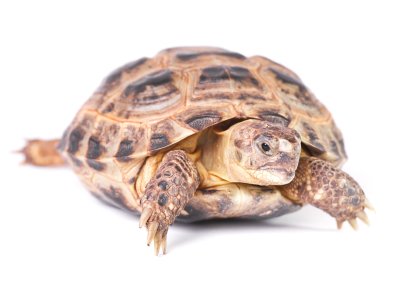
Russian Tortoise for Sale

Price range: €149,99 through €199,99
Looking for a Russian Tortoise for Sale? Discover our captive-bred Russian Tortoises (Testudo horsfieldii), admired for their distinctive shell patterns, compact size and curious personalities. Explore available sizes, including babies and juveniles, subject to current stock.
Eligible orders include our live-arrival guarantee and seven-day extended guarantee, subject to the applicable terms. Before ordering, prepare a secure, spacious enclosure with suitable heating, UVB lighting, digging substrate and a varied, high-fibre diet.
Russian Tortoise for Sale – Buy a Captive-Bred Russian Tortoise
Looking for a Russian Tortoise for Sale? Discover the Russian Tortoise (Testudo horsfieldii), also known as the Horsfield’s Tortoise or Central Asian Tortoise. Recognised for its rounded, olive-brown shell, distinctive dark markings and active personality, this fascinating species is a popular choice among reptile enthusiasts.
We offer captive-bred Russian Tortoises for sale, with available sizes and individual animal options depending on current stock. Whether you are looking for a baby Russian Tortoise or a more developed juvenile, you can explore our selection and find a tortoise suited to your experience and prepared habitat.
Eligible orders include our live-arrival guarantee and seven-day extended guarantee, subject to the applicable terms and conditions. Our delivery arrangements are designed for live reptiles, with dispatch dependent on suitable weather and shipping conditions.
Before you buy a Russian Tortoise online, make sure you have a secure enclosure, suitable heating, UVB lighting, appropriate substrate and a varied, high-fibre diet. Although this species remains relatively small compared with giant tortoises, it is active, enjoys digging and can live for several decades.
Why Choose a Russian Tortoise?
Russian Tortoises are popular among tortoise keepers because of their manageable adult size, distinctive appearance and curious behaviour. They spend much of their active time exploring their surroundings, grazing, basking and digging.
Here are some of the features that make this species appealing:
- Distinctive appearance: An oval, slightly flattened shell with olive, tan or yellow-brown colouring and darker markings.
- Compact adult size: Many adults reach approximately 13–25 cm in shell length, depending on sex and individual variation.
- Active behaviour: Russian Tortoises enjoy exploring, foraging and investigating their enclosure.
- Natural digging instincts: Their burrowing behaviour makes suitable substrate and secure enclosure design especially important.
- Herbivorous diet: They thrive on a varied selection of appropriate grasses, edible weeds and leafy plants.
- Long lifespan: With appropriate care, they can live for 40–50 years or longer.
- Captive-bred availability: Our captive-bred animals offer buyers an opportunity to enquire about breeding origin and early care.
- Live-arrival protection: Eligible orders are covered by our live-arrival guarantee and seven-day extended guarantee under the applicable policy.
Russian Tortoises can be rewarding animals to observe, but they still require consistent husbandry and a long-term commitment. Their relatively small size should not be mistaken for a need for only a small enclosure.
Russian Tortoise Characteristics
Understanding the species before purchasing helps you prepare a suitable habitat and establish realistic expectations.
- Common name: Russian Tortoise, Horsfield’s Tortoise, Central Asian Tortoise
- Scientific name: Testudo horsfieldii
- Natural distribution: Central Asia, including parts of Kazakhstan, Uzbekistan, Turkmenistan, Afghanistan and neighbouring regions
- Adult shell length: Commonly around 13–25 cm, with females often larger than males
- Appearance: Rounded, oval shell with olive, tan or yellow-brown colouring and darker markings
- Diet: Herbivorous, with grasses, weeds and suitable leafy vegetation forming the foundation
- Activity: Primarily active during daylight hours when conditions are suitable
- Lifespan: Commonly several decades, often 40–50 years or longer
- Habitat: Dry, well-ventilated enclosure with suitable warmth, UVB lighting and digging opportunities
- Care level: Requires careful environmental management, appropriate nutrition and long-term planning
Individual size, colouration and lifespan vary. The animal’s age, sex, genetics and husbandry can influence its development and adult dimensions.
Baby Russian Tortoises for Sale
Baby Russian Tortoises are appealing because of their small size, developing shell patterns and curious behaviour. They can be an excellent choice for keepers who are prepared to provide the specialised care young tortoises need.
Hatchlings require carefully managed temperatures, appropriate UVB exposure, suitable hydration and a balanced, high-fibre diet. Their enclosure should provide secure shelter, appropriate substrate and enough space to move and explore naturally.
Before buying a baby Russian Tortoise, consider the following:
- Prepare a secure enclosure before delivery.
- Install suitable heating and UVB lighting.
- Provide substrate that allows natural digging behaviour.
- Offer a varied selection of safe grasses, edible weeds and leafy plants.
- Ensure clean drinking water is always available.
- Ask about the tortoise’s feeding history and current care routine.
- Request available information about its breeding origin and health history.
Young tortoises can be vulnerable to dehydration, unsuitable temperatures and nutritional deficiencies. Monitor their appetite, activity and shell development, and consult a reptile-experienced veterinarian if you notice concerning changes.
The sex of a hatchling is usually difficult to determine reliably. If you prefer a male or female, enquire before ordering, but understand that sex identification may not be possible for a young animal.
Juvenile and Adult Russian Tortoises
Juvenile and adult Russian Tortoises may appeal to buyers who prefer an animal beyond the hatchling stage. Older individuals may have more developed shell markings, established feeding routines and a clearer indication of their eventual size.
When choosing a larger tortoise, consider its shell length, physical condition, feeding history and documented care requirements. Ask which foods and environmental conditions the animal is accustomed to so you can prepare a suitable transition.
Adult Russian Tortoises remain active and need sufficient floor space, secure boundaries and substrate that supports digging. Their ability to climb and burrow also means that enclosure design should prioritise escape prevention.
Captive-Bred Russian Tortoises for Sale
We offer captive-bred Russian Tortoises for Sale, providing reptile enthusiasts with the opportunity to purchase an animal with a captive breeding origin.
Captive breeding can help reduce demand for wild-collected specimens and allows breeders to monitor an animal’s early development and husbandry. However, captive-bred status does not remove the need for appropriate care or applicable wildlife-trade documentation.
When selecting your tortoise, you can enquire about:
- Breeding origin and available supporting records.
- Approximate age and current shell length.
- Feeding history and established diet.
- Any known health concerns and available veterinary information.
- Whether the animal’s sex can be reliably identified.
- Suitable enclosure conditions and long-term care requirements.
We encourage customers to prepare an appropriate habitat and understand the species’ needs before placing an order.
Russian Tortoise Availability and Sizes
Our selection may include baby and juvenile Russian Tortoises in different sizes, subject to current stock. Availability can change as animals are reserved, sold or become ready for sale.
Browse the product options to check current sizes, prices and any individual animal details. If your preferred size is unavailable, contact our team to enquire about future availability.
Unless a listing identifies a specific individual tortoise, photographs may be representative rather than images of the exact animal supplied. Individual animals naturally vary in shell markings, colouration and appearance.
Sex selection is subject to reliable identification and availability. A requested sex cannot be guaranteed unless it is explicitly confirmed in the product listing or by our team.
Russian Tortoise Diet and Feeding
Russian Tortoises are herbivores adapted to eating fibrous vegetation. Their captive diet should be based primarily on appropriate grasses, edible weeds and leafy plants rather than fruit or high-protein foods.
Suitable options may include dandelion leaves, plantain, clover, sow thistle and other correctly identified, tortoise-safe plants. A varied selection helps provide different nutrients while supporting natural grazing behaviour.
Important feeding guidelines include:
- Offer a varied selection of safe grasses, edible weeds and leafy plants.
- Prioritise high-fibre foods and avoid excessive protein.
- Avoid making fruit a regular part of the diet.
- Do not feed plants contaminated with pesticides or herbicides.
- Provide clean drinking water in a shallow, stable dish.
- Discuss calcium supplementation and other nutritional requirements with a reptile-experienced veterinarian.
- Avoid relying exclusively on commercial tortoise pellets or supermarket vegetables.
Feeding requirements may change with age, health and reproductive status. A suitable feeding routine should be based on reliable species-specific guidance rather than a generic diet intended for every tortoise species.
Russian Tortoise Habitat and Housing Requirements
A suitable enclosure is essential for your Russian Tortoise’s wellbeing. Although this species is smaller than many other tortoises, it is an active explorer and enthusiastic digger that needs room to move naturally.
Outdoor enclosure
In a suitable climate, a secure outdoor enclosure can provide natural sunlight, opportunities for grazing and space to explore.
The enclosure should include:
- Strong, escape-resistant boundaries.
- Secure barriers that prevent digging beneath the fence.
- Areas for direct sunlight and shade.
- Suitable vegetation and safe foraging opportunities.
- Sheltered areas for resting and protection from the weather.
- A shallow water dish.
- Protection from predators and other potential hazards.
Russian Tortoises can climb as well as dig, so boundaries should be designed with both behaviours in mind. Outdoor housing must also protect the animal from excessive heat, cold and unsuitable weather.
Indoor accommodation
Indoor housing may be necessary in cold climates, during unsuitable weather or when an outdoor enclosure is unavailable.
Provide a purpose-built tortoise table or another suitably designed enclosure with sufficient floor space, good ventilation, secure shelter and an appropriate substrate. A conventional glass aquarium is generally not an ideal permanent home because it can restrict movement and ventilation.
As your tortoise grows, reassess the enclosure to ensure it continues to provide adequate space for walking, digging, basking and resting.
Temperature and heating
Russian Tortoises need access to a suitable temperature gradient so they can regulate their body temperature. An indoor enclosure should have a warm basking area and cooler areas that allow the animal to move away from the heat.
Use suitable reptile heating equipment, reliable thermometers and an appropriate thermostat where required. Avoid overheating and sudden temperature changes.
Exact temperature requirements depend on age, enclosure design and husbandry conditions. Follow a reliable Russian Tortoise care guide and seek veterinary advice if you are uncertain about the correct setup.
UVB lighting
Appropriate UVB exposure supports normal calcium metabolism and healthy shell and bone development.
Indoor enclosures require suitable UVB lighting positioned according to the manufacturer’s instructions and the needs of the tortoise. Monitor equipment and replace bulbs in line with their specifications because UVB output can decline over time.
Safe access to natural sunlight can be beneficial in a properly managed outdoor enclosure. However, glass and many transparent materials filter out much of the useful UVB radiation, so a sunny windowsill is not a substitute for suitable UVB exposure.
Substrate and humidity
Russian Tortoises benefit from a substrate that allows digging and burrowing. A suitable soil-based mixture may be appropriate when it is free from pesticides, fertilisers and other contaminants.
Although the species is adapted to relatively dry habitats, it should not be kept in conditions that cause dehydration. Provide access to clean water and an appropriate humid hide or other suitable microclimate, particularly for young tortoises.
Maintain good ventilation and avoid persistently wet, unhygienic substrate. Environmental conditions should be tailored to the animal’s age and individual needs.
Russian Tortoise Temperament and Behaviour
Russian Tortoises are active, observant animals that often spend considerable time exploring, grazing, basking and digging. They may become familiar with regular feeding routines and their surroundings.
They are not conventional cuddly pets, and unnecessary handling can cause stress. Allow your tortoise to explore its enclosure naturally and handle it gently only when necessary.
Provide enrichment through suitable vegetation, hiding places, safe terrain and opportunities to forage and dig. Children should be supervised around tortoises, and everyone should wash their hands thoroughly after handling the animal or cleaning its enclosure because reptiles can carry Salmonella.
How Big Does a Russian Tortoise Get?
Russian Tortoises generally remain smaller than giant tortoise species. Many adults reach approximately 13–25 cm in shell length, with females often larger than males.
Growth depends on genetics, age, diet, hydration, temperature and overall husbandry. Even a relatively small adult needs enough room to walk, explore and dig.
Before buying a Russian Tortoise, plan for its adult dimensions rather than its size at the time of purchase. A secure, spacious enclosure is essential for long-term health and natural behaviour.
How Long Does a Russian Tortoise Live?
Russian Tortoises are long-lived reptiles. With appropriate care, they can live for 40–50 years or longer.
This lifespan makes ownership a substantial commitment. Consider whether you can provide suitable accommodation, heating, lighting, nutrition and veterinary care throughout the animal’s life.
It is also sensible to plan for future care if your circumstances change. A responsible ownership arrangement should account for the possibility that your tortoise may outlive its original keeper.
Russian Tortoise Live-Arrival Guarantee
We understand that purchasing a live reptile online requires confidence in the seller and delivery arrangements.
Eligible Russian Tortoise orders include our live-arrival guarantee and seven-day extended guarantee, subject to the applicable terms and conditions. The guarantee provides coverage for qualifying arrival-related claims as defined in the published policy.
To understand and maintain your coverage:
- Read the complete guarantee policy before ordering.
- Ensure your delivery address and contact details are accurate.
- Arrange to receive the shipment as instructed.
- Inspect your tortoise promptly upon delivery.
- Contact customer support within the required notification period if a covered issue occurs.
- Provide the photographs, shipping information and other evidence requested.
- Follow the delivery, handling and care instructions supplied.
The guarantee is subject to its published conditions, including any applicable weather restrictions, delivery requirements, claim deadlines and exclusions. It does not replace your responsibility to provide suitable care after delivery.
Please review the full policy before completing your purchase so you understand the claim process and the remedies available for an approved claim.
Russian Tortoise Shipping and Delivery
We aim to make purchasing a Russian Tortoise online as straightforward as possible while prioritising the animal’s welfare during transport.
Eligible orders are prepared using appropriate live-animal packaging and suitable transport arrangements. Delivery options, estimated transit times and destination eligibility depend on the shipping service and location.
Before placing your order:
- Confirm that your delivery address and contact details are correct.
- Review the available shipping options and applicable charges.
- Make sure you can receive the shipment as instructed.
- Check any relevant weather or dispatch restrictions.
- Prepare your tortoise’s enclosure before delivery.
Dispatch may be postponed when weather conditions or other circumstances could compromise animal welfare. Any applicable changes to dispatch arrangements should be communicated to the customer.
International delivery depends on destination eligibility, available transport services and applicable legal requirements. Buyers must confirm any necessary permits, wildlife-trade documentation and local ownership restrictions before placing an order.
Why Buy a Russian Tortoise from Us?
Choosing a reputable seller is an important step towards responsible tortoise ownership. We aim to provide clear product information and suitable support so customers can make informed decisions.
Reasons to consider our Russian Tortoises include:
- Captive-bred animals: Our Russian Tortoises are captive-bred rather than wild-caught.
- Available size options: Explore baby and juvenile tortoises, subject to current stock.
- Live-arrival guarantee: Eligible purchases receive coverage under our published guarantee policy.
- Seven-day extended guarantee: Qualifying orders receive additional coverage under the applicable terms.
- Suitable delivery arrangements: Eligible orders are prepared for transport using appropriate live-animal packaging.
- Care information: Learn about feeding, heating, UVB lighting, substrate and long-term husbandry.
- Customer support: Contact our team with questions about available animals, ordering and delivery requirements.
Our aim is to help customers select a suitable tortoise and prepare for its long-term care.
Frequently Asked Questions About Russian Tortoises for Sale
Where can I buy a Russian Tortoise?
You can browse our available captive-bred Russian Tortoises online. Check the product options for current sizes, prices and stock availability, and review delivery eligibility before placing your order.
Are your Russian Tortoises captive-bred?
Yes. Our Russian Tortoises are captive-bred rather than wild-caught. Supporting information about an individual animal’s origin can be requested where available.
Do Russian Tortoises come with a live-arrival guarantee?
Yes. Eligible orders include our live-arrival guarantee and seven-day extended guarantee, subject to the published policy. Review the claim requirements, notification deadlines and exclusions before ordering.
What sizes of Russian Tortoises are available?
Our selection may include hatchlings and juveniles in different sizes, depending on current stock. Check the product options for the sizes currently offered.
Can I choose a male or female Russian Tortoise?
Sex selection depends on the animal’s age, size and whether its sex can be identified reliably. Hatchlings are generally difficult to sex accurately. Contact us before ordering if a particular sex is important to you.
What do Russian Tortoises eat?
Russian Tortoises are herbivores. Their diet should centre on appropriate grasses, edible weeds and fibrous leafy plants. Fruit and high-protein foods should not form a regular part of their diet.
Are Russian Tortoises suitable for beginners?
They may suit prepared beginners who understand their environmental and dietary needs. However, their long lifespan, digging behaviour and specialised enclosure requirements mean that thorough preparation is essential.
Do Russian Tortoises need UVB lighting?
Yes. Appropriate UVB exposure supports normal calcium metabolism and healthy shell and bone development. Indoor enclosures require suitable UVB lighting, while outdoor housing should provide safe access to natural sunlight and shade.
Can Russian Tortoises live outdoors?
They can live outdoors when the climate and enclosure conditions are suitable. They need secure boundaries, digging opportunities, access to sunlight and shade, and protection from unsuitable weather.
Do Russian Tortoises hibernate?
Russian Tortoises may undergo seasonal dormancy in response to environmental conditions. Hibernation should never be attempted without confirming the animal’s health and suitability with an experienced reptile veterinarian and following a reliable species-specific protocol.
How long does a Russian Tortoise live?
Russian Tortoises can live for 40–50 years or longer with appropriate care. Prospective owners should plan for this long-term commitment before purchasing.
Can Russian Tortoises be shipped internationally?
International delivery depends on the destination, transport arrangements and applicable legal requirements. Confirm delivery eligibility and any necessary import permissions or wildlife-trade documentation before ordering.
What should I prepare before my Russian Tortoise arrives?
Prepare a secure, spacious enclosure with suitable substrate, heating, UVB lighting, shelter, clean drinking water and a varied, high-fibre diet. Ensure the habitat is ready before delivery so your tortoise can settle into an appropriate environment.
Order Your Russian Tortoise Today
Ready to find a Russian Tortoise for Sale? Browse our current selection of captive-bred Russian Tortoises, compare available sizes and review the details for your chosen animal.
With suitable live-animal delivery arrangements and a live-arrival guarantee plus seven-day extended guarantee for eligible orders, we aim to make purchasing your next tortoise straightforward while encouraging responsible ownership.
Check current stock availability, review the guarantee terms and confirm delivery eligibility for your location before completing your order. Most importantly, ensure you can provide the space, heating, UVB lighting, suitable diet and long-term care this active species needs.
Choose your Russian Tortoise, prepare its habitat and get ready to welcome this fascinating Central Asian species into your care.
| Choose Size | cb Hatchling, Med-Large Male, Med-Large Female |
|---|
Be the first to review “Russian Tortoise for Sale”
Related products
Tortoises for Sale
Tortoises for Sale
Tortoises for Sale
Tortoises for Sale
Tortoises for Sale
Tortoises for Sale
Tortoises for Sale
Tortoises for Sale
Reviews
There are no reviews yet.