

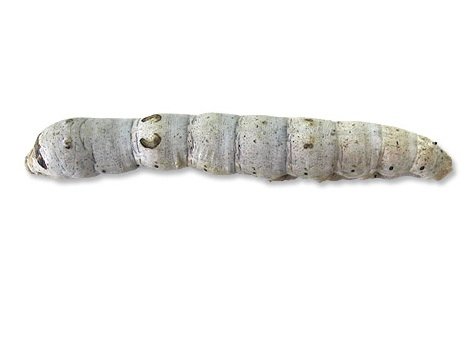
Silkworms for Sale
Price range: €19,99 through €24,99
Silkworms for Sale offer a soft-bodied live feeder option for suitable insectivorous reptiles and amphibians.
Known as Bombyx mori, silkworms provide protein and moisture, making them a useful addition to a varied feeding routine.
They may be suitable for bearded dragons, leopard geckos, chameleons and other insect-eating animals when offered in an appropriate size.
Silkworms require clean conditions and a suitable food source, such as mulberry leaves or prepared silkworm chow.
Follow species-specific feeding and supplementation guidance for a balanced diet.
Silkworms for Sale – Live Feeder Insects for Reptiles and Amphibians
Discover our Silkworms for Sale, a soft-bodied live feeder option for insectivorous reptiles, amphibians and other suitable animals. Silkworms are valued for their high moisture content, relatively low fat content and soft texture, making them a useful addition to a varied feeding programme for animals that naturally consume insects.
Scientifically known as Bombyx mori, silkworms are the larvae of the domesticated silk moth. Although traditionally raised for silk production, they are also widely used as feeder insects because of their distinctive characteristics and suitability for a range of captive animals.
Whether you keep bearded dragons, leopard geckos, chameleons, frogs or other insect-eating pets, silkworms can offer an alternative to conventional feeders such as crickets and mealworms. Their soft bodies and natural movement may encourage feeding responses in some animals, while their moisture content contributes to the overall moisture intake provided by food.
Choosing the correct size and maintaining suitable storage conditions are essential for keeping live silkworms in good condition. Explore the available product options and check the current quantities, sizes and care instructions before ordering.
What Are Silkworms?
Silkworms are the larval stage of the silk moth, Bombyx mori. This domesticated insect has been raised by humans for thousands of years, primarily for the production of silk.
Unlike many commonly available feeder insects, silkworms have soft, elongated bodies with a smooth appearance and relatively little hard external material. Their colour is generally cream, pale yellow or whitish, although their appearance can vary with their developmental stage and condition.
Silkworms are herbivorous during their larval stage and are traditionally raised on mulberry leaves or specially prepared mulberry-based feed. This diet is an important consideration when keeping live silkworms before feeding them to your animals.
As feeder insects, silkworms are used for suitable insectivorous reptiles and amphibians. Their nutritional characteristics differ from those of crickets, mealworms, roaches and other commonly available feeders, making them another option to consider when planning an appropriate feeding routine.
Silkworm Product Features
- Common name: Silkworms.
- Scientific name: Bombyx mori.
- Product type: Live feeder insects, subject to the current listing.
- Appearance: Soft-bodied, elongated larvae, usually cream or pale yellow.
- Feeding use: Suitable insectivorous reptiles, amphibians and other insect-eating animals.
- Nutritional characteristics: Protein, fat, moisture and other naturally occurring nutrients.
- Food requirements: Mulberry leaves or suitable prepared silkworm chow.
- Size options: Dependent on the supplier’s current stock.
- Pack quantities: Check the product listing for available quantities.
- Storage: Requires appropriate temperature, ventilation, hygiene and food.
Confirm the exact size range, quantity, condition and storage instructions against the current product listing before ordering.
Why Choose Silkworms?
Soft-Bodied and Easy to Consume
One of the main characteristics of silkworms is their soft body. Unlike mealworms and other larvae with more prominent firm outer coverings, silkworms have relatively little hard external material.
This can make them a suitable feeder option for animals that prefer soft-bodied prey. Their suitability still depends on the animal’s species, size, feeding behaviour and individual preferences.
High Moisture Content
Silkworms contain a substantial amount of moisture, which contributes to their soft texture. Feeding suitable live prey can contribute to an animal’s overall moisture intake, although fresh water and appropriate husbandry remain essential.
Their moisture content makes them an interesting option for keepers looking to introduce variety into a feeding programme.
Relatively Low Fat Content
Compared with some commonly used feeder insects, silkworms can have a relatively low fat content. This can make them useful when selecting feeders with different nutritional characteristics.
Actual nutrient levels depend on the larvae’s developmental stage, diet and rearing conditions. A balanced feeding programme should take the nutritional profile of all food sources into account.
A Source of Protein
Silkworms provide protein, which supplies amino acids needed for normal growth, tissue maintenance and biological functions.
The amount of protein available depends on factors such as moisture content and developmental stage. They can contribute to the diet of suitable insectivorous animals but should not automatically be considered a complete food.
Variety in the Feeding Routine
Offering different suitable feeder species can help provide a wider range of nutritional characteristics and feeding experiences.
Silkworms can be used alongside other appropriate feeders, such as crickets and roaches, depending on the animal’s dietary requirements. The best combination varies by species, age and overall health.
Which Animals Can Eat Silkworms?
Silkworms are used to feed various insectivorous animals. However, they are not suitable for every reptile or amphibian, and feeding requirements differ considerably between species.
Bearded Dragons
Bearded dragons consume a variety of insects as part of their diet, particularly during their younger growth stages. Appropriately sized silkworms can provide another live feeder option for these lizards.
Their soft bodies and moisture content may make them appealing to some bearded dragons. However, silkworms should be included within a balanced diet that accounts for the animal’s age, nutritional requirements, vegetable intake where appropriate, UVB exposure and supplementation needs.
Leopard Geckos
Leopard geckos are insectivorous reptiles that may accept suitably sized silkworms as part of a varied feeding programme.
Some individuals readily consume soft-bodied larvae, while others prefer different feeders. Choose a suitable size and continue to follow appropriate feeding and supplementation guidance for leopard geckos.
Crested Geckos
Crested geckos generally require a complete, species-appropriate formulated diet, with suitable insects offered where appropriate.
Silkworms may provide an additional feeder option for individuals that accept them. They should not replace a nutritionally complete crested gecko diet unless advised by a qualified reptile veterinarian.
Chameleons
Certain chameleons consume a range of live insects, and suitably sized silkworms may be appropriate for some species.
Their soft bodies and movement can make them an option to consider when providing feeder variety. Confirm the appropriate prey size and nutritional requirements for your particular chameleon species.
Anoles
Many anoles feed primarily on small insects and other invertebrates. Smaller silkworms may be suitable for certain individuals, depending on their size and ability to consume the prey safely.
Choose larvae that match the animal’s feeding ability and confirm that silkworms are appropriate for the species.
Skinks
Some insectivorous and omnivorous skinks consume a variety of invertebrates. Silkworms may be suitable for certain species as part of a balanced feeding programme.
Dietary requirements differ between skink species, so confirm whether insect larvae are appropriate and how they should be incorporated into the overall diet.
Frogs and Toads
Certain frogs and toads consume live insects and other invertebrates. Some may accept silkworms when the larvae are an appropriate size.
Amphibians vary widely in feeding behaviour and prey preferences. Choose suitable larvae and avoid offering prey that is too large for the animal to swallow safely.
Salamanders and Newts
Some salamanders and newts consume small invertebrates and may accept appropriately sized silkworms. Suitability depends on the species, its size and whether it feeds primarily on land or in water.
Check species-specific husbandry guidance before introducing silkworms into the feeding routine.
Other Insectivorous Animals
Other animals that naturally consume insects may also accept silkworms. Their suitability should always be confirmed for the particular species.
Do not assume that every reptile, amphibian, bird or fish can safely or nutritionally benefit from the same feeder insect.
Choosing the Right Silkworm Size
Selecting an appropriate larval size is important for safe and effective feeding. Silkworms grow considerably during their larval stage, so available sizes may differ between suppliers and batches.
Small Silkworms
Smaller larvae may be appropriate for certain juvenile reptiles, smaller geckos, anoles and other animals that can safely consume them.
When choosing small silkworms, consider the animal’s mouth size, feeding behaviour and established prey-size recommendations.
Medium Silkworms
Medium-sized larvae may suit growing reptiles and other insectivorous animals that can handle larger prey.
Their suitability depends on the species and individual animal rather than age alone. Check the actual dimensions before feeding.
Large Silkworms
Larger silkworms may be suitable for certain adult reptiles and amphibians that naturally consume insects of this size.
Avoid selecting larvae solely because they provide a larger meal. The animal must be able to capture, swallow and digest the prey safely.
How to Select the Correct Size
Before purchasing, consider:
- The species and current size of your animal.
- The recommended prey dimensions for that species.
- The actual length and thickness of the larvae.
- Whether the animal accepts silkworms.
- Any dietary restrictions or veterinary recommendations.
Where possible, choose a product with a clearly stated size range rather than relying only on descriptions such as small, medium or large.
Nutritional Value of Silkworms
Silkworms contain several nutrients that may contribute to the diets of suitable insectivorous animals. Their precise nutritional composition varies according to their developmental stage, food source, moisture content and rearing conditions.
Protein
Protein supplies amino acids needed for tissue maintenance, growth and normal biological processes. Silkworms can contribute protein to the diets of animals that naturally consume insects.
Moisture
Silkworms have a high moisture content compared with many dry or harder-bodied feeder insects. This contributes to their soft texture and can help provide moisture through food.
However, food moisture does not replace access to fresh water or appropriate enclosure humidity where required.
Fat and Energy
Silkworms are often considered a relatively low-fat feeder compared with some other commonly used insects. Their actual fat content depends on the larvae’s condition and rearing conditions.
Using feeders with different nutritional profiles can help keepers plan an appropriate feeding rotation.
Calcium and Phosphorus
Silkworms contain calcium and phosphorus, but the balance between these minerals should not be assumed to meet every animal’s needs.
Their calcium-to-phosphorus ratio can vary, and silkworms should not automatically be described as a calcium-rich or nutritionally complete feeder. Appropriate calcium supplementation may still be required, particularly for reptiles with specific mineral requirements.
Follow species-specific feeding and supplementation recommendations rather than relying on silkworms alone to meet calcium requirements.
Vitamins and Other Nutrients
Silkworms contain other naturally occurring nutrients, but their presence does not guarantee that every dietary requirement is met.
A suitable feeding programme should account for the animal’s complete nutritional needs, including any required vitamins, minerals and other food sources.
How to Store Live Silkworms
Silkworms require more specialised care than some other feeder insects. Maintaining clean conditions, suitable temperatures and an appropriate food source helps preserve their condition before feeding.
Maintain a Suitable Temperature
Keep silkworms within the temperature range recommended by the supplier. Avoid direct sunlight, excessive heat and unsuitable cold conditions.
Do not assume that silkworms should be refrigerated. Many live silkworm products are kept at suitable room temperatures, while their prepared food may have different storage requirements.
Provide the Correct Food
Silkworms naturally feed on mulberry leaves, and commercially reared larvae are commonly supplied with prepared mulberry-based chow.
Use the food recommended for the product. Do not assume that ordinary vegetables or unrelated feeder-insect diets provide suitable nutrition for silkworms.
If you plan to keep the larvae for several days, ensure you have an adequate supply of appropriate food before ordering.
Maintain Good Hygiene
Silkworms can be sensitive to dirty containers, spoiled food and mould. Use a clean container and remove uneaten food and waste regularly.
Wash and dry your hands before handling the larvae or their food, and use clean utensils where appropriate.
Provide Suitable Ventilation
Keep silkworms in a container that allows adequate air exchange. Avoid excessive condensation and overcrowding, as unsuitable conditions can contribute to mould and poor larval health.
Monitor Their Development
Silkworms naturally progress through several larval stages before forming cocoons and developing into adult moths.
Their growth rate depends on their developmental stage, food supply and environmental conditions. Check them regularly and follow the supplier’s recommendations for storage duration and feeding.
Preparing Silkworms for Feeding
Before offering silkworms to your animal, check that they are healthy, appropriately sized and suitable for the intended species.
- Select the appropriate number of larvae for the animal’s feeding requirements.
- Inspect the silkworms and avoid using any that appear unhealthy or deteriorating.
- Remove excess food or bedding when necessary.
- Offer the larvae using an appropriate feeding dish or feeding tool.
- Remove uneaten larvae and any spoiled food when required.
Because silkworms have delicate bodies, handle them gently to avoid unnecessary injury.
For aquatic animals, ensure that feeding practices do not introduce excessive food residue into the water. Decomposing organic material can affect water quality.
If an animal refuses silkworms, consider whether the prey size and species are appropriate. Do not force feeding, and consult a qualified exotic-animal veterinarian if persistent food refusal is accompanied by weight loss or other concerning symptoms.
Silkworms Compared with Other Feeder Insects
Different feeder insects offer different nutritional characteristics, sizes and care requirements. Understanding these differences can help you select suitable foods for your animal.
Silkworms
Silkworms are soft-bodied larvae with a high moisture content and relatively low fat content. They can be useful for animals that accept them and for keepers seeking an alternative to conventional feeders.
They require a suitable food source and careful storage, so their care requirements should be considered before ordering.
Crickets
Crickets are widely used for many insectivorous reptiles and amphibians. They are active feeders and can provide variety in an appropriate diet, but their nutritional value depends on their own diet and condition.
Mealworms
Mealworms are another common feeder option. They have a firmer outer covering than silkworms and a different nutritional profile, including differences in fat content.
Black Soldier Fly Larvae
Black soldier fly larvae are another feeder option often selected for their naturally occurring calcium content. Their nutritional characteristics differ from those of silkworms, and neither feeder should automatically be considered a complete diet.
Waxworms
Waxworms are commonly used selectively because of their relatively high fat content. They may suit particular feeding situations but should not automatically replace more appropriate staple feeders.
Why Feeder Variety Matters
No single feeder insect is ideal for every animal. A suitable feeding programme may include a range of appropriate prey items, depending on the species and its nutritional requirements.
Choose feeders according to their nutritional characteristics, availability, size and suitability for your particular animal.
Ordering Silkworms Online
Before placing an order, review the product information and confirm the following:
- The species supplied, ideally identified as Bombyx mori.
- The approximate length or size range of the larvae.
- The number of silkworms included in each pack.
- Whether suitable silkworm chow or other food is included.
- Current stock and dispatch arrangements.
- Recommended storage conditions and feeding instructions.
- Shipping eligibility for your destination.
- Any applicable live-arrival policy or product guarantee.
Live silkworms need appropriate packaging and transport conditions. Ensure that you can receive the shipment promptly and have a clean container and suitable food ready.
International buyers should check applicable import and transport requirements before ordering live insects. Do not assume that every feeder species can legally be shipped to every destination.
Only rely on delivery times, live-arrival guarantees and product specifications explicitly confirmed by the supplier.
Frequently Asked Questions
What are silkworms?
Silkworms are the larvae of the domesticated silk moth, Bombyx mori. They are raised for silk production and are also used as live feeder insects for suitable reptiles, amphibians and other insect-eating animals.
What animals can eat silkworms?
Certain bearded dragons, leopard geckos, chameleons, anoles, skinks, frogs and salamanders may accept appropriately sized silkworms. Suitability depends on the species, individual animal and overall dietary requirements.
Are silkworms suitable for bearded dragons?
Silkworms can be offered to suitable bearded dragons as part of an appropriate feeding programme. Choose a suitable size and follow guidance on dietary variety, calcium supplementation, UVB exposure and other husbandry requirements.
Are silkworms good for leopard geckos?
Some leopard geckos accept silkworms as an additional feeder. They should be offered in an appropriate size and incorporated into a suitable insect-feeding routine.
Do silkworms need special food?
Yes. Silkworms are traditionally raised on mulberry leaves or suitable prepared mulberry-based chow. Follow the supplier’s feeding instructions to maintain their condition.
How should I store silkworms?
Keep them in a clean, well-ventilated container at the temperature recommended by the supplier. Provide suitable food, remove waste regularly and avoid direct sunlight, excessive heat and unsuitable cold conditions.
Are silkworms high in calcium?
Silkworms contain calcium, but their calcium-to-phosphorus balance varies. Do not assume that they meet all of an animal’s calcium requirements or eliminate the need for supplementation.
Can silkworms be a staple feeder?
Their suitability as a regular feeder depends on the animal’s species and overall diet. They can contribute to a varied feeding programme, but they should not automatically be treated as the sole source of nutrition.
Do silkworms turn into moths?
Yes. Silkworms develop through several larval stages before forming cocoons and eventually emerging as adult silk moths, provided they are allowed to complete their life cycle.
How many silkworms should I feed my pet?
The appropriate quantity depends on the animal’s species, size, age, condition and overall diet. Follow species-specific feeding guidance rather than applying a universal quantity.
Buy Silkworms for Sale
Explore our Silkworms for Sale for a live feeder option for suitable insectivorous reptiles, amphibians and other animals that naturally consume insects. Their soft bodies, high moisture content and relatively low fat content make them a useful addition to an appropriate feeding programme.
Before ordering, confirm the available sizes, pack quantities, food requirements and storage instructions. Choose a suitable feeder size, maintain clean conditions and follow species-specific feeding and supplementation guidance to support the long-term wellbeing of your animal.
| Choose quantity | 10 x Mediums, 20 x Mediums |
|---|
Be the first to review “Silkworms for Sale”
Related products
Feeder Insects for Sale
Feeder Insects for Sale
Feeder Insects for Sale
Feeder Insects for Sale
Feeder Insects for Sale
Feeder Insects for Sale
Feeder Insects for Sale
Feeder Insects for Sale
Reviews
There are no reviews yet.