

Madagascar Hissing Cockroaches for Sale
€59,99
Madagascar Hissing Cockroaches for Sale are fascinating, wingless insects known for their impressive size, dark colouring and distinctive hissing sound.
Suitable for invertebrate enthusiasts or as feeder insects for appropriately sized reptiles and other insect-eating animals, these unusual cockroaches offer a versatile addition to a specialist collection.
Provide secure housing, suitable environmental conditions and appropriate care, and check available sizes and quantities before ordering.
Madagascar Hissing Cockroaches for Sale – Live Feeder Roaches and Fascinating Invertebrates
Discover our Madagascar Hissing Cockroaches for Sale, a distinctive live insect option for reptile keepers, exotic animal enthusiasts and invertebrate hobbyists. Known for their impressive size, dark brown appearance and characteristic hissing sound, these unusual cockroaches are fascinating animals with a range of potential uses in specialist animal care.
Madagascar Hissing Cockroaches, commonly associated with Gromphadorhina portentosa, originate from Madagascar, where they inhabit warm environments and feed on decaying plant material and fallen fruit. Their robust bodies, wingless appearance and relatively straightforward husbandry make them popular among invertebrate enthusiasts.
For keepers of suitable larger reptiles and other insect-eating animals, appropriately sized hissing cockroaches may also serve as feeder insects. Whether you are looking for live prey for a suitable predator or an unusual species to observe and maintain, selecting the right size and understanding the animal’s requirements are essential.
What Are Madagascar Hissing Cockroaches?
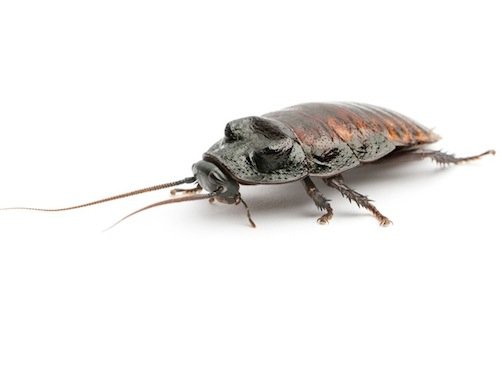
Madagascar Hissing Cockroaches are large, wingless insects native to Madagascar. They are recognised by their broad bodies, dark brown to reddish-brown colouring and ability to produce an audible hiss by forcing air through specialised breathing openings called spiracles.
Adult males commonly have prominent horn-like projections behind the head, while females generally have a smoother appearance in this area. Both sexes can produce hissing sounds under certain circumstances.
Unlike many familiar pest cockroaches, Madagascar Hissing Cockroaches are commonly maintained as captive invertebrates or used as feeder insects for suitable animals. Their size, distinctive behaviour and interesting life cycle make them a popular choice for educational displays and specialist collections.
Madagascar Hissing Cockroach Product Features
- Common name: Madagascar Hissing Cockroach.
- Scientific identification: Often sold as Gromphadorhina portentosa or Gromphadorhina species; confirm the exact identification with the supplier.
- Origin: Madagascar.
- Appearance: Large, dark brown to reddish-brown body.
- Wings: Wingless.
- Distinctive behaviour: Produces a hiss when disturbed or interacting with other cockroaches.
- Intended use: Suitable invertebrate keeping or feeding appropriately sized predators.
- Size options: Check the product listing for available developmental stages and sizes.
- Quantities: Pack sizes and availability depend on current stock.
Please review the product options for confirmed species identification, size, quantity and intended use before ordering.
Why Choose Madagascar Hissing Cockroaches?
An Unusual and Fascinating Insect
Madagascar Hissing Cockroaches are well known for their impressive size and distinctive sound. Their behaviour provides an interesting opportunity to observe insect communication, movement and social interactions.
For invertebrate enthusiasts, they can be a rewarding species to study and maintain under suitable conditions.
A Live Feeder Option for Larger Predators
Appropriately sized hissing cockroaches may be suitable prey for certain larger insect-eating reptiles and amphibians. Their suitability depends on the predator’s species, feeding ability and nutritional requirements.
Adults have a relatively firm outer exoskeleton, so they are not automatically appropriate for every animal. Smaller or softer-bodied feeder insects may be better suited to smaller predators.
Relatively Straightforward Husbandry
When kept as pets, Madagascar Hissing Cockroaches require a secure enclosure, appropriate warmth, suitable humidity, hiding places and a suitable diet. Their basic needs are manageable for many prepared keepers, provided their environmental requirements are understood.
Suitable for Observation and Education
Their unusual hissing behaviour, visible body structure and life cycle make these cockroaches interesting subjects for educational displays and supervised observation.
They should still be handled responsibly, with attention to animal welfare and secure containment.
Madagascar Hissing Cockroaches as Feeder Insects
Madagascar Hissing Cockroaches may be used as feeder insects for certain larger reptiles and other carnivorous animals that naturally consume insects.
Potentially suitable predators include some monitor lizards, larger insectivorous reptiles and certain amphibians, depending on the size and condition of the cockroach.
However, not every reptile or amphibian can safely eat these insects. Their relatively firm exoskeleton may make adults less suitable for smaller animals or predators with limited feeding ability.
Before using hissing cockroaches as prey, consider:
- The natural diet of the intended predator.
- The size and age of the animal being fed.
- The size and developmental stage of the cockroach.
- Whether the predator can consume the prey safely.
- The nutritional balance of the overall feeding programme.
Do not select feeder insects solely because they are large. Always prioritise safe prey size and the individual animal’s dietary needs.
Choosing the Right Size
Madagascar Hissing Cockroaches develop through several growth stages. Young cockroaches, known as nymphs, are smaller than adults and gradually increase in size as they moult.
Young Nymphs
Young nymphs may be suitable for certain smaller predators when their size and exoskeleton are appropriate. Check the actual dimensions offered by the supplier before purchasing.
Larger Nymphs
Larger nymphs may suit medium-sized insectivorous animals that can safely consume them. Suitability depends on the predator and the individual cockroach.
Adult Hissing Cockroaches
Adults are substantially larger and have a more developed exoskeleton. They may be appropriate for certain larger predators, but should not be offered to animals that cannot manage their size or body structure.
Size Selection for Pet Keeping
If you intend to keep Madagascar Hissing Cockroaches as pets, choose the developmental stage that best suits your enclosure and experience level. Young nymphs and adults have similar basic environmental needs, but colony size, sex composition and breeding potential may affect long-term care.
Always confirm the actual size range rather than relying on broad descriptions such as small, medium or large.
Caring for Madagascar Hissing Cockroaches
If you are purchasing these cockroaches as pets or for a breeding colony, appropriate housing is essential.
Enclosure and Security
Use a secure, well-ventilated enclosure with a tightly fitting lid. Madagascar Hissing Cockroaches can climb smooth surfaces, so do not assume that glass or plastic walls will prevent escapes.
Cover ventilation openings with suitable fine mesh and check the enclosure regularly for gaps.
Temperature and Humidity
These cockroaches originate from warm environments and generally require suitable warmth and moderate to relatively high humidity, depending on the conditions maintained.
Avoid extreme temperatures, sudden environmental changes and excessive moisture that leaves the enclosure waterlogged. Follow a reliable care guide for the confirmed species and the supplier’s recommendations.
Hiding Places and Substrate
Provide suitable hiding areas using safe bark, cork or other appropriate materials. Hiding places allow the cockroaches to shelter and behave more naturally.
A suitable substrate can help maintain the required environmental conditions. Keep the enclosure clean and remove spoiled food or waste as needed.
Food and Hydration
Madagascar Hissing Cockroaches consume a variety of suitable plant-based foods, including fruit and vegetables. Their diet should provide appropriate nutrition and be offered in a way that limits spoilage.
Provide access to moisture safely, avoiding deep open water containers in which the insects could become trapped or drown.
Handling
Handle these cockroaches gently and only when necessary. Avoid squeezing the body, pulling the legs or antennae, or deliberately provoking the insects to make them hiss.
Wash your hands after handling cockroaches or cleaning their enclosure, and keep them away from food preparation areas.
Understanding Hissing Behaviour
One of the most distinctive characteristics of Madagascar Hissing Cockroaches is their ability to produce a hissing sound. They do this by forcing air through specialised spiracles along their bodies.
The sound may occur when the cockroaches are disturbed, startled or interacting with one another. Males may also hiss during territorial encounters.
Hissing is a natural behaviour and should not be interpreted automatically as a sign of illness. Nevertheless, repeated unnecessary disturbance should be avoided.
These insects are wingless, but they are capable climbers. Their lack of wings does not eliminate the risk of escape, making secure housing particularly important.
Responsible Sourcing and Containment
When purchasing live cockroaches, choose a supplier that can provide accurate species information and appropriate handling guidance.
Captive-bred animals may offer greater sourcing traceability when breeding records are available. However, captive breeding does not automatically guarantee freedom from disease or other health concerns.
Responsible ownership includes:
- Confirming the species and intended use.
- Maintaining secure, escape-resistant housing.
- Avoiding the release of unwanted cockroaches into the environment.
- Preventing contact with wild insect populations.
- Following local rules concerning possession, breeding and transport.
- Maintaining appropriate hygiene when handling live insects.
Never release Madagascar Hissing Cockroaches outdoors. Non-native insects can pose ecological risks if they establish themselves outside their natural range.
Ordering Madagascar Hissing Cockroaches Online
Before placing an order, check the product details and confirm the following:
- The species or group of species being supplied.
- The available sizes or developmental stages.
- The number of cockroaches included in each pack.
- Whether the product is intended for feeding or pet keeping.
- Current availability and dispatch arrangements.
- Suitable care and storage requirements.
- Shipping eligibility for your destination.
- Any applicable live-arrival policy or guarantee.
Live-animal shipping requires appropriate packaging and consideration of temperature and transport conditions. Make sure you can receive your order promptly and have suitable housing ready before delivery.
International buyers should also confirm applicable import restrictions and regulations for live insects. Do not assume that every species can legally be transported across borders.
Frequently Asked Questions
What are Madagascar Hissing Cockroaches?
Madagascar Hissing Cockroaches are large, wingless insects native to Madagascar. They are known for their dark colouring, distinctive hissing behaviour and popularity among invertebrate enthusiasts.
What is the scientific name?
They are commonly identified as Gromphadorhina portentosa, although some sellers use Gromphadorhina species when the exact species has not been confirmed. Check the supplier’s identification details.
Why do Madagascar Hissing Cockroaches hiss?
They produce sound by forcing air through specialised breathing openings called spiracles. Hissing can occur when they are disturbed or during interactions with other cockroaches.
Can Madagascar Hissing Cockroaches be used as feeder insects?
Yes, they may be suitable for certain larger insect-eating reptiles and other predators. The cockroach’s size and firm exoskeleton must be appropriate for the animal being fed.
Are they suitable for small geckos?
Adult hissing cockroaches are generally too large for many small geckos. Smaller prey may be more appropriate, depending on the species and its feeding requirements.
Can Madagascar Hissing Cockroaches be kept as pets?
Yes, where legally permitted. They require a secure enclosure, suitable environmental conditions, hiding places, appropriate food and regular husbandry.
Can they climb glass?
Yes. These cockroaches can climb smooth surfaces, so a secure lid and suitable escape-prevention measures are essential.
How long do Madagascar Hissing Cockroaches live?
They can live for several years under suitable conditions. Lifespan varies according to species, sex, environmental conditions and overall care.
What do Madagascar Hissing Cockroaches eat?
They can consume suitable fruit, vegetables and other appropriate organic foods. Their captive diet should be varied and maintained hygienically.
Do live Madagascar Hissing Cockroaches arrive alive?
Delivery conditions depend on the supplier’s current shipping policy. Review any applicable live-arrival terms and reporting requirements before ordering.
Buy Madagascar Hissing Cockroaches for Your Collection
Explore our Madagascar Hissing Cockroaches for Sale for a distinctive live insect option for suitable reptile feeding programmes or invertebrate keeping. With their impressive size, wingless bodies and characteristic hissing behaviour, these cockroaches offer an unusual addition to a specialist animal collection.
Review the available sizes and quantities, confirm the intended use, and prepare appropriate housing before ordering. Responsible sourcing, secure containment and species-appropriate care are essential for keeping these fascinating insects safely.
| Choose | 20 Mixed Size Nymphs |
|---|
Be the first to review “Madagascar Hissing Cockroaches for Sale”
Related products
Feeder Insects for Sale
Feeder Insects for Sale
Feeder Insects for Sale
Feeder Insects for Sale
Feeder Insects for Sale
Feeder Insects for Sale
Feeder Insects for Sale
Feeder Insects for Sale
Reviews
There are no reviews yet.