

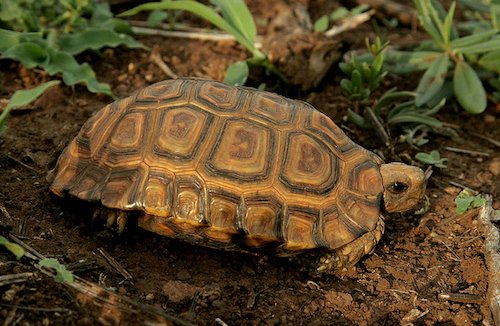

Forest Hingeback Tortoise for Sale – Discover This Unique African Tortoise
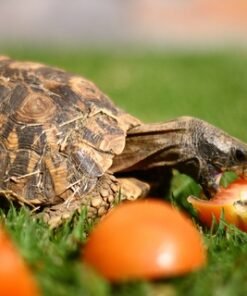
Looking for a Forest Hingeback Tortoise for Sale? Discover the fascinating Forest Hingeback Tortoise (Kinixys erosa), a distinctive African species admired for its hinged shell, serrated shell edges and remarkable adaptation to humid forest environments. Also known as the Serrated Hingeback Tortoise, this species belongs to a unique group of tortoises with a flexible hinge at the rear of the shell.
Native to the tropical forests of West and Central Africa, the Forest Hingeback Tortoise inhabits lowland evergreen forests, marshy areas and forested habitats near rivers and streams. Its natural environment provides shade, moisture, shelter and a variety of food sources, all of which are important when considering its care in captivity.
Unlike tortoises adapted to dry, open landscapes, the Forest Hingeback Tortoise requires carefully managed humidity, suitable temperatures, secure hiding places and a varied diet. It is an interesting species for experienced reptile enthusiasts who understand the challenges of maintaining a tropical forest tortoise.
Before considering a purchase, research its specialised husbandry requirements and conservation concerns. The species is listed under CITES Appendix II, and its populations face pressures associated with habitat loss and hunting. Buyers should verify the animal’s legal origin, available documentation and eligibility for sale and transfer before proceeding.
Why Is the Forest Hingeback Tortoise Unique?
The Forest Hingeback Tortoise stands out because of its distinctive shell structure and specialised forest-dwelling lifestyle. Its appearance and behaviour differ from those of many familiar Mediterranean and desert tortoises.
Key characteristics include:
- Hinged rear shell: A flexible hinge at the back of the carapace helps the tortoise protect its hindquarters when threatened.
- Serrated shell edges: The rear margins of the shell have a distinctive serrated appearance, contributing to its common name.
- Earthy colouration: Its shell generally features brown and other natural tones that blend with forest-floor surroundings.
- African forest habitat: It is associated with humid tropical forests, marshy environments and areas near streams.
- Omnivorous feeding habits: Its diet includes fungi, invertebrates and other natural food sources.
- Substantial adult size: It can grow considerably larger than some other species of hingeback tortoise.
- Specialised environmental needs: Humidity, shelter, temperature and appropriate nutrition are essential aspects of its care.
- Conservation importance: Habitat degradation and hunting have affected populations in parts of its natural range.
The Forest Hingeback Tortoise is best suited to keepers who are prepared to research its requirements thoroughly and provide an appropriate environment throughout its life.
Forest Hingeback Tortoise Characteristics
Understanding the species’ basic characteristics can help prospective owners assess whether they can provide suitable care.
- Common name: Forest Hingeback Tortoise
- Alternative names: Serrated Hingeback Tortoise, Serrated Hinged Tortoise
- Scientific name: Kinixys erosa
- Family: Testudinidae
- Natural distribution: West and Central Africa
- Countries within its documented range include Cameroon, Nigeria, Ghana, Liberia, Côte d’Ivoire, Gabon, Equatorial Guinea, the Republic of the Congo and the Democratic Republic of the Congo, among others
- Natural habitat: Lowland evergreen forests, marshy areas and forest galleries near rivers and streams
- Shell appearance: Brown shell with a hinged rear section and serrated rear margins
- Adult size: Can reach approximately 40 cm in carapace length
- Diet: Omnivorous, with fungi forming an important component of its natural diet
- Behaviour: Terrestrial and associated with moist, shaded environments
- International trade: Listed under CITES Appendix II
These are general species characteristics, not a guarantee of the age, size, sex or health of an individual tortoise. Adult size and appearance can vary.
Forest Hingeback Tortoise for Sale: What to Know Before Buying
If you are searching for a Forest Hingeback Tortoise for Sale, it is important to evaluate the animal’s origin, health history and care requirements before making a decision.
This species is adapted to humid forest environments and may struggle when maintained under conditions designed for dry-habitat tortoises. A suitable enclosure must be prepared in advance, with appropriate humidity, temperature control, ventilation, shelter and feeding arrangements.
Before purchasing, consider the following:
- Experience: Research tropical tortoise husbandry and seek specialist advice.
- Suitable housing: Prepare a spacious enclosure with appropriate moisture levels, shelter and temperature control.
- Nutrition: Establish a varied feeding plan that reflects the species’ omnivorous diet.
- Veterinary support: Identify a veterinarian experienced in exotic reptiles.
- Legal origin: Request documentation supporting the animal’s source and legal status.
- Long-term commitment: Consider the ongoing costs of suitable housing, food, equipment and veterinary care.
Ask the seller for details about the individual tortoise, including its current shell length, feeding habits, health history and documented origin.
Do not assume that a listing proves an animal is currently available, captive-bred or eligible for delivery to your location. Confirm these details directly before proceeding.
Baby Forest Hingeback Tortoises
Baby Forest Hingeback Tortoises may attract interest because of their small size and developing shell markings. However, young tortoises can be especially vulnerable to unsuitable humidity, dehydration, nutritional problems and stress.
A suitable enclosure should be prepared before arrival. It should provide stable environmental conditions, appropriate shelter, safe ground cover and access to clean drinking water.
Before considering a hatchling or juvenile, ask the seller about:
- Its age and current shell length.
- Its documented origin and breeding history.
- Its feeding routine and accepted foods.
- Previous housing and environmental conditions.
- Health information and any available veterinary records.
- Applicable wildlife-trade documentation.
Monitor young tortoises for changes in appetite, activity and body condition. If an animal stops eating or shows unusual behaviour, review its environment and seek advice from a reptile-experienced veterinarian.
The sex of a young tortoise may be difficult to determine reliably. A seller should not guarantee a male or female unless the identification can be supported.
Adult Forest Hingeback Tortoises
Adult Forest Hingeback Tortoises may appeal to experienced keepers who prefer an animal beyond the hatchling stage. Their larger size and established feeding habits can make it easier to assess some aspects of their individual care needs.
However, an adult still requires suitable humidity, temperature, shelter and nutrition. Its size also means that sufficient floor space must be available.
Before purchasing an adult, ask about:
- Current shell length and approximate age.
- Feeding history and accepted foods.
- Previous housing conditions.
- Health history and any known medical concerns.
- Documented origin and legal status.
- Behaviour around food and shelter.
Prepare the enclosure in advance to minimise disruption when the tortoise arrives. Allow the animal time to adjust and avoid unnecessary handling during the transition.
Captive-Bred Forest Hingeback Tortoises for Sale
Captive-bred Forest Hingeback Tortoises may be offered by specialist sellers, but breeding-origin claims should be supported by reliable documentation.
The species faces conservation pressures in parts of its natural range, including habitat clearance and hunting. Responsible sourcing is therefore an important consideration when evaluating a potential purchase.
If a seller advertises an animal as captive-bred, ask for:
- Verifiable breeding-origin information.
- Available records relating to the parents or breeding history.
- Documentation establishing the animal’s legal source.
- Health and feeding records.
- Applicable CITES documents and national permits.
- Confirmation that the proposed sale and transfer comply with relevant regulations.
Do not assume that an animal is captive-bred simply because it is advertised that way. Captive-bred status does not automatically remove all wildlife-trade requirements.
Avoid purchasing animals whose origins cannot be established. Responsible sourcing helps reduce the risk of supporting illegal or unsustainable wildlife trade.
Forest Hingeback Tortoise Availability and Pricing
Availability and pricing can vary according to the seller, age, size, origin and other factors. Current stock should be confirmed directly rather than inferred from an online listing.
Before comparing prices, establish whether the individual animal is available and whether it can legally be sold and transferred to your location.
Important details to confirm include:
- Current stock status.
- Asking price and any additional charges.
- Age and shell length.
- Documented origin and breeding history.
- Health and feeding history.
- Relevant wildlife-trade documentation.
- Delivery eligibility and transport arrangements.
- Written terms for any guarantee offered.
A higher price does not necessarily establish good health, captive-bred origin or legal sourcing. Likewise, photographs may be representative rather than images of the specific tortoise supplied.
Do not assume that a particular size, sex, delivery date or guarantee is available unless the seller confirms it.
Forest Hingeback Tortoise Diet and Feeding
The Forest Hingeback Tortoise is omnivorous, and fungi form an important part of its natural diet. It also consumes invertebrates and other foods found while foraging in its forest environment.
Its captive diet should reflect this natural feeding behaviour while providing appropriate nutritional balance. A diet intended exclusively for grazing or dry-habitat tortoises should not automatically be used for this species.
Potential dietary components, depending on specialist guidance, may include:
- Suitable fungi: Correctly identified edible fungi confirmed to be safe.
- Invertebrates: Appropriate feeder insects and other suitable invertebrates.
- Leafy vegetation: A variety of safe, pesticide-free leaves.
- Other plant material: Suitable vegetables and vegetation as part of a varied diet.
- Additional foods: Other appropriate items recommended by a reptile nutrition specialist.
Important feeding principles include:
- Offer a varied diet rather than relying on a single food.
- Use only correctly identified, safe fungi.
- Avoid insects collected from areas treated with pesticides.
- Provide clean drinking water at all times.
- Discuss calcium and other supplementation with a reptile-experienced veterinarian.
- Remove uneaten food regularly to maintain hygiene.
- Monitor appetite, body condition and feeding behaviour.
Never collect unidentified wild mushrooms for feeding. Some fungi are toxic, and misidentification can have serious consequences.
The appropriate balance of foods depends on the tortoise’s age, health and environmental conditions. A specialist feeding plan is preferable to relying on generic feeding instructions for other tortoise species.
Forest Hingeback Tortoise Habitat and Housing Requirements
The Forest Hingeback Tortoise is associated with humid forests, marshy environments and forested areas near rivers and streams. Its enclosure should provide suitable moisture, shelter, temperature and space for movement.
An enclosure that is too dry, too hot or poorly ventilated may create unsuitable conditions. Plan for the animal’s long-term needs before acquiring it.
Indoor enclosure
Indoor housing may be necessary where the local climate cannot provide appropriate conditions throughout the year.
The enclosure should be secure, spacious and designed to maintain a stable microclimate. Important features include:
- Sufficient floor space for walking and foraging.
- Reliable temperature and humidity monitoring.
- Suitable heating equipment.
- Appropriate lighting and a consistent day–night cycle.
- A moisture-retaining substrate that does not remain waterlogged.
- Secure hiding places.
- Access to clean drinking water.
- Adequate ventilation without excessive drying.
A conventional small terrarium may not provide sufficient space or environmental stability, particularly for a large adult. Housing should be selected according to the tortoise’s size and needs rather than its size at the time of purchase.
Outdoor enclosure
Outdoor housing may be possible in a climate that consistently provides suitable temperatures and humidity. However, warm weather alone does not guarantee that conditions are appropriate.
A suitable outdoor enclosure should provide secure boundaries, shaded retreats, safe ground cover, protection from predators and access to clean water.
The tortoise must also be protected from extreme heat, cold and unsuitable weather. In cooler European climates, appropriate indoor housing may be necessary for much or all of the year.
Temperature and heating
Temperature management is important for the Forest Hingeback Tortoise because it relies on environmental conditions to regulate its body temperature.
Use reliable thermometers to monitor different parts of the enclosure. Establish suitable temperature targets using a reliable species-specific care resource or advice from an experienced reptile professional.
Avoid prolonged exposure to cold conditions, excessive heat and abrupt temperature changes. Do not assume that this forest species requires the same hot, dry conditions as an arid-habitat tortoise.
Humidity and hydration
Humidity is a key consideration when keeping a Forest Hingeback Tortoise. Its natural habitat provides moisture and sheltered microclimates, so its enclosure must reproduce suitable conditions as closely as practical.
A persistently dry environment may be unsuitable, while waterlogged substrate and poor ventilation can also create problems.
Use a hygrometer to monitor humidity and inspect the substrate regularly. Provide clean drinking water in a shallow dish that the tortoise can access safely.
Humidity should be managed alongside ventilation, temperature and hygiene rather than by spraying the enclosure without monitoring the results.
Lighting and UVB
Appropriate lighting should support a consistent day–night cycle and meet the tortoise’s husbandry requirements.
For indoor housing, seek species-specific guidance on UVB exposure. Select reptile lighting equipment appropriate for the enclosure and follow the manufacturer’s instructions regarding installation, distance and replacement.
Provide shaded areas where the tortoise can retreat from direct light. Lighting should be considered as part of a complete care plan that also includes appropriate nutrition, temperature and humidity.
Substrate and shelter
A suitable substrate should help maintain appropriate moisture while remaining hygienic and free from persistent waterlogging.
Provide secure hiding places and sheltered areas that allow the tortoise to retreat from activity and light. Naturalistic ground cover may help create a suitable forest-floor environment when chosen and maintained safely.
Inspect the enclosure regularly, remove waste and uneaten food, and ensure that shelters cannot collapse or trap the animal.
Forest Hingeback Tortoise Temperament and Behaviour
Forest Hingeback Tortoises are terrestrial animals that spend time exploring, resting and foraging in sheltered environments. Their activity can vary with weather, temperature, humidity and individual temperament.
The species is associated with moist forest habitats, where vegetation, leaf litter and natural shelter provide opportunities to hide and forage.
A suitable enclosure should provide enough space for natural movement and secure places where the tortoise can retreat. Avoid excessive handling or repeatedly disturbing an animal to encourage activity.
If a tortoise shows a persistent change in appetite, movement or behaviour, review its husbandry and seek veterinary advice when appropriate. Unusual inactivity should not automatically be attributed to its naturally secretive behaviour.
How Big Does a Forest Hingeback Tortoise Get?
The Forest Hingeback Tortoise is a medium-to-large member of the hingeback tortoise group. Specialist species accounts report that its carapace can reach approximately 40 cm in length, although individual animals vary.
Its potential adult size makes enclosure planning particularly important. A hatchling may initially require less space, but housing must be suitable as it grows.
Before purchasing, consider whether you can provide sufficient floor space, secure shelter and stable environmental conditions for an adult tortoise.
How Long Does a Forest Hingeback Tortoise Live?
The lifespan of the Forest Hingeback Tortoise is not as well documented as that of some commonly kept tortoise species. Its long-term survival in captivity depends on many factors, including genetics, health, nutrition and environmental conditions.
Prospective owners should treat it as a long-term responsibility and consider the ongoing cost of suitable housing, heating, humidity control, food and veterinary care.
Avoid relying on an exact lifespan unless it is supported by reliable evidence. The individual animal’s age and health history are more useful when assessing its current needs.
Forest Hingeback Tortoise Live-Arrival Guarantee
When purchasing a live tortoise online, it is important to understand the seller’s transport arrangements and written guarantee policy.
A live-arrival guarantee should only be advertised or relied upon when the seller explicitly offers it for the animal being purchased and provides the applicable terms.
Before ordering, confirm:
- Whether a live-arrival guarantee is available.
- The conditions required for coverage.
- The deadline for reporting a qualifying problem.
- What evidence is required for a claim.
- Any weather-related or transport exclusions.
- Whether the policy covers arrival only or includes other provisions.
The reference retailer advertises a live-arrival guarantee, but this is a seller-specific policy and should not be assumed to apply to another business.
A guarantee does not replace the buyer’s responsibility to prepare an appropriate enclosure and provide suitable care after arrival.
Forest Hingeback Tortoise Shipping and Delivery
Transporting a live tortoise requires careful planning to protect its welfare. Delivery options depend on the seller, destination, transport method and applicable wildlife-trade requirements.
Before completing a purchase, confirm:
- Whether the seller can legally transfer the animal to your location.
- Whether the proposed transport method is suitable for the species.
- Expected dispatch and delivery arrangements.
- Any additional shipping charges.
- Whether weather or transport conditions could cause delays.
- Which wildlife-trade documents must accompany the animal.
- How to receive and transfer the tortoise safely to its prepared enclosure.
International shipments may require additional permits, certificates or import documentation. A seller’s willingness to ship does not automatically mean that the transaction is lawful.
The reference retailer states that it does not ship internationally and serves US destinations only. Its delivery policy should not be interpreted as an offer of international delivery from another seller.
Confirm the actual seller’s destination coverage and all applicable legal requirements before proceeding.
Conservation Status and Responsible Ownership
The Forest Hingeback Tortoise faces conservation pressures associated with forest clearance and hunting. Specialist accounts identify population concerns in parts of its range, particularly where hunting pressure is high.
The species is listed under CITES Appendix II, which regulates international trade. The published global IUCN assessment available for Kinixys erosa dates from 1996 and lists the species as Data Deficient; later specialist conservation material has raised further concerns. Its status should therefore be described with reference to the assessment date rather than treating the older classification as a current reassessment.
Responsible ownership requires careful attention to animal welfare and conservation.
Before purchasing a Forest Hingeback Tortoise:
- Request verifiable evidence of legal origin.
- Ask for breeding records if the animal is advertised as captive-bred.
- Confirm the species identification.
- Verify applicable CITES documents and national permits.
- Check local rules governing possession, sale and transfer.
- Avoid animals whose origins cannot be established.
- Never release a captive tortoise into the wild.
Captive-bred status does not automatically remove all legal requirements. Confirm the rules applicable to the specific animal and transaction before purchasing.
Is the Forest Hingeback Tortoise Suitable as a Pet?
The Forest Hingeback Tortoise is a specialised species that requires more preparation than many commonly kept tortoises. Its humid forest habitat, varied diet and potential adult size make careful husbandry essential.
Before deciding whether to keep one, ask yourself:
- Can you maintain appropriate humidity and temperature throughout the year?
- Can you provide sufficient space and secure hiding places?
- Do you understand its specialised feeding requirements?
- Is a reptile-experienced veterinarian accessible?
- Can you verify its legal origin and required documentation?
- Are you prepared for the long-term financial and practical commitment?
If you cannot confidently meet these requirements, consider learning about the species through reputable conservation resources instead of keeping one in captivity.
Responsible ownership should prioritise the tortoise’s welfare and avoid supporting illegal or unsustainable wildlife trade.
Frequently Asked Questions About Forest Hingeback Tortoises
What is the scientific name of the Forest Hingeback Tortoise?
Its scientific name is Kinixys erosa. It is a forest-dwelling tortoise native to parts of West and Central Africa.
Why is it called a Hingeback Tortoise?
The name refers to a flexible hinge at the rear of the shell, which helps the tortoise protect its hindquarters when threatened.
How big does a Forest Hingeback Tortoise get?
Its carapace can reach approximately 40 cm in length, although individual size varies.
What does a Forest Hingeback Tortoise eat?
It is an omnivore. Fungi are an important part of its natural diet, alongside invertebrates and other suitable food sources. Captive feeding should be varied and species-appropriate.
Does a Forest Hingeback Tortoise need high humidity?
It is associated with humid forest environments, so suitable humidity, hydration and sheltered microclimates are important aspects of its care.
Is a Forest Hingeback Tortoise suitable for beginners?
It is generally better suited to keepers who have researched tropical tortoise husbandry and can maintain appropriate environmental conditions.
Is the Forest Hingeback Tortoise protected by wildlife-trade regulations?
Yes. The species is listed under CITES Appendix II. Buyers should verify the required documentation and any additional national restrictions before purchasing or transporting an animal.
Can a Forest Hingeback Tortoise be shipped internationally?
That depends on the seller, destination, transport arrangements and legal requirements. Confirm the transaction’s legality and the suitability of the transport method before proceeding.
What should I prepare before acquiring a Forest Hingeback Tortoise?
Prepare a secure, appropriately sized enclosure with humidity and temperature monitoring, suitable lighting, shaded hiding places, clean water and a species-appropriate feeding plan. Access to a reptile-experienced veterinarian is also important.
How can I verify whether a Forest Hingeback Tortoise is captive-bred?
Ask the seller for verifiable breeding-origin information and supporting records. Also confirm the animal’s legal source and any applicable wildlife-trade documentation.
Forest Hingeback Tortoise for Sale: Make an Informed Decision
The Forest Hingeback Tortoise is a remarkable African species, recognised for its hinged shell, serrated shell margins and specialised forest-dwelling lifestyle.
If you are researching a Forest Hingeback Tortoise for Sale, take time to understand its environmental requirements, diet, potential adult size and conservation concerns before considering a purchase.
Confirm current availability, health information, legal origin and required wildlife-trade documentation directly with the seller. Review the actual terms of any guarantee and ensure that the proposed transport arrangements are suitable for the animal. Prioritise responsible sourcing, specialist husbandry and the long-term welfare of this distinctive African tortoise.
Be the first to review “Forest Hingeback Tortoise for Sale”
Related products
Tortoises for Sale
Tortoises for Sale
Tortoises for Sale
Tortoises for Sale
Tortoises for Sale
Tortoises for Sale
Tortoises for Sale
Tortoises for Sale
Reviews
There are no reviews yet.