

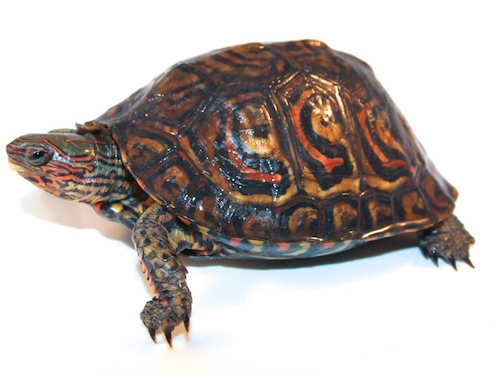
Central American Ornate Wood Turtle for Sale

€69,99
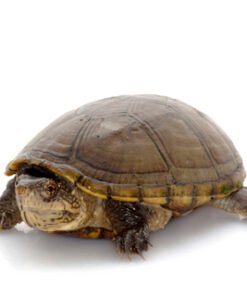
The Central American Ornate Wood Turtle (Rhinoclemmys pulcherrima manni) is a colourful semi-terrestrial turtle admired for its dark, domed shell decorated with vibrant red, orange and yellow markings.
Native to parts of Central America, this fascinating species thrives in a warm, humid enclosure with spacious land areas, shallow water, suitable lighting and a varied omnivorous diet.
With proper care, it can live for decades, making it an appealing choice for dedicated reptile enthusiasts. Discover its habitat, feeding needs and essential care requirements before purchasing.
Central American Ornate Wood Turtle for Sale – A Colourful and Fascinating Turtle
Looking for a Central American Ornate Wood Turtle for sale? The Central American Ornate Wood Turtle (Rhinoclemmys pulcherrima manni) is a striking reptile admired for its vibrant shell patterns, colourful facial markings and fascinating behaviour.
Native to Central America, this species is an excellent subject for reptile enthusiasts who appreciate turtles with distinctive appearances and specialised habitat requirements. Unlike fully aquatic turtles, Central American Ornate Wood Turtles are semi-terrestrial.
They spend much of their time on land but also enjoy soaking and exploring shallow water. Their combination of colourful markings, interesting feeding habits and active behaviour makes them appealing to experienced keepers who can provide a suitable tropical-style enclosure.
If you are considering buying a Central American Ornate Wood Turtle, it is important to understand its housing, temperature, humidity, lighting and dietary requirements before bringing one home. With suitable conditions and attentive care, these turtles can live for many years.
Why Choose a Central American Ornate Wood Turtle?
The Central American Ornate Wood Turtle stands out for its colourful appearance and distinctive behaviour. Its manageable adult size and semi-terrestrial lifestyle make it an interesting species for keepers prepared to meet its specific needs.
- Colourful shell markings: Its shell may display striking red, orange and yellow markings against a brown, olive or darker background.
- Distinctive facial patterns: Bright red or orange lines can extend around the eyes and across the head.
- Semi-terrestrial lifestyle: It benefits from a carefully designed enclosure containing both land and shallow water.
- Interesting natural behaviour: These turtles explore their habitat, forage for food, bask and seek shelter in vegetation or leaf litter.
- Omnivorous diet: They consume a varied diet containing suitable plant material and animal-based foods.
- Long-term companionship: With proper husbandry, they can live for 20–30 years or longer.
Choosing this species requires a commitment to appropriate care rather than appearance alone. A well-designed habitat and a balanced diet are essential for its long-term wellbeing.
Central American Ornate Wood Turtle Appearance
The Central American Ornate Wood Turtle belongs to the family Geoemydidae. Its scientific name is Rhinoclemmys pulcherrima manni, and it is one of the recognised subspecies of the Painted Wood Turtle.
Its high-domed shell is often brown or olive, decorated with conspicuous red, orange or yellow markings. These markings can form eye-like spots or intricate patterns across the shell plates. The skin may also feature colourful stripes, particularly around the head and limbs.
The lower shell, known as the plastron, generally has a yellowish background with darker pigmentation. The exact pattern and intensity of the colours vary between individual turtles.
Adult males are often smaller and less robust than females, although size and appearance alone are not always reliable indicators of sex. If you require a turtle of a particular sex, ask the seller whether this has been confirmed by an experienced reptile professional.
Natural Habitat and Behaviour
Central American Ornate Wood Turtles originate from parts of southern Nicaragua and north-western Costa Rica. Their natural environments include lowland scrub, moist woodland and areas near streams and other water sources.
Although they are not fully aquatic, access to water is important. They may wade, soak and forage around shallow pools, while using surrounding land for resting, feeding and shelter.
In captivity, they benefit from an environment that offers similar opportunities. A mixture of land, vegetation, moisture-retentive substrate and shallow water allows them to display their natural behaviours.
Providing several hiding places is particularly important because these turtles may be shy when introduced to a new enclosure. Allowing them to retreat into cover helps reduce stress and encourages natural activity.
Central American Ornate Wood Turtle Size and Lifespan
Adult Central American Ornate Wood Turtles commonly reach approximately 18–25 cm in shell length, although size varies according to sex, genetics and individual development.
Females can grow larger than males. A turtle’s final size also depends on its age, nutrition and overall health.
This species can live for several decades under appropriate conditions. A lifespan of 20–30 years or longer is possible, so purchasing one represents a substantial long-term commitment.
Before buying, consider whether you can provide suitable housing, appropriate food, veterinary care and consistent environmental conditions throughout its life.
Central American Ornate Wood Turtle Care Guide
Proper care is essential for maintaining the health and wellbeing of a Central American Ornate Wood Turtle. Its enclosure must provide suitable temperatures, humidity, lighting, clean water and enough room for both terrestrial and aquatic activities.
Housing and Enclosure Requirements
A spacious enclosure with clearly defined land and water areas is essential. A single adult can use an indoor habitat of approximately 120 × 60 cm as a starting point, although a larger enclosure is preferable whenever possible.
The enclosure should include:
- A substantial land area for walking, feeding and resting.
- A shallow water section for soaking and wading.
- Easy, secure access between land and water.
- Moist, diggable substrate.
- Plants, logs, leaf litter and suitable hiding places.
- A basking area and a cooler retreat.
- Secure boundaries and adequate ventilation.
The proportions of land and water should reflect the individual turtle’s needs. A land-dominant setup with a shallow pool is a useful starting point for this subspecies, rather than an enclosure consisting entirely of deep water.
The water area must have a safe entry and exit, with no steep or slippery barriers that could trap the turtle. Water should be kept clean through regular maintenance and appropriate filtration where needed.
Outdoor enclosures may be suitable in consistently warm climates, provided they offer shade, shelter, predator protection and secure boundaries. Indoor housing requires careful environmental control.
Temperature and Heating
Central American Ornate Wood Turtles need warm, stable conditions that reflect their tropical origins. They are not suited to prolonged exposure to cold temperatures.
A daytime ambient temperature of approximately 24–29°C can be used as an initial reference, with a warmer basking area around 30–32°C. These are starting guidelines rather than universal targets; conditions should be adjusted according to reliable species-specific advice and the turtle’s behaviour.
Use digital thermometers to monitor the basking area, general enclosure and cooler retreat. Avoid heating the entire enclosure uniformly, as the turtle needs the opportunity to regulate its body temperature.
Heat lamps must be installed securely and positioned to prevent burns or overheating. Any water-heating equipment used should be suitable for the enclosure and inaccessible to the turtle.
Humidity and Substrate
This species benefits from a humid environment with access to moist substrate and sheltered areas. A relative humidity range of approximately 70–90% may be appropriate as a starting reference, depending on the enclosure and the individual animal.
Use a hygrometer to monitor conditions rather than relying on visual estimates.
Suitable substrate options may include clean, pesticide-free organic soil, coconut coir and appropriate leaf litter. The substrate should retain moisture without becoming permanently waterlogged.
Provide sheltered areas where the turtle can rest undisturbed. Plants, cork bark and other reptile-safe furnishings can help create a naturalistic habitat.
Good ventilation and regular cleaning remain important, even when humidity is high. Remove uneaten food and waste promptly to maintain hygienic conditions.
UVB Lighting
Appropriate UVB lighting is an important consideration for indoor housing. UVB exposure helps reptiles produce vitamin D3, which supports normal calcium absorption and bone and shell health.
Select a reptile UVB lamp suitable for the enclosure and follow the manufacturer’s guidance on distance, positioning and replacement. A regular day-and-night lighting cycle should also be provided.
A separate basking lamp may be needed to create a suitable warm area. Ensure that the turtle can move away from the heat and lighting when it needs to.
Natural sunlight can be beneficial in a properly designed outdoor enclosure, but the turtle must always have access to shade and protection from overheating.
Feeding a Central American Ornate Wood Turtle
Central American Ornate Wood Turtles are omnivorous. Their diet includes plant material, fruit, insects, worms and other suitable animal-based foods.
In captivity, variety is important. Depending on the turtle’s age and individual needs, suitable foods may include:
- Earthworms and appropriate feeder invertebrates.
- Crickets and other suitable insects.
- Dark leafy greens and safe edible plants.
- Small portions of suitable fruit.
- Other nutritionally appropriate foods recommended by an experienced reptile veterinarian.
Plant-based foods should form an important part of a balanced diet, with appropriate animal-based foods included to meet nutritional needs. The ideal proportions can vary with age and individual condition.
Calcium supplementation may be appropriate depending on the diet and UVB provision. Seek specialist advice on supplementation to avoid deficiencies or excessive intake.
Fresh drinking water should always be available. Offer food on a clean surface where possible to reduce accidental ingestion of substrate.
Avoid toxic plants, spoiled food, pesticide-treated produce and diets consisting exclusively of fruit or meat.
Water and Hydration
Access to clean water is essential for this semi-terrestrial species. Provide a shallow pool that allows the turtle to soak comfortably without creating a risk of drowning.
The water area should be large enough for the turtle to enter and turn around, with a gentle, secure route back onto land.
Change dirty water promptly and clean the pool regularly. Filtration can help manage water quality, but it does not eliminate the need for routine maintenance.
Observe how the turtle uses its water area and make adjustments if access appears difficult or the water becomes contaminated frequently.
Handling and Temperament
Central American Ornate Wood Turtles are interesting to observe, but frequent handling can cause unnecessary stress. Individual temperaments vary, and some animals become more comfortable around their keepers over time.
Allow a newly acquired turtle to settle into its enclosure before attempting unnecessary interaction. When handling is required for health checks or enclosure maintenance, support the body securely with both hands.
Wash your hands after handling the turtle or cleaning its enclosure. Like other reptiles, turtles can carry Salmonella bacteria even when they appear healthy.
Regular observation is an important part of responsible care. Changes in appetite, activity, breathing, movement or shell condition should be assessed promptly, particularly if they persist.
Is the Central American Ornate Wood Turtle Suitable for Beginners?
The Central American Ornate Wood Turtle may suit a prepared reptile keeper who understands the requirements of semi-terrestrial turtles. However, it is not a low-maintenance pet.
Its need for a carefully balanced land-and-water enclosure, warm temperatures, suitable humidity, appropriate lighting and a varied diet makes advance preparation essential.
Beginners should research the species thoroughly and ensure that they can provide consistent care before purchasing one. Access to an exotic-animal veterinarian is also important.
Buying a Central American Ornate Wood Turtle Responsibly
When searching for a Central American Ornate Wood Turtle for sale, choose a reputable seller who can provide clear information about the animal’s origin, health, feeding history and current care.
Before purchasing, consider the following:
- Legal origin: Ask whether the turtle is captive-bred or wild-caught and request relevant documentation.
- Health condition: Look for clear eyes, normal movement, regular breathing and a shell without obvious damage.
- Feeding history: Confirm which foods the turtle accepts and whether it is feeding consistently.
- Age and size: Request its approximate age and current shell length.
- Sex: Ask whether the sex has been reliably determined if this matters to you.
- Husbandry: Find out about its current temperature, humidity, lighting and water conditions.
- Transport: Confirm that shipping arrangements are safe for a live reptile and comply with relevant regulations.
- Veterinary care: Consider arranging an initial assessment with a qualified reptile veterinarian, particularly for a recently imported animal.
Availability, pricing, captive-bred status, age and sex must be confirmed directly with the seller. These details should not be assumed for individual animals.
Legal Considerations
Wildlife ownership, trade and import rules vary between countries. Before purchasing a Central American Ornate Wood Turtle, check the applicable regulations in your location and ensure that any required permits or documentation are available.
International buyers should confirm import requirements before arranging transport. Choose a seller who can establish the animal’s lawful origin and provide the appropriate paperwork.
Never release a captive turtle into the wild. Doing so can endanger the animal and create risks for native wildlife and local ecosystems.
Frequently Asked Questions
How big does a Central American Ornate Wood Turtle get?
Adults commonly reach approximately 18–25 cm in shell length, although individual size varies. Females can grow larger than males.
What does a Central American Ornate Wood Turtle eat?
It is an omnivore that eats suitable plant material, fruit, insects, worms and other appropriate foods. A varied, nutritionally balanced diet is essential.
Is the Central American Ornate Wood Turtle aquatic?
It is semi-terrestrial. It spends substantial time on land but also uses shallow water for soaking and other natural behaviours. Its enclosure should provide both environments.
Does this turtle need UVB lighting?
Appropriate UVB lighting is generally recommended for indoor housing to support normal calcium metabolism and healthy shell and bone development.
What temperature does a Central American Ornate Wood Turtle need?
A warm enclosure with a suitable temperature gradient is essential. An ambient daytime range of approximately 24–29°C and a warmer basking area around 30–32°C can serve as initial references, subject to specialist husbandry guidance.
What humidity does this species need?
A relatively humid environment is important. Approximately 70–90% relative humidity can serve as a starting reference, depending on the setup, with moisture-retentive substrate and adequate ventilation.
How long does a Central American Ornate Wood Turtle live?
It can live for 20–30 years or longer with appropriate care. Prospective owners should be prepared for a substantial long-term commitment.
Can Central American Ornate Wood Turtles live together?
Cohabitation requires careful consideration. Competition for food and basking areas, stress and breeding-related aggression can occur. Individual housing may be the safest option, particularly for inexperienced keepers.
Is the Central American Ornate Wood Turtle a good pet?
It can be a rewarding species for keepers who understand its specialised needs. It requires appropriate land and water areas, warm and humid conditions, a varied diet and regular monitoring.
Can Central American Ornate Wood Turtles live outdoors?
Outdoor housing may be suitable in a warm climate with appropriate shade, shelter, secure boundaries and protection from predators. Indoor housing may be necessary where temperatures fluctuate beyond the species’ requirements.
Find Your Central American Ornate Wood Turtle
The Central American Ornate Wood Turtle is an attractive and fascinating reptile, recognised for its vibrant shell markings, colourful facial patterns and semi-terrestrial lifestyle. Its distinctive appearance and interesting behaviour make it appealing to dedicated turtle enthusiasts.
If you are looking for a Central American Ornate Wood Turtle, take time to understand its care requirements, prepare a suitable enclosure and choose a reputable seller. Responsible ownership begins with a legally sourced, healthy animal and a habitat designed to support its needs for many years.
| Choose Size | cb Hatchling |
|---|---|
| Options | No Pref, Male, Female |
Be the first to review “Central American Ornate Wood Turtle for Sale”
Related products

Turtles for Sale
Turtles for Sale
Turtles for Sale
Turtles for Sale
Turtles for Sale
Turtles for Sale
Turtles for Sale
Turtles for Sale
Reviews
There are no reviews yet.