

Mississippi Mud Turtle for Sale
€79,99
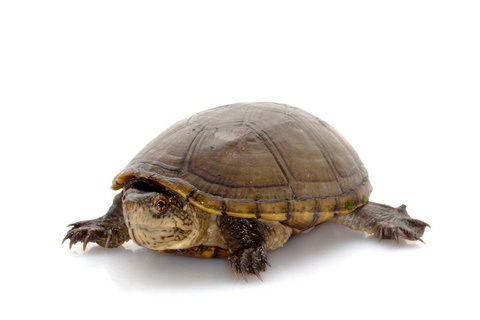
Looking for a Mississippi Mud Turtle for sale? The Mississippi Mud Turtle (Kinosternon subrubrum hippocrepis) is a small freshwater turtle recognised by its smooth, oval-shaped shell and distinctive yellow head stripes.
Native to the south-central United States, this semi-aquatic species thrives in a suitable enclosure with clean water, secure hiding places, appropriate lighting and a balanced omnivorous diet.
Its compact size and fascinating natural behaviour make it an appealing choice for reptile enthusiasts. Discover its habitat, feeding needs and essential care requirements before purchasing.
Mississippi Mud Turtle for Sale – A Small and Fascinating Freshwater Turtle
Looking for a Mississippi Mud Turtle for sale? The Mississippi Mud Turtle (Kinosternon subrubrum hippocrepis) is a small freshwater turtle admired for its smooth, oval-shaped shell, understated earthy colours and interesting aquatic behaviour.
Native to parts of the south-central United States, this species is an appealing choice for reptile enthusiasts interested in keeping a smaller turtle with distinctive characteristics. Unlike some larger aquatic turtles, Mississippi Mud Turtles remain relatively compact as adults.
They inhabit shallow wetlands, ponds, swamps and other slow-moving or still waters, where they forage for food and seek shelter among aquatic vegetation and soft substrates. Although they are well adapted to aquatic environments, they also spend time moving around on land.
If you are considering buying a Mississippi Mud Turtle, understanding its habitat, feeding habits, water quality and long-term care requirements is essential. With a suitable enclosure and consistent husbandry, this fascinating species can be a rewarding addition to a properly maintained freshwater turtle setup.
Why Choose a Mississippi Mud Turtle?
The Mississippi Mud Turtle is an interesting species for keepers who appreciate smaller freshwater turtles with natural behaviours and relatively simple colour patterns.
- Compact adult size: Adults commonly measure approximately 7–12.5 cm in shell length, making this a smaller species than many popular pond turtles.
- Distinctive shell: Its smooth, oval-shaped shell is typically brown, olive, yellowish or dark in colour.
- Interesting behaviour: These turtles forage, explore their surroundings and seek shelter in shallow water and soft substrates.
- Freshwater lifestyle: They thrive in a suitable aquatic enclosure with clean water, shallow areas and places to hide.
- Omnivorous diet: Their diet includes a variety of aquatic invertebrates and other suitable animal-based and plant-based foods.
- Long lifespan: With appropriate care, they can live for many years, so prospective owners should be prepared for a long-term commitment.
Their modest size does not mean they can be kept in a small container without proper equipment. Mississippi Mud Turtles need enough space to move naturally, suitable water conditions and an environment that supports their health.
Mississippi Mud Turtle Appearance and Characteristics
The Mississippi Mud Turtle belongs to the family Kinosternidae and is classified as Kinosternon subrubrum hippocrepis. It is a subspecies of the Eastern Mud Turtle, although taxonomic treatments may differ.
Its upper shell, known as the carapace, is relatively smooth and oval-shaped. The colour can range from olive and brown to yellowish or nearly black, depending on the individual. Young turtles may display more noticeable ridges along the shell, which can become less prominent as they mature.
The head and neck are usually brownish, sometimes with lighter stripes or markings. The lower shell, or plastron, is comparatively well developed and features two movable hinged sections, a characteristic of mud turtles in the genus Kinosternon.
These hinges help the turtle protect itself by drawing its limbs and head inside its shell. When threatened or handled roughly, it may also release a strong-smelling secretion from glands near the shell. This is a natural defensive response and another reason to minimise unnecessary handling.
Males and females can differ in size and tail characteristics. However, reliable sex identification may be difficult in young turtles, so confirmation from an experienced reptile professional is advisable if sex is important when purchasing.
Natural Habitat and Behaviour
Mississippi Mud Turtles are associated with the Mississippi River region and other parts of the south-central United States. Their habitats include shallow ponds, swamps, sloughs, oxbow lakes, drainage channels and other freshwater environments with soft bottoms and aquatic vegetation.
These habitats provide access to food, shelter and areas where turtles can move between water and land.
Although the species is well adapted to aquatic life, it is not exclusively water-dwelling. Mississippi Mud Turtles may leave the water to forage, travel between wetland habitats or seek suitable places to shelter.
In captivity, providing opportunities for these natural behaviours is important. An enclosure should contain shallow areas, safe underwater hiding places and an accessible land section. A soft, naturalistic substrate and suitable aquatic furnishings can help create a more stimulating environment.
Mississippi Mud Turtle Size and Lifespan
Adult Mississippi Mud Turtles typically reach approximately 7–12.5 cm in shell length, although individual sizes vary. Their relatively small adult size makes them easier to accommodate than many larger freshwater turtle species, provided their environmental requirements are met.
Their growth depends on factors such as genetics, sex, age, nutrition and overall health. A hatchling should not be housed in an enclosure that will become unsuitable as it grows.
Mississippi Mud Turtles can live for several decades under appropriate conditions. Their lifespan makes them a long-term responsibility rather than a short-term pet.
Before purchasing one, consider the ongoing costs of maintaining clean water, suitable filtration, heating, lighting, food and veterinary care.
Mississippi Mud Turtle Care Guide
Proper husbandry is essential for maintaining a healthy Mississippi Mud Turtle. Its enclosure should provide clean freshwater, appropriate temperatures, secure hiding places, suitable lighting and enough room for normal movement.
Aquarium and Enclosure Requirements
Mississippi Mud Turtles require an aquatic enclosure with sufficient space to swim and explore. Despite their small size, they should not be kept in cramped bowls or unfiltered containers.
For one adult, an aquarium of approximately 90 × 45 cm can serve as a starting reference, with a larger enclosure preferable whenever possible. Water volume, swimming space and the efficiency of the filtration system should all be considered when selecting a tank.
An appropriate setup should include:
- A spacious freshwater area with safe water depth.
- Shallow areas or resting platforms where the turtle can reach the surface easily.
- A secure, dry basking area.
- Underwater hiding places and suitable aquarium furnishings.
- A reliable filtration system.
- Appropriate heating and lighting equipment.
- A secure cover or barrier to prevent escapes.
Mississippi Mud Turtles are generally less dependent on frequent basking than some other freshwater turtle species, but they should still have access to a suitable basking area. Ensure that the turtle can leave the water safely and return without difficulty.
Avoid decorations with sharp edges or gaps where the turtle could become trapped. The enclosure should allow easy access to the water surface for breathing.
Water Quality and Filtration
Clean water is one of the most important aspects of Mississippi Mud Turtle care. Turtles produce waste that can quickly affect water quality, especially in smaller aquariums.
Use a reliable filter that is appropriately rated for the enclosure and its biological load. Regular maintenance is necessary even when a powerful filter is installed.
Good water management includes:
- Removing uneaten food and visible waste.
- Performing regular partial water changes.
- Monitoring water quality with suitable aquarium test kits.
- Cleaning filter components according to the manufacturer’s instructions.
- Avoiding sudden changes in water temperature or chemistry.
The water should be free from harmful contaminants, and any tap water treatment should be suitable for aquatic reptiles. Avoid using untreated water containing potentially harmful levels of chlorine or chloramine.
Water Temperature and Heating
Mississippi Mud Turtles require suitable water temperatures to support normal activity, feeding and digestion.
A water temperature of approximately 24–27°C can be used as a starting reference for many captive individuals, although the ideal conditions depend on age, health and the overall husbandry plan.
Use an aquarium thermometer to monitor temperatures consistently. If a heater is required, choose a model designed for aquatic enclosures and protect it from damage.
Avoid sudden temperature changes and ensure that the turtle can access areas with slightly different conditions where possible. Any seasonal cooling or brumation should only be undertaken with appropriate species-specific knowledge and veterinary guidance.
Basking and Lighting
Although Mississippi Mud Turtles may bask less frequently than some other freshwater turtles, access to a suitable basking area remains beneficial.
Provide a stable platform where the turtle can leave the water completely. The platform should be easy to reach and large enough for the animal to rest comfortably.
UVB lighting is generally recommended for indoor turtle enclosures because it supports vitamin D3 production and normal calcium metabolism. Choose an appropriate reptile UVB lamp and follow the manufacturer’s recommendations for positioning, distance and replacement.
A regular day-and-night lighting cycle should also be provided. Monitor the basking area’s temperature to ensure that it is warm enough without becoming excessively hot.
Substrate and Hiding Places
Mississippi Mud Turtles are naturally associated with soft-bottomed aquatic habitats. Providing suitable shelter and areas for natural exploration helps create a more appropriate captive environment.
A bare-bottom aquarium can simplify cleaning, but a carefully selected, turtle-safe substrate may provide additional environmental enrichment. If substrate is used, avoid particles that could cause problems if accidentally swallowed.
Suitable hiding places may include smooth rocks, securely positioned aquatic ornaments and reptile-safe structures. Every feature must be stable and arranged so the turtle cannot become trapped underwater.
Live aquatic plants may be used where appropriate, although turtles may damage or consume them. Choose only plants that are safe for reptiles and suitable for the aquarium conditions.
Feeding a Mississippi Mud Turtle
Mississippi Mud Turtles are omnivorous, with a diet that includes aquatic insects, worms, crustaceans, molluscs and other small animals. They may also consume plant material.
In captivity, a varied diet is important. Suitable food options may include:
- High-quality commercial aquatic turtle pellets.
- Earthworms and other appropriate feeder invertebrates.
- Suitable insects and insect larvae.
- Appropriately sized freshwater invertebrates.
- Selected safe aquatic plants and other suitable plant material.
Young turtles may need more frequent feeding than adults. Portion sizes and feeding frequency should be adjusted according to age, body condition and activity.
A nutritionally complete commercial turtle food can help provide consistent nutrition, but variety remains valuable. Avoid feeding only dried shrimp, raw meat or a single type of food.
Calcium supplementation may be appropriate depending on the turtle’s diet and UVB exposure. Follow a suitable nutritional plan and seek advice from an experienced reptile veterinarian if you are unsure about supplementation.
Remove uneaten food promptly to help maintain water quality. Never offer spoiled food, toxic plants or food contaminated with pesticides.
Handling and Temperament
Mississippi Mud Turtles are generally best observed in their enclosure rather than handled frequently. Individual temperaments vary, and some may become accustomed to their keepers over time.
Unnecessary handling can cause stress and may trigger the turtle’s defensive odour. When handling is required for cleaning or health checks, support the animal securely with both hands and avoid sudden movements.
Always wash your hands after touching the turtle, its water or enclosure equipment. Like other reptiles, turtles can carry Salmonella bacteria even when they appear healthy.
Observe the turtle regularly for changes in appetite, swimming ability, movement, breathing or shell condition. Persistent abnormalities should be assessed by a qualified reptile veterinarian.
Is the Mississippi Mud Turtle Suitable for Beginners?
The Mississippi Mud Turtle may be suitable for a beginner who has researched aquatic turtle care and prepared an appropriate enclosure. Its relatively small adult size is an advantage, but it still needs clean water, suitable heating, proper lighting and a balanced diet.
New keepers should learn how to monitor water quality, maintain filtration and recognise signs of illness before purchasing one.
It is also important to understand that small turtles are not necessarily low-maintenance pets. The enclosure must be cleaned regularly, and the animal requires consistent care throughout its life.
Buying a Mississippi Mud Turtle Responsibly
When searching for a Mississippi Mud Turtle for sale, choose a reputable seller who can provide reliable information about the turtle’s origin, health and feeding history.
Before completing your purchase, consider the following:
- Legal origin: Ask whether the turtle is captive-bred or wild-caught and request any relevant documentation.
- Health condition: Look for clear eyes, normal movement, regular breathing and a shell without obvious damage.
- Swimming ability: Check that the turtle can move normally in water and reach the surface without difficulty.
- Feeding history: Ask which foods it accepts and whether it is feeding consistently.
- Age and size: Request its approximate age and current shell length.
- Sex: If sex is important, ask whether it has been reliably identified.
- Husbandry history: Find out about its previous water conditions, temperatures, filtration and lighting.
- Transport: Confirm that shipping arrangements are appropriate for a live reptile and comply with applicable regulations.
- Documentation: Ensure the seller can provide any permits or paperwork required for lawful ownership or trade.
The price, availability, age, sex and captive-bred status of individual turtles should be confirmed directly with the seller.
Legal Considerations
Wildlife regulations differ between countries and jurisdictions. Before purchasing a Mississippi Mud Turtle, check the applicable rules for ownership, sale, importation and transport in your location.
International buyers should confirm the relevant import requirements before arranging shipment. Buy from a seller who can establish the animal’s lawful origin and provide any required documentation.
Never release a captive turtle into the wild. Releasing non-native animals can harm local ecosystems and expose the turtle to unsuitable conditions.
Frequently Asked Questions
How big does a Mississippi Mud Turtle get?
Adults commonly reach approximately 7–12.5 cm in shell length, although individual size varies.
What does a Mississippi Mud Turtle eat?
It is an omnivore that eats aquatic invertebrates, insects, worms, crustaceans and other suitable foods, alongside some plant material. A varied, nutritionally balanced diet is recommended.
Does a Mississippi Mud Turtle need an aquarium?
Yes. It needs an aquatic enclosure with clean freshwater, sufficient room to move, safe resting areas and suitable filtration.
Does a Mississippi Mud Turtle need a basking area?
A suitable basking area should be available even though this species may bask less frequently than some other freshwater turtles. The turtle must be able to leave the water safely.
Does a Mississippi Mud Turtle need UVB lighting?
UVB lighting is generally recommended for indoor housing to support normal calcium metabolism and healthy shell and bone development.
How long does a Mississippi Mud Turtle live?
It can live for many years, potentially several decades, under appropriate conditions. Prospective owners should be prepared for a long-term commitment.
Can Mississippi Mud Turtles live with other turtles?
Cohabitation requires careful monitoring because turtles may compete for food and space or injure one another. Separate housing is often the safer option, particularly for inexperienced keepers.
Is the Mississippi Mud Turtle a good pet?
It can be a rewarding species for a keeper who can provide a clean aquatic environment, suitable filtration, correct temperatures, appropriate lighting and a balanced diet.
Can Mississippi Mud Turtles live outdoors?
Outdoor ponds may be suitable in a climate that meets the species’ requirements, provided temperatures, water quality and enclosure security can be maintained. In less suitable climates, a controlled indoor aquarium may be more appropriate.
Find Your Mississippi Mud Turtle
The Mississippi Mud Turtle is a small and fascinating freshwater species known for its smooth shell, understated colouring and interesting natural behaviours. Its compact adult size makes it appealing to reptile enthusiasts who want a smaller aquatic turtle and can provide the correct environment.
If you are looking for a Mississippi Mud Turtle for sale, take time to research its care requirements, prepare a suitable enclosure and choose a reputable seller. Responsible ownership begins with a healthy, legally sourced turtle and a commitment to maintaining its wellbeing throughout its life.
| Choose Size | cb Hatchling |
|---|---|
| Options | No Pref, Male, Female |
Be the first to review “Mississippi Mud Turtle for Sale”
Related products
Turtles for Sale
Turtles for Sale
Turtles for Sale
Turtles for Sale
Turtles for Sale
Turtles for Sale
Turtles for Sale
Turtles for Sale
Reviews
There are no reviews yet.