

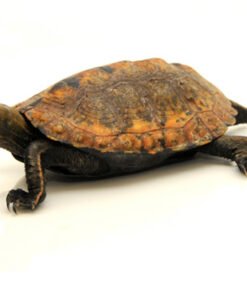
Albino Snapping Turtle for Sale


€499,99
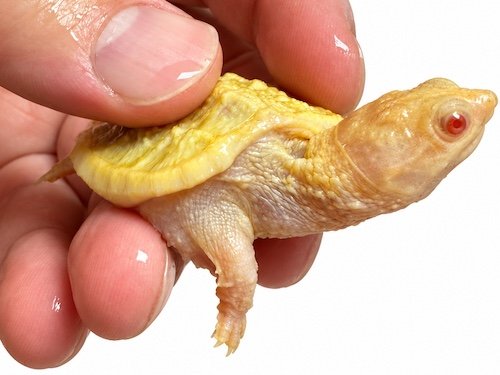
The Albino Snapping Turtle (Chelydra serpentina) is a striking freshwater turtle known for its pale cream or yellowish colouring, pink-toned skin and distinctive appearance.
This unusual colour morph retains the species’ powerful build, long tail and aquatic lifestyle. It requires a spacious enclosure, clean water, effective filtration, suitable lighting and a balanced diet.
Best suited to experienced reptile keepers, this turtle needs careful handling and long-term commitment. Learn about its habitat, diet and care requirements before purchasing.
Albino Snapping Turtle for Sale – A Rare and Remarkable Freshwater Turtle
Looking for an Albino Snapping Turtle for sale? The Albino Snapping Turtle is a striking colour morph of the Common Snapping Turtle (Chelydra serpentina), admired for its pale cream, yellowish or pink-toned skin, light-coloured shell and distinctive pink or reddish eyes.
Unlike the typically dark-coloured Common Snapping Turtle, this unusual morph has reduced melanin pigmentation, giving it a remarkable appearance. Native to North America, the Common Snapping Turtle is a powerful freshwater reptile known for its rugged shell, muscular limbs, long tail and distinctive head.
Albino individuals retain the characteristic physical features and natural behaviours of the species, including their aquatic lifestyle and specialised feeding habits. For experienced reptile enthusiasts, an Albino Snapping Turtle can be a fascinating animal to observe.
However, its unusual colouring should not overshadow the practical considerations of ownership. These turtles grow large, have powerful jaws and require a spacious aquatic enclosure, effective filtration, carefully controlled water conditions and an appropriate carnivorous diet.
If you are considering buying an Albino Snapping Turtle, understanding its adult size, environmental requirements, feeding habits and handling risks is essential before making a commitment.
Why Choose an Albino Snapping Turtle?
The Albino Snapping Turtle stands out because of its unusual pigmentation and the impressive characteristics of the Common Snapping Turtle.
- Distinctive pale colouring: Reduced melanin pigmentation produces a light-coloured appearance that may include cream, white, yellowish or pink tones.
- Pink or reddish eyes: Many albino individuals have conspicuously pink or red eyes, although the precise appearance varies.
- Prehistoric appearance: Its rugged shell, long tail and powerful head give it a distinctive silhouette.
- Interesting aquatic behaviour: It spends much of its time submerged, resting on the bottom and searching for food.
- Large adult size: Common Snapping Turtles can reach approximately 25–45 cm in shell length, with some individuals growing larger.
- Long-term commitment: With suitable care, these turtles can live for several decades.
The Albino Snapping Turtle is best suited to keepers who can accommodate a large, powerful aquatic reptile. It is not an ideal choice for someone seeking a small turtle that can be handled regularly.
Albino Snapping Turtle Appearance and Characteristics
The Albino Snapping Turtle is a colour morph rather than a separate turtle species. The animals commonly offered under this name belong to the Common Snapping Turtle, Chelydra serpentina, although sellers may also use similar names for other snapping turtle species or subspecies.
True albinism results from a genetic condition that substantially reduces or prevents the production of melanin. This can create pale skin and shell pigmentation alongside pink or reddish eyes. Not every unusually light-coloured snapping turtle is a true albino, so buyers should ask the seller for accurate identification and details of the animal’s genetic background where available.
The Common Snapping Turtle’s characteristic physical features include:
- A large head with strong jaws.
- A rough, ridged upper shell.
- A long tail with prominent ridges.
- Powerful limbs with strong claws.
- A relatively small lower shell compared with the upper shell.
Albino individuals retain these features despite their different colouring. Their reduced pigmentation can make them more sensitive to bright light, so suitable shaded areas are particularly important in captivity.
Natural Habitat and Behaviour
The Common Snapping Turtle is native to North America, where it inhabits a range of freshwater environments, including ponds, lakes, marshes, swamps and slow-moving rivers.
It often favours habitats with soft bottoms, submerged vegetation and places to rest underwater. The turtle can remain submerged for extended periods and may spend much of its time resting on the bottom while waiting for suitable feeding opportunities.
Common Snapping Turtles are opportunistic omnivores, consuming a range of animal and plant material. Their diet may include fish, aquatic invertebrates, amphibians, carrion and some aquatic vegetation.
Despite their formidable appearance, these turtles generally prefer to remain in the water and avoid unnecessary confrontation. On land, however, they can defend themselves vigorously if threatened.
An Albino Snapping Turtle retains these natural behaviours. Its pale colouring does not make it more suitable for frequent handling or reduce the need for a secure, carefully managed habitat.
Albino Snapping Turtle Size and Lifespan
Albino Snapping Turtles can grow as large as their normally pigmented counterparts. Common Snapping Turtles typically reach approximately 25–45 cm in shell length, although individual size varies and exceptionally large specimens may exceed this range.
Growth depends on genetics, sex, nutrition, age and environmental conditions. A hatchling may initially appear easy to accommodate, but its adult size must be considered before purchase.
These turtles can live for several decades under suitable conditions. Their long lifespan, substantial adult size and ongoing environmental requirements make them a serious long-term responsibility.
Before buying one, consider whether you have enough room for an adult enclosure, the resources to maintain high-quality water and access to a veterinarian experienced in aquatic reptiles.
Albino Snapping Turtle Care Guide
Albino Snapping Turtles require specialised aquatic care. Their enclosure should provide sufficient water volume, suitable temperatures, reliable filtration, appropriate lighting and secure resting areas.
Because albino animals may be more sensitive to bright light, their enclosure should also offer shaded retreats without compromising their overall environmental needs.
Aquarium and Enclosure Requirements
A spacious aquatic enclosure is essential. Although a hatchling may initially fit in a relatively small aquarium, a mature Common Snapping Turtle needs considerably more room.
A large adult may require a purpose-built tank or indoor pond with a water capacity of several hundred litres or more, depending on the turtle’s size, enclosure dimensions and filtration system. The final setup should allow the turtle to move naturally, rest comfortably and reach the surface to breathe.
A suitable enclosure should include:
- A large aquatic area with sufficient water volume.
- A secure, stable base capable of supporting the filled enclosure.
- A soft or smooth, turtle-safe bottom.
- Submerged resting areas and suitable hiding places.
- A reliable, high-capacity filtration system.
- Protected heating equipment where necessary.
- Appropriate lighting with shaded retreats.
- A secure cover or barrier to prevent escapes.
Avoid sharp decorations, narrow gaps and structures that could trap the turtle underwater. Any equipment must be positioned so that the animal cannot damage it or become entangled.
Snapping turtles are powerful animals, so the enclosure must be robust enough to withstand their movements as they grow.
Water Quality and Filtration
Maintaining clean water is one of the most important aspects of Common Snapping Turtle care. These turtles produce substantial waste, particularly when fed a protein-rich diet.
Use a filtration system suitable for the enclosure’s actual water volume and biological load. An appropriately sized external filter or pond filtration system may be useful for a large adult.
Good water management includes:
- Removing uneaten food and waste promptly.
- Performing regular partial water changes.
- Monitoring water quality with suitable test kits.
- Maintaining and cleaning the filter according to its manufacturer’s instructions.
- Ensuring that water temperature remains stable.
- Avoiding sudden changes in water chemistry.
Filtration does not eliminate the need for regular water changes. The maintenance schedule should reflect the enclosure size, feeding routine and amount of waste produced.
Water Temperature and Heating
Common Snapping Turtles require appropriate water temperatures to support normal activity, feeding and digestion.
A water temperature around 22–26°C is a useful starting reference for many captive Common Snapping Turtles, although the appropriate range depends on age, health and the individual setup.
Use a reliable aquarium thermometer to monitor the water consistently. If heating is required, select suitable equipment and protect it against damage from the turtle’s powerful movements.
Avoid sudden temperature fluctuations. Stable environmental conditions are especially important for captive turtles that are kept indoors throughout the year.
Lighting and Albino Sensitivity
Albino Snapping Turtles may be more sensitive to bright light because of their reduced pigmentation. Their enclosure should provide shaded areas and opportunities to retreat from direct illumination.
However, light sensitivity does not mean that all UVB lighting should automatically be excluded. UVB and visible lighting should be planned according to the turtle’s needs, enclosure design and advice from an experienced aquatic reptile professional.
Provide a consistent day-and-night cycle and ensure that the turtle can move between illuminated and shaded areas.
Avoid placing the enclosure in intense, unfiltered direct sunlight, particularly where the water could overheat. Any UVB lamp should be installed at an appropriate distance and used according to the manufacturer’s guidance.
Water Depth and Resting Areas
Common Snapping Turtles are aquatic animals that benefit from sufficient water to move naturally. Water depth should be appropriate for the turtle’s size and swimming ability.
Provide secure submerged resting areas where the turtle can pause without having to swim continuously. These should be arranged so that the animal can easily reach the surface to breathe.
Hatchlings and weaker individuals may require more carefully managed water depth and resting points than healthy adults.
Avoid decorations that create narrow spaces where the turtle could become trapped. Safety and easy access to the surface should take priority over decorative features.
Feeding an Albino Snapping Turtle
Common Snapping Turtles are opportunistic omnivores, although animal-based foods form an important part of their diet. A suitable captive diet should provide variety and appropriate nutrition for the turtle’s age and size.
Potential food items include:
- High-quality aquatic turtle pellets formulated for carnivorous or omnivorous turtles.
- Suitable fish from reliable, uncontaminated sources.
- Earthworms and appropriate aquatic invertebrates.
- Suitable crustaceans and other invertebrates.
- Other nutritionally appropriate prey recommended by an experienced reptile veterinarian.
- Limited suitable plant material as part of a varied diet.
Juveniles generally require more frequent feeding than adults. Portion size and feeding frequency should be adjusted according to growth, activity and body condition.
Avoid relying exclusively on one type of food or feeding excessive quantities. Overfeeding can contribute to poor body condition and water-quality problems.
Calcium and vitamin supplementation may be appropriate depending on the diet, but supplements should be used as part of a balanced nutritional plan.
Remove uneaten food promptly to prevent waste from accumulating in the water.
Handling and Safety
Albino Snapping Turtles are not suitable for frequent handling. Their powerful jaws, strong necks and defensive responses can cause serious injuries.
Even a small hatchling should not be treated as a harmless handling pet. As the turtle grows, its strength and bite potential increase considerably.
For safe management:
- Avoid unnecessary handling.
- Never place your hands near the turtle’s mouth when feeding or moving it.
- Do not attempt to restrain the head or hold the turtle by its tail.
- Use appropriate equipment and seek experienced assistance when moving a large individual.
- Keep children and inexperienced handlers away from direct contact.
- Wash your hands after handling the turtle or cleaning its enclosure.
Like other reptiles, snapping turtles can carry Salmonella bacteria even when they appear healthy.
Observe the turtle regularly for changes in appetite, breathing, swimming, movement or shell condition. Persistent abnormalities should be assessed by a qualified reptile veterinarian.
Is the Albino Snapping Turtle Suitable for Beginners?
The Albino Snapping Turtle is generally better suited to experienced reptile keepers who can provide a large aquatic enclosure and manage the risks associated with a powerful animal.
Its adult size, strong bite, specialised feeding requirements and substantial filtration needs make it more demanding than many commonly kept freshwater turtles.
The albino colour morph may also require additional attention to light exposure and shaded areas. Prospective owners should be prepared to maintain the enclosure consistently and arrange appropriate veterinary care when necessary.
If you are a first-time turtle keeper, carefully consider whether you can accommodate these requirements before purchasing one.
Buying an Albino Snapping Turtle Responsibly
When searching for an Albino Snapping Turtle for sale, choose a reputable seller who can provide reliable information about the animal’s species, origin, health and feeding history.
Before completing your purchase, consider the following:
- Species identification: Confirm whether the animal is a Common Snapping Turtle (Chelydra serpentina) or another snapping turtle species.
- Colour morph: Ask whether the animal is a confirmed albino or another light-coloured morph.
- Captive-bred status: Request reliable information about its origin and breeding history.
- Health condition: Look for normal breathing, clear eyes, appropriate movement and a shell without obvious damage.
- Feeding history: Ask which foods the turtle accepts and whether it feeds consistently.
- Age and size: Request its approximate age and current shell length.
- Husbandry history: Ask about water temperature, filtration, lighting and previous housing.
- Transport arrangements: Confirm that the transport method is appropriate for a live aquatic reptile and complies with applicable regulations.
- Legal documentation: Ensure that the animal can be kept, sold and transported lawfully in your location.
The price, availability, age, sex and captive-bred status of individual turtles should be confirmed directly with the seller.
Legal and Conservation Considerations
Snapping turtle ownership and trade are subject to different rules depending on the country, state or region. Some jurisdictions restrict ownership, importation, sale or release of particular snapping turtle species.
Before purchasing an Albino Snapping Turtle, check the regulations that apply to your location. If importing from another country, confirm the applicable wildlife-trade and import requirements before arranging shipment.
Choose a legally sourced animal and request documentation establishing its origin. Never release a captive snapping turtle into the wild, as this can expose the animal to unsuitable conditions and create risks for local ecosystems.
Frequently Asked Questions
What is an Albino Snapping Turtle?
An Albino Snapping Turtle is a snapping turtle with a genetic pigmentation condition that reduces melanin production. Animals sold under this name commonly belong to the Common Snapping Turtle species, Chelydra serpentina.
How big does an Albino Snapping Turtle get?
It can reach the same size as a normally pigmented Common Snapping Turtle. Adults commonly measure approximately 25–45 cm in shell length, although some grow larger.
What does an Albino Snapping Turtle eat?
It is an opportunistic omnivore that consumes suitable fish, aquatic invertebrates, worms, turtle pellets and some plant material. A varied, nutritionally appropriate diet is essential.
Does an Albino Snapping Turtle need a large aquarium?
Yes. A mature turtle requires a spacious aquatic enclosure with a substantial water volume, effective filtration, suitable temperatures and safe resting areas.
Are Albino Snapping Turtles aggressive?
They can respond defensively when threatened, and their powerful jaws can cause serious injuries. They should be observed rather than handled unnecessarily.
Are Albino Snapping Turtles sensitive to light?
Albino animals may be more sensitive to bright light than normally pigmented turtles. Providing shaded retreats and carefully planned lighting helps accommodate this sensitivity.
How long does an Albino Snapping Turtle live?
Its lifespan is broadly comparable to that of a normally pigmented Common Snapping Turtle. These animals can live for several decades under suitable care.
Is an Albino Snapping Turtle suitable for beginners?
It is generally not recommended for inexperienced keepers because of its adult size, powerful bite, specialised housing requirements and long-term care needs.
Can an Albino Snapping Turtle live with other turtles?
Cohabitation carries risks, including aggression, competition and serious injury. Individual housing is generally the safer choice unless a suitable arrangement has been carefully assessed by an experienced professional.
Can an Albino Snapping Turtle live outdoors?
Outdoor housing may be suitable in an appropriate climate if the enclosure is secure and provides suitable water conditions, shade and protection from predators. Water temperature and exposure to intense sunlight must be carefully managed.
Find Your Albino Snapping Turtle
The Albino Snapping Turtle is an unusual and visually striking colour morph of the Common Snapping Turtle. Its pale pigmentation, powerful build and fascinating aquatic behaviour make it an interesting animal for experienced reptile enthusiasts.
If you are looking for an Albino Snapping Turtle for sale, research its care requirements carefully, prepare a suitable aquatic enclosure and choose a reputable seller who can establish its identity and legal origin.
Responsible ownership begins with understanding the turtle’s adult size, providing appropriate water conditions and nutrition, and recognising the safety precautions required for a powerful snapping turtle.
| Choose | cb Hatchling |
|---|---|
| Options | No Pref, Male, Female |
Be the first to review “Albino Snapping Turtle for Sale”
Related products
Turtles for Sale
Turtles for Sale
Turtles for Sale
Turtles for Sale
Turtles for Sale
Turtles for Sale
Turtles for Sale
Turtles for Sale
Reviews
There are no reviews yet.