

(no title)
Price range: €54,99 through €79,99
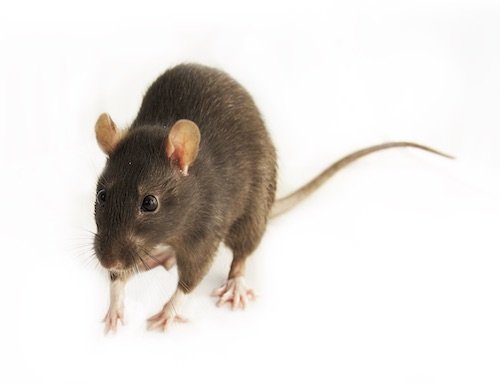
Feeder Mice for Sale provide a convenient whole-prey food option for snakes and other carnivorous reptiles that naturally consume rodents.
Available in different sizes, from pinkies to adults, feeder mice supply protein, fat, minerals and other nutrients as part of an appropriate diet.
Choose the right prey size for your animal and check available live or frozen options, pack quantities and storage instructions before ordering.
Feeder Mice for Sale – Quality Feeder Mice for Snakes and Reptiles
Explore our Feeder Mice for Sale for a convenient whole-prey feeding option for snakes and other carnivorous animals that naturally consume rodents. Feeder mice provide a combination of protein, fat, minerals and other nutrients that contribute to the dietary requirements of suitable reptiles.
Whether you keep a young corn snake, a ball python or another rodent-eating species, selecting the correct feeder mouse size is essential for responsible feeding. From tiny pinkies to fully grown adult mice, different developmental stages offer options for predators with different feeding requirements.
Our feeder mice are intended for animals whose natural diets include small mammals. Review the available sizes, product formats and pack quantities to find a suitable option for your animal’s established feeding routine.
Feeder Mice for Reptile Feeding
Feeder mice are commonly used as whole-prey food for many snakes and certain other carnivorous reptiles. Unlike diets consisting of isolated meat, whole-prey feeding provides a combination of muscle, organs, bones, skin and other tissues.
These components contribute different nutrients, making appropriately selected whole prey a useful food source for animals adapted to consuming small mammals. However, nutritional composition varies according to the mouse’s age, size, condition and diet.
Choosing suitable feeder mice can help keep feeding routines consistent while providing prey appropriate for the predator’s size and nutritional needs. Always follow species-specific feeding guidance and monitor your animal’s body condition.
Feeder Mouse Product Features
- Product type: Feeder mice for suitable carnivorous animals.
- Species: Domestic mouse (Mus musculus), subject to supplier confirmation.
- Intended use: Whole-prey feeding for appropriate snakes and other rodent-eating predators.
- Available sizes: May include pinkies, fuzzies, hoppers, weanlings and adult mice, depending on stock.
- Product format: Live or frozen options, if offered.
- Pack quantities: Check the current product listing for available options.
- Selection: Choose according to the predator’s size, health and feeding requirements.
Please confirm the available sizes, product format, quantities and storage instructions before ordering.
Why Choose Feeder Mice?
Whole-Prey Nutrition
Whole mice contain a combination of muscle, organs, bones and fat. For animals adapted to eating small mammals, these components can contribute to an appropriate feeding programme.
The nutritional composition differs between developmental stages, so it is important to select prey that meets the individual animal’s requirements.
Options for Different Feeding Stages
Feeder mice are commonly classified according to their developmental stage and approximate size. This helps keepers select prey for hatchling snakes, growing juveniles and adult predators.
Smaller mice may suit certain young snakes, while larger mice may be appropriate for some mature animals. The correct choice depends on the predator rather than age alone.
Convenient Feeding Options
Depending on availability, feeder mice may be purchased live or frozen. Frozen-thawed mice can be stored for later use when kept under appropriate conditions, helping keepers organise feeding schedules and maintain a consistent supply.
Suitable for Many Rodent-Eating Snakes
Many commonly kept snakes, including ball pythons, corn snakes and kingsnakes, may accept mice as part of their normal diet. However, prey preferences and feeding requirements vary between species and individuals.
Always confirm that mice are an appropriate food source for your particular animal.
Which Animals Can Eat Feeder Mice?
Feeder mice are primarily intended for animals whose natural diets include rodents. Their suitability depends on the species, individual feeding requirements and the size of the prey.
Ball Pythons
Ball pythons commonly consume rodents in captivity. The appropriate mouse size depends on the snake’s body condition, feeding history and overall husbandry.
Some individuals may prefer particular prey sizes or require a carefully managed transition between prey types.
Corn Snakes
Corn snakes commonly accept mice as prey. Smaller snakes generally require smaller prey items, while larger individuals may be able to consume larger mice.
Choose a feeder that falls within the recommended size range for your snake.
Kingsnakes
Many kingsnake species consume mice, although dietary preferences vary. Check the specific requirements of your kingsnake before introducing or changing its prey.
Other Rodent-Eating Snakes
Certain rat snakes, milk snakes and other rodent-eating species may also consume feeder mice. Suitability depends on the species and the individual animal’s established diet.
Other Carnivorous Animals
Some other carnivorous reptiles and specialist animals may consume whole mice as part of an appropriate diet. However, rodents are not suitable for every carnivore, and some species require different prey or specialised nutritional management.
Consult a reliable species-specific care guide or a qualified exotic-animal veterinarian if you are unsure whether feeder mice are appropriate.
Understanding Feeder Mouse Sizes
Selecting the right feeder mouse size is one of the most important aspects of responsible feeding. Commercial size categories describe different developmental stages, although exact weights and dimensions vary between suppliers.
Pinky Mice
Pinky mice are very young mice that have not yet developed a full coat of fur. They are among the smallest feeder mice and may suit certain hatchling snakes and other small predators whose diets include rodents.
Their small size does not make them appropriate for every young reptile. Always check the feeding requirements of the intended animal.
Fuzzy Mice
Fuzzy mice have begun developing a coat of fur and are larger than pinkies. They may suit some growing snakes and other predators that can safely consume prey of this size.
Hopper Mice
Hopper mice are more developed and generally larger than fuzzies. They may be suitable for certain juvenile snakes and smaller predators, depending on their feeding requirements.
Weanling Mice
Weanling mice have reached a more developed stage and are generally larger than hoppers. They may suit some growing or smaller adult predators that require a larger prey item.
Adult Feeder Mice
Adult mice are fully developed and may be suitable for certain larger snakes and other rodent-eating animals. Their suitability depends on the predator’s size and ability to consume whole prey safely.
How to Choose the Correct Size
Before selecting a feeder mouse, consider:
- The predator’s current size and body condition.
- The recommended prey size for its species.
- The actual weight and dimensions of the available mouse.
- The animal’s previous feeding history.
- Any specific dietary or veterinary recommendations.
Where possible, compare actual mouse weights rather than relying solely on labels such as pinky, fuzzy or adult. Size categories are not standardised across every supplier.
Avoid offering oversized prey to encourage faster growth. An unsuitable prey item can cause feeding difficulties and other complications.
Nutritional Value of Feeder Mice
Feeder mice provide whole-prey nutrition for animals adapted to consuming small mammals. Their nutritional composition includes several important components.
Protein
Protein supplies amino acids needed for tissue maintenance, growth and normal biological functions. The amount provided varies according to the mouse’s developmental stage and body composition.
Fat and Energy
Fat provides a concentrated source of energy. Different mouse sizes and developmental stages can have different fat contents, which may influence their suitability for particular animals.
Calcium and Phosphorus
Bones and other tissues contribute minerals, including calcium and phosphorus. These nutrients play important roles in skeletal development and other physiological processes.
Vitamins and Other Nutrients
Whole-prey animals contain a range of naturally occurring nutrients. However, their precise nutritional composition depends on factors such as age, diet and condition.
A suitable whole-prey diet can meet many nutritional requirements for rodent-eating snakes, but this should not be generalised to every reptile. Some animals require different prey types or specialised dietary management.
Live Feeder Mice or Frozen-Thawed Mice?
Depending on the supplier, feeder mice may be available live or frozen. Each format has different handling and feeding considerations.
Live Feeder Mice
Live mice may be accepted by some predators that are reluctant to take other prey formats. However, live rodents can bite or scratch reptiles, potentially causing serious injuries.
Live feeding should not be assumed to be safer or more nutritious than frozen-thawed feeding. Where appropriate, frozen-thawed prey is generally preferable because it avoids the risk of injury from a live rodent.
Never leave a live mouse unattended with a snake or another predator.
Frozen-Thawed Feeder Mice
Frozen-thawed mice are a convenient option for many keepers. They can be stored in a suitable freezer and prepared when needed, provided the product is handled and stored correctly.
Frozen-thawed prey avoids the direct injury risk associated with live rodents and can make feeding routines easier to manage.
Always check that the product has been stored appropriately and remains suitable for feeding.
How to Store Feeder Mice
Storage requirements depend on whether the product is supplied live or frozen.
Storing Frozen Feeder Mice
Keep frozen mice in a suitable freezer according to the supplier’s instructions. Maintain the required frozen storage conditions and avoid repeated thawing and refreezing.
Store feeder rodents separately from human food and use dedicated handling equipment. Follow any instructions provided on the product packaging.
Preparing Frozen-Thawed Feeder Mice
Follow these general preparation steps:
- Remove the required feeder from the freezer.
- Thaw it using an appropriate method recommended by the supplier.
- Ensure it is completely thawed before offering it to the animal.
- Bring it to a suitable feeding temperature using a safe method, if required.
- Use feeding tongs where appropriate to present the prey.
- Discard uneaten prey and any item that has been mishandled or is no longer safe to use.
Do not microwave feeder mice, as uneven heating can create hot spots. Do not refreeze thawed prey unless the supplier specifically confirms that doing so is safe.
Keep feeder rodents away from food preparation surfaces and wash your hands thoroughly after handling them. Raw animal products can carry pathogens, including Salmonella.
Handling Live Feeder Mice
If purchasing live mice, provide suitable temporary housing, access to food and water, appropriate environmental conditions and humane care.
Keep live feeder mice securely contained and separate from the intended predator until feeding. Avoid overcrowding and unnecessary stress.
Responsible Feeding Practices
Feeding practices should reflect the natural diet and nutritional requirements of the animal being cared for.
Before feeding, check the prey size and ensure that the mouse is suitable for the predator. Monitor feeding behaviour and avoid offering prey that is excessively large or otherwise inappropriate.
When using frozen-thawed prey, ensure that it is fully thawed and prepared appropriately. Use suitable feeding tools to reduce the risk of accidental bites, and wash your hands thoroughly after handling feeder rodents.
If a snake refuses a meal, avoid repeatedly offering prey without considering the possible cause. Temperature, stress, shedding, seasonal behaviour and health conditions can all influence appetite.
If your reptile repeatedly refuses food, loses weight or shows signs of illness, consult a qualified exotic-animal veterinarian.
Feeding frequency should be based on the species, age, body condition and individual requirements. Avoid assuming that all snakes should be fed on the same schedule.
Ordering Feeder Mice Online
Before placing an order, review the available product options and confirm the following:
- The mouse size and developmental stage.
- The actual weight range, where provided.
- Whether the mice are live or frozen.
- The number of mice included in each pack.
- Current availability and dispatch arrangements.
- Recommended storage and handling instructions.
- Shipping eligibility for your destination.
- Any applicable delivery or product-quality guarantee.
If ordering frozen mice, ensure your delivery arrangements allow the product to remain within the required temperature range. If ordering live mice, confirm that suitable transport and receipt arrangements are available.
International buyers should check applicable import, animal-health and transport requirements before ordering. Live rodents and animal-feed products may be subject to destination-specific restrictions.
Do not assume that every size, pack quantity or shipping option is available unless it is confirmed by the supplier’s current product information.
Frequently Asked Questions
What are feeder mice?
Feeder mice are mice supplied as food for animals that naturally consume rodents. They are commonly used in the feeding programmes of many rodent-eating snakes and certain other carnivorous animals.
Which snakes eat feeder mice?
Many commonly kept snakes, including ball pythons, corn snakes and kingsnakes, may eat mice. Suitability depends on the species, individual feeding preferences and nutritional requirements.
What size feeder mouse should I choose?
Select a mouse size appropriate for your reptile’s body size, condition and species-specific feeding recommendations. Where possible, compare the actual weight of the mouse rather than relying only on general size labels.
What is the difference between pinky, fuzzy and hopper mice?
These names describe different developmental stages. Pinkies are very young and generally hairless, fuzzies have started developing fur, and hoppers are more developed and larger. Exact size ranges vary between suppliers.
Are frozen feeder mice suitable for snakes?
Frozen-thawed mice are commonly used for many rodent-eating snakes. They should be stored correctly and completely thawed before feeding, following the supplier’s preparation instructions.
Are live feeder mice safe for reptiles?
Live mice can bite or scratch reptiles, potentially causing serious injury. Where appropriate, frozen-thawed prey is generally preferable because it avoids this direct injury risk.
How should frozen feeder mice be stored?
Keep them frozen according to the supplier’s instructions and separate from human food. Avoid repeated thawing and refreezing, and follow appropriate hygiene practices when handling them.
Can feeder mice be fed to every reptile?
No. Many reptiles do not naturally eat rodents. Only offer feeder mice to animals for which rodents are an appropriate food source.
How often should I feed my snake?
Feeding frequency depends on the species, age, size, body condition and individual needs. Follow species-specific husbandry guidance rather than applying a single schedule to every snake.
Do feeder mice arrive frozen or alive?
This depends on the product option and supplier. Check the current listing and shipping policy to confirm the format, availability and applicable delivery terms.
Buy Feeder Mice for Your Reptile Feeding Programme
Explore our Feeder Mice for Sale for a whole-prey food option intended for suitable rodent-eating snakes and other carnivorous animals. From small pinkies to larger adult mice, selecting the correct size is essential for responsible feeding.
Review the available product formats, sizes and pack quantities before ordering. With suitable prey selection, correct storage and careful preparation, feeder mice can form part of an appropriate feeding routine for animals whose natural diets include rodents.
| Choose | 50 Frozen Pinkies, 100 Frozen Pinkies, 50 Frozen Fuzzies, 100 Frozen Fuzzies, 25 Small Mice, 25 Medium Mice, 25 Large Mice, 10 Small Rats, 10 Medium Rats, 10 Large Rats, 5 Jumbo Rats |
|---|
Be the first to review “(no title)”
Related products
Feeder Insects for Sale
Feeder Insects for Sale
Feeder Lizards for Sale
Feeder Insects for Sale
Feeder Insects for Sale
Feeder Insects for Sale
Feeder Insects for Sale
Feeder Insects for Sale
Reviews
There are no reviews yet.