

Mealworms for Sale
Price range: €34,99 through €54,99
Mealworms for Sale offer a convenient live feeder option for suitable reptiles, amphibians, birds and other insect-eating animals.
These larvae of the darkling beetle (Tenebrio molitor) provide protein, fat and moisture, making them a popular choice for leopard geckos, bearded dragons and other insectivores.
Easy to store and handle, mealworms can add variety to a feeding routine when offered in appropriate sizes alongside a balanced, species-specific diet.
Calcium supplementation may be necessary for reptiles.
Mealworms for Sale – Live Feeder Worms for Reptiles and Amphibians
Discover our Mealworms for Sale, a popular and convenient live feeder option for reptile and amphibian keepers, bird enthusiasts and other insectivorous animal owners. These versatile feeder larvae are valued for their manageable size, easy storage and suitability for a wide range of animals that naturally consume insects.
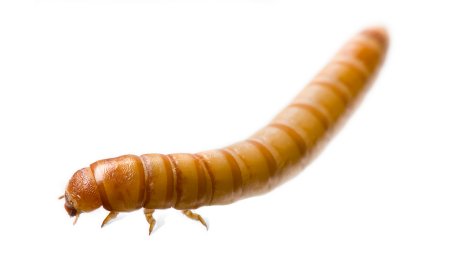
Mealworms are the larval stage of the darkling beetle, scientifically known as Tenebrio molitor. Their elongated, segmented bodies and yellowish-brown colouring make them easy to recognise, while their relatively simple care requirements make them a practical choice for keeping a supply of live food available.
Commonly used to feed suitable leopard geckos, bearded dragons, skinks, frogs, toads, turtles and insect-eating birds, mealworms can contribute to a varied feeding programme when selected and offered appropriately. They provide protein, fat and other nutrients, although their relatively low calcium content means that dietary balance and supplementation are important for many reptiles.
Whether you are looking for everyday feeder insects for a suitable animal, an alternative to crickets or a convenient live food option for your collection, mealworms offer versatility and straightforward handling. Choose an appropriate size, maintain suitable storage conditions and follow a feeding routine tailored to your animal’s nutritional requirements.
What Are Mealworms?
Mealworms are the larvae of the darkling beetle Tenebrio molitor, a species commonly reared for animal feed and other purposes. Despite their name, mealworms are insects rather than true worms.
They have elongated, segmented bodies, three pairs of small legs near the head and a yellowish-brown appearance. Their size varies according to age, rearing conditions and the product supplied.
In nature, mealworm beetles and their larvae are associated with grain stores and other environments where suitable food is available. Commercially reared mealworms are generally maintained on grain-based diets and supplied as live feeder insects.
Mealworms progress through several life stages: egg, larva, pupa and adult beetle. The larval stage is the form commonly sold for feeding insectivorous animals.
Their availability, manageable size and relatively straightforward storage make mealworms a familiar choice for reptile keepers and other animal enthusiasts.
Mealworm Product Features
- Common name: Mealworms or yellow mealworms.
- Scientific name: Tenebrio molitor.
- Product type: Live feeder larvae, subject to the current listing.
- Appearance: Segmented, yellowish-brown larvae with darker markings.
- Size: Varies with age, developmental stage and product specifications.
- Nutritional characteristics: A source of protein, fat and moisture.
- Intended use: Live food for suitable insectivorous and omnivorous animals.
- Suitable animal groups: Certain reptiles, amphibians, birds, fish and other insect-eating animals.
- Storage: Requires appropriate temperature, dry bedding, ventilation and suitable food.
- Available quantities: Check the current product listing for pack sizes and stock.
Exact sizes, quantities and packaging may vary. Always confirm the specifications and care instructions of the individual product before ordering.
Why Choose Mealworms?
A Versatile Live Feeder
Mealworms are used by keepers of many insectivorous animals because they can be suitable for a variety of feeding programmes. Depending on the animal’s size and dietary requirements, they may be offered as one component of a varied diet.
Their versatility makes them a practical option for keepers who want an alternative to crickets, suitable roaches and other feeder insects.
Easy to Store and Handle
Mealworms can be maintained in a suitable container with dry grain-based bedding and appropriate ventilation. Their relatively limited movement compared with crickets can make them easier to handle and dispense.
Storage conditions must still be appropriate for the product. Temperature, moisture, hygiene and the larvae’s developmental stage can all affect their condition.
A Source of Protein
Mealworms provide protein, which supplies amino acids needed for growth, tissue maintenance and normal biological functions.
Their nutritional composition varies with their diet and rearing conditions. They should be included in a suitable feeding programme rather than treated as a complete food source for every animal.
Useful for Feeding Variety
Different feeder insects have different nutritional profiles. Mealworms can complement suitable alternatives such as crickets, roaches and silkworms, helping keepers vary the foods offered where appropriate.
A varied feeding programme should always be based on the animal’s natural diet, life stage and nutritional needs.
Suitable for Certain Small and Medium-Sized Animals
Mealworms are available in different sizes depending on the product and developmental stage. Smaller larvae may suit certain smaller insectivores, while larger larvae can be appropriate for animals capable of consuming them safely.
Always select prey according to the animal’s size and feeding ability.
Which Animals Can Eat Mealworms?
Mealworms can be suitable for a variety of animals that naturally consume insects. However, suitability depends on the species, the animal’s size, its nutritional requirements and the size of the larvae.
Leopard Geckos
Leopard geckos are insectivorous reptiles that may readily accept mealworms. They can be included in a suitable feeding rotation when the larvae are appropriately sized.
Mealworms should not automatically be the sole food source. Follow a species-appropriate feeding programme and provide suitable calcium and vitamin supplementation according to the gecko’s age, diet and husbandry requirements.
Bearded Dragons
Bearded dragons consume a range of insects and plant foods, with dietary requirements changing according to age and other factors.
Mealworms may be offered to suitable individuals as part of a varied diet. They should not replace the appropriate balance of staple feeders, plant foods and supplementation required for the animal.
Crested Geckos
Crested geckos generally require a nutritionally complete, species-appropriate formulated diet. Some individuals may also consume suitable insects as supplementary food.
Mealworms should not replace a complete formulated diet. Confirm that supplementary insects are appropriate for your gecko and follow the recommended feeding guidance.
Skinks
Certain insectivorous and omnivorous skinks consume mealworms and other invertebrates. Their suitability depends on the species and the size of the larvae.
Choose appropriately sized prey and follow the feeding recommendations for your particular skink.
Chameleons
Some chameleon species consume mealworms, although they may not be suitable for every species or individual.
Choose a size that the animal can capture and swallow safely, and offer mealworms as part of a feeding programme that includes other appropriate prey.
Frogs and Toads
Certain frogs and toads consume insect larvae and may accept appropriately sized mealworms.
Many amphibians are too small to consume larger larvae safely. Check the species’ natural diet and feeding anatomy before offering mealworms, and remove uneaten prey when necessary.
Turtles
Some turtles consume insects as part of their diet, depending on the species and life stage. Mealworms may be suitable for certain insect-eating or omnivorous turtles.
They are not appropriate for every turtle species and should not replace the animal’s required aquatic, plant-based or other species-specific foods.
Insect-Eating Birds
Mealworms are commonly used to feed certain insectivorous birds. They may be suitable for selected captive birds and other birds whose diets include insects.
Confirm the bird’s nutritional requirements before feeding and avoid relying on mealworms alone where a more complete diet is needed.
Fish
Certain fish consume insects and insect larvae. Mealworms may be accepted by some species, but they are not suitable for every fish.
Consider the fish’s natural feeding behaviour, mouth size and nutritional requirements. Remove uneaten food promptly to avoid compromising water quality.
Other Insectivorous Animals
Certain predatory invertebrates and other insect-eating animals may consume mealworms. However, the larvae can be too large or unsuitable for some small predators.
Always verify suitability for the individual species before feeding.
Understanding the Nutritional Value of Mealworms
Mealworms contain protein, fat, moisture and other naturally occurring nutrients. Their precise nutritional composition varies according to their diet, developmental stage and rearing conditions.
Although mealworms can contribute useful nutrients to an animal’s feeding programme, their relatively low calcium content and firm outer covering are important considerations when selecting them as feeders.
Protein
Protein supplies amino acids needed for growth, tissue maintenance and normal biological processes.
Mealworms can contribute protein to the diets of suitable insectivores, but their protein content alone does not determine whether they are appropriate as a staple feeder.
Fat and Energy
Mealworms contain fat, which contributes to their energy value. The amount varies with their nutritional condition and rearing methods.
Offer them in quantities suited to the animal’s overall diet, activity and body condition. Excessive reliance on any single feeder can contribute to nutritional imbalance.
Moisture
Mealworms contain moisture, but they should not be considered a replacement for drinking water or appropriate environmental humidity.
Provide the water and habitat conditions required by the animal being fed.
Calcium and Phosphorus
Mealworms are naturally low in calcium relative to phosphorus. This is particularly important for reptiles that require adequate calcium for normal bone development and other physiological functions.
Many insectivorous reptiles need an appropriate calcium and vitamin supplementation programme. Follow species-specific husbandry guidance rather than assuming mealworms alone provide a balanced mineral profile.
Gut-Loading
Gut-loading involves feeding suitable nutrients to feeder insects before they are offered to the animal. Properly managed gut-loading can improve the nutritional quality of the feeders.
Use an appropriate diet for the larvae and follow the recommended supplementation practices for the animal. Gut-loading does not make mealworms a complete food on their own.
How to Choose the Right Mealworm Size
Selecting an appropriate size is important for safe feeding. Mealworms vary in length and thickness according to their developmental stage and growing conditions.
Small Mealworms
Smaller larvae may suit certain smaller insectivores when they can be swallowed safely.
However, not every small reptile or amphibian can consume mealworms. Hatchlings and very young animals may need smaller or softer prey, depending on the species.
Standard Mealworms
Standard mealworms are commonly used for suitable small and medium-sized insectivores.
Choose larvae according to the animal’s mouth size, feeding behaviour and dietary requirements rather than relying on a general size category alone.
Larger Mealworms
Larger larvae may be suitable for animals that can comfortably capture and consume them. If you need a product specifically intended to provide enlarged larvae, check whether giant mealworms are available separately.
Do not confuse giant mealworms with superworms, which are larvae of a different beetle species.
Selecting the Right Quantity
Before ordering, consider:
- The species and size of your animal.
- The number of animals you need to feed.
- How frequently mealworms will be offered.
- The size and quantity supplied in each pack.
- The storage conditions available to you.
- Whether other feeder insects would better meet your animal’s needs.
Choose a pack size that suits your feeding schedule and allows the larvae to be used while they remain in good condition.
How to Store Live Mealworms
Appropriate storage helps maintain mealworm condition and reduces unnecessary losses. Always follow the supplier’s instructions, as the recommended temperature and storage duration can vary between products.
Use a Suitable Container
Keep mealworms in a secure container with suitable ventilation. Smooth-sided containers can help prevent larvae from escaping.
Avoid overcrowding and inspect the container regularly for deteriorating larvae, contaminated bedding or excess moisture.
Provide Dry Bedding
Mealworms are commonly kept in a dry grain-based substrate such as wheat bran or oats. This bedding can provide both shelter and a food source.
Use clean materials that are free from pesticides, chemicals and other contaminants.
Follow the Recommended Temperature
Some mealworm products can be kept under cooler conditions to slow their development, while others are intended for storage at a different temperature.
Do not assume refrigeration is appropriate for every product. Follow the supplier’s temperature guidance to avoid harming the larvae.
Provide Suitable Moisture Sources
Mealworms need access to appropriate moisture. Where recommended, small pieces of suitable vegetables can provide moisture without wetting the entire bedding.
Remove uneaten fresh food before it spoils or develops mould. Excessive moisture can create unhealthy conditions and increase the risk of contamination.
Remove Dead or Deteriorating Larvae
Inspect the container regularly and remove dead or deteriorating individuals. Replace contaminated bedding as necessary and maintain appropriate ventilation.
Monitor the Life Cycle
Mealworms naturally develop through larval, pupal and adult beetle stages. If kept under conditions that allow their life cycle to continue, they may eventually pupate and become beetles.
If you want to maintain the larvae for feeding, follow the supplier’s storage recommendations and use them within the recommended period.
How to Feed Mealworms to Your Animals
Mealworms should be offered according to the animal’s species, size and nutritional needs.
- Confirm that mealworms are appropriate for the animal.
- Choose larvae that can be swallowed safely.
- Inspect the larvae and avoid feeding any that are dead, contaminated or deteriorating.
- Offer an appropriate quantity as part of a varied feeding programme.
- Follow the animal’s recommended calcium and vitamin supplementation guidance.
- Remove uneaten prey where necessary to maintain enclosure hygiene.
Mealworms have a relatively firm outer covering, so consider this when feeding very young animals or species that may have difficulty digesting certain prey. Oversized larvae should be avoided.
If an animal persistently refuses food, loses weight or shows other signs of illness, consult a qualified exotic-animal veterinarian instead of attempting to resolve the problem by changing feeder insects alone.
Mealworms Compared with Other Feeder Insects
Different feeder insects offer different nutritional characteristics, sizes and care requirements. Understanding these differences helps you choose appropriate food for your animal.
Mealworms
Mealworms are larvae of Tenebrio molitor. They are relatively easy to store and can be suitable for a range of insectivorous animals when offered in appropriate sizes.
Their relatively low calcium content means that dietary variety and appropriate supplementation are important for many reptiles.
Giant Mealworms
Giant mealworms are enlarged larvae of Tenebrio molitor. Commercial production methods may delay pupation to maintain the larger larval stage.
They are different from superworms and should be selected according to the animal’s size and feeding needs.
Superworms
Superworms are the larvae of Zophobas morio, a different beetle species. They generally grow larger than ordinary mealworms and have different care requirements.
Crickets
Crickets are widely used for feeding insectivorous reptiles and amphibians. Their active movement may stimulate hunting behaviour, and they offer a different nutritional profile from mealworms.
Roaches
Suitable feeder roaches are another option for many insectivorous reptiles. Depending on the species, they can form part of a varied feeding programme.
Silkworms
Silkworms have soft bodies and a relatively high moisture content. Their nutritional characteristics differ from those of mealworms, making them an alternative for suitable insectivores.
Why Feeder Variety Matters
No single feeder insect is ideal for every animal or every feeding situation. A suitable feeding programme should consider prey size, nutritional balance, supplementation, species-specific needs and the animal’s body condition.
Mealworms can contribute variety, but they should not automatically become the only food offered.
Ordering Mealworms Online
Before purchasing, review the product listing and confirm:
- The species supplied, ideally identified as Tenebrio molitor.
- The approximate size range of the larvae.
- The quantity included in the pack.
- The packaging and bedding supplied.
- Recommended storage temperature and care instructions.
- Current availability and dispatch arrangements.
- Shipping eligibility for your destination.
- Any applicable live-arrival policy or product guarantee.
Live feeder insects require appropriate packaging and transport conditions. Prepare a suitable holding container before the order arrives and ensure that the larvae can be stored correctly.
For international orders, check applicable regulations on the import and transport of live insects. Do not assume that every supplier ships live feeders to every destination.
Only rely on delivery times, product quantities and live-arrival guarantees explicitly confirmed by the supplier.
Frequently Asked Questions
What are mealworms?
Mealworms are the larval stage of the darkling beetle Tenebrio molitor. They are commonly sold as live food for suitable reptiles, amphibians, birds, fish and other insect-eating animals.
Are mealworms suitable for reptiles?
Mealworms can be suitable for many insectivorous reptiles, provided the larvae are an appropriate size and are offered as part of a suitable feeding programme.
Can leopard geckos eat mealworms?
Yes, leopard geckos can eat appropriately sized mealworms. Follow a varied feeding programme and provide suitable supplementation according to the gecko’s requirements.
Can bearded dragons eat mealworms?
Bearded dragons may eat mealworms as part of an appropriate feeding routine. They should not replace the required balance of staple feeders, plant foods and supplementation.
Are mealworms high in protein?
Mealworms provide protein, fat and other nutrients. Their precise nutritional composition varies according to their diet and rearing conditions.
Do mealworms need calcium supplementation?
Mealworms are naturally low in calcium relative to phosphorus. Many insectivorous reptiles need an appropriate calcium and vitamin supplementation programme, depending on their age, diet and husbandry.
How should mealworms be stored?
Keep mealworms in a suitable container with dry bedding and appropriate ventilation. Follow the supplier’s temperature instructions, manage moisture carefully and remove deteriorating larvae.
Can mealworms turn into beetles?
Yes. Mealworms naturally progress through the pupal stage and develop into adult darkling beetles when conditions allow.
Are mealworms suitable for baby reptiles?
Suitability depends on the species and the size of the larvae. Smaller animals may require smaller or softer prey, so always choose a size that can be swallowed safely.
Can mealworms be the only food for my pet?
Mealworms should not automatically be used as the sole food source. Most insectivorous animals need a species-appropriate feeding programme, and many reptiles require dietary variety and supplementation.
Are mealworms and superworms the same?
No. Mealworms are the larvae of Tenebrio molitor, while superworms are the larvae of Zophobas morio. They are different species with different care requirements.
How many mealworms should I feed my pet?
The appropriate quantity depends on the animal’s species, size, age, body condition and overall diet. Follow species-specific feeding guidance rather than using a universal quantity.
Buy Mealworms for Sale
Explore our Mealworms for Sale for a convenient live feeder option for suitable insectivorous reptiles, amphibians, birds and other animals. These familiar feeder larvae are valued for their manageable size, straightforward storage and versatility in appropriate feeding programmes.
Whether you keep leopard geckos, bearded dragons, skinks or other insect-eating animals, choose a suitable mealworm size and maintain proper storage conditions before feeding. Offer mealworms as part of a varied, species-appropriate diet and provide appropriate calcium and vitamin supplementation where required.
Check the current product specifications, pack quantities and shipping terms before ordering to ensure that your feeder purchase suits your animals and your feeding routine.
| Choose quantity | 1,000 Shipped Overnight, 2,000 Shipped Overnight, 3,000 Shipped Overnight |
|---|
Be the first to review “Mealworms for Sale”
Related products
Feeder Insects for Sale
Feeder Insects for Sale
Feeder Insects for Sale
Feeder Insects for Sale
Feeder Insects for Sale
Feeder Insects for Sale
Feeder Insects for Sale
Feeder Insects for Sale
Reviews
There are no reviews yet.