

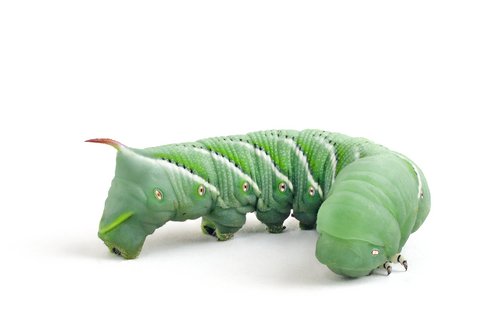
Hornworms for Sale
Price range: €9,99 through €29,99
Mealworms for Sale offer a convenient live feeder option for suitable reptiles, amphibians, birds and other insect-eating animals.
These larvae of the darkling beetle (Tenebrio molitor) provide protein, fat and moisture, making them a popular choice for leopard geckos, bearded dragons and other insectivores.
Easy to store and handle, mealworms add variety to a feeding routine when offered in appropriate sizes alongside a balanced, species-specific diet.
Calcium supplementation may be necessary for reptiles.
Hornworms for Sale – Live Feeder Caterpillars for Reptiles and Amphibians
Discover our Hornworms for Sale, a popular live feeder option for reptile and amphibian keepers looking to add variety and moisture to their animals’ feeding routines. These distinctive green caterpillars are valued for their soft bodies, active movement and high moisture content, making them an appealing supplementary feeder for many suitable insectivorous animals.
Commonly known as tobacco hornworms or Goliath worms, feeder hornworms are typically the larvae of the tobacco hawkmoth (Manduca sexta). Their bright green colour and distinctive tail horn make them easy to recognise. Despite their name, the horn is not a stinger.
Hornworms are commonly offered to suitable bearded dragons, leopard geckos, chameleons, skinks, frogs and other insect-eating animals. Their soft bodies and high water content can make them particularly useful as supplementary feeders for animals that benefit from additional dietary moisture.
Whether you are looking to introduce variety into your reptile’s feeding routine or offer an alternative to crickets and mealworms, hornworms can be a useful addition to an appropriate feeding programme. Select the right size for your animal, maintain suitable storage conditions and offer them alongside other nutritionally appropriate foods.
What Are Hornworms?
Hornworms are the larval stage of hawkmoths in the genus Manduca. The species commonly raised for the feeder insect trade is the tobacco hornworm, Manduca sexta, although the name hornworm can also refer to related caterpillars.
Tobacco hornworms have green, segmented bodies, diagonal markings along their sides and a small horn-like projection at the rear. They feed on suitable host plants in the wild and eventually develop into adult moths.
Commercially reared feeder hornworms are generally maintained on a prepared diet designed for their growth. Their soft bodies, high moisture content and noticeable movement make them attractive to many animals that naturally hunt insects.
Hornworms can grow rapidly under suitable conditions, so their size should be monitored carefully after arrival. A larva that is suitable for a larger reptile today may become too large for a smaller animal if kept for too long.
Hornworm Product Features
- Common name: Hornworms, tobacco hornworms or Goliath worms.
- Scientific name: Typically Manduca sexta.
- Product type: Live feeder caterpillars, subject to the current listing.
- Appearance: Green, segmented bodies with a distinctive tail horn.
- Size: Varies according to the growth stage and product selected.
- Nutritional characteristics: High moisture content, with protein, fat and other nutrients.
- Main feeding benefit: Dietary moisture and variety for suitable insectivorous animals.
- Suitable animal groups: Certain reptiles, amphibians and other insect-eating animals.
- Storage: Requires appropriate temperature, ventilation, suitable food and regular monitoring.
- Available quantities: Check the current product listing for sizes and pack quantities.
Product sizes, quantities and packaging may vary. Confirm the specifications of the individual listing before ordering.
Why Choose Hornworms?
High Moisture Content
Hornworms contain a high proportion of water, making them a useful supplementary feeder for suitable animals that benefit from moisture-rich prey.
This characteristic can be particularly helpful for species whose husbandry requires careful attention to hydration. However, hornworms do not replace access to fresh water or appropriate habitat humidity.
Soft-Bodied Prey
Compared with many other feeder insects, hornworms have relatively soft bodies and less heavily developed external coverings.
This makes them an appealing option for animals that prefer softer prey. Nevertheless, their size must still be appropriate, and no feeder should be assumed to be risk-free for every animal.
Encourages Feeding Responses
Hornworms move when disturbed, and their bright green colour can attract the attention of predators that respond to visual movement.
Some keepers find them useful when introducing feeding variety or encouraging interest in food. However, persistent appetite loss should be assessed by a qualified exotic-animal veterinarian rather than managed solely by changing feeders.
A Different Feeding Experience
Hornworms offer a different texture, appearance and moisture profile from common feeders such as crickets, mealworms and roaches.
Including suitable alternatives in a feeding rotation can help keepers provide variety while accounting for the nutritional requirements of individual species.
Useful for Supplementary Feeding
Hornworms can contribute to a feeding programme for suitable insectivorous reptiles and amphibians. Their nutritional profile, however, means they should not automatically replace staple feeders.
A balanced feeding plan should consider protein, energy, minerals, vitamins, prey size and the animal’s overall condition.
Which Animals Can Eat Hornworms?
Hornworms may be suitable for several types of insectivorous animals. Their suitability depends on the animal’s species, size, feeding behaviour and nutritional requirements.
Bearded Dragons
Bearded dragons consume a variety of insects alongside the plant foods required by their species and life stage.
Appropriately sized hornworms can be offered as supplementary feeders, providing variety and moisture. They should not replace the animal’s regular feeding programme or appropriate calcium and vitamin supplementation.
Leopard Geckos
Leopard geckos are insectivorous reptiles that may readily accept suitable hornworms.
Choose larvae that the gecko can safely capture and swallow. Hornworms can add variety to a feeding rotation, but they should not replace nutritionally appropriate staple insects.
Chameleons
Certain chameleon species may accept hornworms as part of a varied insect-based diet.
Their high moisture content can make them a useful supplementary option, but prey size is particularly important for smaller chameleons and juveniles. Follow species-specific feeding guidance and maintain appropriate hydration and enclosure conditions.
Crested Geckos
Crested geckos generally require a nutritionally complete, species-appropriate formulated diet. Some may also consume suitable insects as supplementary food.
Hornworms should not replace a complete formulated diet. Confirm that supplementary insects are appropriate for your gecko and offer them according to its feeding requirements.
Skinks
Some insectivorous and omnivorous skinks consume a variety of invertebrates, including suitable caterpillars.
Hornworms may be appropriate for certain species when the larvae are a safe size. Always check your skink’s dietary requirements before introducing them.
Frogs and Toads
Certain larger frogs and toads consume insect larvae and may accept appropriately sized hornworms.
Smaller amphibians may be unable to swallow larger caterpillars safely. Select prey according to the animal’s size, mouth dimensions and natural diet.
Monitors and Other Insectivorous Lizards
Some monitor lizards and other insect-eating lizards consume a wide variety of invertebrates.
Hornworms may be suitable as supplementary food for certain species and sizes. They should be incorporated into a varied diet rather than used as the only feeder.
Other Insectivorous Animals
Certain other predators may consume hornworms, but suitability cannot be assumed across all species.
Before feeding hornworms to spiders, scorpions or other invertebrates, confirm that the larvae are appropriate for the particular animal. Large, active caterpillars may be unsuitable for small predators.
Understanding the Nutritional Value of Hornworms
Hornworms are notable for their high moisture content. They also provide protein, fat and other naturally occurring nutrients, although their exact composition depends on the species, diet and rearing conditions.
Their nutritional profile makes them useful for specific purposes, but they should not automatically be considered a complete staple feeder.
Moisture
Hornworms are composed largely of water, which is one of their most notable characteristics as feeder insects.
This makes them a useful supplementary option for suitable animals that benefit from moisture-rich prey. They should not be used as a substitute for fresh drinking water or correct environmental humidity.
Protein
Hornworms provide protein, which supplies amino acids needed for growth, tissue maintenance and normal biological functions.
However, their protein content is relatively modest when compared on a fresh-weight basis with some other feeder insects. A balanced feeding programme should include other appropriate food sources where required.
Fat and Energy
Hornworms generally have a relatively low fat content compared with certain energy-dense larvae, although their precise composition varies.
Their suitability still depends on the animal’s overall diet and nutritional requirements. Do not assume that any single feeder provides every nutrient an animal needs.
Calcium and Phosphorus
Hornworms contain calcium and phosphorus, but their calcium-to-phosphorus balance should not be assumed to meet the requirements of every reptile.
Many insectivorous reptiles need an appropriate calcium and vitamin supplementation programme. Follow species-specific husbandry recommendations and consider the complete diet rather than relying on a single feeder’s nutritional profile.
Gut-Loading and Supplementation
Gut-loading involves feeding suitable nutrients to feeder insects before offering them to an animal. Where appropriate, follow the supplier’s recommendations for maintaining and feeding hornworms.
Supplementation requirements vary according to the animal’s species, age, diet and UVB exposure. Gut-loading and supplementation should form part of a complete feeding plan rather than being treated as a guarantee of nutritional completeness.
Choosing the Right Hornworm Size
Hornworms can grow rapidly, so choosing the correct size is important for safe feeding. Always check the actual size range of the product before ordering.
Small Hornworms
Smaller larvae may suit certain small reptiles and amphibians that can safely consume them.
However, they may still be too large for some hatchlings or very small species. Select prey according to the animal’s mouth size and feeding ability.
Medium Hornworms
Medium-sized hornworms may be suitable for certain growing reptiles and adult animals.
Consider both the length and thickness of the caterpillar, as well as the animal’s ability to capture and swallow it safely.
Large Hornworms
Larger hornworms may be appropriate for certain adult reptiles and other predators capable of consuming them.
Hornworms can increase in size quickly, so inspect their growth regularly. Avoid offering larvae that are too large for the intended animal.
How to Select the Correct Size
Before ordering, consider:
- The species and size of your animal.
- The actual length and thickness of the hornworms.
- The animal’s feeding behaviour and ability to swallow prey safely.
- How soon you intend to use the larvae.
- The supplier’s recommended storage conditions.
- Whether alternative feeders are more suitable for your animal.
If you are uncertain about sizing, consult species-specific husbandry guidance or an experienced exotic-animal professional.
How to Store Live Hornworms
Hornworms need appropriate care after arrival because they grow quickly and can deteriorate if stored incorrectly. Follow the supplier’s instructions for temperature, food, ventilation and handling.
Keep Them in a Suitable Container
Commercial hornworms are often supplied in a ventilated container with prepared food. Keep the container secure and follow the supplier’s instructions for its intended orientation and use.
Avoid overcrowding and ensure that the larvae have sufficient space and ventilation.
Provide Appropriate Food
Many commercially reared hornworms are supplied with a prepared artificial diet. This food supports their development while they are being maintained as feeders.
Use only the recommended food and avoid introducing garden plants or unverified food sources that could expose the larvae to pesticides or harmful substances.
Monitor Temperature
Hornworms grow quickly under warm conditions. Follow the supplier’s recommended temperature range to maintain their condition and manage their growth.
Do not assume that refrigeration or very low temperatures are appropriate. Incorrect temperatures can harm the larvae.
Remove Waste Regularly
Hornworms produce droppings as they feed. Follow the supplier’s instructions for removing waste and maintaining a clean container.
Good hygiene helps prevent contamination and supports the condition of the larvae.
Monitor Their Growth
Inspect the hornworms regularly and check whether they remain an appropriate size for your animal.
Because their growth can be rapid, plan to use them within the recommended period rather than keeping them indefinitely.
Handle Them Carefully
Handle hornworms gently and avoid squeezing their soft bodies. Use suitable feeding tongs if needed, taking care not to injure the larvae.
Keep the container securely closed when it is not being accessed.
How to Feed Hornworms to Your Animals
Hornworms should be offered according to the animal’s species, size and nutritional requirements.
- Confirm that hornworms are suitable for your animal.
- Select a caterpillar that can be swallowed safely.
- Inspect the larvae and avoid feeding any that are dead, deteriorating or contaminated.
- Offer an appropriate quantity as part of a balanced feeding programme.
- Follow the recommended calcium and vitamin supplementation guidance for your species.
- Remove uneaten prey when necessary to maintain enclosure hygiene.
Hornworms are moisture-rich supplementary feeders, not a universal replacement for staple insects. If your animal persistently refuses food, loses weight or shows signs of illness, seek advice from a qualified exotic-animal veterinarian.
Hornworms Compared with Other Feeder Insects
Different feeder insects have different nutritional profiles, sizes and care requirements. Understanding these differences helps you choose suitable food for your animal.
Hornworms
Hornworms are soft-bodied caterpillars with a high moisture content. They are often used as supplementary feeders to provide variety and dietary moisture.
Crickets
Crickets are widely used as staple feeders for many insectivorous reptiles and amphibians. They are active and provide a different nutritional profile from hornworms.
Mealworms
Mealworms are the larvae of Tenebrio molitor. They are relatively easy to store and can suit a range of insectivorous animals when offered in appropriate sizes.
Superworms
Superworms are the larvae of Zophobas morio. They generally grow larger than standard mealworms and have different care and nutritional characteristics.
Silkworms
Silkworms are soft-bodied larvae with a different nutritional profile from hornworms. They can be another option for suitable insectivorous animals.
Roaches
Suitable feeder roaches can be included in the feeding rotations of many insectivorous reptiles. Their nutritional profile and care requirements vary according to the species.
Why Feeder Variety Matters
No single feeder insect is ideal for every animal or every feeding situation. A suitable feeding programme should consider prey size, nutritional balance, supplementation, species-specific needs and body condition.
Hornworms can provide useful variety, but their high moisture content and relatively modest protein contribution mean that they should not automatically become the main food source.
Ordering Hornworms Online
Before purchasing, review the product listing and confirm:
- The species supplied, typically Manduca sexta.
- The approximate size of the hornworms.
- The number of larvae included in each pack.
- Whether prepared food is supplied with the container.
- Recommended temperature and storage instructions.
- Current stock availability and dispatch arrangements.
- Shipping eligibility for your destination.
- Any applicable live-arrival policy or product guarantee.
Live feeder caterpillars need suitable packaging and transport conditions. Prepare an appropriate holding area before the shipment arrives and ensure that the larvae can be maintained correctly.
For international orders, check the applicable regulations governing the import and transport of live insects. Do not assume that every supplier ships live feeders to every destination.
Only rely on delivery times, product quantities and live-arrival guarantees explicitly confirmed by the supplier.
Frequently Asked Questions
What are hornworms?
Hornworms are caterpillars in the genus Manduca. The species commonly sold as a feeder is the tobacco hornworm, Manduca sexta, which develops into a hawkmoth.
Can bearded dragons eat hornworms?
Suitable bearded dragons can eat appropriately sized hornworms as supplementary feeders. They should still receive a balanced diet that includes the required plant foods, suitable staple insects and supplementation.
Can leopard geckos eat hornworms?
Yes, leopard geckos may eat appropriately sized hornworms. Offer them as part of a varied feeding programme rather than replacing more appropriate staple insects.
Are hornworms good for hydration?
Hornworms contain a high proportion of water, making them a useful supplementary feeder for suitable animals. They do not replace fresh drinking water or appropriate habitat humidity.
Are hornworms suitable as a staple feeder?
Hornworms are generally best used as supplementary feeders because their high moisture content and relatively modest protein contribution mean they may not provide a balanced diet on their own.
How quickly do hornworms grow?
Hornworms can grow rapidly under suitable conditions. Their growth rate depends on temperature, food availability and developmental stage, so monitor their size regularly.
How should hornworms be stored?
Keep them in a suitable ventilated container and follow the supplier’s instructions for temperature, prepared food and waste removal. Avoid incorrect temperatures and inspect the larvae regularly.
Are hornworms poisonous?
Commercially reared feeder hornworms raised on an appropriate prepared diet are intended for feeding suitable animals. Wild-caught hornworms should not be used as feeders because their identity and exposure to potentially harmful host plants or pesticides may be unknown.
What is the difference between tobacco and tomato hornworms?
Tobacco hornworms (Manduca sexta) and tomato hornworms (Manduca quinquemaculata) are related caterpillars that can look similar. Their markings and horn colour can differ, but visual identification alone may not always be reliable.
Do hornworms need calcium supplementation?
The need for supplementation depends on the animal’s species and complete diet. Hornworms should not automatically be assumed to provide a sufficient calcium-to-phosphorus balance for every reptile.
Are hornworms suitable for baby reptiles?
Some smaller hornworms may suit certain young reptiles, but size is critical. Choose prey that the animal can capture and swallow safely.
How many hornworms should I feed my pet?
The appropriate quantity depends on the animal’s species, size, age, body condition and overall diet. Follow species-specific feeding guidance rather than using a universal quantity.
Buy Hornworms for Sale
Explore our Hornworms for Sale for a distinctive live feeder option for suitable insectivorous reptiles and amphibians. Their bright green appearance, soft bodies and high moisture content make them a useful addition to a varied feeding programme.
Whether you keep bearded dragons, leopard geckos, chameleons or other suitable insectivores, select an appropriate larval size and maintain proper storage conditions. Offer hornworms as supplementary feeders alongside other suitable foods, with appropriate supplementation where required.
Check the current product specifications, available pack quantities and shipping terms before ordering to ensure that your feeder purchase suits your animals and your care routine.
| Choose | 25 Hornworms, Extra Food |
|---|
Be the first to review “Hornworms for Sale”
Related products
Feeder Insects for Sale
Feeder Insects for Sale
Feeder Insects for Sale
Feeder Insects for Sale
Feeder Insects for Sale
Feeder Lizards for Sale
Feeder Insects for Sale
Feeder Insects for Sale
Reviews
There are no reviews yet.