

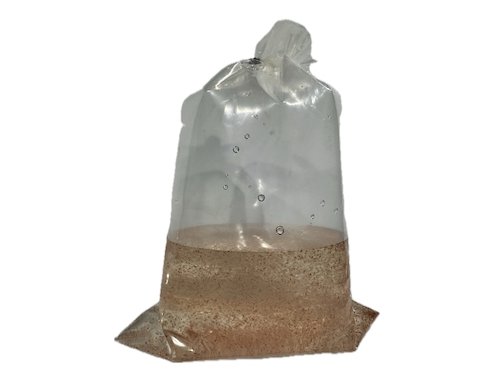
Moina Macrocopa for Sale
Price range: €79,99 through €89,99
Moina Macrocopa for Sale offers a convenient live freshwater food source for fish fry, small aquarium fish and other suitable aquatic animals.
These tiny crustaceans are valued for their nutritional contribution, natural swimming movement and potential to reproduce under suitable culture conditions.
Ideal for fish breeders and aquarium enthusiasts, Moina can support a varied feeding routine while providing an opportunity to maintain your own live-food culture.
Choose an appropriate prey size and follow proper care instructions for the best results.
Moina Macrocopa for Sale – Live Freshwater Food for Fish Fry and Aquatic Animals
Discover our Moina Macrocopa for Sale, a live freshwater feeder option for aquarium enthusiasts, fish breeders and aquatic animal keepers looking to provide small, naturally moving prey. These tiny freshwater crustaceans are valued for their nutritional contribution, rapid reproduction under suitable conditions and usefulness in feeding young fish and other appropriately sized aquatic animals.
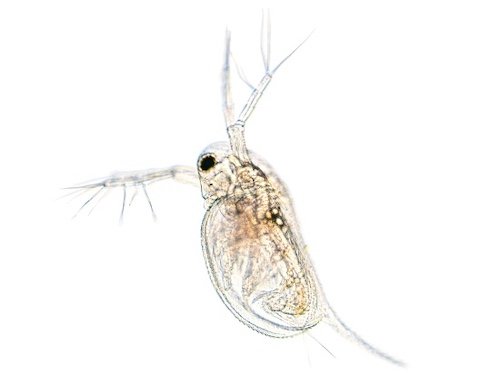
Scientifically known as Moina macrocopa, these minute crustaceans belong to the order Cladocera and are related to the commonly known water fleas of the genus Daphnia. Their small size and swimming behaviour make them particularly useful for fish fry that can consume appropriately sized live prey.
Moina can be a valuable addition to the feeding routines of young freshwater fish, including the fry of many ornamental aquarium species. They may also be suitable for certain aquatic amphibian larvae, depending on the animal’s developmental stage, mouth size and dietary requirements.
Whether you are raising a new generation of aquarium fish, maintaining a breeding project or looking to establish your own live-food culture, Moina Macrocopa offers a practical option for freshwater feeding programmes. With suitable water conditions, an appropriate food source and regular monitoring, a healthy culture can reproduce and provide a continuing supply of live food.
What Is Moina Macrocopa?
Moina macrocopa is a small freshwater crustacean belonging to the family Moinidae. It is part of the cladoceran group, which includes several species commonly known as water fleas.
Despite their tiny size, these organisms play an important role in freshwater food webs. They feed on suspended microscopic food particles, including algae, bacteria and other suitable organic material, and are consumed by fish and other aquatic predators.
Moina are particularly useful in aquaculture because they can reproduce rapidly under favourable conditions. Their small size makes them suitable for feeding the early life stages of many freshwater fish, although the appropriate prey size depends on the fish species and developmental stage.
Unlike brine shrimp, which are commonly associated with saltwater hatching conditions, Moina are freshwater organisms. This can make them a convenient live-food option for freshwater aquariums and fish-rearing systems.
When supplied as a live culture, Moina may include a mixture of adults, juveniles and younger individuals. This range of sizes can be helpful when feeding fish with different prey-size requirements.
Moina Macrocopa Product Features
- Common name: Moina, Moina Macrocopa or freshwater water fleas.
- Scientific name: Moina macrocopa.
- Classification: Small freshwater cladoceran crustacean.
- Product type: Live freshwater feeder culture, subject to the current listing.
- Appearance: Tiny, translucent to pale-coloured swimming organisms.
- Size: Varies according to life stage and culture conditions.
- Nutritional characteristics: A source of protein and other nutrients used in aquatic animal diets.
- Main use: Live food for suitable freshwater fish and other aquatic animals.
- Suitable applications: Fish fry rearing, aquarium feeding and live-food culture.
- Habitat requirements: Suitable freshwater conditions and an appropriate microscopic food source.
- Available quantities: Check the current product listing for pack sizes and culture details.
The exact quantity, culture density, species identification and packaging may vary. Confirm the product specifications before ordering.
Why Choose Moina Macrocopa?
Suitable for Feeding Small Fish
One of the main advantages of Moina is its usefulness as live food for young freshwater fish. Their small size can make them accessible to fry that cannot yet consume larger prey.
The smallest individuals may be especially useful during early feeding stages, depending on the fish species. Always match the size of the live food to the fish’s mouth size and feeding ability.
Natural Swimming Movement
Moina move through the water using their appendages, creating movement that can attract the attention of visually oriented fish.
This makes them a useful option for fish that respond well to live prey. However, feeding responses differ between species, and some fish may require other foods to meet their nutritional needs.
Freshwater Compatibility
Moina are freshwater crustaceans, making them particularly relevant to freshwater aquariums and fish-rearing systems.
Unlike live foods that require saltwater hatching or maintenance, Moina can be maintained in a suitable freshwater culture. The culture water should still be managed carefully to maintain healthy organisms.
Nutritional Contribution
Moina provide protein and other nutrients that contribute to the diets of suitable aquatic animals.
Their nutritional composition depends on their developmental stage, food source and culture conditions. They should be used as part of an appropriate feeding programme rather than assumed to provide every nutrient required by every fish.
Potential for Ongoing Cultivation
Moina can reproduce quickly under suitable conditions, making them attractive to fish breeders who want to maintain their own live-food supply.
A healthy culture requires appropriate water quality, suitable microscopic food, temperature management and regular monitoring. Maintaining separate backup cultures can help reduce the risk of losing the entire supply if one culture declines.
Useful for Aquaculture and Breeding Projects
Moina are used in aquaculture as live food for early-stage fish and other cultured aquatic organisms.
For hobbyists, they can provide a useful addition to fish-breeding projects, especially when raising species whose fry benefit from small live prey.
Which Animals Can Eat Moina Macrocopa?
Moina are most commonly associated with feeding small freshwater fish, but they may be suitable for other aquatic animals with appropriate dietary requirements.
Freshwater Fish Fry
Fish fry are among the main uses for Moina. Many young freshwater fish require tiny food items that can be captured and swallowed during their early development.
Moina may be suitable for the fry of certain tetras, livebearers, gouramis, bettas and other ornamental freshwater fish, depending on the size of the individual fry.
Not every species can consume Moina immediately after hatching. Some newly hatched fish require smaller foods, such as infusoria, before progressing to larger live prey.
Betta Fry
Moina may be suitable for certain betta fry once they are large enough to consume them.
The smallest individuals are generally more appropriate for young fish than larger adult Moina. Introduce them according to the fry’s developmental stage and monitor whether the fish can capture and swallow the prey.
Guppy Fry
Guppy fry can consume a variety of appropriately sized foods as they grow. Moina may be a useful live-food option for suitable fry and juvenile guppies.
Use them alongside other nutritionally appropriate foods to support a balanced feeding routine.
Tetra Fry
Certain tetra fry may benefit from small live prey once they have developed sufficiently to consume it.
Moina can be considered when their size matches the fry’s feeding ability. Very small fry may require smaller food organisms first.
Gourami Fry
Some gourami species produce fry that benefit from tiny live foods during early development. Moina may become suitable as the fry grow.
Follow species-specific breeding and feeding guidance, as the initial food requirements of different gourami species can vary.
Adult Freshwater Fish
Some small and medium-sized freshwater fish readily consume Moina. They can provide a live-food supplement alongside an appropriate staple diet.
For larger fish, Moina may be too small to provide an efficient food source on their own, although they may still be consumed as part of a varied diet.
Axolotl Larvae
Moina may be considered for certain early-stage axolotls when the prey is an appropriate size and the larvae are developmentally ready to feed.
Axolotl feeding requirements change as they grow. Confirm that Moina are suitable for the specific developmental stage, maintain clean water and remove uneaten organisms or excess culture material when necessary.
Newt Larvae
Some aquatic newt larvae consume small live invertebrates. Moina may be suitable for certain species and developmental stages.
Always verify prey size and suitability, as feeding requirements vary considerably between amphibian species.
Other Aquatic Animals
Other small aquatic predators may consume Moina, but suitability depends on the species, feeding behaviour and nutritional requirements.
Do not assume that a food suitable for fish fry is appropriate for every aquatic animal. Confirm the animal’s dietary needs before introducing a new live food.
Understanding the Nutritional Value of Moina
Moina are used as live food because they provide nutrients in a form that many small aquatic animals can readily consume.
Their nutritional composition varies according to their life stage, culture conditions and available food. Consequently, their value as a feeder depends partly on how they are raised and how they are incorporated into the animal’s diet.
Protein
Moina contain protein, which provides amino acids needed for growth, tissue development and normal biological functions.
This makes them useful for feeding suitable young fish and other aquatic animals. However, protein content alone does not establish whether a live food provides a complete diet.
Fats and Other Nutrients
Moina contain fats and other naturally occurring nutrients. Their composition can be influenced by the food available within the culture.
A varied feeding programme helps account for differences between live foods and other suitable aquarium diets.
Freshwater Live Prey
Moina are freshwater organisms, making them useful for feeding many freshwater species without requiring a saltwater live-food culture.
This does not mean that every freshwater animal will accept them. Prey size and feeding behaviour remain important considerations.
Nutritional Enrichment
In some aquaculture and aquarium applications, live foods are cultured or enriched to improve their nutritional characteristics.
If nutritional enrichment is needed for your particular fish or amphibian, follow an appropriate species-specific protocol. Do not assume that every commercial Moina culture has been enriched unless the supplier confirms it.
Dietary Variety
Moina can contribute to a varied feeding programme but should not automatically replace a complete diet.
Different fish species have different nutritional requirements, and some may need formulated foods or additional live and frozen foods to meet those requirements.
How to Choose Moina Macrocopa for Your Aquarium
Selecting the right live culture depends on the animals you intend to feed and whether you plan to use the organisms immediately or maintain a breeding culture.
For Newly Hatched Fish Fry
Consider whether the fry can capture and swallow the available Moina. Some newly hatched species require smaller food organisms before they are ready for Moina.
Choose a culture containing suitably small individuals and monitor feeding activity carefully.
For Growing Fry
Growing fry may be able to consume a wider range of Moina sizes. A culture containing juveniles and adults can provide useful variation when the organisms are appropriately sized.
Remove excess food if necessary to prevent uneaten material from compromising water quality.
For Adult Fish
Adult fish may consume Moina as supplementary live food, depending on their size and feeding behaviour.
For larger fish, consider whether Moina provide a practical feeding option or whether larger prey would be more appropriate.
For Maintaining a Live Culture
If you want to reproduce Moina, consider the space available, suitable freshwater, temperature management, food supply and culture-maintenance requirements.
A separate culture container can help you maintain the organisms independently of the aquarium in which they will be used as food.
Before Ordering
Check the following details:
- The species identification provided by the supplier.
- The quantity or culture volume supplied.
- Whether the culture contains adults, juveniles or mixed sizes.
- The recommended temperature and water conditions.
- The supplier’s instructions for acclimatisation and feeding.
- Packaging, dispatch and delivery arrangements.
- Shipping eligibility for your destination.
These details help you determine whether the product suits your feeding or cultivation plans.
How to Maintain a Moina Macrocopa Culture
Moina can reproduce under suitable conditions, but culture performance depends on water quality, food availability, temperature and population density.
Follow the supplier’s instructions for the particular culture you receive.
Use a Suitable Container
A clean, suitable aquarium, tank or food-safe container can be used to maintain a Moina culture.
Choose a container that allows adequate water volume, observation and harvesting. Avoid containers that may release harmful chemicals into the water.
Use Appropriate Freshwater
Maintain suitable freshwater conditions for the culture. Water quality, temperature and other parameters should be appropriate for the particular Moina culture.
If using tap water, ensure it has been treated appropriately to remove harmful chlorine or other disinfectants. Avoid sudden changes in water conditions when transferring the organisms.
Provide Suitable Food
Moina feed on microscopic material, including algae, bacteria and yeast, depending on the culture conditions.
Use an appropriate culture food or feeding method recommended for Moina. Excessive feeding can pollute the water, while insufficient food may reduce reproduction and population density.
Maintain Appropriate Temperature
Moina growth and reproduction are influenced by temperature. Follow the supplier’s recommended range and avoid abrupt fluctuations.
A stable culture environment helps support consistent feeding and reproduction.
Monitor Water Quality
Observe the culture regularly for changes in water clarity, odour, movement and population density.
Sudden changes may indicate overfeeding, oxygen problems or other culture issues. Avoid adding excessive food or making abrupt adjustments without understanding the cause.
Harvest Carefully
Use a suitable fine-mesh net or other appropriate collection method to harvest the organisms.
Choose a mesh size that retains the desired individuals while allowing excess water and unwanted debris to drain away. Avoid collecting more organisms than you can use or than the culture can sustainably replace.
Maintain Backup Cultures
Moina populations can decline unexpectedly. Keeping a separate backup culture can help preserve your supply if the main culture experiences a problem.
Avoid transferring contaminated equipment or unsuitable water between cultures.
How to Feed Moina to Fish and Aquatic Animals
Moina should be introduced according to the animal’s species, size and feeding requirements.
- Confirm that the animal can consume the available Moina.
- Introduce an appropriate quantity into the feeding area.
- Observe the animals to confirm that they are actively consuming the live food.
- Adjust the amount according to the feeding response and water conditions.
- Remove excess culture water or uneaten material when necessary.
- Continue providing other foods required for a balanced diet.
For fish fry, small and frequent feedings may be appropriate, depending on the species and developmental stage. Avoid overfeeding, as excess food and organic material can compromise water quality.
When feeding aquatic amphibian larvae, follow species-specific guidance and take particular care with water quality and the amount of culture material introduced.
Moina Macrocopa Compared with Other Live Foods
Different live foods have different sizes, nutritional profiles and culture requirements. Understanding these differences can help you select suitable food for your aquarium.
Moina Macrocopa
Moina are small freshwater crustaceans commonly used to feed fish fry and other suitable aquatic animals. They can reproduce quickly under favourable conditions and may be maintained as a live-food culture.
Daphnia
Daphnia are related freshwater cladocerans that are also widely used as live food for fish.
Species and sizes vary, so the best option depends on the fish being fed. Some Moina are smaller than larger Daphnia species and may therefore be suitable for certain smaller fry.
Brine Shrimp
Brine shrimp, commonly sold as Artemia, are frequently used for feeding young fish. Newly hatched brine shrimp are suitable for many fry, depending on their size and nutritional requirements.
Brine shrimp require appropriate hatching conditions, while Moina can be maintained in freshwater.
Infusoria
Infusoria is a general term used for very small aquatic organisms that may serve as initial food for tiny fish fry.
Some fry need food smaller than Moina during their earliest feeding stage. The appropriate first food depends on the species.
Rotifers
Rotifers are microscopic aquatic animals used in the early feeding of certain fish larvae and other aquatic organisms.
They can be suitable where prey size is a limiting factor, although their culture and feeding requirements differ from those of Moina.
Why Live-Food Variety Matters
Different live foods provide different sizes and nutritional characteristics. Using appropriate alternatives can help meet the changing needs of growing fish and other aquatic animals.
Moina are a useful option for suitable species, but no single live food should automatically be assumed to meet every nutritional requirement.
Ordering Moina Macrocopa Online
Before purchasing Moina Macrocopa, review the product listing and confirm:
- The species supplied and the supplier’s identification details.
- The approximate culture quantity and population density, where specified.
- Whether the culture includes a mixture of adults and juveniles.
- Packaging and transport arrangements.
- Recommended temperature and acclimatisation instructions.
- Current stock availability and dispatch schedule.
- Shipping eligibility for your destination.
- Any applicable live-arrival policy or product guarantee.
Live aquatic organisms require suitable packaging and transport conditions. Prepare an appropriate freshwater culture container before the shipment arrives.
For international orders, check the regulations governing the import and transport of live aquatic organisms. Do not assume that every supplier ships live cultures internationally.
Only rely on delivery times, product quantities and live-arrival guarantees explicitly confirmed by the supplier.
Frequently Asked Questions
What is Moina Macrocopa?
Moina macrocopa is a small freshwater crustacean in the order Cladocera. It is commonly cultured as live food for young fish and other suitable aquatic animals.
Is Moina the same as Daphnia?
No. Moina and Daphnia are related freshwater cladocerans, but they belong to different genera. Their sizes and culture characteristics vary by species.
Can Moina feed fish fry?
Yes. Moina are widely used as live food for many freshwater fish fry, provided the organisms are small enough for the fish to consume.
Can betta fry eat Moina?
Some betta fry can consume appropriately sized Moina once they have developed sufficiently. The smallest fry may require smaller food organisms first.
Can Moina be used for axolotl larvae?
Moina may be suitable for certain axolotl larvae, depending on their developmental stage and prey-size requirements. Confirm suitability for the individual animal and maintain excellent water quality.
Are Moina freshwater organisms?
Yes. Moina are freshwater crustaceans and are commonly used in freshwater aquarium and aquaculture systems.
Can Moina reproduce in an aquarium?
Moina can reproduce under suitable conditions, but a display aquarium may not provide a stable food supply or environment for maintaining a productive culture. A separate culture container is often more practical.
What do Moina eat?
Moina feed on suitable microscopic food sources, including algae, bacteria and yeast. Their culture requires an appropriate food source and careful management of water quality.
How should I maintain Moina?
Maintain suitable freshwater conditions, provide appropriate culture food, monitor temperature and water quality, and harvest carefully. Follow the supplier’s instructions for the specific culture.
Are Moina suitable for all fish?
No. Their suitability depends on the fish species, mouth size, feeding behaviour and nutritional needs. Some fry require smaller foods, while larger fish may benefit from larger prey.
How much Moina should I feed?
The appropriate quantity depends on the animal’s size, species, developmental stage and feeding response. Introduce a suitable amount and monitor consumption and water quality.
Can Moina replace commercial fish food?
Not necessarily. Moina can be a valuable live-food component, but many fish need a balanced diet that includes suitable formulated foods and other appropriate food sources.
Do Moina need aeration?
Aeration requirements depend on the culture density, container and environmental conditions. Maintain adequate oxygen without creating excessive water movement that could damage the organisms. Follow a suitable culture guide for your setup.
Buy Moina Macrocopa for Sale
Explore our Moina Macrocopa for Sale for a live freshwater food option for fish breeders, aquarium enthusiasts and keepers of suitable aquatic animals. These small crustaceans are valued for their usefulness in feeding young freshwater fish, their natural swimming movement and their potential to reproduce under suitable culture conditions.
Whether you are raising betta fry, maintaining an ornamental fish breeding project or looking for live food for other suitable aquatic animals, choose a culture that matches your animals’ feeding requirements. Provide appropriate freshwater conditions, follow the supplier’s acclimatisation instructions and maintain good water quality.
Check the current product specifications, culture quantities, availability and shipping terms before ordering to ensure that your live-food purchase suits your aquarium and feeding routine.
| Choose quantity | 5,000+ Live Moina Macrocopa, 7,000+ Live Moina Macrocopa |
|---|
Be the first to review “Moina Macrocopa for Sale”
Related products
Feeder Insects for Sale
Feeder Insects for Sale
Feeder Insects for Sale
Feeder Insects for Sale
Feeder Lizards for Sale
Feeder Lizards for Sale
Feeder Insects for Sale
Feeder Insects for Sale
Reviews
There are no reviews yet.