

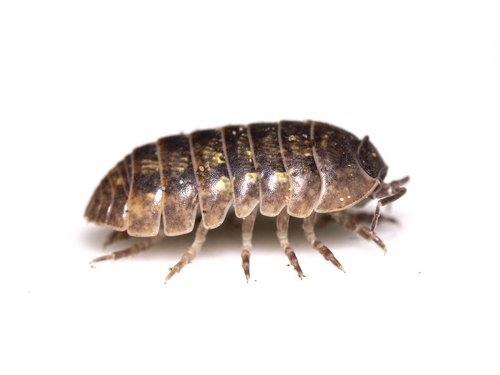
Isopods for Sale
Price range: €59,99 through €129,99
Isopods for Sale offer a versatile option for reptile and amphibian keepers, bioactive terrarium enthusiasts and invertebrate hobbyists.
These fascinating crustaceans can serve as a clean-up crew in suitable enclosures or as supplementary live feeders for compatible animals.
Available species may feature distinctive colours, patterns and sizes.
Provide appropriate substrate, moisture, ventilation and food to maintain a healthy colony, and always choose an isopod species suited to your terrarium or animal’s dietary requirements.
Isopods for Sale – Live Feeders and Bioactive Terrarium Clean-Up Crew
Discover our Isopods for Sale, a versatile option for reptile and amphibian keepers, bioactive terrarium enthusiasts and invertebrate hobbyists. These fascinating terrestrial crustaceans are valued for their varied colours, distinctive body shapes and useful role in suitable captive environments. Depending on the species, isopods can serve as live food for certain insectivorous animals or as part of a clean-up crew in a bioactive enclosure.
Often known as woodlice, pill bugs or roly-polies, isopods are small invertebrates that naturally inhabit damp, sheltered environments where decaying leaves, rotting wood and other organic materials are available. Many species feed on decomposing plant matter, helping break it down as part of the natural decomposition process.
For keepers of dart frogs, small lizards, certain amphibians and other suitable animals, appropriately sized isopods can offer an additional live feeder option. In compatible bioactive terrariums, selected species can also help process organic waste and contribute to a functioning substrate ecosystem.
Whether you are establishing a bioactive habitat, maintaining a breeding colony or looking for suitable feeder invertebrates, choosing the correct isopod species is essential. Explore the available options and check each product’s size, quantity, environmental requirements and intended use before ordering.
What Are Isopods?
Isopods belong to the order Isopoda, a diverse group of crustaceans found in marine, freshwater and terrestrial environments. The terrestrial species commonly kept in terrariums are often referred to as woodlice.
Unlike insects, isopods have multiple pairs of legs and a segmented body protected by a series of overlapping plates. Many terrestrial species are adapted to sheltered environments where moisture is available, as they can lose water through their body surfaces and require suitable humidity to remain healthy.
Their appearance varies considerably between species. Some have plain grey or brown colouring, while others display orange, white, yellow, spotted or striped patterns. Certain species can roll into a defensive ball when disturbed, while others rely on hiding, burrowing or moving quickly into cover.
Isopods are popular among terrarium keepers because of their ecological role, manageable size and interesting behaviour. They can be maintained in dedicated colonies or introduced into suitable bioactive enclosures, provided the species’ environmental requirements are met.
Isopod Product Features
- Common names: Isopods, woodlice, pill bugs and roly-polies.
- Scientific classification: Order Isopoda.
- Product type: Live isopods, subject to the current listing.
- Appearance: Segmented bodies with multiple pairs of legs.
- Colour variations: Grey, brown, white, orange, yellow, striped and other patterns, depending on the species.
- Main uses: Suitable live feeders, bioactive clean-up crews or invertebrate colonies.
- Diet: Commonly includes decaying leaves, decomposing plant material and other suitable organic matter.
- Size options: Depend on the species and life stage.
- Pack quantities: Check the individual product listing.
- Care requirements: Appropriate substrate, moisture, ventilation, food and temperature.
Always confirm the exact species and intended use before ordering. Different isopods can vary significantly in size, reproduction rate, humidity requirements and suitability for particular animals or terrariums.
Why Choose Isopods?
A Useful Addition to Bioactive Terrariums
Many terrestrial isopods feed on decaying leaves, decomposing wood and other organic matter. In suitable bioactive terrariums, they can contribute to the breakdown of organic material and support the enclosure’s clean-up crew.
Their activity can complement other organisms, such as springtails, within a carefully maintained substrate ecosystem. However, isopods do not eliminate the need for routine enclosure cleaning, waste removal or appropriate husbandry.
A Live Feeder Option for Suitable Animals
Some isopods can be used as live food for animals that naturally consume small crustaceans and other invertebrates. Depending on their size and the predator’s feeding habits, certain species may be appropriate for selected frogs, small lizards and other insectivorous animals.
Their suitability depends on the isopod species, the predator’s size and its nutritional requirements. Not every isopod is appropriate for every animal, so verify compatibility before feeding.
Interesting Colours and Patterns
Isopods are available in a wide variety of appearances. Depending on the species and variety, keepers may find individuals with contrasting markings, distinctive body shapes or unusual colour patterns.
These characteristics make certain isopods appealing to hobbyists who maintain display colonies and carefully designed invertebrate enclosures.
Suitable for Dedicated Breeding Colonies
Many terrestrial isopods reproduce successfully in captivity when provided with suitable environmental conditions and food. A well-maintained colony can produce offspring over time, allowing keepers to observe their life cycle and potentially maintain a continuing population.
Reproduction rates vary considerably by species, temperature, food availability, humidity and colony size. Do not assume that every species will reproduce at the same rate.
An Opportunity to Observe Natural Behaviour
Isopods exhibit a range of interesting behaviours, including burrowing, hiding beneath leaf litter, feeding on decomposing material and gathering in sheltered areas.
Some species are more active in open spaces, while others spend most of their time beneath the substrate or inside hiding places. Observing these behaviours can help keepers better understand their animals’ environmental needs.
Types of Isopods for Sale
Different isopod species have different characteristics and care requirements. The following are examples of commonly kept terrestrial isopods; availability depends on the current product range.
Porcellio laevis
Porcellio laevis is a terrestrial isopod species that includes several captive-bred colour varieties. It is commonly maintained in hobbyist colonies and can reproduce readily under suitable conditions.
Its relatively straightforward care requirements make certain varieties popular among keepers. However, some populations can grow quickly, so enclosure suitability and population management should be considered before introducing them into a terrarium.
Porcellionides pruinosus
Porcellionides pruinosus, commonly called the powder isopod, is known for its relatively small size and numerous colour varieties, including powder orange and powder blue.
Certain varieties are used in bioactive enclosures and as feeders for suitable small insectivores. Their environmental requirements and reproductive behaviour should be checked before purchase.
Armadillidium maculatum
Armadillidium maculatum, commonly known as the zebra isopod, is recognised for its contrasting striped appearance.
Like other members of its genus, it can roll into a ball when disturbed. This species is often maintained as a display colony because of its distinctive pattern, but its care requirements should be matched to the intended enclosure.
Armadillidium vulgare
Armadillidium vulgare is a widespread terrestrial isopod species with a variety of colour forms. It is known for its ability to roll into a defensive ball and can live in suitable outdoor or captive environments.
Its environmental preferences depend on the conditions provided, and it should not be assumed to tolerate every terrarium setup.
Cubaris Species
Certain Cubaris isopods are popular among collectors because of their distinctive shapes, colours and markings. Different varieties can have substantially different care requirements and may need carefully managed moisture, ventilation and substrate conditions.
Some are more demanding than commonly kept beginner species. Confirm the identification and care information for the specific variety before purchasing.
Other Terrestrial Isopods
Numerous additional terrestrial isopods are kept for breeding, display and bioactive applications. Their size, colour, reproduction rate and preferred habitat vary considerably.
Choose based on the animal’s intended role, your experience level and your ability to maintain the appropriate environment rather than appearance alone.
Isopods for Bioactive Terrariums
A bioactive terrarium is designed to support a small, managed ecosystem that includes the animal, plants, substrate and selected organisms involved in decomposing organic matter.
Isopods are often included as part of the clean-up crew because many species feed on decaying leaves and other decomposing material. Their activity can help process some organic matter, but they should not be expected to remove all animal waste or prevent every hygiene problem.
Supporting Organic Matter Breakdown
Many terrestrial isopods consume decomposing plant material and contribute to its breakdown. This can support nutrient cycling within a properly maintained substrate.
The rate of decomposition depends on the species, the amount and type of organic material, moisture and other environmental conditions.
Working Alongside Springtails
Springtails are tiny soil-dwelling organisms often used alongside isopods in bioactive enclosures. The two groups occupy different ecological niches and may complement one another in a suitable setup.
Springtails are particularly associated with feeding on fungi and microorganisms, while many isopods process larger pieces of decomposing organic matter. Their roles overlap, and neither group replaces proper enclosure maintenance.
Choosing a Suitable Clean-Up Crew
Before adding isopods, consider:
- The reptile or amphibian species living in the enclosure.
- Temperature and humidity requirements.
- Substrate depth and composition.
- The availability of leaf litter and suitable hiding places.
- Whether the isopods could be eaten by the enclosure’s inhabitants.
- The possibility of the colony reproducing and expanding.
Some animals readily eat isopods, while others may ignore them. Certain isopods can also damage delicate plants or compete for food under specific conditions. Select species that suit the complete enclosure rather than relying on a general clean-up crew recommendation.
Isopods as Live Feeders
Certain isopods can be offered as live prey to suitable animals that naturally consume small crustaceans and other invertebrates. Their use depends on the predator’s dietary requirements, the isopod’s size and the species involved.
Dart Frogs
Some dart frogs consume small invertebrates as part of their natural diet. Depending on the frog species and the size of the isopod, certain isopods may be suitable as an additional prey item.
However, very small frogs and froglets may be unable to consume larger isopods safely. Many dart frog feeding programmes rely heavily on appropriately sized fruit flies and other tiny prey, so isopods should not automatically replace these foods.
Small Lizards and Geckos
Some small lizards and geckos consume a range of small invertebrates. Certain appropriately sized isopods may be accepted as part of a varied feeding programme.
The suitability of a particular species depends on the reptile’s natural diet, mouth size and ability to capture and digest the prey.
Other Amphibians
Certain amphibians consume terrestrial invertebrates and may accept suitable isopods. However, feeding requirements differ substantially between frogs, toads, salamanders and newts.
Confirm that the selected isopod species is an appropriate food item and choose a size that can be swallowed safely.
Other Insectivorous or Invertebrate-Eating Animals
Some other captive animals may consume isopods, depending on their natural feeding behaviour. Isopods should not be offered indiscriminately to every reptile, amphibian, spider or other invertebrate.
Before feeding, verify the suitability of the species and consider whether its body size, nutritional characteristics and defensive behaviour are appropriate for the predator.
Choosing the Right Isopod Species
Selecting the correct isopod is essential for establishing a healthy colony, supporting a bioactive terrarium or choosing an appropriate feeder.
For Beginners
If you are new to isopod keeping, look for a species with care requirements that match the conditions you can consistently maintain. Consider its moisture needs, reproduction rate, food requirements and sensitivity to environmental changes.
Do not choose a species solely because it is described as easy to keep. Your enclosure conditions must still meet its requirements.
For Bioactive Enclosures
Choose species suited to the enclosure’s temperature, humidity, substrate and inhabitants. Consider whether the isopods are likely to establish a sustainable colony or be eaten before reproducing.
A suitable clean-up crew should complement the habitat rather than create additional problems for the animal or plants.
For Feeding Purposes
Select isopods that are appropriate in size and safe for the intended predator. Small predators may require small isopods, while larger species may be suitable only for animals that can consume them safely.
Check whether the isopods are being sold as feeders or primarily as display or breeding animals. Not every ornamental variety is necessarily the most practical choice for feeding.
For Breeding and Collecting
Collectors may prioritise colour, pattern, body shape and the ability to maintain a stable colony. More specialised varieties may have narrower environmental requirements, so research the individual species before purchasing.
If breeding is your goal, check the expected adult size, reproduction characteristics and any known husbandry challenges.
Isopod Care and Housing
Although isopods are relatively small, they need appropriate housing and environmental conditions. Requirements vary by species, and the care of a dedicated breeding colony may differ from that of a clean-up crew in a bioactive terrarium.
Suitable Enclosure
A dedicated colony can be housed in a secure container with appropriate ventilation. The enclosure should prevent escapes while allowing sufficient air exchange.
The size of the enclosure depends on the species, colony size and intended purpose. Avoid overcrowding, particularly where moisture and ventilation are difficult to control.
Substrate
Many terrestrial isopods benefit from a suitable substrate containing organic matter, such as decaying leaves and decomposed wood from safe, untreated sources.
The exact substrate composition should match the species’ needs. Avoid materials contaminated with pesticides, fertilisers, cleaning products or other harmful chemicals.
Moisture and Humidity
Many terrestrial isopods require access to a moist area to reduce the risk of dehydration. Some also benefit from a moisture gradient, allowing them to move between wetter and drier parts of the enclosure.
The ideal balance varies by species. Excessive moisture and poor ventilation can contribute to mould and unhealthy conditions, while an overly dry enclosure can cause dehydration.
Temperature
Maintain the temperature range recommended for the selected species. Avoid sudden fluctuations and exposure to unsuitable heat or cold.
Different isopods come from different climates, so a single temperature recommendation should not be applied to every variety.
Hiding Places
Leaf litter, pieces of suitable bark and other safe natural materials provide shelter and help create a more suitable environment. Hiding places can also reduce disturbance and support natural behaviour.
Food and Calcium
Many terrestrial isopods consume decaying leaves and decomposing wood. Depending on the species, their diet may also include suitable vegetables, specialised isopod food and small amounts of other appropriate organic material.
A suitable calcium source may be important for exoskeleton development and moulting. Follow species-specific feeding recommendations and avoid leaving fresh food to spoil in the enclosure.
Feeding and Maintaining an Isopod Colony
A healthy colony needs consistent access to suitable food and stable environmental conditions.
- Provide clean, appropriate leaf litter and other species-suitable organic material.
- Offer additional food when required by the species and colony.
- Maintain a suitable moisture gradient and ventilation.
- Remove spoiled food and excessive waste.
- Monitor activity, moulting and reproduction.
- Check regularly for signs of dehydration, contamination or declining colony health.
Do not assume that all isopods have identical dietary needs. Some species are more dependent on particular substrate conditions or food sources than others.
If the colony is intended for use as a bioactive clean-up crew, ensure that the enclosure provides sufficient organic matter and suitable conditions for the isopods to survive.
Are Isopods Suitable for Every Terrarium?
No. Isopods are useful in many suitable bioactive setups, but their suitability depends on the enclosure and the animals living in it.
Some reptiles and amphibians may eat the isopods before a colony can establish itself. Others may require a drier environment than the selected isopod species can tolerate.
A species that thrives in a humid tropical enclosure may not be suitable for a dry desert-style terrarium. Similarly, an isopod that reproduces rapidly may need more careful population management in a small enclosure.
Before adding isopods, confirm that their environmental requirements are compatible with those of the main animal. If the conditions are incompatible, a separate isopod colony may be the better option.
Isopods Compared with Springtails
Isopods and springtails are both commonly used in bioactive enclosures, but they differ in size, appearance, behaviour and ecological role.
Isopods
Isopods are relatively larger terrestrial crustaceans. Many feed on decaying leaves, wood and other organic matter and may also serve as prey for suitable animals.
Springtails
Springtails are tiny arthropods that are often used to help manage fungal growth and process microscopic organic material in suitable substrates. They are generally much smaller than isopods and are not interchangeable with them in every feeding or habitat application.
Which Should You Choose?
Some bioactive enclosures benefit from both groups, provided their environmental requirements are met. The best combination depends on the substrate, moisture level, main animal and intended ecosystem.
Neither group removes the need for appropriate cleaning, waste management or routine monitoring.
Ordering Isopods Online
Before purchasing, review the product information and confirm the following:
- The exact species or variety being sold.
- The approximate size and life stages included.
- The number of individuals in the pack.
- Whether the product is intended primarily for feeding, breeding or bioactive use.
- Recommended temperature, moisture and substrate conditions.
- Any food or housing supplies included.
- Current availability and dispatch arrangements.
- Shipping eligibility for your destination.
- Any applicable live-arrival policy or guarantee.
Live invertebrates require suitable packaging and transport conditions. Prepare an appropriate enclosure or culture container before the order arrives.
For international orders, check local regulations on the import, possession and transport of live invertebrates. Do not assume that every species can legally be shipped to every destination, or that a supplier’s domestic shipping policy applies internationally.
Only rely on delivery times, product quantities and live-arrival guarantees explicitly confirmed by the supplier.
Frequently Asked Questions
What are isopods?
Isopods are crustaceans found in marine, freshwater and terrestrial environments. Terrestrial species are commonly known as woodlice or pill bugs and are often kept in invertebrate colonies or used in suitable bioactive terrariums.
What are isopods used for?
Depending on the species, isopods can be maintained as display animals, bred in colonies, used as food for suitable insectivorous animals or introduced into compatible bioactive enclosures as part of a clean-up crew.
Can isopods live with reptiles?
Certain species can live in compatible bioactive reptile enclosures. Their environmental requirements must match those of the reptile, and the keeper should consider whether the reptile will eat the colony.
Do isopods clean a terrarium?
Many isopods help process decaying leaves and other organic matter. However, they do not eliminate all waste or replace routine enclosure cleaning and maintenance.
Can I feed isopods to dart frogs?
Certain dart frogs may consume appropriately sized isopods, but suitability depends on the frog species and the size of the prey. Small froglets may require much smaller feeders, such as suitable fruit flies.
What do isopods eat?
Many terrestrial species consume decaying leaves, decomposing wood and other organic material. Some also accept suitable vegetables and specialised foods. Feeding requirements vary by species.
Do isopods need moisture?
Most terrestrial isopods need access to suitable moisture because they can lose water through their body surfaces. The required humidity and moisture gradient depend on the species.
How quickly do isopods reproduce?
Reproduction rates vary considerably between species and depend on temperature, food availability, moisture, colony size and other conditions. Some species establish populations more quickly than others.
Can I keep different isopod species together?
Keeping different species in one enclosure can create problems because their environmental requirements and reproductive behaviour may differ. Some may outcompete others or require incompatible conditions. Separate colonies are often easier to manage, particularly for breeding and collecting.
Are all isopods suitable for beginners?
No. Some species have relatively straightforward care requirements, while others are more sensitive to environmental changes. Research the individual species and select one that matches your experience and available setup.
Do isopods need calcium?
A suitable calcium source is commonly included in terrestrial isopod care because calcium is important for exoskeleton development and moulting. The appropriate source and amount depend on the species and its overall diet.
Can isopods escape from a terrarium?
Isopods can move through gaps and may escape from unsuitable containers. Use a secure enclosure with appropriate ventilation and inspect the setup regularly.
Are isopods insects?
No. Isopods are crustaceans, not insects. Terrestrial isopods are more closely related to other crustaceans than to insects, despite sometimes being grouped with feeder insects in pet shops.
Buy Isopods for Your Collection or Terrarium
Explore our Isopods for Sale to discover live invertebrates suitable for compatible bioactive terrariums, dedicated breeding colonies and selected feeding programmes. With different species and varieties available from specialist suppliers, isopods offer a range of options for keepers interested in natural decomposition, live prey and invertebrate husbandry.
Before ordering, confirm the species, size, quantity and intended use. Prepare suitable housing, maintain the required moisture and temperature conditions, and ensure compatibility with the animals in your care. Choosing the right isopods and providing appropriate husbandry can help you establish a healthier, more sustainable colony or bioactive setup.
| Choose quantity | 10 x Porcellio laevis (Dairy Cow), 25 x Porcellio laevis (Dairy Cow), 50 x Porcellio laevis (Dairy Cow), Springtail culture |
|---|
Be the first to review “Isopods for Sale”
Related products
Feeder Insects for Sale
Feeder Insects for Sale
Feeder Insects for Sale
Feeder Insects for Sale
Feeder Lizards for Sale
Feeder Insects for Sale
Feeder Insects for Sale
Feeder Insects for Sale
Reviews
There are no reviews yet.