

Reptiworms for Sale
Price range: €42,99 through €89,99
Reptiworms for Sale are a convenient feeder option for insect-eating reptiles, amphibians and other suitable animals.
These black soldier fly larvae (Hermetia illucens) naturally contain calcium, protein and fat, making them a useful addition to an appropriately balanced feeding programme.
Suitable for certain bearded dragons, geckos and frogs, Reptiworms offer an alternative to conventional feeder insects. Check available sizes, pack quantities and storage instructions before ordering.
Reptiworms for Sale – Nutritious Black Soldier Fly Larvae for Reptiles
Discover our Reptiworms for Sale, a practical feeder option for keepers of insect-eating reptiles, amphibians and other suitable animals. Reptiworms are the larvae of the black soldier fly (Hermetia illucens), a feeder insect valued for its naturally occurring calcium and protein content.
Sometimes referred to as black soldier fly larvae or BSFL, Reptiworms offer an alternative to conventional feeder insects such as crickets and mealworms. Their soft-bodied form, convenient feeding size and nutritional profile make them a useful addition to an appropriately planned feeding programme.
Whether you care for bearded dragons, leopard geckos, certain frogs, fish or other insectivorous animals, Reptiworms can help provide variety in their diet when selected according to their individual nutritional requirements.
What Are Reptiworms?
Reptiworms are black soldier fly larvae specifically marketed as feeder food for reptiles and other insect-eating animals. Unlike earthworms, they are the larval stage of a fly species that develops through a complete life cycle.
Black soldier fly larvae are widely used in animal feeding because they contain protein, fat, calcium and other nutrients. Their exact nutritional composition varies according to factors such as the larvae’s developmental stage, rearing conditions and processing or storage methods.
Reptiworms are particularly valued by reptile keepers looking for a convenient feeder that can contribute calcium as part of a suitable feeding routine.
Reptiworms Product Features
- Common name: Reptiworms or black soldier fly larvae.
- Scientific name: Hermetia illucens.
- Product type: Feeder insect larvae.
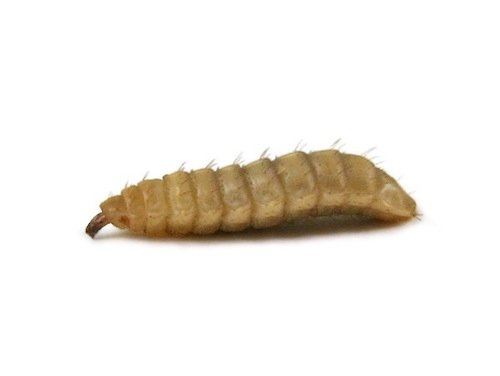
- Appearance: Small, elongated larvae with a segmented body.
- Intended use: Feeding suitable insectivorous reptiles, amphibians, fish and other animals.
- Nutritional components: Naturally occurring protein, fat, calcium and phosphorus.
- Size options: Available sizes depend on the supplier and current stock.
- Pack quantities: Check the product options for available counts and packaging.
Reptiworms are intended as animal feed. Always check the actual product specifications, quantity and recommended storage conditions before placing an order.
Why Choose Reptiworms?
Naturally Occurring Calcium
Black soldier fly larvae are known for their naturally occurring calcium content. Calcium is essential for normal bone development, muscle function and other physiological processes in reptiles and amphibians.
An appropriately managed feeding programme should account for the animal’s total calcium intake, including the contribution from feeder insects, other foods and any necessary supplements.
A Useful Source of Protein
Reptiworms contain protein, which contributes to normal growth, tissue maintenance and other biological functions. The amount available depends on the product’s moisture content and nutritional composition.
Protein requirements vary between species and life stages, so Reptiworms should be selected according to the needs of the animal being fed.
Convenient Alternative to Traditional Feeders
Reptiworms offer an alternative to common feeder insects such as crickets and mealworms. They can help diversify feeding options for animals that accept black soldier fly larvae.
A varied diet may be beneficial for many insectivorous species, provided each feeder is nutritionally appropriate and the overall feeding programme remains balanced.
Suitable for Certain Reptiles and Amphibians
Depending on prey size and species-specific dietary requirements, Reptiworms may be suitable for bearded dragons, leopard geckos, other insectivorous lizards, certain frogs and some aquatic animals.
Always check the feeding requirements of your particular species before introducing a new food.
Which Animals Can Eat Reptiworms?
Reptiworms may be suitable for a range of insect-eating animals, although suitability depends on the species, age, size and individual feeding needs.
Bearded Dragons
Bearded dragons are omnivorous reptiles that consume both plant matter and suitable animal prey. Black soldier fly larvae may contribute to the insect portion of an appropriately balanced diet.
The correct feeding approach depends on the dragon’s age, health and dietary requirements.
Leopard Geckos
Leopard geckos are insectivorous and require suitable live or otherwise appropriately prepared insect prey. Reptiworms may be considered as part of a varied feeding programme, provided the larvae are an appropriate size and the diet meets the gecko’s nutritional needs.
Other Insect-Eating Lizards
Some other insectivorous lizards may accept black soldier fly larvae. Confirm suitability for the particular species and life stage before feeding.
Frogs and Other Amphibians
Certain insectivorous frogs and other amphibians may consume suitably sized larvae. The prey must be appropriate for the animal’s mouth size, feeding behaviour and natural diet.
Fish and Other Suitable Animals
Some fish and other insect-eating animals may consume black soldier fly larvae where these are compatible with their normal diet and feeding environment.
Reptiworms are not suitable for every animal. Always prioritise species-specific dietary guidance over general recommendations.
Understanding the Nutritional Value of Reptiworms
One of the reasons black soldier fly larvae attract interest among reptile keepers is their nutritional profile, particularly their naturally occurring calcium.
However, nutritional values should not be treated as identical across all products. Moisture content, larval size, rearing substrate and processing can influence the proportions of protein, fat, calcium and phosphorus.
Calcium and Phosphorus
Calcium and phosphorus both contribute to normal skeletal development and other physiological processes. Their balance is important when formulating a feeding programme for reptiles and amphibians.
Black soldier fly larvae are often recognised for their favourable calcium-to-phosphorus profile compared with some conventional feeder insects. Nevertheless, the actual ratio can vary, and the nutritional composition of a particular product should be checked where precise values are required.
Protein and Fat
Protein supports growth and tissue maintenance, while fat provides energy. Both are important nutrients, but the appropriate intake depends on the animal’s species, age, activity level and overall diet.
Avoid assuming that a feeder insect with a favourable nutritional profile can meet every dietary requirement on its own.
Vitamins and Supplementation
Reptiworms should form part of a complete feeding plan rather than automatically replacing all other feeder insects or dietary components.
Some reptiles require carefully managed vitamin and mineral supplementation, while others obtain essential nutrients through a combination of suitable prey and other foods. Excessive supplementation can also be harmful.
Follow species-specific feeding recommendations and consult an exotic-animal veterinarian if you are uncertain about supplementation.
Choosing the Right Reptiworm Size
Selecting an appropriate feeder size helps make feeding safer and more manageable.
Smaller Larvae
Smaller larvae may be appropriate for certain juvenile reptiles and smaller insectivores that cannot safely consume larger prey. Check the available dimensions and make sure the larvae suit the animal’s feeding capabilities.
Larger Larvae
Larger larvae may be appropriate for some adult reptiles and other animals capable of consuming them safely. However, a larger feeder is not automatically a better choice.
How to Select the Correct Size
Before ordering, consider:
- The animal’s age and body size.
- The recommended prey size for its species.
- Its feeding ability and previous experience with larvae.
- The number of larvae required per feeding session.
- Any specific dietary restrictions or veterinary recommendations.
If your animal has difficulty eating, refuses food repeatedly or has a medical condition affecting its diet, seek professional guidance before making changes.
How to Store Reptiworms
Correct storage helps maintain feeder quality and reduces unnecessary waste. The appropriate storage method depends on whether the Reptiworms are supplied live, dried or in another prepared form.
Live Reptiworms
If supplied live, follow the seller’s instructions for temperature, ventilation, container requirements and storage duration. Avoid exposing the larvae to unsuitable temperatures or direct sunlight.
Do not assume that refrigeration is appropriate for every live-larva product. Use the storage method recommended for the particular stock you receive.
Dried or Processed Reptiworms
If the product is dried or otherwise processed, follow the packaging instructions. Keep it sealed and stored under the recommended conditions to help maintain quality.
Check the label for any best-before date, preparation instructions or restrictions.
Hygiene and Handling
Keep feeder products away from household chemicals, cleaning agents and potential contaminants. Use clean feeding equipment, and remove uneaten food from your animal’s enclosure when appropriate.
Feeding Recommendations
Offer Reptiworms only to animals for which black soldier fly larvae are an appropriate food. Introduce them in a way that suits the animal’s normal feeding behaviour and monitor its response.
For terrestrial reptiles, use a suitable feeding dish or feeding area where appropriate. For aquatic animals, confirm that the larvae are suitable for the feeding environment and will not compromise water quality.
Avoid leaving uneaten larvae or other food in the enclosure for extended periods where this could affect hygiene. Monitor the animal’s body condition, appetite and general health as part of its normal husbandry routine.
Reptiworms can contribute to dietary variety, but feeding frequency and quantity should be tailored to the species. Juvenile and adult animals may have different nutritional requirements, and some omnivorous reptiles also need an appropriate balance of plant matter.
If an animal repeatedly refuses food, loses weight or develops unusual symptoms, consult a qualified exotic-animal veterinarian.
Ordering Reptiworms Online
Before placing your order, review the product information and confirm:
- Whether the Reptiworms are live, dried or otherwise prepared.
- The available larval size.
- The number of larvae included in each pack.
- Current availability and dispatch arrangements.
- Recommended storage conditions.
- Shipping eligibility for your destination.
- Any applicable delivery or product-quality guarantee.
If ordering live feeder larvae, ensure you can receive the delivery promptly and have appropriate storage ready.
International customers should also check any applicable import requirements and restrictions for live insects or animal-feed products before purchasing.
Do not assume that a particular pack quantity, delivery timeframe or guarantee applies unless it is confirmed by the supplier’s current product and shipping policies.
Frequently Asked Questions
What are Reptiworms?
Reptiworms are black soldier fly larvae (Hermetia illucens) marketed as feeder food for suitable reptiles and other insect-eating animals.
Are Reptiworms the same as earthworms?
No. Reptiworms are the larvae of black soldier flies, whereas earthworms belong to a different group of animals. They have different nutritional profiles and husbandry requirements.
Are Reptiworms high in calcium?
Black soldier fly larvae are recognised for their naturally occurring calcium content. However, the exact amount varies with the product and rearing conditions, so consult the supplier’s nutritional information when precise values matter.
Can bearded dragons eat Reptiworms?
Black soldier fly larvae may be suitable for bearded dragons as part of an appropriately balanced diet. Feeding quantities and frequency should reflect the dragon’s age, health and overall nutritional requirements.
Can leopard geckos eat Reptiworms?
Some leopard geckos may accept black soldier fly larvae as part of a varied insect diet. Make sure the larvae are an appropriate size and that the overall diet meets the gecko’s nutritional needs.
Are Reptiworms suitable for frogs?
Certain insectivorous frogs may consume appropriately sized larvae. Confirm that the feeder is suitable for the frog’s species, mouth size and feeding behaviour.
Do Reptiworms need calcium dusting?
Black soldier fly larvae naturally contain calcium, but whether additional supplementation is required depends on the animal’s species, age, overall diet and husbandry. Do not assume that supplementation is never needed; follow species-specific veterinary or husbandry guidance.
How should I store Reptiworms?
Storage depends on the product format. Live larvae should be kept according to the supplier’s instructions, while dried or processed products should be stored as directed on the packaging.
Can Reptiworms be the only food for my reptile?
Not necessarily. Dietary requirements differ between species, and many reptiles need a varied diet or additional food sources to meet their nutritional needs. Use Reptiworms as part of an appropriate feeding programme.
Are Reptiworms suitable for baby reptiles?
They may be suitable for certain juvenile reptiles when the larvae are small enough and the species can safely consume them. Always select prey according to the animal’s size and developmental stage.
Buy Reptiworms for Your Feeding Programme
Explore our Reptiworms for Sale for a practical feeder option for suitable insectivorous reptiles, amphibians and other animals. Black soldier fly larvae offer naturally occurring calcium, protein and fat, making them a useful consideration for keepers looking to diversify an appropriate feeding routine.
Check the available product sizes, pack quantities and storage instructions before ordering. Choosing suitable prey and maintaining a balanced, species-appropriate diet are essential parts of responsible animal care.
| Choose size & quantity | 700 extra small, 1000 extra small, 700 small, 1000 small, 500 Medium, 1000 Medium, 500 Large, 1000 Large |
|---|
Be the first to review “Reptiworms for Sale”
Related products
Feeder Insects for Sale
Feeder Insects for Sale
Feeder Insects for Sale
Feeder Insects for Sale
Feeder Insects for Sale
Feeder Lizards for Sale
Feeder Insects for Sale
Feeder Insects for Sale
Reviews
There are no reviews yet.