

Ornate Box Turtle for Sale


€299,99
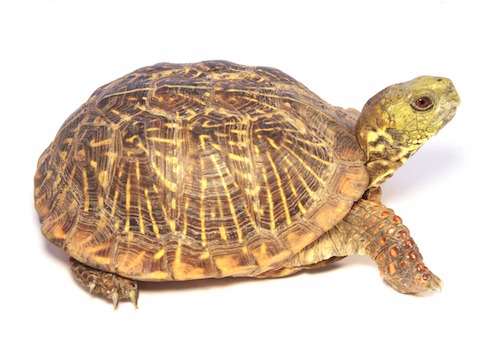
Looking for an Ornate Box Turtle for sale? The Ornate Box Turtle (Terrapene ornata) is a distinctive North American turtle known for its dark shell decorated with striking yellow lines.
This terrestrial species is admired for its fascinating behaviour, compact size and unique appearance.
With a suitable enclosure, proper UVB lighting, balanced diet and attentive care, Ornate Box Turtles can thrive in captivity.
Discover their characteristics and care requirements before choosing your turtle.
Ornate Box Turtle for Sale – A Unique North American Turtle
Looking for an Ornate Box Turtle for sale? The Ornate Box Turtle (Terrapene ornata) is a distinctive North American terrestrial turtle admired for its beautifully patterned shell, curious behaviour and fascinating natural history. Its dark brown to black shell, decorated with radiating yellow lines, gives this species an attractive appearance that stands out among other pet turtles.
Unlike aquatic turtles that spend much of their time swimming, Ornate Box Turtles are primarily land-dwelling reptiles adapted to grasslands, sandy plains and open habitats. Their manageable adult size and interesting behaviours make them appealing to experienced reptile keepers who can provide the appropriate enclosure, lighting, temperature, diet and long-term care.
If you are considering an Ornate Box Turtle as a pet, understanding its individual needs is essential before making a purchase. These turtles require specialised husbandry and are best suited to keepers who are prepared to provide a suitable environment throughout their long lives.
Why Choose an Ornate Box Turtle?
The Ornate Box Turtle is a remarkable species with several characteristics that make it interesting to observe and care for. Its distinctive appearance, terrestrial lifestyle and natural behaviours offer a rewarding experience for knowledgeable reptile enthusiasts.
- Distinctive shell pattern: The dark upper shell features yellow lines that radiate across individual shell plates, sometimes creating starburst-like patterns.
- Compact adult size: Most adults measure approximately 10–15 cm in shell length, although size varies between individuals.
- Interesting natural behaviour: These turtles explore their surroundings, forage for food, dig into suitable substrate and seek shelter when conditions change.
- Adapted for terrestrial living: Unlike primarily aquatic turtles, Ornate Box Turtles require a spacious land-based habitat with opportunities for burrowing, basking and hiding.
- Fascinating defensive adaptation: Their hinged lower shell helps them draw their body parts inside for protection when they feel threatened.
An Ornate Box Turtle is not simply a decorative reptile. It is an active animal with specific environmental and dietary needs, making proper preparation an important part of responsible ownership.
Ornate Box Turtle Appearance and Characteristics
The Ornate Box Turtle belongs to the genus Terrapene and is also commonly known as the Western Box Turtle. Its scientific name is Terrapene ornata.
Its upper shell, known as the carapace, is generally dark brown or nearly black, with numerous yellow or pale markings radiating across the shell plates. Some individuals have a noticeable yellow line running along the centre of the shell. The lower shell, or plastron, is usually dark and may display lighter markings.
The shell is relatively flat compared with the more domed shells of certain other box turtle species. Its sturdy legs and claws help it move across dry ground, dig into soft soil and search for food.
One of its most interesting features is the hinged plastron. When threatened, the turtle can pull its head and limbs inside its shell and close the hinged sections for protection. The hinge develops as the animal matures.
Adult males and females can differ in appearance, although reliable identification depends on the animal’s age and individual characteristics. Sex should be confirmed by an experienced reptile professional where possible.
Natural Habitat and Behaviour
Ornate Box Turtles are native to parts of central North America, where they inhabit prairies, grasslands, sandy plains and other relatively open environments. They are adapted to conditions that can become hot and dry, although they still require access to suitable shelter and moisture.
In their natural habitat, these turtles spend time searching for food, basking, moving through vegetation and digging into the ground. They may retreat beneath soil, leaf litter or other shelter to avoid extreme temperatures and unfavourable conditions.
In captivity, providing opportunities for these natural behaviours is important. A suitable enclosure should include a secure boundary, appropriate substrate, hiding places, a basking area and enough floor space for the turtle to explore.
Ornate Box Turtles should not be kept in small, bare enclosures simply because of their relatively compact size. They benefit from a carefully designed habitat that allows them to move freely and choose between warmer, cooler, drier and more humid areas.
Ornate Box Turtle Size and Lifespan
Adult Ornate Box Turtles commonly reach approximately 10–15 cm in shell length, although individual measurements can vary. Their final size depends on factors such as genetics, age, sex and overall health.
These turtles can live for several decades under appropriate conditions. Some may live much longer, so acquiring one represents a significant long-term commitment.
Before purchasing an Ornate Box Turtle, consider whether you can provide suitable housing, veterinary care, a balanced diet and consistent environmental conditions throughout its life.
Ornate Box Turtle Care Requirements
Proper care is essential for maintaining the health and wellbeing of an Ornate Box Turtle. Although this species is adapted to relatively dry natural environments, it still needs access to water, suitable humidity and opportunities to shelter from heat.
Housing and Enclosure
A spacious, secure enclosure is essential. Because Ornate Box Turtles are terrestrial, floor space is more important than enclosure height.
For one adult, a starting reference for indoor housing is approximately 120 × 60 cm of floor space, with a larger enclosure preferable whenever possible. Outdoor housing can also be suitable in an appropriate climate, provided the enclosure is secure and offers protection from predators, escape and extreme weather.
The enclosure should include:
- A well-draining substrate that supports natural digging behaviour.
- Secure hiding places where the turtle can retreat.
- A basking area with appropriate heat and UVB exposure.
- A cooler area that allows the turtle to regulate its body temperature.
- A shallow, stable water dish that is easy to enter and leave.
- Naturalistic features such as suitable plants, logs and leaf litter.
Outdoor enclosures must have secure boundaries, adequate shade and protection from predators. They should also prevent digging beneath the enclosure walls and climbing over the perimeter.
Temperature and Lighting
Ornate Box Turtles require a suitable temperature gradient so that they can move between warmer and cooler parts of their enclosure.
A commonly recommended starting range for the basking area is approximately 32–35°C, with a cooler area around 21–25°C. Exact requirements can vary with the turtle’s age, health, enclosure design and seasonal conditions.
Use appropriate thermometers to monitor both areas rather than relying on room temperature alone.
Indoor enclosures also require suitable UVB lighting to support normal calcium metabolism and shell and bone health. The lamp must be positioned at an appropriate distance and replaced according to the manufacturer’s guidance. A consistent day-and-night lighting cycle is also important.
Outdoor housing in a suitable climate may provide natural sunlight, but the turtle must always have access to shade and shelter. Never leave a turtle in a container or enclosure where it cannot escape excessive heat.
Substrate and Humidity
The substrate should allow the turtle to dig and rest comfortably while providing suitable drainage. A carefully prepared mixture of pesticide-free topsoil and washed play sand may be appropriate for some enclosures, provided it is free from harmful additives and contaminants.
Although Ornate Box Turtles are associated with relatively dry habitats, they should not be kept in completely dry conditions without access to moisture. Provide suitable humidity, a protected retreat and a shallow water dish, and monitor conditions carefully.
The enclosure should not remain persistently waterlogged, as poor drainage can contribute to unhealthy conditions.
Feeding an Ornate Box Turtle
Ornate Box Turtles are omnivorous. Their diet in the wild includes insects, worms and other invertebrates, along with selected plant material and fruit.
In captivity, their diet should be varied and nutritionally appropriate. Depending on the turtle’s age and individual needs, suitable foods may include:
- Earthworms and other appropriate feeder invertebrates.
- Properly raised insects, such as crickets and selected beetle larvae.
- Suitable leafy greens and edible plants.
- Small quantities of appropriate fruit as part of a balanced diet.
Young turtles often consume a greater proportion of animal-based foods than adults, although individual dietary requirements vary. Calcium and other nutritional supplementation should be provided when appropriate to the diet and veterinary advice.
Avoid feeding only one type of food. Do not offer toxic plants, pesticide-treated produce, spoiled food or unbalanced diets. Fresh drinking water should always be available.
Handling and Temperament
Ornate Box Turtles are fascinating to observe, but they are not necessarily animals that enjoy frequent handling. Excessive handling can cause stress, particularly during the settling-in period.
Allow a newly acquired turtle time to adjust to its enclosure before attempting unnecessary interaction. When handling is required for health checks or enclosure maintenance, support the animal securely with both hands and avoid dropping it or turning it upside down.
A turtle that retreats into its shell is displaying a natural defensive response. Give it space and allow it to emerge when it feels secure.
Is the Ornate Box Turtle Suitable for Beginners?
The Ornate Box Turtle is generally better suited to keepers with some reptile-keeping experience. Its terrestrial lifestyle may appear straightforward, but it requires careful management of lighting, heating, humidity, substrate, diet and enclosure security.
A beginner who has researched the species thoroughly and prepared an appropriate habitat may be able to care for one successfully. However, prospective owners should not choose this turtle solely because it is small or attractive.
Before buying, ensure that you have access to an exotic-animal veterinarian, understand the species’ dietary and environmental requirements, and can provide appropriate care throughout its lifespan.
Buying an Ornate Box Turtle Responsibly
When searching for an Ornate Box Turtle for sale, choose a reputable seller who can provide clear information about the animal’s origin, feeding history, health and care requirements.
Before completing your purchase, consider the following:
- Confirm whether the turtle is captive-bred or wild-caught.
- Ask about its age, approximate size and feeding habits.
- Request information about its current enclosure and environmental conditions.
- Check for clear eyes, normal movement and a shell without obvious damage or soft areas.
- Ask whether the turtle has undergone appropriate health checks and parasite assessment.
- Confirm the seller’s shipping arrangements and live-arrival policy, if applicable.
- Research the legal requirements for keeping, selling, importing or transporting the species in your country.
The availability of individual turtles, their prices, sex and captive-bred status should be confirmed directly with the seller rather than assumed.
Legal Considerations
Wildlife regulations can vary between countries and jurisdictions. Ornate Box Turtles may be subject to restrictions on collection, possession, trade, transport or international movement.
Before purchasing or importing one, check the applicable wildlife and animal-import regulations in your country. Where required, obtain the appropriate permits and documentation, and buy only from a seller who can establish the animal’s lawful origin.
Do not release a captive turtle into the wild. Releasing a non-native animal can harm local ecosystems and may be illegal.
Frequently Asked Questions
How big does an Ornate Box Turtle get?
Most adults reach approximately 10–15 cm in shell length, although the final size varies between individuals.
What does an Ornate Box Turtle eat?
It is an omnivore that eats a mixture of invertebrates, including worms and insects, and suitable plant foods. Its diet should be varied and appropriate for its age and nutritional needs.
Does an Ornate Box Turtle need a water tank?
No. It is primarily terrestrial and requires a land-based enclosure rather than an aquarium designed for aquatic turtles. It still needs access to a shallow water dish and suitable moisture.
Does an Ornate Box Turtle need UVB lighting?
Yes, indoor housing generally requires appropriate UVB lighting and a suitable basking area to support normal health and calcium metabolism.
Can Ornate Box Turtles live outdoors?
They can be housed outdoors where the climate and enclosure conditions are suitable. The habitat must provide secure boundaries, shade, shelter, appropriate drainage and protection from predators and extreme temperatures.
How long does an Ornate Box Turtle live?
Ornate Box Turtles can live for several decades, and some individuals may live much longer. Prospective owners should be prepared for a substantial long-term commitment.
Can Ornate Box Turtles live together?
Cohabitation requires careful consideration. Turtles may compete for food, shelter and basking areas, and males may display territorial or breeding-related aggression. Separate housing is often the safer starting point, particularly for inexperienced keepers.
How can you tell whether an Ornate Box Turtle is male or female?
Sex can sometimes be estimated from features such as tail length, eye colour and other mature anatomical characteristics. These differences are not always reliable in young turtles, so confirmation by an experienced reptile professional is preferable.
Is an Ornate Box Turtle a good pet?
It can be a rewarding animal for a keeper who understands its specialised needs. It is not a low-maintenance pet and requires a suitable habitat, a varied diet, correct lighting and heating, and access to appropriate veterinary care.
Find Your Ornate Box Turtle
The Ornate Box Turtle is an appealing choice for reptile enthusiasts who appreciate its striking shell pattern, terrestrial lifestyle and interesting natural behaviours. With the right preparation, a spacious enclosure and consistent care, it can be a fascinating animal to observe for many years.
If you are looking for an Ornate Box Turtle for sale, research the species carefully, confirm the seller’s information and make sure you can meet its long-term needs before purchasing. Responsible ownership begins with choosing a legally sourced, healthy animal and providing the right environment from the start.
| Choose Size | cb Desert Ornate Hatchling |
|---|---|
| Options | No Pref, Male, Female |
Be the first to review “Ornate Box Turtle for Sale”
Related products

Turtles for Sale
Turtles for Sale
Turtles for Sale
Turtles for Sale
Turtles for Sale
Turtles for Sale
Turtles for Sale

Turtles for Sale
Reviews
There are no reviews yet.