

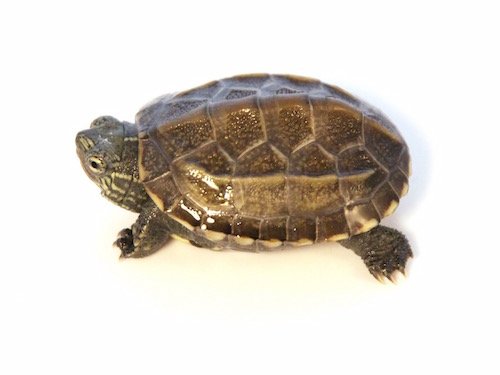
Reeves Turtle for Sale
€59,99
Looking for a Reeves Turtle for sale? The Reeves Turtle (Mauremys reevesii), also known as the Chinese Pond Turtle, is a fascinating freshwater species recognised by its distinctive three-ridged shell and earthy colouring.
This semi-aquatic turtle needs a spacious aquarium, clean filtered water, a dry basking platform, UVB lighting and a balanced omnivorous diet.
With proper care, it can live for decades, making it an appealing choice for dedicated reptile enthusiasts. Choose a responsibly sourced turtle and learn about its care requirements before purchasing.
Reeves Turtle for Sale – A Fascinating Freshwater Turtle
Looking for a Reeves Turtle for sale? The Reeves Turtle (Mauremys reevesii) is a distinctive freshwater turtle admired for its three prominent shell ridges, attractive earthy colouring and active aquatic behaviour.
Also known as the Chinese Pond Turtle or Chinese Three-Keeled Pond Turtle, this species originates from East Asia and is an interesting choice for reptile enthusiasts who can provide a suitable aquatic habitat.
Reeves Turtles are semi-aquatic reptiles that spend time swimming, exploring underwater surroundings and basking on dry surfaces. Their relatively modest adult size compared with some other pond turtles makes them appealing to keepers seeking a smaller freshwater species.
However, these turtles still require a spacious enclosure, clean and well-filtered water, appropriate heating, UVB lighting and a balanced diet. Before purchasing a Reeves Turtle, it is important to understand its long-term care requirements and ensure that you can provide a healthy environment throughout its life.
Why Choose a Reeves Turtle?
The Reeves Turtle is popular among freshwater turtle enthusiasts because of its distinctive appearance, active behaviour and interesting natural history.
- Distinctive three-keeled shell: Three raised ridges run lengthwise along the upper shell, giving the species its characteristic appearance.
- Manageable adult size: Many adults reach approximately 12–20 cm in shell length, although larger individuals occur.
- Active aquatic behaviour: These turtles enjoy swimming, exploring their enclosure and searching for food.
- Enjoys basking: A suitable dry basking platform allows the turtle to leave the water, warm itself and dry its shell.
- Omnivorous diet: Its diet can include suitable animal-based foods and plant material.
- Long-term companionship: With proper care, Reeves Turtles can live for several decades.
Their appearance and behaviour make them fascinating to observe. As with any aquatic turtle, however, good water quality and appropriate housing are essential to their wellbeing.
Reeves Turtle Appearance and Characteristics
The Reeves Turtle belongs to the family Geoemydidae and has the scientific name Mauremys reevesii.
Its most recognisable feature is its oval-shaped upper shell, known as the carapace. Three raised longitudinal keels run from front to back, giving the shell a ridged appearance. The shell is commonly brown, olive or greyish, while the skin may be olive, grey or brown with lighter markings around the head and neck.
The lower shell, called the plastron, is generally yellowish or tan and may feature dark markings.
Adult males are often smaller and slimmer than females. Some mature males develop considerably darker pigmentation, sometimes appearing almost black. Females typically retain lighter colouring and may grow larger, although individual variation is common.
The turtle’s sturdy limbs and webbed feet help it move through freshwater environments. It is adapted for swimming, although individuals may vary in their confidence and swimming ability.
Natural Habitat and Behaviour
Reeves Turtles are native to East Asia, with populations associated with China, Korea, Japan and Taiwan. Their natural habitats include ponds, marshes, slow-moving streams, shallow freshwater bodies and other wetlands.
These environments provide opportunities for swimming, feeding, basking and hiding among aquatic vegetation.
In captivity, Reeves Turtles benefit from an enclosure that recreates these basic conditions. They need sufficient water to swim, an accessible dry platform for basking and underwater features that provide resting places and shelter.
Although they spend much of their time in water, they must be able to leave it completely to bask. A suitable habitat should allow the turtle to move between aquatic and dry areas without difficulty.
Reeves Turtle Size and Lifespan
Reeves Turtles generally reach approximately 12–20 cm in shell length as adults, although size varies with sex, genetics, age and individual development. Some specimens may grow larger.
Females are often larger and broader than males, so the enclosure should be planned around the turtle’s expected adult size rather than its size at the time of purchase.
With appropriate husbandry, Reeves Turtles can live for approximately 20–30 years or longer. Their lifespan makes them a significant long-term commitment.
Before purchasing one, consider the space required for a fully grown turtle, the ongoing cost of filtration and lighting, regular food supplies and access to veterinary care.
Reeves Turtle Care Guide
Providing the correct environment is essential for maintaining the health and wellbeing of a Reeves Turtle. Its enclosure must support normal swimming, basking, feeding and temperature regulation.
Aquarium and Enclosure Requirements
Reeves Turtles require a spacious freshwater aquarium or purpose-built aquatic enclosure. Although hatchlings are small, they should not remain in an undersized habitat as they grow.
For one adult, an aquarium approximately 100–120 cm long is a useful starting point, with a larger enclosure preferable, especially for a large female. Adequate water volume and floor space are important for maintaining stable water quality and allowing natural movement.
An appropriate enclosure should include:
- A spacious swimming area with suitable water depth.
- A completely dry basking platform.
- An accessible ramp or other safe route out of the water.
- A reliable filtration system.
- Appropriate heating and UVB lighting.
- Secure hiding places and suitable underwater features.
- A secure cover or barrier to prevent escapes.
Water depth should be adjusted to the turtle’s size and swimming ability. Healthy, confident swimmers can use deeper water, while hatchlings and weaker individuals may need shallower water with easy access to the surface and resting points.
Avoid decorations that can trap the turtle underwater or prevent it from reaching the surface to breathe.
Water Quality and Filtration
Clean water is one of the most important aspects of Reeves Turtle care. Turtles produce considerable waste relative to their size, and poor water quality can contribute to skin, shell and other health problems.
Use a reliable filter rated for a turtle aquarium, taking into account the actual water volume and the amount of waste produced. Turtle enclosures often require stronger filtration than a similarly sized aquarium containing fish.
Good water maintenance includes:
- Removing uneaten food and visible waste.
- Performing regular partial water changes.
- Monitoring water quality with suitable aquarium test kits.
- Cleaning filter components according to the manufacturer’s instructions.
- Avoiding unnecessary changes to the entire enclosure at once.
A filter does not eliminate the need for water changes. The maintenance schedule should reflect the enclosure size, filtration capacity and number of turtles.
Water Temperature and Heating
Reeves Turtles need suitable water temperatures to support normal activity, digestion and overall health.
A water temperature around 22–26°C is a useful starting reference for many captive individuals, but the appropriate range depends on age, health and seasonal management. Use an aquarium thermometer to monitor the water consistently.
A separate basking area should be warmer than the surrounding environment. A basking surface around 30–32°C is a reasonable starting target, subject to reliable species-specific husbandry guidance.
Use suitable equipment to maintain stable conditions, and ensure that heaters are protected so the turtle cannot burn itself or damage them.
Avoid exposing the turtle to sudden temperature changes. If you are uncertain about the appropriate temperature range, consult an experienced aquatic reptile keeper or exotic-animal veterinarian.
UVB Lighting and Basking
UVB lighting is an important part of indoor Reeves Turtle care. It supports vitamin D3 production and calcium metabolism, helping maintain healthy bones and shell development.
The enclosure should provide a basking platform where the turtle can leave the water completely and dry off. Position the heat lamp and UVB lamp according to the manufacturers’ recommended distances and installation requirements.
Provide a regular day-and-night lighting schedule, and replace UVB bulbs as recommended because their useful UVB output may decline over time.
The basking area must be easy to access and large enough for the turtle to rest comfortably. The turtle should also be able to return to cooler water whenever it needs to regulate its body temperature.
Feeding a Reeves Turtle
Reeves Turtles are omnivorous. Their diet includes animal-based foods as well as suitable aquatic plants and other plant material.
Young turtles often consume a greater proportion of animal-based foods, while adults may eat more plant material. Individual needs vary, so feeding should be adjusted according to age, body condition and activity.
Suitable foods may include:
- High-quality commercial aquatic turtle pellets.
- Earthworms and suitable feeder insects.
- Appropriate freshwater invertebrates.
- Small amounts of suitable fish as part of a varied diet.
- Safe aquatic plants and selected leafy greens.
- Other nutritionally appropriate foods recommended by a reptile veterinarian.
A complete commercial turtle food can help provide consistent nutrition, but variety remains important. Avoid relying exclusively on dried shrimp, meat or a single food item.
Calcium supplementation may be appropriate depending on the diet and UVB exposure. Follow a suitable nutritional plan and avoid excessive supplementation.
Feed appropriate portions and remove uneaten food to prevent water contamination. Juveniles generally require more frequent feeding than adults, while mature turtles often do well with feeding schedules that allow time between meals.
Handling and Temperament
Reeves Turtles are active animals that are usually best observed in their enclosure rather than handled frequently. Individual temperaments vary, and some may become accustomed to their keepers over time.
Avoid unnecessary handling, as it can cause stress. When handling is required for cleaning or health checks, support the turtle securely with both hands and keep it close to a stable surface.
Wash your hands thoroughly after touching the turtle or its water, equipment and enclosure. Like other reptiles, Reeves Turtles can carry Salmonella bacteria even when they appear healthy.
Observe the turtle regularly for changes in appetite, swimming ability, breathing, movement or shell condition. Persistent abnormalities should be assessed by a qualified reptile veterinarian.
Is the Reeves Turtle Suitable for Beginners?
Reeves Turtles can be suitable for keepers who have researched aquatic turtle care and prepared the correct enclosure. Their relatively modest size makes them attractive compared with some larger freshwater turtles, but they are not maintenance-free pets.
The main responsibilities include maintaining clean water, managing filtration, providing appropriate basking and UVB lighting, offering a balanced diet and monitoring health.
A beginner should prepare the complete habitat before bringing a turtle home. It is also important to understand that an adult will require considerably more space and filtration than a small hatchling.
Buying a Reeves Turtle Responsibly
When searching for a Reeves Turtle for sale, choose a reputable seller who can provide clear information about the animal’s origin, health, feeding history and care requirements.
Before making a purchase, consider the following:
- Captive-bred status: Ask whether the turtle was bred in captivity and request reliable information about its origin.
- Health condition: Look for clear eyes, normal movement, regular breathing and a shell without obvious damage or soft areas.
- Swimming ability: Observe whether the turtle can swim, surface and leave the water safely.
- Feeding history: Confirm which foods the turtle accepts and whether it is feeding consistently.
- Age and size: Ask for its approximate age and current shell length.
- Sex: If sex is important to you, ask whether it has been reliably identified.
- Husbandry history: Request details about water temperature, filtration, lighting and previous housing.
- Transport arrangements: Confirm that any shipping method is appropriate for a live reptile and complies with applicable rules.
- Legal documentation: Ensure the seller can provide the documents required to establish lawful origin and trade.
The price, age, sex, captive-bred status and availability of individual turtles should be confirmed directly with the seller rather than assumed.
Legal and Conservation Considerations
Wild Reeves Turtle populations have experienced significant pressure from collection and other threats. Responsible buyers should favour legally sourced, captive-bred animals where possible.
The species is subject to international and regional wildlife-trade requirements, including relevant CITES and European Union rules. Requirements may differ according to the country, the origin of the animal and the type of transaction.
Before purchasing, selling or importing a Reeves Turtle, check the current regulations that apply to your location. Obtain any required documentation and do not assume that rules are identical throughout Europe.
Never release a captive turtle into the wild. Released animals can face unsuitable conditions and may introduce disease or other risks to local ecosystems.
Frequently Asked Questions
How big does a Reeves Turtle get?
Many adults reach approximately 12–20 cm in shell length, although some individuals grow larger. Females are often larger than males.
Why is it called a Three-Keeled Pond Turtle?
The name refers to the three raised ridges running lengthwise along its upper shell. These keels give the species its characteristic appearance.
What does a Reeves Turtle eat?
It eats a varied omnivorous diet that may include aquatic turtle pellets, suitable insects, earthworms, freshwater invertebrates and selected plant foods.
Does a Reeves Turtle need an aquarium?
Yes. It is a freshwater, semi-aquatic turtle that needs a spacious aquatic enclosure with clean water and a dry basking platform.
Does a Reeves Turtle need UVB lighting?
Appropriate UVB lighting is generally recommended for indoor housing to support normal calcium metabolism and healthy shell and bone development.
What temperature does a Reeves Turtle need?
A water temperature around 22–26°C is a useful starting reference for many captive individuals, alongside a warmer basking area. Actual requirements should be adjusted according to age, health and reliable species-specific care guidance.
How long does a Reeves Turtle live?
With suitable care, Reeves Turtles can live for approximately 20–30 years or longer. Prospective owners should be prepared for a substantial long-term commitment.
Can Reeves Turtles live with other turtles?
Cohabitation requires careful monitoring because turtles may compete for food, space and basking areas. Aggression and injury can occur, and separate housing is often the safest option if compatibility cannot be established.
Is the Reeves Turtle a good pet?
It can be an interesting pet for a keeper who can provide suitable aquatic housing, reliable filtration, correct lighting, appropriate food and consistent maintenance.
Can Reeves Turtles live outdoors?
Outdoor ponds may be suitable in an appropriate climate, provided water quality, temperatures, basking facilities and security are maintained. In climates with unsuitable seasonal temperatures, a properly controlled indoor enclosure may be more appropriate.
Find Your Reeves Turtle
The Reeves Turtle is a distinctive freshwater reptile known for its three-keeled shell, active behaviour and relatively compact adult size. Its interesting appearance and aquatic lifestyle make it appealing to reptile enthusiasts who can provide the right environment.
If you are looking for a Reeves Turtle for sale, research its requirements, prepare a spacious and well-filtered enclosure, and choose a reputable seller who can establish the animal’s lawful origin. With appropriate care and a long-term commitment, this fascinating turtle can be a rewarding addition to a well-maintained aquatic reptile setup.
| Choose Size | cb Hatchling |
|---|---|
| Options | No Pref, Male, Female |
Be the first to review “Reeves Turtle for Sale”
Related products
Turtles for Sale
Turtles for Sale
Turtles for Sale
Turtles for Sale
Turtles for Sale
Turtles for Sale
Turtles for Sale
Turtles for Sale
Reviews
There are no reviews yet.