

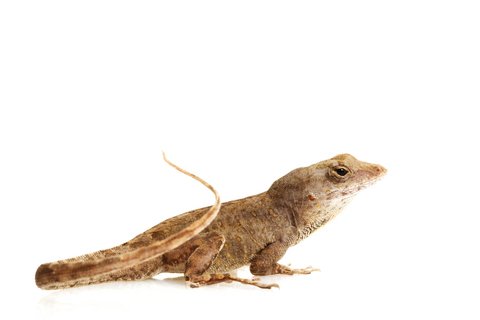
Feeder Anoles for Sale
Price range: €69,99 through €109,99
Our Feeder Anoles for Sale provide a live prey option for suitable lizard-eating snakes and other carnivorous reptiles. These active lizards are available in adult sizes, with multiple-pack options subject to availability.
Ideal for experienced keepers seeking alternative prey for animals whose natural diets include lizards, our feeder anoles should be selected according to the predator’s size and feeding requirements. Check current stock, pack quantities and delivery conditions before ordering.
Feeder Anoles for Sale – Live Feeder Lizards for Reptiles
Our Feeder Anoles for Sale offer a live prey option for keepers of snakes and other carnivorous reptiles whose natural diets include small lizards. Anoles are active, agile reptiles known for their slender bodies, long tails and quick movements. For suitable predators, appropriately selected feeder anoles can provide an alternative to more commonly used prey items.
Whether you maintain a specialist reptile collection or care for an animal with particular feeding preferences, choosing suitable feeder lizards is an important part of responsible husbandry. Explore the available feeder anoles, check the size and quantity options, and select an appropriate option for your animal’s dietary requirements.
Live Feeder Anoles for Reptile Feeding
Anoles belong to the genus Anolis, a diverse group of lizards found across parts of the Americas and the Caribbean. They are generally insectivorous in their natural diets, although they may also consume other small prey depending on the species.
Live feeder anoles are intended for predators that naturally consume lizards. Certain snakes and other carnivorous reptiles may accept them as prey, particularly when lizards form part of their established feeding routine.
However, not every reptile requires or benefits from whole-lizard prey. Before ordering, consider the predator’s species, size, age, feeding history and nutritional requirements. Selecting suitable prey helps support a feeding routine that reflects the animal’s needs.
Feeder Anole Product Features
- Product type: Live feeder lizards.
- Animal group: Anoles (Anolis species).
- Size range: Adult-sized feeder anoles, subject to availability.
- Purchase options: Multiple-lizard packs may be available.
- Intended use: Feeding suitable lizard-eating snakes and other carnivorous reptiles.
- Selection: Confirm the available quantities, sizes and product details before ordering.
The exact anole species, individual sizes and pack quantities should be confirmed against current stock. These feeder animals are offered for feeding purposes and should not automatically be treated as pet-quality lizards.
Why Choose Feeder Anoles?
An Alternative Live Prey Option
Some predators naturally consume lizards as part of their diets. Feeder anoles may provide an alternative prey item for animals that are known to accept and safely consume small lizards.
Always check that the selected prey is suitable for the intended predator before introducing it into a feeding routine.
Convenient Bulk Quantities
Purchasing feeder anoles in suitable quantities can help experienced keepers organise feeding supplies for their reptile collections. Depending on availability, packs may provide a practical option for those who require multiple feeder lizards.
Choose quantities according to your animals’ feeding schedules and your ability to provide suitable temporary housing. Buying in bulk should never compromise animal welfare or lead to prolonged storage in inadequate conditions.
Suitable Prey Selection
Different predators have different feeding requirements. Adult-sized feeder anoles may be appropriate for some larger predators, but their suitability depends on the size and feeding capabilities of the individual animal.
Check the supplier’s size information and choose prey that can be consumed safely.
Practical Feeding Preparation
Planning ahead helps maintain a consistent feeding routine. Before ordering, make sure you have appropriate housing for the feeder lizards, understand the needs of the intended predator and can receive the delivery under suitable conditions.
Which Animals Can Eat Feeder Anoles?
Feeder anoles may be suitable for certain lizard-eating snakes and other carnivorous reptiles that naturally consume small vertebrate prey.
Suitability depends on the species and individual animal. Some snakes primarily eat rodents, birds, eggs, fish or other prey, while many pet lizards depend mainly on insects and other invertebrates.
Before offering feeder anoles, consider:
- The natural diet of your reptile.
- Its age, size and physical condition.
- Its previous experience with lizard prey.
- The size and condition of the feeder anole.
- The nutritional balance of its overall diet.
Do not introduce anoles simply because an animal is carnivorous. If you are unsure whether lizards are an appropriate food source, consult a qualified exotic-animal veterinarian or a reliable species-specific care guide.
Choosing the Right Feeder Anole Size
Selecting an appropriate prey size is essential for safe feeding. Prey that is too large may cause feeding difficulties, while prey that is unsuitable for the predator may be rejected.
Adult Feeder Anoles
Adult-sized anoles may suit certain predators that can safely consume prey of the corresponding size. However, adult anoles vary in dimensions according to their species and individual development.
Check the actual size range offered by the supplier instead of relying on the general term “adult-sized”.
Matching Prey to Your Reptile
When selecting feeder anoles, consider the predator’s established feeding recommendations and its ability to consume whole-lizard prey safely.
Do not assume that every adult-sized anole is suitable for every snake or reptile. If your animal has a specialised diet, follow guidance specific to that species.
Responsible Sourcing and Feeder Quality
The origin and condition of feeder animals are important considerations when purchasing live prey. Choose suppliers that provide clear information about the animals they sell and their sourcing practices.
Where available, documented captive-bred stock may offer better traceability than animals of uncertain origin. However, captive breeding alone does not guarantee that an animal is free from parasites or infectious diseases.
Wild-caught animals may carry additional uncertainties relating to their previous environment, parasite exposure and health history. Consider these factors when choosing a supplier.
Responsible feeder management includes:
- Checking animals for visible injuries or signs of illness.
- Keeping feeder anoles separate from resident reptiles.
- Using appropriate hygiene practices and separate equipment where necessary.
- Avoiding the introduction of feeder animals into permanent pet enclosures.
- Following suitable quarantine and biosecurity procedures.
- Never releasing unwanted feeder anoles into the environment.
Good hygiene and responsible sourcing can help reduce unnecessary health risks for both feeder animals and the reptiles that consume them.
How to Keep Feeder Anoles Before Feeding
Feeder anoles are living reptiles and require suitable care before they are offered as prey. Temporary housing should provide appropriate environmental conditions and minimise stress.
Provide a secure, escape-proof enclosure with suitable ventilation, temperature, hiding places and access to water. Anoles are primarily insectivorous, so appropriate food and hydration should also be considered when temporary holding extends beyond a brief period.
Avoid overcrowding, excessive handling and prolonged storage in unsuitable conditions. Monitor the animals for signs of stress, injury or illness, and maintain a clean environment.
Keep feeder anoles away from their intended predators until feeding. Separate housing makes it easier to monitor their condition and prevents unnecessary injury.
If a feeder anole appears ill or injured, do not assume it is suitable for feeding. Seek appropriate animal-welfare advice and follow responsible procedures for its care.
Feeding Recommendations for Live Anoles
Feeder anoles should only be offered to animals for which lizards are an appropriate prey item. Feeding decisions should reflect the predator’s natural diet, size, health and established feeding routine.
Use an appropriate feeding environment and monitor the predator’s response. Avoid leaving live prey unattended with a predator for extended periods, particularly where the prey could injure or stress the animal.
Remove uneaten prey promptly and return it to appropriate housing where suitable. Never force-feed a reptile without professional guidance.
If a reptile repeatedly refuses food, loses weight or shows other signs of illness, consult a qualified reptile veterinarian instead of repeatedly changing prey types.
Feeder anoles should not automatically replace all other food sources. Different reptiles have different nutritional requirements, and an appropriate feeding programme may require a range of prey items.
Ordering Feeder Anoles Online
Before purchasing feeder anoles, review the available product variations and confirm the following:
- The species or type of anole supplied.
- The available size range.
- The number of animals included in each pack.
- Current stock and dispatch arrangements.
- Delivery eligibility for your destination.
- Any applicable live-arrival guarantee.
- The procedure for reporting delivery problems.
Live-animal shipping requires careful planning. Weather conditions, transport schedules and destination restrictions can affect dispatch and delivery.
Make sure you can receive the animals promptly and have suitable temporary housing ready before they arrive. Check the supplier’s current shipping policy and any applicable guarantee rather than assuming particular delivery times or conditions.
International buyers should also confirm applicable import permits, animal-health requirements and restrictions on the transport of live reptiles before placing an order.
Frequently Asked Questions
What are feeder anoles?
Feeder anoles are live lizards from the genus Anolis sold as prey for suitable carnivorous animals. They are intended for feeding purposes rather than necessarily being offered as companion pets.
Which reptiles can eat feeder anoles?
Certain lizard-eating snakes and other carnivorous reptiles may consume anoles. Suitability depends on the animal’s natural diet, size, health and feeding history.
Can I feed anoles to any snake?
No. Many snakes primarily eat rodents, birds, fish, eggs or other prey. Anoles should only be offered when lizards are an appropriate food source for the species.
What size feeder anoles should I buy?
Choose prey according to the predator’s recommended feeding range and ability to consume lizards safely. Check the actual size information supplied with the product before ordering.
Are feeder anoles suitable for pet keeping?
Feeder anoles are sold for feeding purposes, and their suitability for long-term pet keeping may not have been assessed. If you want an anole as a pet, choose an animal specifically offered for that purpose and research its husbandry requirements.
How should feeder anoles be housed before feeding?
Provide a secure, clean enclosure with suitable temperature, ventilation, hiding places and access to water. Avoid overcrowding and prolonged storage without appropriate care.
Should feeder anoles be kept separate from other reptiles?
Yes. Keep feeder animals separate from resident reptiles and their permanent enclosures. Appropriate hygiene and biosecurity procedures help reduce the risk of introducing parasites or infectious diseases.
Can unused feeder anoles be released outdoors?
No. Releasing captive animals can spread disease and introduce non-native species into local ecosystems. Do not release unwanted anoles into the wild. Seek responsible rehoming options or advice from the relevant local authority.
Do feeder anoles arrive alive?
Live-arrival conditions depend on the supplier’s current shipping policy. Review the applicable guarantee, delivery arrangements and reporting requirements before purchasing.
Buy Feeder Anoles for Your Reptile Feeding Programme
Explore our Feeder Anoles for Sale for a live prey option intended for suitable lizard-eating snakes and other carnivorous reptiles. Review the available pack quantities and size information, confirm that anoles are appropriate for your animal, and prepare suitable housing for the feeder lizards before delivery.
Responsible prey selection, appropriate temporary care and good hygiene practices are essential when incorporating live feeder anoles into a species-appropriate feeding routine.
| Choose quantity | 12 Feeder Anoles, 25 Feeder Anoles |
|---|
Be the first to review “Feeder Anoles for Sale”
Related products
Feeder Insects for Sale
Feeder Insects for Sale
Feeder Lizards for Sale
Feeder Insects for Sale
Feeder Insects for Sale
Feeder Insects for Sale
Feeder Insects for Sale
Feeder Insects for Sale
Reviews
There are no reviews yet.