

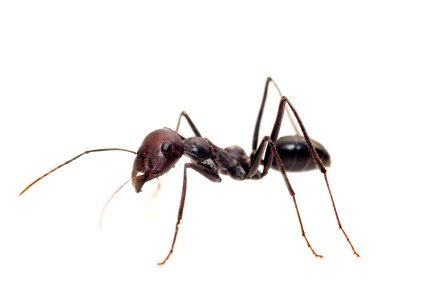
Ants for Sale
Price range: €22,99 through €55,99
Explore our Ants for Sale for a specialised live insect option. Before ordering, check the exact species, quantity and intended use, as ant species differ in size and defensive behaviour.
Choose responsibly sourced ants and ensure they are suitable for your intended purpose. Secure containment and careful handling are essential when keeping live ants.
Ants for Sale – Live Feeder Ants for Suitable Insect-Eating Animals
Explore our Ants for Sale for a distinctive live insect option for keepers seeking suitable ant species for specialised feeding purposes. Ants are fascinating insects known for their complex social behaviour, strong mandibles, varied body shapes and remarkable adaptability. Depending on the species, they may also form part of the natural diets of certain insectivorous animals.
When selecting ants as feeder insects, it is important to consider their species, size, behaviour and potential defensive mechanisms. Some ants can bite, sting or release defensive chemicals, making them unsuitable for certain reptiles, amphibians and other animals. Always confirm that the ants are appropriate for your intended animal before purchasing.
Whether you maintain a specialist animal collection or require a particular type of live insect, choosing appropriately sourced ants and handling them responsibly are essential parts of a safe feeding routine.
Live Ants for Specialised Feeding Requirements
Ants belong to the family Formicidae and are found in a wide range of habitats worldwide. Their characteristics vary considerably between species, including body size, colour, diet, colony structure and defensive behaviour.
Some insectivorous animals naturally consume ants or other small invertebrates. However, not all ants are suitable feeder insects, and their nutritional contribution depends on the species and the animal consuming them.
Our Ants for Sale product should be selected according to the actual species and product details provided by the supplier. Check the listing for confirmed identification, quantity, size and intended use before placing an order.
Ant Product Features
- Product type: Live ants, subject to the specific product listing.
- Animal group: Ants belonging to the family Formicidae.
- Intended use: Specialised feeding applications where the species is appropriate.
- Species selection: Confirm the exact species offered before ordering.
- Quantity: Check the available pack sizes and product variations.
- Availability: Species and quantities may vary according to current stock.
The exact species, colony composition and quantity should be verified against the current product listing. Do not assume that every ant product contains a complete colony or that all ants are suitable for feeding.
Why Consider Ants as Feeder Insects?
A Natural Prey Option for Certain Animals
Some insectivorous animals consume ants in their natural habitats. Where the species is suitable, appropriately selected ants may contribute to a feeding programme that reflects the animal’s natural dietary behaviour.
However, natural consumption does not automatically mean that every ant species is safe to offer in captivity.
Variety in Specialised Feeding Programmes
Ants may provide an alternative in feeding programmes for certain animals with specialised dietary requirements. Their suitability depends on the predator, the ant species and the quantity offered.
Do not introduce ants simply to add variety without first checking whether they are appropriate for the intended animal.
Different Species and Characteristics
Ant species differ in size, defensive behaviour and nutritional composition. Some have powerful mandibles, some can sting, and others produce defensive chemicals.
Species identification is therefore particularly important when choosing ants for feeding purposes.
Responsible Sourcing
Purchasing ants from a supplier that can identify the species and explain its origin helps you make a more informed decision. Avoid using unidentified wild-collected ants, particularly where pesticide exposure or other environmental contamination is possible.
Which Animals Can Eat Ants?
Some insectivorous animals consume ants, but suitability varies considerably. The intended animal’s natural diet, size, health and feeding behaviour must all be considered.
Before purchasing ants for feeding, consider:
- Whether ants form part of the animal’s established diet.
- The identity and size of the ant species.
- Whether the ants bite, sting or produce defensive chemicals.
- The risk of injury or irritation to the animal.
- Whether the ants may carry pesticides, parasites or other contaminants.
- Whether a safer, established feeder insect would be more appropriate.
Many reptiles and amphibians are better suited to other feeder insects, such as appropriately sized crickets, roaches or larvae. Consult a qualified exotic-animal veterinarian or a reliable species-specific care guide before introducing ants into your animal’s diet.
Choosing the Right Ant Species
Species selection is one of the most important considerations when purchasing ants.
Species Identification
Confirm the scientific or common name of the ants being offered. General descriptions such as “small ants” or “black ants” are insufficient to establish their suitability for feeding.
Size and Feeding Suitability
Choose a species and size appropriate for the intended animal. Even small ants may pose a risk if they have strong mandibles, sting or release irritating chemicals.
Defensive Behaviour
Some ants defend themselves aggressively when disturbed. Depending on the species, they may bite, sting or use chemical defences.
Avoid offering defensive ants to vulnerable animals or species that could be injured by them.
Quantity and Intended Use
Check whether the product contains individual ants, workers or another specified grouping. Do not assume that a pack contains a queen or a complete colony unless this is expressly confirmed.
Responsible Sourcing and Safety
The origin and condition of feeder insects are important considerations. Ants collected from gardens, pavements or other outdoor locations may have been exposed to pesticides, insecticides or other contaminants.
For responsible purchasing:
- Choose a supplier that can identify the ant species.
- Ask about sourcing and handling practices where information is available.
- Avoid ants collected from areas treated with pesticides.
- Do not feed ants of unknown origin to sensitive animals.
- Keep feeder insects securely contained.
- Prevent escaped ants from establishing colonies outside their intended environment.
- Follow applicable rules governing the possession, transport and importation of live ants.
Some ant species can become invasive outside their native ranges. Responsible containment is particularly important when keeping or transporting non-native species.
Handling and Temporary Housing
If you purchase live ants, follow the supplier’s instructions for their safe handling and temporary care.
Use a secure, escape-resistant container appropriate for the species. Ants can escape through very small gaps, so check openings and closures carefully.
Environmental requirements vary between species. Some require higher humidity, while others are adapted to drier environments. Avoid assuming that one temperature or humidity range is suitable for all ants.
If the product contains a colony, its housing and care requirements may differ substantially from those of ants sold specifically as feeder insects. Confirm the product type before attempting to establish a permanent nest.
Keep ants away from resident animals until you are certain that their intended use is appropriate. Avoid direct contact between ants and animals that could be bitten, stung or exposed to defensive chemicals.
Feeding Recommendations
Only offer ants to an animal when their species and characteristics are known to be suitable. Do not use unidentified ants or assume that a species is safe simply because it is small.
Where ants are considered appropriate, follow specialist guidance on preparation, quantity and feeding method. Monitor the animal closely and prevent ants from escaping into its enclosure or causing injury.
Do not leave potentially defensive ants with a vulnerable animal unattended. If you are uncertain about their safety, choose an established feeder species recommended for your animal instead.
Ants should not be assumed to provide a complete or balanced diet. Nutritional needs differ between species, and many insectivorous animals require a varied feeding programme with appropriate supplementation.
If your animal has a specialised diet, repeatedly refuses food or develops signs of illness after feeding, seek advice from a qualified exotic-animal veterinarian.
Ordering Ants Online
Before placing an order, review the product information and confirm the following:
- The exact ant species.
- Whether the product contains feeder ants or a colony intended for keeping.
- The number and type of ants supplied.
- Current availability and dispatch arrangements.
- Recommended handling and housing conditions.
- Shipping eligibility for your destination.
- Applicable live-arrival terms or product guarantees.
Live-insect transport requires suitable packaging and environmental conditions. Confirm that you can receive the order promptly and have appropriate containment ready before the ants arrive.
International buyers should also check import restrictions, animal-health requirements and regulations governing live insects. Certain species may be restricted or prohibited in particular destinations.
Do not assume that international delivery, a particular shipping timeframe or a live-arrival guarantee is available unless the supplier’s current policies confirm it.
Frequently Asked Questions
What are feeder ants?
Feeder ants are ants supplied for feeding purposes where a particular ant species is appropriate for the intended animal. Their suitability depends on species identification, size, behaviour and nutritional considerations.
Can all reptiles eat ants?
No. Reptiles have different dietary requirements, and some ants can bite, sting or release defensive chemicals. Check the dietary needs of your particular species before considering ants as food.
Are wild ants safe for feeding?
Wild-collected ants may have been exposed to pesticides or other contaminants, and their species may be unknown. It is safer to use appropriately sourced insects whose identity and suitability can be established.
Do ants bite or sting?
Some species bite, some sting, and others use chemical defences. Defensive behaviour varies between species, so identification is essential before handling or using ants as feeders.
How should live ants be stored?
Use secure containment and follow species-specific instructions for temperature, humidity and other environmental conditions. Prevent escapes and avoid exposing ants to unsuitable conditions.
Can ants be kept as pets instead of used as feeders?
Some ants are kept in colonies as pets, but this requires appropriate housing, food, moisture and long-term care. Confirm whether the product is sold as feeder insects or as a colony intended for keeping.
Can ants be released outdoors if they are no longer needed?
Do not release purchased ants into the environment. Non-native species can establish populations and harm local ecosystems. Follow appropriate containment and disposal guidance.
Do live ants arrive alive?
Delivery conditions depend on the supplier’s current shipping policy. Check any applicable live-arrival terms and reporting requirements before ordering.
Buy Ants for Your Specialised Feeding Requirements
Explore our Ants for Sale and review the available product information to determine whether the species offered meets your requirements. Confirm the species, quantity and intended use before ordering, and ensure that the ants are suitable for your animal if you intend to use them as feeders.
Responsible sourcing, secure containment and careful species selection are essential when purchasing live ants. Always prioritise the safety, nutritional needs and welfare of the animal that will consume them.
| Choose | 500 Shipped, 1000 Shipped, 2000 Shipped |
|---|
Be the first to review “Ants for Sale”
Related products
Feeder Insects for Sale
Feeder Insects for Sale
Feeder Insects for Sale
Feeder Insects for Sale
Feeder Insects for Sale
Feeder Insects for Sale
Feeder Insects for Sale
Feeder Insects for Sale
Reviews
There are no reviews yet.