

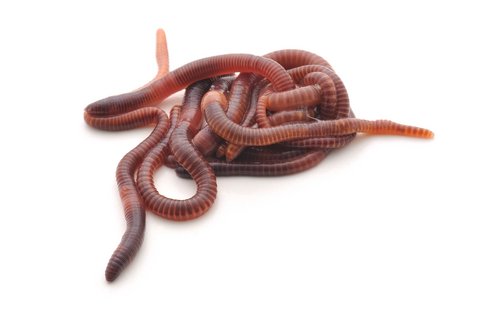
Earthworms for Sale (Red wigglers)
Price range: €34,99 through €129,99
Earthworms for Sale (Red Wigglers) offer a live feeder option for suitable fish, amphibians, aquatic turtles and other animals that naturally consume worms.
Known scientifically as Eisenia fetida, red wigglers are soft-bodied, active worms that can add variety to an appropriate feeding routine.
Choose a suitable size for your animal and ensure the worms are responsibly sourced and stored in suitable conditions.
Red wigglers may be rejected by some animals due to their defensive secretions, so confirm suitability before feeding.
Earthworms for Sale (Red Wigglers) – Live Feeder Worms for Reptiles, Amphibians and Fish
Explore our Earthworms for Sale (Red Wigglers) for a convenient live feeder option for suitable insectivorous and carnivorous animals. Red wigglers are small, active earthworms valued for their use in specialist animal feeding, composting and other applications. Their soft bodies and natural movement make them an option for certain fish, amphibians, aquatic turtles and other animals that consume worms.
Scientifically known as Eisenia fetida, red wigglers are also called red worms, brandling worms, tiger worms and compost worms. They are commonly found in decomposing organic material and are recognised for their reddish colouring and ability to thrive in moist, organic-rich environments.
For reptile and amphibian keepers, red wigglers can provide an alternative to conventional feeder insects when the species being cared for can safely consume them. Their suitability varies between animals, so it is important to understand the intended predator’s dietary requirements before introducing these worms into its feeding routine.
Whether you are looking for live feeder worms for suitable aquatic animals or other specialised feeding applications, check the available quantities, worm sizes and care instructions before ordering.
What Are Red Wigglers?
Red wigglers (Eisenia fetida) are a species of earthworm commonly associated with composting and the decomposition of organic material. They feed on decaying organic matter and help break it down into nutrient-rich castings.
Unlike larger earthworms that burrow deeper into the soil, red wigglers tend to remain closer to the surface, where decomposing material is readily available. Their active behaviour and relatively small size make them useful for a variety of applications.
In animal feeding, red wigglers may be offered to certain fish, amphibians, aquatic turtles and other suitable predators. However, not every reptile or amphibian accepts them, and some animals may find their defensive secretions unpalatable.
Always confirm that red wigglers are an appropriate food for your particular animal before purchasing them as feeders.
Red Wiggler Product Features
- Common name: Red wigglers, red worms or brandling worms.
- Scientific name: Eisenia fetida.
- Product type: Live earthworms, subject to the product listing.
- Appearance: Reddish-brown, elongated and segmented bodies.
- Intended use: Feeding suitable animals that naturally consume worms.
- Potential applications: Specialist animal feeding and, where appropriate, composting.
- Size options: Dependent on the supplier’s current stock.
- Pack quantities: Check the product listing for available counts.
- Storage requirements: Moist, suitable conditions with adequate ventilation.
Confirm the exact species, quantity, size range and intended use against the current product listing. Do not assume that all earthworms sold commercially are red wigglers or that every available size is suitable for every animal.
Why Choose Red Wigglers?
A Live Prey Option
Red wigglers are active, soft-bodied worms that may be suitable for certain animals that naturally consume earthworms and other small invertebrates. Their movement can encourage feeding responses in some predators.
However, acceptance varies between species and individuals. Some reptiles and amphibians may reject red wigglers because of their defensive secretions.
A Source of Protein and Moisture
Red wigglers contain protein, moisture, fat and other nutrients. Their nutritional composition varies according to their diet, condition and growing environment.
They can contribute to an appropriate feeding programme for suitable animals, but their nutrient profile should not be assumed to meet every dietary requirement.
An Alternative to Conventional Feeder Insects
For animals that accept worms, red wigglers can provide an alternative to crickets, roaches and insect larvae. They may help introduce variety into a feeding routine where their nutritional characteristics are appropriate.
Not every animal benefits from the same feeder rotation. Always select prey according to the species’ natural diet and established husbandry requirements.
Versatile Uses
Red wigglers are widely used in vermicomposting, where they help process decomposing organic material. They are also sold as fishing bait and as food for certain animals.
If purchasing them specifically for feeding reptiles or amphibians, choose a suitable feeder product from a reliable source rather than assuming that every composting or fishing worm is safe for animal consumption.
Which Animals Can Eat Red Wigglers?
Red wigglers may be suitable for certain animals that naturally consume worms. Their suitability depends on the predator’s species, size, feeding behaviour and nutritional requirements.
Amphibians
Certain frogs, toads, salamanders and other amphibians consume earthworms as part of their natural diet. Red wigglers may be accepted by some species, although defensive secretions can cause rejection.
Select an appropriately sized worm and observe the animal’s response when introducing a new feeder.
Aquatic Turtles
Some aquatic turtles consume worms and other invertebrates. Red wigglers may be an option for suitable species when the worms are an appropriate size and the overall diet remains balanced.
Do not assume that all turtles have the same dietary requirements. Some species rely on a mixture of animal and plant foods, while others have more specialised feeding needs.
Fish
Certain freshwater fish readily consume worms. Red wigglers may be suitable for some aquarium and pond fish, depending on the fish’s size and natural diet.
Use worms from a suitable source and avoid introducing contaminated bedding, compost or untreated soil into an aquarium.
Other Insectivorous and Carnivorous Animals
Some other animals that naturally consume worms may accept red wigglers. However, certain reptiles and amphibians reject them because of their taste or defensive secretions.
Check species-specific feeding recommendations before using red wigglers as a regular feeder.
Important Considerations Before Feeding Red Wigglers
Although red wigglers are commonly sold as feeders, they are not suitable for every animal.
Defensive Secretions
Red wigglers can release a yellowish defensive fluid when stressed or handled. Some predators find this secretion unpalatable and may refuse to eat the worms.
Rinsing the worms and using clean, appropriately maintained cultures can help remove surface contaminants, but this does not guarantee that an animal will accept them or eliminate all concerns associated with their defensive secretions.
If your animal repeatedly rejects red wigglers, do not force the issue. Consider another worm species or feeder recommended for that animal.
Correct Identification
The name “earthworm” refers to many different species. Red wigglers are specifically associated with Eisenia fetida, and their characteristics should not be assumed to apply to all earthworms.
Confirm the identity of the worms before offering them to animals with specialised diets.
Clean Sourcing
Worms collected from gardens, roadsides or unknown compost piles may have been exposed to pesticides, heavy metals, fertilisers or other contaminants.
For animal feeding, use worms from a reliable supplier that can provide information about their origin and rearing conditions.
Dietary Variety
Red wigglers should not automatically become the sole food source for an animal. Their nutritional composition differs from that of other feeder organisms, and some animals require a wider variety of prey.
Follow species-specific feeding guidance to ensure the animal receives an appropriate balance of nutrients.
Choosing the Right Red Wiggler Size
Selecting a suitable worm size helps make feeding more manageable and reduces the risk of offering prey that the animal cannot consume safely.
Smaller Red Wigglers
Smaller worms may be appropriate for certain juvenile amphibians, smaller fish and other animals that can safely consume them.
Check the animal’s mouth size and feeding behaviour before selecting smaller feeder worms.
Larger Red Wigglers
Larger worms may suit certain adult amphibians, aquatic turtles and fish that naturally consume earthworms.
However, larger worms are not automatically more suitable. The correct size depends on the predator and its ability to swallow and digest the prey.
How to Select the Correct Size
Before ordering, consider:
- The species and size of the animal being fed.
- The recommended prey size for that species.
- The actual dimensions of the available worms.
- Whether the animal accepts red wigglers.
- Any dietary restrictions or veterinary recommendations.
Where possible, check the supplier’s stated size range rather than relying only on general labels such as small or large.
Nutritional Value of Red Wigglers
Red wigglers contain naturally occurring nutrients that can contribute to the diets of suitable animals. Their nutritional composition depends on factors such as the worms’ diet, rearing conditions and moisture content.
Protein
Protein provides amino acids needed for growth, tissue maintenance and normal biological functions. Red wigglers contain protein, although the amount available depends on their composition and condition.
Moisture
Like other earthworms, red wigglers have bodies with a high moisture content. This contributes to their soft texture and may make them an appealing food option for certain animals that consume live worms.
Fat and Energy
Red wigglers contain fat, which contributes energy. Their fat content varies and should not be assumed to meet the requirements of every predator.
Calcium and Other Minerals
Red wigglers contain minerals, but their calcium content and calcium-to-phosphorus balance should not be assumed to meet every animal’s needs.
Some reptiles and amphibians require carefully managed calcium and vitamin intake. Follow species-specific guidance on supplementation rather than assuming that worms alone provide a complete diet.
How to Store Live Red Wigglers
Proper storage helps maintain worm condition and reduces avoidable losses. Red wigglers need suitable moisture, ventilation and temperature conditions.
Maintain Suitable Moisture
Red wigglers breathe through their skin and require a moist environment. Their bedding should remain damp without becoming waterlogged.
Excess water can reduce oxygen availability and create conditions that harm the worms.
Provide Suitable Bedding
Use appropriate, clean bedding recommended for the species, such as suitable composting material or prepared worm bedding. Avoid material that may contain pesticides, chemicals or other contaminants.
Do not use untreated garden soil or unknown compost as feeder-worm bedding without confirming its suitability.
Avoid Excessive Heat
Red wigglers can be harmed by unsuitable temperatures and direct sunlight. Keep their container in an appropriate, stable environment and follow the supplier’s storage instructions.
Do not assume that every worm product should be refrigerated. The correct storage method depends on the product and the supplier’s recommendations.
Maintain Ventilation
Use a container that retains sufficient moisture while allowing appropriate air exchange. Avoid sealing live worms in an airtight container.
Check the worms regularly and remove spoiled food or deteriorating bedding when necessary.
Preparing Red Wigglers for Feeding
Before offering red wigglers to an animal, check that they are healthy, appropriately sized and suitable for the intended species.
- Select worms from a clean, reliably sourced culture.
- Remove excess bedding without damaging the worms.
- Rinse them gently with suitable clean water where appropriate.
- Offer an appropriate quantity according to the animal’s feeding requirements.
- Remove uneaten worms and any contaminated material when necessary.
Do not assume that rinsing removes all contaminants or makes an unsuitable worm species safe to feed. If the animal refuses the worms, consider an alternative feeder that better suits its natural diet.
For aquatic animals, avoid transferring large amounts of bedding into the water, as decomposing organic material can affect water quality.
Red Wigglers for Feeding and Composting
Red wigglers are best known for their role in breaking down decomposing organic material. In vermicomposting systems, they help convert suitable organic waste into worm castings that can be used as a soil amendment where appropriate.
However, worms intended for composting are not automatically suitable for animal feeding.
Feeder Worms
Worms sold as feeders should come from a source that can provide suitable handling and rearing information. Their use should be limited to animals that can safely consume the species.
Composting Worms
Composting worms are raised to process organic waste. Depending on the materials used, they may be exposed to contaminants unsuitable for animal feed.
If you intend to use red wigglers for both composting and feeding, maintain a separate, clean culture for feeder worms and avoid cross-contamination.
Responsible Containment
Red wigglers can survive and reproduce under suitable conditions. Keep cultures contained and do not release surplus worms into natural environments.
Check local requirements before transporting, breeding or releasing live worms, particularly across regions where non-native earthworms may affect local ecosystems.
Ordering Red Wigglers Online
Before placing your order, review the current product information and confirm:
- The exact worm species supplied.
- The available sizes and approximate dimensions.
- The number of worms included in each pack.
- Whether the worms are sold for feeding, composting or another purpose.
- Current availability and dispatch arrangements.
- Recommended storage conditions.
- Shipping eligibility for your destination.
- Any applicable live-arrival policy or product guarantee.
Live worms require appropriate packaging and transport conditions. Make sure you can receive the order promptly and have suitable storage ready before delivery.
International buyers should check relevant import and transport rules before ordering live invertebrates. Do not assume that every worm species can legally be transported across borders.
Only rely on shipping times, live-arrival guarantees and product specifications that the supplier explicitly confirms.
Frequently Asked Questions
What are red wigglers?
Red wigglers are earthworms commonly identified as Eisenia fetida. They are used in composting and are also sold as live food for certain fish, amphibians and other suitable animals.
Are red wigglers the same as nightcrawlers?
No. Red wigglers and nightcrawlers are different types of earthworms with different characteristics, sizes and behaviour. The most appropriate choice depends on the animal being fed and the intended use.
Can reptiles eat red wigglers?
Some reptiles may consume red wigglers, but acceptance and suitability vary. Certain animals reject them because of their defensive secretions. Confirm the feeding requirements of your particular species before offering them.
Are red wigglers suitable for frogs and salamanders?
Certain frogs and salamanders consume earthworms, and some may accept red wigglers. Choose an appropriate size and monitor the animal’s response, as some individuals may refuse them.
Can fish eat red wigglers?
Some freshwater fish can consume red wigglers. The worms should be appropriately sized, clean and sourced from a reliable supplier.
Are red wigglers nutritionally complete?
No feeder worm should automatically be considered a complete diet for every animal. Red wigglers provide nutrients, but the overall feeding programme must meet the species’ specific nutritional requirements.
How should I store red wigglers?
Keep them in suitable moist bedding with adequate ventilation and stable, appropriate temperatures. Avoid direct sunlight, excessive heat and waterlogged conditions, and follow the supplier’s instructions.
Why might my animal refuse red wigglers?
Some animals reject red wigglers because of their taste or defensive secretions. If your animal refuses them, do not force the feeding; consider an alternative prey species appropriate for its diet.
Can I use composting worms as feeder worms?
Only if you can establish that the worms are an appropriate species and have been raised in clean conditions suitable for animal feeding. Worms from unknown compost or contaminated soil should not be offered to pets.
Can unused red wigglers be released outdoors?
Do not release surplus worms into the environment. Keep them contained and follow responsible disposal guidance and any applicable local requirements.
Buy Earthworms for Sale (Red Wigglers)
Explore our Earthworms for Sale (Red Wigglers) for a live worm option for suitable fish, amphibians, aquatic turtles and other animals that naturally consume earthworms. Their soft bodies and naturally occurring nutrients make them a useful consideration for specialised feeding programmes when the species is appropriate.
Before ordering, check the available sizes, pack quantities and storage instructions. Choose responsibly sourced worms, confirm their suitability for your animal and maintain a balanced, species-appropriate diet for healthy long-term care.
| Choose | 500 Earthworms, 1000 Earthworms, 2000 Earthworms |
|---|
Be the first to review “Earthworms for Sale (Red wigglers)”
Related products
Feeder Lizards for Sale
Feeder Insects for Sale
Feeder Insects for Sale
Feeder Insects for Sale
Feeder Insects for Sale
Feeder Insects for Sale
Feeder Lizards for Sale
Feeder Insects for Sale
Reviews
There are no reviews yet.