


Black Soldier Fly Larvae for Sale
Price range: €14,99 through €49,99
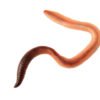
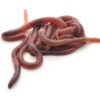
Black Soldier Fly Larvae for Sale offer a convenient live feeder option for suitable insectivorous reptiles and amphibians.
Known as BSFL (Hermetia illucens), these larvae provide protein, fat and naturally occurring calcium, making them a useful addition to a varied feeding programme.
Suitable for certain bearded dragons, geckos, frogs and other insect-eating animals, they should be selected according to your pet’s size and dietary needs.
Check available quantities and storage instructions before ordering, and follow appropriate feeding and supplementation guidance.
Black Soldier Fly Larvae for Sale – Nutritious Live Feeder Insects for Reptiles and Amphibians
Discover our Black Soldier Fly Larvae for Sale, a versatile live feeder option for insectivorous reptiles, amphibians and other suitable insect-eating animals. Commonly known as BSFL, these larvae are valued for their nutritional composition, convenient size and potential to add variety to a carefully managed feeding routine.
Black soldier fly larvae are the immature stage of the black soldier fly (Hermetia illucens). Unlike many conventional feeder insects, they are naturally rich in calcium, making them an interesting option for keepers looking to diversify the nutritional profile of their animals’ diets. Their actual nutrient content depends on their rearing conditions and diet, so they should be used as part of an appropriate feeding programme rather than treated as a complete food.
Whether you keep geckos, bearded dragons, frogs, toads, salamanders or other insectivorous animals, selecting a suitable feeder size and understanding the animal’s nutritional requirements are essential. Explore the available product options and check the current size, quantity and storage information before ordering.
What Are Black Soldier Fly Larvae?
Black soldier fly larvae are the larval stage of Hermetia illucens, a fly species found in many warm and temperate regions. The larvae are commonly raised commercially for animal feed because they can convert suitable organic materials into nutrient-rich insect biomass.
Unlike adult flies, the larvae have elongated, segmented bodies and are typically cream, pale grey or brownish in colour, depending on their developmental stage and condition. Their appearance and size change as they grow.
Black soldier fly larvae are used in animal feeding because they provide protein, fat and minerals, including calcium. Their relatively small size makes them suitable for certain juvenile and adult insectivores, although the correct size depends on the animal being fed.
These larvae are different from blue bottle fly larvae, mealworms, waxworms and other commercially available feeder insects. Each has a different nutritional profile and different handling requirements.
Black Soldier Fly Larvae Product Features
- Common name: Black soldier fly larvae (BSFL).
- Scientific name: Hermetia illucens.
- Product type: Live feeder larvae, subject to the current listing.
- Appearance: Elongated, segmented larvae, generally cream to greyish-brown.
- Intended use: Feeding suitable insectivorous reptiles, amphibians and other insect-eating animals.
- Nutritional components: Protein, fat, calcium, phosphorus and other nutrients.
- Size options: Dependent on the supplier’s current stock.
- Pack quantities: Check the product listing for available quantities.
- Storage: Follow the supplier’s instructions for temperature, ventilation and container conditions.
Confirm the actual larval size, quantity, condition and storage recommendations before ordering. Do not assume that every size or pack quantity is available at all times.
Why Choose Black Soldier Fly Larvae?
Naturally Calcium-Rich
One of the main characteristics of black soldier fly larvae is their naturally occurring calcium content. Unlike many conventional feeder insects, which generally contain less calcium relative to phosphorus, BSFL can have a favourable calcium-to-phosphorus ratio.
This makes them a useful option to consider when planning the diet of suitable insectivorous reptiles. However, calcium availability varies with the larvae’s diet and rearing conditions, and not all of their calcium is necessarily absorbed by the animal. They should not be assumed to replace every calcium supplement or veterinary nutritional recommendation.
A Source of Protein
Black soldier fly larvae provide protein, which supplies amino acids needed for growth, tissue maintenance and normal biological functions.
The amount of protein varies according to the larvae’s developmental stage, moisture content and rearing conditions. Their contribution to a balanced diet depends on the nutritional requirements of the animal consuming them.
Convenient Live Prey
Their natural movement can encourage feeding responses in animals that recognise small moving invertebrates as prey. This can make BSFL a useful addition to feeding routines for certain insectivorous reptiles and amphibians.
Always select a size that the animal can consume safely and monitor its response when introducing a new feeder.
An Alternative to Conventional Feeder Insects
Crickets, roaches, mealworms and other feeder insects all have different nutritional characteristics. Black soldier fly larvae provide another option for keepers seeking variety in an appropriate feeding programme.
A suitable rotation of feeder species can help broaden the range of nutrients offered. The correct combination depends on the animal’s species, age, condition and established husbandry requirements.
Convenient Storage
Depending on the supplier’s instructions and the developmental stage of the larvae, they can often be kept for a period before feeding. Appropriate storage helps maintain their condition and manage their development.
Storage requirements differ between feeder species, so do not automatically apply the refrigeration instructions for blue bottle fly larvae to black soldier fly larvae.
Which Animals Can Eat Black Soldier Fly Larvae?
Black soldier fly larvae are intended for animals that can naturally consume insects or whose established captive diet includes suitable insect larvae. Their suitability depends on the species and individual nutritional requirements.
Bearded Dragons
Bearded dragons consume a variety of invertebrates as part of their diet, particularly during their younger growth stages. Black soldier fly larvae may provide a useful feeder option when offered in appropriate quantities and sizes.
Although their calcium content is a notable advantage, BSFL should not be assumed to meet all of a bearded dragon’s nutritional requirements. Age, body condition, other food sources, UVB exposure and the overall husbandry programme all matter.
Leopard Geckos
Leopard geckos are insectivorous reptiles that may accept appropriately sized black soldier fly larvae. Their small size can make them a practical option for certain individuals.
Acceptance varies, and some geckos may prefer other feeder insects. Offer a suitable variety of prey and follow species-specific nutritional and supplementation guidance.
Crested Geckos
Crested geckos generally require a nutritionally balanced diet formulated for their species, with appropriately sized insects offered where suitable. Black soldier fly larvae may be used as an occasional or supplementary feeder for individuals that accept them.
They should not replace a complete, species-appropriate crested gecko diet unless a qualified reptile veterinarian has advised otherwise.
Chameleons
Some insectivorous chameleons may consume black soldier fly larvae. Their suitability depends on the chameleon species, the size of the larvae and the animal’s feeding behaviour.
As with other feeder insects, ensure that the larvae are appropriately sized and incorporated into a suitable nutritional plan.
Frogs and Toads
Certain insect-eating frogs and toads may accept live black soldier fly larvae. However, feeding preferences vary considerably between amphibian species.
Choose a suitable size and confirm that the larvae are appropriate for the animal’s natural diet. Some amphibians require different prey sizes or specialised feeding arrangements.
Salamanders and Newts
Certain salamanders and newts consume small invertebrates and may accept suitable insect larvae. The appropriate feeder depends on the species, its size and whether it feeds primarily in water or on land.
Check species-specific feeding requirements before introducing BSFL into the diet.
Other Insectivorous Animals
Other insect-eating reptiles and amphibians may also consume black soldier fly larvae. However, they are not suitable for every animal, and some species require different prey or specialised diets.
If you are unsure whether BSFL are appropriate for your animal, consult a reliable species-specific care guide or a qualified exotic-animal veterinarian.
Choosing the Right Black Soldier Fly Larvae Size
Selecting an appropriate larval size is essential for safe and effective feeding.
Smaller Larvae
Smaller larvae may suit certain juvenile reptiles, smaller amphibians and other animals that can safely consume them.
They may be particularly useful for keepers whose animals struggle to handle larger feeder insects. However, size should always be matched to the animal’s mouth, feeding behaviour and established dietary requirements.
Larger Larvae
Larger larvae may be appropriate for certain adult reptiles and amphibians that can comfortably consume them.
The largest available larvae are not automatically the best choice. Consider the animal’s size, feeding ability and nutritional needs before selecting a product.
How to Select the Correct Size
Before purchasing, consider:
- The animal’s species and current body size.
- Its age, condition and feeding history.
- The approximate length and thickness of the larvae.
- Whether the animal readily accepts this feeder species.
- Any specific dietary or veterinary recommendations.
Where possible, use the supplier’s stated size range rather than relying solely on labels such as small, medium or large.
Avoid offering larvae that are too large for the animal to consume comfortably. For particularly small juveniles, verify the suitability of the feeder size before feeding.
Nutritional Value of Black Soldier Fly Larvae
Black soldier fly larvae contain several nutrients that may contribute to the diets of suitable insectivorous animals. Their composition can vary significantly depending on their feed, developmental stage, moisture content and rearing environment.
Protein
Protein provides amino acids that support tissue maintenance, growth and normal biological processes. BSFL can contribute protein to the diets of animals adapted to consuming insects.
Fat and Energy
Fat provides concentrated energy. The fat content of black soldier fly larvae varies with their developmental stage and rearing conditions, so they should not automatically be considered a low-fat feeder in every case.
Calcium
Black soldier fly larvae are recognised for their relatively high calcium content compared with many other commercially available feeder insects.
However, calcium content alone does not establish how much calcium an animal can absorb. Research in leopard geckos has found that calcium digestibility from whole BSFL may be limited, partly because calcium associated with the larval exoskeleton is not fully absorbed. This means that the larvae should not automatically be treated as a complete substitute for appropriate calcium supplementation.
Phosphorus
Phosphorus is important for normal biological functions, including skeletal development and energy metabolism. The balance between calcium and phosphorus matters when evaluating the suitability of feeder insects.
BSFL can have a favourable calcium-to-phosphorus ratio, but the ratio varies with rearing conditions. The nutritional balance of the entire diet remains more important than any single feeder.
Vitamins and Other Nutrients
Black soldier fly larvae contain other nutrients, but their vitamin content is not necessarily sufficient to meet every animal’s requirements. Some fat-soluble vitamins, including vitamins A, D and E, may be present at inadequate levels depending on the larvae’s diet and condition.
A varied feeding programme and appropriate supplementation may therefore still be necessary. Follow species-specific care guidance rather than assuming that BSFL alone provide complete nutrition.
Do Black Soldier Fly Larvae Need Calcium Dusting?
One reason keepers choose BSFL is their naturally occurring calcium content. However, it is not appropriate to assume that every reptile can obtain all the calcium it needs from these larvae alone.
Whether calcium supplementation is necessary depends on the animal’s species, age, reproductive status, other food sources, UVB exposure and overall husbandry.
For example, a growing reptile may have different requirements from a healthy adult, while an animal with a diagnosed nutritional deficiency may need a specific veterinary treatment plan.
Black soldier fly larvae can contribute calcium, but their calcium content and digestibility vary. Follow an appropriate supplementation schedule for the animal rather than automatically eliminating calcium powder from its diet.
How to Store Black Soldier Fly Larvae
Correct storage helps maintain the condition of live larvae and reduces unnecessary losses. Follow the supplier’s specific instructions because recommended conditions vary between products.
Maintain Appropriate Temperature
Keep the larvae within the temperature range recommended by the supplier. Temperature influences their activity, survival and rate of development.
Do not assume that refrigeration is suitable for every BSFL product. Excessively cold conditions may harm some live larvae, while warmer conditions can accelerate their development.
Provide Suitable Ventilation
Use the container supplied with the larvae or another appropriate container that allows adequate air exchange.
Avoid sealing live larvae in an airtight container. Poor ventilation and unsuitable environmental conditions can compromise their condition.
Avoid Excess Moisture
Maintain the substrate or bedding in the condition recommended by the supplier. Excessive moisture can contribute to poor storage conditions, while excessive dryness may also affect the larvae.
Do not add water or food unnecessarily unless the supplier’s care instructions recommend it.
Monitor Development
Black soldier fly larvae naturally develop through different life stages before becoming pupae and eventually adult flies.
Depending on their age and storage conditions, larvae may continue developing after arrival. Check the container regularly and use them within the supplier’s recommended storage period.
Preparing Black Soldier Fly Larvae for Feeding
Before feeding, check that the larvae are alive, appropriately sized and suitable for the intended animal.
- Select the required number of larvae according to the animal’s feeding requirements.
- Remove excess substrate or packaging material.
- Inspect the larvae and avoid feeding any that appear spoiled or unhealthy.
- Offer them in a suitable feeding dish or with appropriate feeding tools, depending on the animal.
- Remove uneaten larvae when necessary and maintain good enclosure hygiene.
Do not introduce large quantities of storage substrate into an aquarium or other aquatic enclosure, as excess organic material can affect water quality.
If the animal refuses BSFL, consider whether the larvae are an appropriate size and feeder species. Do not force feeding, and seek veterinary advice if refusal is persistent or accompanied by weight loss or other signs of illness.
Black Soldier Fly Larvae Compared with Other Feeder Insects
Different feeder insects offer different nutritional profiles, sizes and handling requirements. Understanding these differences can help you plan a suitable feeding rotation.
Black Soldier Fly Larvae
BSFL are recognised for their calcium content and can be a useful option for certain insectivorous reptiles and amphibians. However, their nutritional value depends on rearing conditions, and calcium absorption is not necessarily complete.
Crickets
Crickets are widely used as feeder insects for many reptiles and amphibians. They provide protein but generally have a less favourable calcium-to-phosphorus ratio than BSFL, so appropriate gut-loading and supplementation may be important.
Mealworms
Mealworms are another commonly available feeder. Their nutritional profile differs from that of BSFL, including differences in fat content and mineral balance.
Waxworms
Waxworms are relatively energy-dense and are often used selectively rather than as the sole feeder for insectivorous reptiles. Their suitability depends on the animal and the overall diet.
Why Variety Matters
No single feeder insect is automatically ideal for every animal or every feeding occasion. A suitable combination of feeders can help provide a wider range of nutrients, but the correct rotation depends on the species and its requirements.
Consult species-specific husbandry guidance to determine which feeders and supplements are appropriate.
Ordering Black Soldier Fly Larvae Online
Before placing an order, review the product details and confirm the following:
- The exact species supplied.
- The approximate larval size.
- The number of larvae included in each pack.
- The current stock and dispatch arrangements.
- The recommended storage temperature and conditions.
- The estimated delivery timeframe.
- Shipping eligibility for your destination.
- Any applicable live-arrival policy or product guarantee.
Live feeder insects require suitable packaging and transport conditions. Ensure that someone can receive the order promptly and that appropriate storage is available when it arrives.
International buyers should check applicable import and transport requirements before ordering live insects. Do not assume that every feeder insect can legally be shipped to every destination.
Only rely on shipping times, live-arrival guarantees and product specifications explicitly confirmed by the supplier.
Frequently Asked Questions
What are black soldier fly larvae?
Black soldier fly larvae are the immature stage of Hermetia illucens. They are commonly raised for animal feed and are valued for their protein, fat and mineral content, including calcium.
What animals can eat black soldier fly larvae?
Certain insectivorous reptiles, amphibians and other insect-eating animals may consume BSFL. Examples include some bearded dragons, leopard geckos, chameleons, frogs and salamanders. Suitability depends on the species, size and nutritional requirements.
Are black soldier fly larvae good for reptiles?
They can be a useful feeder for suitable insectivorous reptiles, particularly because of their calcium content. However, their nutritional composition and calcium digestibility vary, so they should be incorporated into an appropriate feeding and supplementation programme.
Are black soldier fly larvae the same as blue bottle fly larvae?
No. Black soldier fly larvae are the larval stage of Hermetia illucens. Blue bottle fly larvae belong to a different group of flies and should not be treated as the same product.
Do black soldier fly larvae need calcium powder?
Not every feeding requires the same supplementation, but BSFL should not automatically be assumed to replace calcium supplements. The appropriate approach depends on the animal’s species, age, diet, UVB exposure and overall husbandry.
How should black soldier fly larvae be stored?
Follow the supplier’s instructions for temperature, ventilation, moisture and storage duration. Do not assume that the refrigeration requirements for other feeder larvae apply to BSFL.
Can black soldier fly larvae become flies?
Yes. They naturally develop into pupae and then adult black soldier flies. The speed of development depends on their stage and environmental conditions.
Can black soldier fly larvae be a staple feeder?
Their suitability as a regular feeder depends on the animal’s species and the nutritional composition of the overall diet. Do not assume that BSFL alone provide every required nutrient, and follow species-specific feeding and supplementation recommendations.
What should I do if my reptile refuses black soldier fly larvae?
Check the size of the larvae and whether they are appropriate for your animal. Some reptiles prefer different feeder species. If refusal persists or is accompanied by weight loss or other concerning symptoms, consult a qualified exotic-animal veterinarian.
Buy Black Soldier Fly Larvae for Your Feeding Programme
Explore our Black Soldier Fly Larvae for Sale for a live feeder option for suitable insectivorous reptiles, amphibians and other animals. Their protein content and naturally occurring calcium make them a useful consideration for keepers looking to introduce variety into an appropriate feeding routine.
Before ordering, confirm the available sizes, quantities and storage requirements. Choose the correct feeder for your animal, follow suitable feeding and supplementation guidance, and maintain a balanced diet tailored to the species in your care.
| Choose quantity | 100 Black Soldier Fly Larvae, 250 Black Soldier Fly Larvae, 500 Black Soldier Fly Larvae, 1000 Black Soldier Fly Larvae |
|---|
Be the first to review “Black Soldier Fly Larvae for Sale”
Related products
Feeder Insects for Sale
Feeder Insects for Sale
Feeder Insects for Sale
Feeder Insects for Sale
Feeder Insects for Sale
Feeder Insects for Sale
Feeder Insects for Sale
Feeder Insects for Sale
Reviews
There are no reviews yet.