

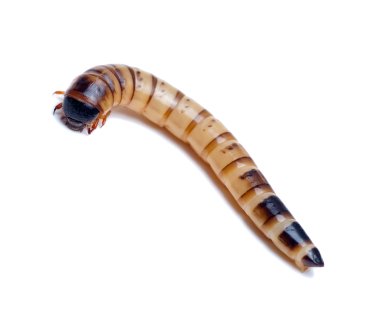
Superworms for Sale
Price range: €39,99 through €49,99
Superworms for Sale offer a popular live feeder option for suitable insectivorous reptiles and amphibians.
These active larvae of the darkling beetle (Zophobas morio) are valued for their relatively large size, protein content and high fat levels, making them a useful occasional treat for bearded dragons, leopard geckos and other suitable animals.
Choose an appropriate size, follow proper storage instructions and offer superworms in moderation alongside a balanced, species-appropriate diet.
Superworms for Sale – Live Feeder Worms for Reptiles and Amphibians
Explore our Superworms for Sale, a popular live feeder option for reptile and amphibian keepers looking to add variety to their animals’ feeding routines. Known for their relatively large size, active movement and energy-dense nutritional profile, superworms are commonly used to feed suitable insectivorous reptiles, amphibians and other animals that naturally consume insects.
Scientifically known as Zophobas morio, superworms are the larval stage of a species of darkling beetle. They resemble ordinary mealworms but are generally larger and more active, making them an appealing prey option for animals that can safely consume them.
Superworms are often accepted by bearded dragons, leopard geckos, certain chameleons, frogs and other suitable insect-eating animals. Their relatively high fat content makes them particularly useful as an occasional treat or supplementary feeder rather than a staple food for most reptiles.
Whether you are maintaining a reptile collection or looking for an alternative to conventional feeder insects, superworms can provide variety when used appropriately. Select a suitable size, follow the supplier’s storage instructions and incorporate them into a balanced, species-specific feeding programme.
What Are Superworms?
Superworms are the larvae of the darkling beetle Zophobas morio. They are commonly used in the exotic pet trade as live food for animals that naturally consume insects and other invertebrates.
Their elongated bodies are usually yellowish-brown to dark brown, often with darker bands between body segments. They have three pairs of legs near the head and a firm external covering typical of beetle larvae.
Unlike mealworms, superworms generally grow to a larger size and require different handling and storage conditions. They are also more active, which can make them attractive to predators that respond to moving prey.
Superworms remain in their larval stage for an extended period under suitable conditions. Their life cycle eventually progresses through pupation to the adult darkling beetle stage, although pupation is less likely to occur when larvae are housed together under ordinary feeder-storage conditions.
For keepers, these characteristics make superworms a convenient live feeder option, provided their nutritional limitations and care requirements are understood.
Superworm Product Features
- Common name: Superworms or superworms larvae.
- Scientific name: Zophobas morio.
- Product type: Live feeder larvae, subject to the current listing.
- Appearance: Elongated, segmented larvae, generally yellowish-brown with darker markings.
- Size: Generally larger than ordinary mealworms; exact dimensions depend on the product.
- Nutritional characteristics: A source of protein and moisture with a relatively high fat content.
- Intended use: Supplementary feeders or occasional treats for suitable animals.
- Suitable animal groups: Certain reptiles, amphibians, birds and other insect-eating animals.
- Storage: Requires suitable temperature, dry bedding, ventilation and access to appropriate food.
- Available quantities: Check the current product listing for pack sizes and stock.
Exact sizes, quantities and packaging may vary. Confirm the specifications and care instructions for the particular product before ordering.
Why Choose Superworms?
A Larger Feeder Option
Superworms are generally larger than standard mealworms, making them an option for animals that can comfortably consume larger prey.
Their size can be useful for keepers who want to offer a different type of feeder to suitable medium-sized and larger insectivores. Always check the actual dimensions and select prey appropriate for the animal’s mouth size and feeding ability.
Active Movement
Superworms move actively when disturbed, which may attract the attention of animals that hunt moving prey.
This behaviour can encourage natural hunting responses in some reptiles and amphibians. However, feeding responses differ between individuals, and superworms should not be used to replace a balanced diet simply because an animal prefers them.
A Source of Protein
Superworms contain protein, which supplies amino acids needed for growth, tissue maintenance and normal biological functions.
Their nutritional composition depends on factors such as the larvae’s developmental stage, food source and rearing conditions. They can contribute protein to an appropriate feeding programme but should not be treated as nutritionally complete on their own.
Energy-Dense Nutrition
Superworms have a relatively high fat content compared with several commonly used feeder insects. This makes them energy-dense and explains why many animals readily accept them.
The same characteristic means that moderation is important. Frequent or excessive feeding may contribute to unwanted weight gain and nutritional imbalance.
Convenient to Maintain
Superworms can generally be maintained in a suitable container with dry bran or another recommended substrate, appropriate ventilation and a suitable food source.
They do not require the same culture conditions as fruit flies or some other specialised feeder insects. Nevertheless, temperature, hygiene and moisture management remain important for keeping them healthy before feeding.
Variety in the Feeding Routine
Superworms can complement other appropriate feeders, such as crickets, roaches and silkworms, depending on the animal’s dietary needs.
Offering different suitable prey items can help keepers manage variety while accounting for differences in fat, protein, moisture and mineral content.
Which Animals Can Eat Superworms?
Superworms can be suitable for certain insectivorous animals, but their relatively large size and high fat content make them inappropriate for some species and feeding situations.
Bearded Dragons
Bearded dragons consume a variety of insects as part of their diet. Appropriately sized superworms may be offered as occasional treats or supplementary feeders for suitable individuals.
They should not replace more appropriate staple feeders or the animal’s required plant foods, calcium supplementation and other husbandry provisions.
Leopard Geckos
Leopard geckos are insectivorous reptiles that may readily accept superworms when the larvae are an appropriate size.
Because superworms are relatively high in fat, they are generally better used selectively rather than as the primary feeder. A suitable feeding programme should include appropriate staple insects and any necessary supplementation.
Chameleons
Certain chameleon species consume a variety of insects and may accept superworms when the prey size is appropriate.
Use caution with smaller chameleons and juveniles, as superworms can be too large for some individuals. Follow species-specific feeding recommendations and select prey that can be captured and swallowed safely.
Skinks
Some insectivorous and omnivorous skinks consume a variety of invertebrates. Superworms may be suitable for certain species as a supplementary feeder.
Dietary needs differ between skink species, so confirm that the larvae are appropriate for your animal and offer them in moderation.
Frogs and Toads
Certain larger frogs and toads consume sizeable invertebrates and may accept appropriately sized superworms.
However, many amphibians are too small to consume large larvae safely. Choose prey according to the species’ natural diet, mouth size and feeding behaviour.
Salamanders and Newts
Some salamanders and newts consume invertebrates, but superworms may be too large or otherwise unsuitable for many species.
Check the specific animal’s feeding requirements before offering them. For aquatic species, consider the effect of uneaten prey on water quality and remove food promptly when necessary.
Insect-Eating Birds
Certain insectivorous birds may consume superworms as part of an appropriate diet. Their suitability depends on the bird species and its nutritional requirements.
Use them only where appropriate and do not substitute them for a complete, species-specific diet.
Other Insectivorous Animals
Some other insect-eating animals may accept superworms, but suitability varies considerably.
Do not assume that a feeder suitable for a large lizard is also appropriate for a small gecko, young amphibian, spider or other invertebrate. Confirm the prey size and dietary suitability before feeding.
Choosing the Right Superworm Size
Selecting the correct size is important for safe feeding and practical handling. Superworms can vary in length and thickness according to their developmental stage and rearing conditions.
Smaller Superworms
Smaller larvae may suit certain smaller reptiles and other insectivores that can safely consume them.
However, even smaller superworms may be too large for hatchlings and very young animals. Always check the actual size and follow species-specific recommendations.
Medium Superworms
Medium-sized larvae may suit growing reptiles and adult animals that can comfortably consume them.
Consider the animal’s mouth size, feeding behaviour and overall nutritional needs before selecting this option.
Large Superworms
Larger superworms may be appropriate for certain adult reptiles and other predators capable of safely consuming them.
Their larger size does not make them nutritionally superior for every animal. Because they are energy-dense, offer them selectively and avoid using them as the sole food source.
How to Select the Correct Size
Before ordering, consider:
- The species and size of your animal.
- Recommended prey dimensions for that species.
- The actual length and thickness of the larvae.
- Whether the animal can capture and swallow the prey safely.
- How often superworms will be offered.
- Whether alternative feeders would better meet the animal’s nutritional requirements.
When in doubt, choose a more suitable feeder rather than offering prey that may be too large.
Nutritional Value of Superworms
Superworms contain protein, fat, moisture and other naturally occurring nutrients. Their exact nutritional composition varies according to their diet, developmental stage and rearing conditions.
Their relatively high fat content and low calcium content are important considerations when deciding how often to offer them.
Protein
Protein provides amino acids needed for growth, tissue maintenance and normal biological processes. Superworms can contribute protein to the diets of animals that naturally consume insect prey.
However, the amount of protein alone does not determine whether a feeder is suitable as a staple. The complete nutritional profile must be considered.
Fat and Energy
Superworms are relatively high in fat compared with several other commonly used feeder insects. This provides concentrated dietary energy, but frequent feeding can contribute to excessive calorie intake.
For most suitable reptiles and amphibians, superworms are best offered as occasional treats or supplementary feeders within a varied feeding programme.
Moisture
Superworms contain moisture, but they are not generally considered a specialist hydration feeder.
Animals still require access to fresh water and the appropriate environmental humidity for their species.
Calcium and Phosphorus
Superworms are naturally low in calcium relative to phosphorus. This imbalance is an important reason not to rely on them as a staple food without considering the animal’s complete nutritional requirements.
Many insectivorous reptiles need an appropriate calcium and vitamin supplementation programme. Follow species-specific guidance on supplementation and feeding rather than assuming that superworms provide sufficient minerals.
Gut-Loading and Supplementation
Gut-loading involves feeding suitable nutrients to feeder insects before they are offered to the animal. A suitable diet for the superworms can influence their nutritional condition.
For reptiles that require supplementation, use an appropriate calcium or vitamin product according to veterinary or species-specific husbandry guidance.
Gut-loading and supplementation should form part of a complete feeding plan, not be treated as a guarantee that superworms alone provide balanced nutrition.
How to Store Live Superworms
Correct storage helps keep superworms in good condition before feeding. Their care requirements differ from those of mealworms, so do not assume the same storage method is suitable for both.
Maintain a Suitable Temperature
Keep superworms within the temperature range recommended by the supplier. They are generally maintained at suitable room temperatures and should not be refrigerated unless the supplier provides specific instructions confirming a safe method.
Excessive cold can harm or kill the larvae, while excessive heat can cause stress and shorten their usable storage period.
Use Suitable Dry Bedding
Superworms are commonly kept in a container with dry bran, oats or another appropriate bedding material.
The bedding provides a place to hide and may also supply food, depending on the material used. Follow the supplier’s instructions and avoid substrates contaminated with pesticides or chemicals.
Provide Appropriate Food and Moisture
Superworms need access to a suitable food source. Certain vegetables can provide moisture, but they should be offered carefully and removed before they spoil.
Avoid excessive moisture in the bedding, as damp conditions can encourage mould and compromise the health of the larvae.
Ensure Adequate Ventilation
Use a secure container that provides suitable air exchange. Avoid overcrowding and regularly inspect the container for damp bedding, contamination or deteriorating larvae.
Inspect the Larvae Regularly
Healthy superworms should show normal movement when disturbed. Remove dead or deteriorating individuals and replace contaminated bedding where necessary.
A freshly moulted superworm may appear pale or creamy-white before its outer covering darkens. This can be a normal part of development rather than a sign of illness.
Avoid Unwanted Pupation
Superworms can eventually pupate and develop into adult beetles. Their development depends on environmental conditions and how they are housed.
If your intention is to maintain live feeder larvae, follow the supplier’s storage guidance and use them within the recommended period.
How to Feed Superworms to Your Animals
Superworms should be offered according to the animal’s species, size and nutritional needs.
- Confirm that superworms are suitable for the animal.
- Select larvae that can be swallowed safely.
- Inspect the larvae and avoid using any that are dead, contaminated or deteriorating.
- Offer an appropriate quantity as part of the planned feeding routine.
- Follow the animal’s recommended calcium and vitamin supplementation programme.
- Remove uneaten prey when necessary to maintain enclosure hygiene.
Superworms have strong mandibles and may pinch when handled. Avoid leaving large, uneaten larvae in an enclosure where they could potentially injure a small or resting animal.
Do not force-feed an animal or use superworms as the sole response to persistent appetite loss. If your reptile or amphibian is refusing food, losing weight or showing other concerning symptoms, consult a qualified exotic-animal veterinarian.
Superworms Compared with Other Feeder Insects
Different feeder insects have different nutritional characteristics and uses. Understanding these differences helps you choose suitable food for your animal.
Superworms
Superworms are relatively large, active larvae with a high fat content. They are generally best used as occasional treats or supplementary feeders for suitable animals.
Mealworms
Mealworms are the larvae of Tenebrio molitor. They are usually smaller than superworms and have different storage and developmental characteristics.
Both types can be used for suitable insectivores, but their nutritional profiles and appropriate feeding frequency should be considered.
Crickets
Crickets are widely used as staple feeders for many insectivorous reptiles and amphibians. They provide a different nutritional profile and can be suitable for regular feeding when selected and prepared appropriately.
Roaches
Suitable feeder roaches are used in feeding rotations for many reptiles. Depending on the species, they may provide a useful alternative to higher-fat larvae.
Silkworms
Silkworms have soft bodies and a relatively high moisture content. Their nutritional profile differs from that of superworms, making them another option for suitable insectivorous animals.
Waxworms
Waxworms are also high in fat and are generally used as occasional treats. They should not automatically be substituted for more appropriate staple feeders.
Why Feeder Variety Matters
No single feeder insect is ideal for every animal. A balanced feeding programme should account for the animal’s natural diet, nutritional needs, prey size, body condition and supplementation requirements.
Superworms can add variety, but their high fat content makes moderation particularly important.
Ordering Superworms Online
Before purchasing, review the product information and confirm:
- The species supplied, ideally identified as Zophobas morio.
- The approximate size range of the larvae.
- The number of superworms included in each pack.
- The packaging and bedding supplied.
- Recommended storage temperature and care instructions.
- Current availability and dispatch arrangements.
- Shipping eligibility for your destination.
- Any applicable live-arrival policy or product guarantee.
Live feeder insects require appropriate packaging and transport conditions. Ensure you can receive the shipment promptly and have suitable storage ready.
If you are ordering internationally, check the relevant import and transport requirements for live insects. Do not assume that every supplier can ship live feeders to every destination.
Only rely on delivery times, product quantities and live-arrival guarantees explicitly confirmed by the supplier.
Frequently Asked Questions
What are superworms?
Superworms are the larvae of the darkling beetle Zophobas morio. They are commonly used as live food for suitable reptiles, amphibians and other insect-eating animals.
Are superworms the same as mealworms?
No. Superworms and mealworms are the larvae of different beetle species. Superworms generally grow larger and have different care and storage requirements.
Can bearded dragons eat superworms?
Suitable bearded dragons can eat appropriately sized superworms as occasional treats or supplementary feeders. They should not replace an appropriate staple feeding programme.
Can leopard geckos eat superworms?
Yes, suitable leopard geckos may accept superworms. Because of their relatively high fat content, they are generally best offered in moderation alongside appropriate staple insects.
Are superworms high in fat?
Yes. Superworms are relatively high in fat compared with several common feeder insects. Frequent or excessive feeding may contribute to unwanted weight gain.
Can superworms be used as a staple feeder?
For most suitable reptiles and amphibians, superworms are better used as occasional treats or supplementary feeders. Their nutritional profile means they should not automatically replace more appropriate staple foods.
How should I store superworms?
Keep them in a suitable, ventilated container with appropriate dry bedding and a food source. Follow the supplier’s temperature instructions and avoid refrigeration unless specifically advised.
Can superworms bite?
Superworms have strong mandibles and can pinch when handled. Handle them carefully and avoid leaving large, uneaten larvae with small or vulnerable animals.
Why are some superworms white?
Superworms may appear pale or creamy-white shortly after moulting. Their outer covering darkens as it hardens, so this colour change can be a normal developmental stage.
Do superworms need calcium supplementation?
Superworms are naturally low in calcium relative to phosphorus. Animals that require supplementation should receive an appropriate species-specific calcium and vitamin programme.
Can superworms turn into beetles?
Yes. Superworms can pupate and develop into adult darkling beetles. Their development depends on their life stage and environmental conditions.
How many superworms should I feed my pet?
The appropriate quantity depends on the animal’s species, size, age, body condition and overall diet. Follow species-specific feeding guidance rather than using a universal quantity.
Are superworms suitable for baby reptiles?
Not necessarily. Superworms may be too large for hatchlings and young reptiles. Choose prey based on the animal’s size and ability to swallow it safely.
Buy Superworms for Sale
Explore our Superworms for Sale for a live feeder option for suitable insectivorous reptiles, amphibians and other animals that naturally consume insects. Their relatively large size, active movement and energy-dense nutritional profile make them a popular choice for occasional treats and supplementary feeding.
Whether you keep bearded dragons, leopard geckos, chameleons or other suitable insectivores, select the correct larval size and follow appropriate storage instructions. Offer superworms in moderation alongside a varied, species-appropriate diet to support responsible feeding.
Check the available pack quantities, product specifications and shipping terms before ordering to ensure that your feeder purchase suits your animals and your care routine.
| Choose quantity | 500 Shipped Overnight, 1,000 Shipped Overnight |
|---|
Be the first to review “Superworms for Sale”
Related products
Feeder Insects for Sale
Feeder Insects for Sale
Feeder Insects for Sale
Feeder Insects for Sale
Feeder Insects for Sale
Feeder Lizards for Sale
Feeder Insects for Sale
Feeder Insects for Sale
Reviews
There are no reviews yet.