

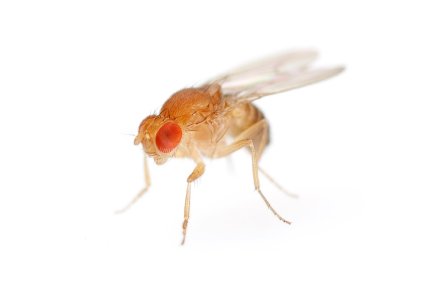
Fruit Flies for Sale
Price range: €39,99 through €99,99
Fruit Flies for Sale offer a convenient live feeder option for small insectivorous reptiles, amphibians and invertebrates.
Available in smaller Drosophila melanogaster and larger Drosophila hydei varieties, these fruit flies are suitable for animals such as dart frogs, baby geckos, juvenile chameleons and small praying mantises.
Flightless or wingless options make feeding and handling easier, while suitable culture conditions help maintain a continuing supply.
Choose the correct fly size for your animal and follow appropriate feeding and supplementation guidance.
Fruit Flies for Sale – Live Feeder Insects for Small Reptiles and Amphibians
Explore our Fruit Flies for Sale to find a convenient live feeder option for small insectivorous reptiles, amphibians and other suitable insect-eating animals. Fruit flies are particularly useful for young and miniature species that may struggle to catch or consume larger feeder insects. Their small size, active movement and ease of cultivation make them a popular choice among reptile and amphibian keepers.
Commonly sold as Drosophila melanogaster and Drosophila hydei, feeder fruit flies are available in different sizes to suit a variety of small predators. The smaller species is often preferred for newly hatched frogs, tiny geckos and other animals with very small mouths, while the larger species can provide a more substantial prey item for slightly bigger animals.
Whether you keep dart frogs, baby chameleons, anoles, small geckos, salamanders or certain invertebrates, fruit flies can help provide appropriately sized live prey as part of a suitable feeding programme. Many commercial cultures also contain food and breeding medium, allowing the colony to continue producing flies under appropriate conditions.
Choose the correct species for your animal, check the current culture size and quantity, and follow the recommended care instructions to maintain a healthy supply of live feeder insects.
What Are Feeder Fruit Flies?
Feeder fruit flies are small flies belonging to the genus Drosophila. Although wild fruit flies are commonly associated with ripe or fermenting fruit, feeder varieties are commercially cultured to provide a convenient food source for small insectivorous animals.
Two of the most widely used species are Drosophila melanogaster and Drosophila hydei. They differ mainly in body size, reproductive rate and developmental timing.
Commercial feeder cultures are often produced using flightless or wingless strains. These forms are easier to manage than fully flying insects, making them particularly practical for indoor feeding and small vivariums. However, flightless flies can still walk, climb and escape, so suitable containment remains important.
Fruit flies are used by keepers of small reptiles, amphibians and certain invertebrates because their size makes them accessible to animals that cannot comfortably consume larger prey. They are also widely used in scientific research and educational settings because of their short life cycle and ease of cultivation.
Fruit Fly Product Features
- Common name: Feeder fruit flies.
- Genus: Drosophila.
- Common feeder species: Drosophila melanogaster and Drosophila hydei.
- Product type: Live feeder insects or established cultures, depending on the listing.
- Appearance: Tiny flies with soft bodies and prominent eyes.
- Available forms: Flightless or wingless strains, depending on the product.
- Intended use: Feeding suitable small insectivorous animals.
- Culture contents: May include live adult flies, breeding medium and substrate, depending on the product.
- Size options: Vary by species and developmental stage.
- Storage: Requires suitable temperature, ventilation, containment and culture hygiene.
Always check the product listing for the exact species, culture format, quantity and care requirements before ordering.
Why Choose Fruit Flies?
Ideal for Small Predators
Fruit flies are particularly useful for animals that need very small prey. Newly hatched reptiles, miniature frogs and small invertebrates may be unable to catch or swallow conventional feeder insects such as adult crickets.
Their small size makes fruit flies an option for keepers who need prey suited to tiny mouths and developing animals.
Natural Movement Encourages Feeding
Fruit flies move actively around their culture and feeding environment. This movement can stimulate the hunting response of animals that naturally target small live insects.
They may be particularly useful for certain visual hunters, including small geckos, chameleons and frogs, although feeding responses vary between species and individuals.
Flightless and Wingless Options
Many feeder fruit flies are supplied in flightless or wingless forms, helping make them easier to handle and feed.
Wingless forms lack functional wings, while flightless forms may retain wings but cannot fly normally. Both types can still crawl and escape, so cultures should be handled carefully and kept securely closed when not in use.
Convenient Breeding Cultures
Depending on the product, a fruit fly culture may contain adult flies, developing larvae, pupae and a suitable breeding medium. This allows new flies to emerge over time, helping provide a continuing supply of feeders.
The output and lifespan of a culture depend on the species, temperature, food availability, moisture and hygiene. A new culture should be established before the existing one declines if you need a continuous supply.
Useful for Regular Feeding
Small insectivorous animals may need frequent access to appropriately sized prey. A productive fruit fly culture can help keepers maintain a convenient supply without relying entirely on repeated purchases of individual feeding portions.
For consistent availability, consider maintaining more than one culture at different stages of development.
Types of Fruit Flies for Sale
Choosing the correct species is one of the most important considerations when purchasing feeder fruit flies.
Drosophila melanogaster – Small Fruit Flies
Drosophila melanogaster is one of the most widely used feeder fruit fly species. It is generally smaller than Drosophila hydei and is commonly selected for very small animals.
Typical uses include:
- Newly hatched dart frogs and other tiny froglets.
- Small juvenile geckos.
- Young anoles and other miniature lizards.
- Small salamanders that accept this prey.
- Praying mantis nymphs and certain small spiders.
Its relatively rapid life cycle can make it useful for keepers who need frequent replenishment of small feeder insects.
Drosophila hydei – Larger Fruit Flies
Drosophila hydei is generally larger than Drosophila melanogaster. It can provide a more substantial prey item for animals that have outgrown the smallest fruit flies but are still too small for larger feeder insects.
Typical uses include:
- Some juvenile chameleons.
- Small and growing geckos.
- Certain frogs and toads.
- Suitable small lizards.
- Praying mantises and other predatory invertebrates that can safely consume them.
This species generally develops more slowly than D. melanogaster, so its breeding cycle and culture output may differ.
Which Species Should You Choose?
The best choice depends on the size of your animal and its ability to catch and consume the flies.
Choose Drosophila melanogaster when very small prey is required. Consider Drosophila hydei when a slightly larger feeder is appropriate.
If you are uncertain, check species-specific feeding guidance and the supplier’s stated fly dimensions before ordering.
Which Animals Can Eat Fruit Flies?
Fruit flies are primarily used for small animals that naturally consume tiny insects. Their suitability depends on the animal’s species, size, feeding behaviour and nutritional requirements.
Dart Frogs
Many dart frogs feed on small arthropods in their natural habitats. Fruit flies are commonly used in captive feeding programmes because their size makes them suitable for many dart frog species and life stages.
Smaller species of fruit fly may be particularly useful for newly metamorphosed froglets. As the frogs grow, their feeding requirements may change.
A balanced dart frog feeding programme may also require appropriate calcium and vitamin supplementation. Fruit flies should not automatically be considered nutritionally complete on their own.
Baby Chameleons
Young chameleons often require small, manageable prey that they can capture successfully. Fruit flies may be suitable for certain hatchlings and juvenile individuals, depending on the species and their size.
Larger juveniles may benefit from moving to other appropriately sized feeder insects as they grow. Follow species-specific feeding guidance and monitor body condition.
Anoles
Some anoles consume very small insects and may accept appropriately sized fruit flies. Their suitability depends on the anole species, the animal’s age and the dimensions of the prey.
Fruit flies can provide an option for small juveniles, while larger individuals may require a wider range of suitable feeder insects.
Small Geckos
Certain small gecko species and juveniles may accept fruit flies, especially when conventional feeder insects are too large.
However, gecko diets vary considerably. Some species require a complete formulated diet, while others are primarily insectivorous. Confirm that fruit flies are appropriate for the particular species.
Frogs and Toads
Many small frogs and some young toads consume tiny live insects. Fruit flies may be suitable for individuals that can capture and swallow them safely.
The appropriate fly size depends on the amphibian’s mouth size and natural feeding behaviour. Larger frogs may need bigger prey, while some species have specialised diets.
Salamanders and Newts
Certain small salamanders and newts consume tiny invertebrates and may accept fruit flies. Suitability depends on the species, its size and whether it feeds primarily on land or in water.
Select the appropriate prey and feeding method for the animal’s habitat and natural diet.
Praying Mantises and Small Spiders
Fruit flies can also be used for certain predatory invertebrates, including young praying mantises and some small spiders. The prey must be appropriate for the predator’s developmental stage and hunting ability.
Not every spider or mantis species will accept fruit flies, particularly as it grows larger.
Other Small Insectivores
Other animals that naturally consume tiny insects may accept feeder fruit flies. Always verify suitability before introducing them into a feeding routine, especially for species with specialised nutritional needs.
Understanding Fruit Fly Sizes
Fruit flies are much smaller than conventional feeder insects, but their size still varies between species and developmental stages.
Smaller Fruit Flies
Drosophila melanogaster is commonly used when very small prey is required. Its relatively small body size can make it appropriate for tiny froglets, miniature reptiles and small predatory invertebrates.
Larger Fruit Flies
Drosophila hydei is generally larger and may be more suitable for animals that can comfortably consume a larger fly.
How to Select the Correct Size
Before purchasing, consider:
- The animal’s species and current size.
- Its mouth size and ability to capture live prey.
- The fly species offered by the supplier.
- Whether the flies are flightless or wingless.
- The animal’s existing diet and feeding frequency.
Do not select a feeder solely by its product name. Check the approximate body dimensions and ensure the flies are suitable for the animal.
Nutritional Value of Fruit Flies
Fruit flies provide protein, fat and other nutrients, but their nutritional composition depends on their species, developmental stage and culture conditions.
They can be a useful feeder for animals that require very small prey, but their small size and nutrient profile mean they should be incorporated into an appropriate feeding and supplementation programme.
Protein
Protein provides amino acids required for growth, tissue maintenance and normal biological functions. Fruit flies contribute protein to the diets of animals that naturally consume small insects.
Fat and Energy
Fruit flies contain fat, which contributes energy. Their nutritional profile differs from that of other feeder insects, and the exact composition depends on the culture and developmental stage.
Calcium and Phosphorus
Fruit flies should not be assumed to provide sufficient calcium for reptiles and amphibians. Like many feeder insects, they can have an unfavourable calcium-to-phosphorus balance.
For animals that require supplementation, follow an appropriate species-specific programme using suitable calcium and vitamin products. The exact approach depends on the animal, its age, other food sources and husbandry conditions.
Gut-Loading and Supplementation
The nutritional value of feeder insects can be influenced by the food and culture conditions used to raise them. Follow the supplier’s guidance on culture maintenance and consult species-specific recommendations on gut-loading and dusting.
For animals that depend heavily on fruit flies, such as certain dart frogs, appropriate supplementation is particularly important.
How to Store Fruit Fly Cultures
Proper storage helps maintain a healthy culture and encourages continued production. Fruit flies need suitable temperatures, a stable food source and appropriate ventilation.
Maintain a Suitable Temperature
Keep cultures within the temperature range recommended by the supplier. Temperature affects fly activity, reproduction and the rate at which eggs develop into adults.
Warmer conditions may accelerate reproduction up to a suitable limit, while cooler conditions can slow development. Excessive heat or unsuitable cold can damage the culture.
Do not rely on a single temperature recommendation for every species or culture product.
Avoid Direct Sunlight
Keep cultures away from direct sunlight, radiators and other sources of excessive heat. A stable environment helps prevent overheating and unwanted changes in moisture.
Maintain Culture Hygiene
Check the breeding medium regularly. Excess moisture, contamination or mould can compromise the culture.
Avoid introducing dirty tools, spoiled food or contaminants. If the medium deteriorates or the culture stops producing flies, establish a replacement culture rather than relying on a failing colony.
Keep Cultures Secure
Flightless and wingless fruit flies can still crawl and escape. Keep the culture closed with its supplied lid or appropriate ventilation cover whenever possible.
Open containers carefully and avoid placing them near open windows or other locations where escaped insects could disperse.
Start Replacement Cultures Early
Fruit fly cultures do not produce indefinitely. Their output eventually declines as food is depleted and the culture ages.
If your animals rely on fruit flies, start a fresh culture before the existing one becomes unproductive. Maintaining multiple cultures at different stages can help provide a more consistent supply.
How to Feed Fruit Flies to Your Animals
Using fruit flies correctly involves selecting an appropriate quantity, handling the culture carefully and ensuring that the prey suits the animal.
- Confirm that the fly species and size are appropriate for your animal.
- Gently tap or rotate the culture as recommended by the supplier to collect the required flies.
- Transfer a suitable quantity into the animal’s enclosure or an appropriate feeding area.
- Close the culture promptly to minimise escapes.
- Monitor feeding activity and remove excess insects or culture material when necessary.
Avoid introducing large amounts of breeding medium into the enclosure. In humid or poorly ventilated environments, excess organic material can encourage mould or other hygiene problems.
Follow species-specific guidance on feeding frequency, quantity and supplementation. Very young animals may need frequent access to suitable prey, but requirements differ between species and individuals.
If an animal refuses fruit flies, check the prey size and feeding conditions. Persistent refusal, weight loss or other concerning signs warrant advice from a qualified exotic-animal veterinarian.
Fruit Flies Compared with Other Feeder Insects
Different feeder insects serve different purposes. Fruit flies are particularly useful for very small animals, while other feeders may become more appropriate as the animal grows.
Fruit Flies
Fruit flies are tiny, easy to culture and available in different sizes. They are particularly useful for miniature reptiles, young amphibians and certain invertebrates.
Crickets
Crickets provide a larger prey option for many reptiles and amphibians. They are often more suitable once a young animal has grown beyond the size at which fruit flies can provide an adequate meal.
Black Soldier Fly Larvae
Black soldier fly larvae are soft-bodied feeders with a different nutritional profile from fruit flies. They may suit certain larger insectivores but are generally not a direct replacement for the smallest fruit flies when feeding very tiny animals.
Mealworms
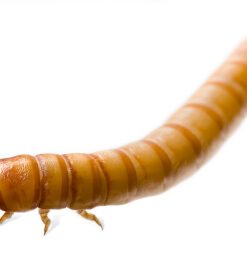
Mealworms are larger larvae with a firmer external covering. They may be appropriate for certain reptiles and amphibians, but their size and characteristics make them unsuitable for many tiny juveniles.
Choosing the Right Feeder
The best feeder depends on the animal’s size, species and dietary requirements. As an animal grows, its feeding programme may need to transition towards larger prey or a wider selection of suitable foods.
Fruit flies can remain useful for small species throughout their lives, provided the prey is appropriate and the overall diet meets nutritional requirements.
Ordering Fruit Flies Online
Before placing an order, review the product details and confirm:
- The fruit fly species supplied.
- Whether the culture is flightless or wingless.
- The approximate fly size.
- The culture container and its contents.
- Whether breeding medium is included.
- Current stock and dispatch arrangements.
- Recommended storage conditions.
- Shipping eligibility for your destination.
- Any applicable live-arrival policy or product guarantee.
Live cultures are sensitive to unsuitable temperatures, handling and transit conditions. Make sure you can receive the shipment promptly and have an appropriate place ready to store it.
International buyers should check the relevant import and transport requirements before ordering live insects. Do not assume that every fruit fly species or culture can legally be shipped to every destination.
Only rely on delivery times, live-arrival guarantees and product specifications explicitly confirmed by the supplier.
Frequently Asked Questions
What are feeder fruit flies?
Feeder fruit flies are small flies from the genus Drosophila, commonly cultured as food for small insectivorous reptiles, amphibians and certain invertebrates.
What is the difference between Drosophila melanogaster and Drosophila hydei?
Drosophila melanogaster is generally smaller and develops more quickly. Drosophila hydei is larger and usually has a slower developmental cycle. The best choice depends on the size of the animal being fed.
Are fruit flies suitable for baby reptiles?
Certain baby reptiles can eat appropriately sized fruit flies. Suitability depends on the species, the size of the animal and its nutritional requirements.
Can dart frogs eat fruit flies?
Fruit flies are commonly used for many dart frog species because their size suits small insectivores. Appropriate calcium and vitamin supplementation may still be necessary.
Are flightless fruit flies completely unable to escape?
Flightless fruit flies cannot normally sustain flight, but they can still crawl and climb. Cultures should be handled carefully and kept securely closed.
How long does a fruit fly culture last?
Culture lifespan varies according to the species, temperature, food supply, moisture and hygiene. Check the supplier’s guidance and establish replacement cultures before the existing colony declines.
Do fruit flies need to be fed?
Established cultures often contain breeding medium that supplies the food and moisture needed for continued development. Follow the supplier’s instructions, as some cultures may require additional care.
Do fruit flies provide enough calcium for reptiles?
Fruit flies should not automatically be considered a sufficient calcium source. Many reptiles require an appropriate supplementation programme to maintain proper calcium balance.
How many fruit flies should I feed?
The appropriate quantity depends on the animal’s species, age, size and feeding behaviour. Follow species-specific care guidance rather than applying a universal feeding amount.
Can I keep different fruit fly species together?
It is generally easier to maintain separate cultures for different species. This helps preserve the intended culture characteristics and makes it easier to manage size, development and feeding requirements.
What should I do if my fruit fly culture stops producing?
Check the culture’s age, food supply, temperature, moisture and signs of contamination. If production has declined significantly, establish a fresh culture from a reliable source.
Buy Fruit Flies for Your Feeding Programme
Explore our Fruit Flies for Sale for a practical live feeder option for small insectivorous reptiles, amphibians and suitable invertebrates. With smaller and larger species available from specialist suppliers, fruit flies can help provide appropriately sized prey for animals that cannot yet manage conventional feeder insects.
Before ordering, confirm the species, culture size, quantity and storage requirements. Maintain suitable culture conditions, choose prey that matches your animal’s feeding ability and follow species-specific nutritional and supplementation guidance to support responsible long-term care.
| Choose quantity & type | 1 Jar (16oz.) (Melan.), 2 Jars (32oz.) (Melan.), 3 Jars (48oz.) (Melan.), 4 Jars (64oz.) (Melan.), 1 Vial Flightless (hydei), 2 Vials Flightless (hydei), 5 Vials Flightless (hydei), 10 Vials Flightless (hydei) |
|---|---|
| Options | No Pref, Male, Female |
Be the first to review “Fruit Flies for Sale”
Related products
Feeder Insects for Sale
Feeder Insects for Sale
Feeder Insects for Sale
Feeder Insects for Sale
Feeder Insects for Sale
Feeder Insects for Sale
Feeder Insects for Sale
Feeder Lizards for Sale
Reviews
There are no reviews yet.