

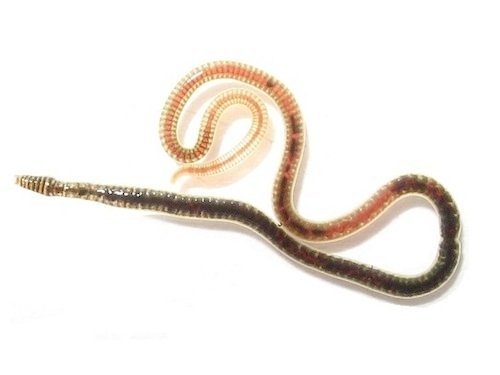
Live Blackworms for Sale
Price range: €59,99 through €199,99
Live Blackworms for Sale offer a convenient live freshwater food source for suitable aquarium fish, axolotls, newts, aquatic salamanders and other aquatic animals.
These soft-bodied worms (Lumbriculus variegatus) are valued for their natural movement and nutritional contribution, making them a useful addition to a varied feeding routine.
Ideal for aquarium enthusiasts and fish breeders, live blackworms can encourage natural feeding behaviour when offered in appropriate portions.
Follow proper storage and handling instructions, and remove uneaten or deteriorating worms to help maintain water quality.
Live Blackworms for Sale – Nutritious Freshwater Food for Fish and Aquatic Animals
Discover our Live Blackworms for Sale, a popular live-food option for aquarium enthusiasts, fish breeders and keepers of aquatic animals. These small freshwater worms are valued for their natural movement, soft bodies and nutritional contribution, making them a useful addition to the feeding routines of many suitable fish, amphibians and other aquatic predators.
Commonly known as California blackworms or freshwater blackworms, these worms are scientifically identified as Lumbriculus variegatus. They are aquatic segmented worms that naturally inhabit freshwater environments, including ponds and other slow-moving waters. Their slender bodies and wriggling movements make them appealing prey for animals that feed on small aquatic invertebrates.
Live blackworms are particularly popular among keepers of newts, aquatic salamanders, tadpoles, axolotls and freshwater aquarium fish. They can also be accepted by certain aquatic turtles and invertebrates, depending on the species and its dietary requirements.
Whether you are raising young fish, maintaining a collection of aquatic amphibians or looking to introduce more variety into an aquarium feeding programme, live blackworms offer a practical alternative to some conventional prepared foods. Their natural movement can encourage feeding responses, while their soft bodies make them suitable for many animals that prefer live prey.
Choose a suitable quantity for your collection, follow appropriate storage instructions and offer blackworms as part of a balanced, species-specific diet.
What Are Live Blackworms?
Live blackworms are freshwater annelids belonging to the species Lumbriculus variegatus. Although they are commonly called worms, they are not insect larvae. They are segmented aquatic invertebrates adapted to living in freshwater environments.
They have long, slender bodies, usually dark brown, reddish-brown or nearly black in appearance. Their size varies with age and growing conditions, and commercially supplied blackworms are often around 2.5–5 cm long, depending on the source and product.
In nature, blackworms inhabit freshwater sediments and other environments where organic material is available. They feed on suitable organic matter and microorganisms and form part of the food web for fish and other aquatic predators.
Their natural movement, manageable size and suitability for a range of aquatic animals have made them a recognised live food in aquarium keeping and aquatic animal care.
Unlike dried or frozen foods, live blackworms remain active when maintained under appropriate conditions. This movement can stimulate feeding behaviour in animals that respond to living prey.
Live Blackworms Product Features
- Common name: Live blackworms, freshwater blackworms or California blackworms.
- Scientific name: Lumbriculus variegatus.
- Product type: Live freshwater feeder worms.
- Appearance: Slender, segmented worms with dark brown to reddish-brown colouring.
- Size: Varies according to the supplier and worm condition.
- Nutritional characteristics: A source of protein, fat and other nutrients.
- Main use: Live food for suitable fish, amphibians and other aquatic animals.
- Feeding benefit: Natural movement can encourage prey recognition and feeding responses.
- Storage: Requires clean water, appropriate temperature and regular maintenance.
- Available quantities: Check the current product listing for pack sizes and quantities.
Product quantities, worm sizes, packaging and storage recommendations may vary. Check the individual listing for the exact specifications before ordering.
Why Choose Live Blackworms?
Natural Live Prey
Blackworms move naturally through the water, making them attractive to many aquatic predators. Their movement can encourage hunting behaviour and help stimulate feeding responses in fish and amphibians that recognise live prey.
This can be particularly useful when offering food to animals that show a preference for moving prey.
A Useful Option for Aquatic Amphibians
Live blackworms are popular among keepers of aquatic salamanders, newts and axolotls. Their soft bodies and aquatic nature make them a practical food option for suitable species and life stages.
The size of the worms and the feeding requirements of the individual animal should always be considered before use.
Suitable for Many Freshwater Fish
Numerous freshwater fish consume worms and other small aquatic invertebrates as part of their natural diet. Blackworms can provide a useful addition to feeding routines for suitable aquarium fish.
They may be especially appealing to bottom-feeding species and fish that prefer live prey, although suitability depends on the individual species.
Convenient to Portion
Live blackworms can be separated into smaller portions to suit the size and number of animals being fed.
This allows keepers to adjust the quantity according to feeding response and helps reduce unnecessary food waste.
Useful for Fish Breeding Projects
Some aquarium keepers use live blackworms as part of a varied conditioning diet for suitable adult fish.
Their nutritional contribution may complement other foods during breeding preparation, but successful breeding depends on the species, water quality, habitat, overall diet and other husbandry conditions.
An Alternative to Conventional Fish Foods
Blackworms offer a different texture, movement and feeding experience from pellets, flakes and other prepared foods.
They can add variety to an established feeding programme, although they should not automatically replace a nutritionally complete diet.
Which Animals Can Eat Live Blackworms?
Live blackworms can be suitable for a variety of aquatic animals that consume worms or other small invertebrates. The most appropriate use depends on the species, animal size, feeding behaviour and nutritional requirements.
Freshwater Aquarium Fish
Many freshwater fish consume blackworms readily when the worms are an appropriate size.
They may be suitable for certain tetras, bettas, gouramis, killifish, loaches, catfish and other carnivorous or omnivorous aquarium species.
Blackworms can be particularly useful for fish that respond strongly to live prey. Introduce them in manageable quantities and monitor feeding behaviour.
Fish Fry and Juvenile Fish
Certain young fish can consume suitably sized blackworms once they are large enough to handle them.
However, newly hatched fry often require much smaller foods, such as infusoria or appropriately sized rotifers, before progressing to larger live prey.
For growing fish, select food according to mouth size and developmental stage. Finely divided portions may be more suitable for certain small juveniles, but the worms must remain an appropriate food for the species.
Bettas
Bettas may accept live blackworms as part of a varied feeding programme. Their natural movement can stimulate feeding responses in fish that prefer live prey.
Offer appropriately sized portions and avoid relying exclusively on blackworms. A balanced diet should account for the betta’s overall nutritional requirements.
Tetras and Rasboras
Certain tetras and rasboras consume small worms and other invertebrates.
Blackworms may be suitable for individuals capable of swallowing them comfortably. For smaller fish, ensure that the worms or portions are not too large.
Corydoras and Other Catfish
Many bottom-feeding fish forage along the substrate for small invertebrates and other food particles.
Suitable catfish, including certain Corydoras species, may consume blackworms that reach the bottom of the aquarium. Use controlled portions to avoid worms disappearing into inaccessible substrate and decomposing.
Loaches
Certain loaches consume worms and other small aquatic prey as part of their natural feeding behaviour.
Blackworms may be a useful supplementary food for appropriate species. Offer them in a way that allows the fish to access the food without leaving excessive material in the aquarium.
Axolotls
Axolotls consume animal-based foods, with suitable options changing according to their size and life stage.
Live blackworms may be appropriate for certain juvenile axolotls and other suitable individuals. As axolotls grow, their dietary requirements and suitable prey sizes change.
Use blackworms as part of an appropriate feeding programme, monitor body condition and maintain excellent water quality.
Newts and Aquatic Salamanders
Many aquatic newts and salamanders consume worms and other small invertebrates.
Live blackworms can be a practical food option for suitable species because they remain in the aquatic environment and move naturally. Select an appropriate portion and follow the species’ specific dietary requirements.
Tadpoles
Tadpole diets vary considerably between species and developmental stages. Some tadpoles are primarily herbivorous or omnivorous, while others consume more animal-based foods.
Blackworms may be suitable for certain carnivorous or omnivorous tadpoles, but they should not be assumed to be appropriate for every species. Confirm the natural diet and feeding requirements before offering them.
Aquatic Turtles
Some aquatic turtles consume worms and other invertebrates as part of a varied diet.
Blackworms may be suitable as supplementary food for certain small or juvenile turtles, depending on their species and nutritional needs. They should not replace the complete diet required by the turtle.
Aquatic Invertebrates
Certain predatory aquatic invertebrates may consume small worms. However, blackworms are not suitable for every aquatic invertebrate, and the feeding behaviour of individual species varies.
Check species-specific guidance before introducing live blackworms to an invertebrate enclosure.
Understanding the Nutritional Value of Blackworms
Live blackworms provide protein, fat and other naturally occurring nutrients. Their exact nutritional composition depends on their condition, food source and culture environment.
They can contribute useful nutrients to suitable aquatic animals, but their nutritional value should be considered alongside the rest of the diet.
Protein
Blackworms provide protein, which supplies amino acids required for growth, tissue maintenance and normal biological functions.
This makes them a useful component of feeding programmes for suitable fish and aquatic amphibians. However, protein content alone does not make them a complete food.
Fat and Energy
Blackworms contain fat, which contributes to their energy value.
The amount varies according to their nutritional condition. Offer appropriate portions and maintain a varied feeding routine to avoid relying excessively on one food source.
Moisture
As aquatic organisms, live blackworms contain substantial moisture.
They can contribute moisture through feeding, but they do not replace the need for suitable water conditions or access to clean water in the animal’s habitat.
Nutritional Variation
The nutritional composition of blackworms can vary with culture conditions and food sources.
Where particular nutritional requirements apply, consider the animal’s entire feeding programme and seek species-specific guidance. Do not assume that all blackworm cultures have identical nutritional profiles.
Dietary Variety
Blackworms can be used alongside other suitable foods, including nutritionally complete pellets, prepared aquatic diets and alternative live or frozen foods.
A varied diet should be tailored to the animal rather than based on the assumption that every aquatic species benefits from the same feeding schedule.
How to Choose the Right Blackworm Quantity
Choosing an appropriate quantity helps you manage feeding, storage and water quality.
For Small Aquariums
Smaller aquariums and collections with only a few fish may require relatively modest portions.
Purchase a quantity that you can use while maintaining the worms in suitable conditions. Avoid adding more food than the animals can consume.
For Fish Breeding Projects
Breeders may require more frequent feeding or a larger supply when maintaining multiple fish or raising juveniles.
Consider the number of animals, their developmental stages and the available storage facilities before purchasing a larger quantity.
For Aquatic Amphibians
The appropriate quantity depends on the size, species and number of animals being fed.
Use small, controlled portions and observe feeding behaviour to determine how much is consumed. Remove excess food when necessary.
For Regular Live Feeding
If blackworms form part of your regular feeding routine, plan how frequently you will use them and how they will be stored.
A suitable storage routine is essential for maintaining the worms and preventing deteriorating water quality.
Before Ordering
Consider the following:
- The species and number of animals you keep.
- The size of the worms supplied.
- The amount required for each feeding session.
- The storage space available.
- The recommended storage temperature and maintenance routine.
- The quantity included in each pack.
- The supplier’s shipping conditions and delivery arrangements.
Choosing the right quantity can help minimise waste and make it easier to maintain the worms in good condition.
How to Store Live Blackworms
Proper storage is essential for maintaining live blackworms after arrival. Follow the supplier’s instructions because temperature, water conditions and recommended storage methods can differ between products.
Prepare a Suitable Container
Use a clean container made from aquarium-safe materials. A shallow container is often practical because it allows easier observation and water maintenance.
Avoid overcrowding and ensure that the worms have access to suitable water conditions.
Use Clean, Dechlorinated Water
Use suitable freshwater for storage. If using tap water, treat it appropriately to remove chlorine and chloramine, as these substances can harm aquatic organisms.
Avoid using distilled or deionised water as the sole storage medium unless a specialist protocol specifically calls for it.
Maintain a Suitable Temperature
Blackworms generally keep better under cool conditions than in warm environments. Some suppliers recommend refrigeration for short-term storage.
Follow the recommended temperature range for your particular product. Avoid freezing the worms or exposing them to sudden temperature changes.
Change the Water Regularly
Replace the storage water as recommended to remove waste and maintain suitable conditions.
Inspect the worms during water changes and remove dead or deteriorating material. If the water becomes cloudy or develops an unusual odour, check the condition of the worms and replace the water promptly.
Provide Suitable Oxygen Exchange
Blackworms need appropriate environmental conditions to remain healthy. Avoid overcrowding them in deep containers with stagnant water.
Depending on the container and culture density, suitable water depth, surface area and gentle aeration may help maintain conditions. Follow a reliable care protocol for your setup.
Avoid Excessive Feeding During Storage
For short-term storage, additional food may not be necessary. For longer-term culture, feeding requirements depend on the setup and storage conditions.
If maintaining a culture, use appropriate food sparingly and remove uneaten material to prevent water contamination.
Monitor the Worms Regularly
Check the worms daily for movement, condition and changes in the water.
Remove deteriorating worms and maintain clean storage conditions. Use the live food while it remains in good condition rather than assuming it can be stored indefinitely.
How to Feed Live Blackworms to Your Animals
Live blackworms should be offered according to the animal’s size, species and feeding requirements.
- Inspect the worms before use and discard any that appear dead or deteriorated.
- Rinse the required portion using suitable clean, dechlorinated water.
- Offer a quantity appropriate for the animal’s size and feeding ability.
- Observe the animal to confirm that it is consuming the worms.
- Remove excess worms when necessary to protect water quality.
- Continue providing other foods needed for a balanced, species-specific diet.
For bottom-feeding fish, a suitable feeding dish or worm feeder may help prevent the worms from becoming inaccessible in the substrate.
For aquatic amphibians, introduce food in a way that allows the animal to find and consume it without leaving excessive waste in the enclosure.
Avoid feeding more than the animal can reasonably consume. Uneaten food can contribute to organic waste and deteriorating water quality.
Live Blackworms Compared with Other Feeder Foods
Different live foods offer different sizes, nutritional characteristics and storage requirements. Comparing them can help you select appropriate options for your animals.
Blackworms
Blackworms are freshwater segmented worms commonly used for suitable fish and aquatic amphibians. Their natural movement and soft bodies make them attractive to many aquatic predators.
Bloodworms
The term bloodworm commonly refers to the larvae of certain non-biting midges, particularly chironomids. They are different from blackworms and have their own nutritional and storage characteristics.
Tubifex Worms
Tubifex worms are another group of aquatic segmented worms sometimes used as fish food. They are not the same species as blackworms.
Source quality and appropriate handling matter for all live aquatic foods. Purchase from a reputable supplier and avoid using worms collected from potentially polluted environments.
Brine Shrimp
Brine shrimp, commonly known as Artemia, are small crustaceans frequently used for feeding fish fry and other aquatic animals.
Newly hatched brine shrimp are useful for many small fry, while blackworms may suit larger juveniles and adult animals that can consume them.
Daphnia
Daphnia are freshwater crustaceans commonly used as live food for aquarium fish.
They offer a different prey size and nutritional profile from blackworms and can be useful for suitable fish that feed on small crustaceans.
Moina
Moina are small freshwater crustaceans used in fish breeding and aquaculture.
They can be suitable for certain young fish that are too small to consume larger live foods, depending on the species and developmental stage.
Prepared Aquarium Foods
Pellets, flakes and other prepared foods can provide consistent nutrition when formulated for the species being kept.
Live blackworms can complement suitable prepared foods, but they should not automatically replace a complete diet.
Why Feeding Variety Matters
Different foods supply different nutrients and suit different feeding behaviours. Combining suitable options can help meet an animal’s requirements throughout its life.
Always select foods according to the species, life stage and overall nutritional plan.
Ordering Live Blackworms Online
Before purchasing Live Blackworms for Sale, review the product listing and confirm the following:
- The species supplied, ideally identified as Lumbriculus variegatus.
- The quantity or volume included in the pack.
- The approximate size of the worms.
- The packaging and storage instructions.
- The recommended temperature after arrival.
- Current availability and dispatch arrangements.
- Shipping eligibility for your destination.
- Any applicable live-arrival policy or product guarantee.
Live aquatic organisms require suitable packaging and transport conditions. Prepare a clean storage container and suitable water before the order arrives.
For international orders, check applicable import regulations for live aquatic organisms. Do not assume that a supplier ships live blackworms to every destination.
Only rely on delivery times, product quantities and live-arrival guarantees explicitly confirmed by the seller.
Frequently Asked Questions
What are live blackworms?
Live blackworms are freshwater segmented worms, commonly identified as Lumbriculus variegatus. They are used as food for suitable aquarium fish, aquatic amphibians and other aquatic predators.
Are blackworms the same as bloodworms?
No. Blackworms are freshwater segmented worms, while bloodworms commonly refer to the larvae of certain aquatic midges. They are different organisms.
Can fish eat live blackworms?
Many freshwater fish can consume appropriately sized blackworms. Their suitability depends on the fish species, mouth size and feeding requirements.
Can axolotls eat blackworms?
Blackworms may be suitable for certain juvenile and other appropriately sized axolotls. Follow age-appropriate feeding guidance and maintain excellent water quality.
Are blackworms suitable for newts and salamanders?
Many aquatic newts and salamanders consume worms and other invertebrates. Blackworms can be suitable for certain species when offered in appropriate quantities.
Can blackworms be fed to tadpoles?
Some carnivorous or omnivorous tadpoles may consume blackworms, but the suitability depends on species and developmental stage. Check the animal’s natural diet before feeding.
How should live blackworms be stored?
Store them in clean, suitable water under the supplier’s recommended temperature conditions. Regularly inspect the worms, change the water as advised and remove deteriorating material.
How long do live blackworms last?
Storage life depends on temperature, water quality, stocking density and handling. Proper care can help maintain them for an extended period, but no fixed storage duration is guaranteed for every batch.
Do blackworms need refrigeration?
Refrigeration is commonly recommended for short-term storage by many suppliers, but the appropriate temperature depends on the product and care instructions. Avoid freezing or sudden temperature changes.
Do blackworms need to be rinsed before feeding?
Rinsing the required portion with suitable clean, dechlorinated water can help remove waste and excess storage water before feeding.
Can blackworms live in an aquarium after feeding?
Some worms may remain alive after being introduced into an aquarium, particularly if they find suitable substrate conditions. However, uneaten worms should be monitored and removed when necessary to prevent waste accumulation.
Are blackworms a complete food?
Blackworms provide useful nutrients but should not automatically be considered a complete diet for every fish or amphibian. Follow species-specific feeding recommendations and provide other required foods.
How many blackworms should I feed?
The correct amount depends on the species, size, age, feeding behaviour and overall diet of the animal. Begin with a modest portion, observe consumption and adjust while maintaining water quality.
Can I culture blackworms at home?
Blackworms can be maintained in suitable culture systems, but successful long-term maintenance depends on water quality, temperature, oxygen exchange, food and stocking density. Follow a reliable culture guide before attempting to establish a colony.
Buy Live Blackworms for Sale
Explore our Live Blackworms for Sale for a versatile freshwater feeding option for suitable aquarium fish, axolotls, newts, aquatic salamanders and other aquatic animals. These naturally moving worms provide a different feeding experience from conventional prepared foods and can contribute useful nutrients to an appropriate diet.
Whether you are raising young fish, maintaining aquatic amphibians or adding variety to an established aquarium feeding programme, choose a suitable quantity and follow the recommended storage and handling instructions.
Maintain clean water, offer controlled portions and remove excess food when necessary. Check the current product specifications, availability and shipping terms before ordering to ensure that your live blackworms suit your animals and feeding routine.
| Choose amount | 0.25lb (1k to 2k worms), 0.5lb (2k to 3k worms), 1lb (4k to 6k worms), 2lbs (8k to 12k worms) |
|---|
Be the first to review “Live Blackworms for Sale”
Related products
Feeder Insects for Sale
Feeder Insects for Sale
Feeder Insects for Sale
Feeder Insects for Sale
Feeder Lizards for Sale
Feeder Insects for Sale
Feeder Insects for Sale
Feeder Insects for Sale
Reviews
There are no reviews yet.