

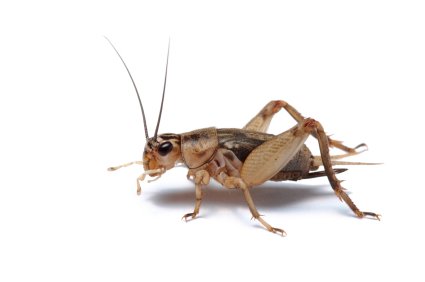
Crickets for Sale
Price range: €44,99 through €54,99
Crickets for Sale provide a popular live feeder option for suitable reptiles, amphibians and insect-eating invertebrates.
Rich in protein and other nutrients, crickets encourage natural hunting behaviour and can support a varied feeding routine.
Suitable for animals such as bearded dragons, leopard geckos, chameleons, anoles and certain frogs, they are available in different sizes to accommodate various feeding needs.
Choose appropriately sized crickets, maintain them in well-ventilated conditions and follow suitable gut-loading and supplementation guidance to help support your pet’s nutritional needs.
Crickets for Sale – Live Feeder Crickets for Reptiles and Amphibians
Discover our Crickets for Sale, a popular live feeder option for reptile keepers, amphibian enthusiasts and owners of insect-eating pets. Crickets are valued for their natural movement, nutritional contribution and versatility, making them a useful part of a varied, species-appropriate feeding routine.
Live feeder crickets are commonly used for bearded dragons, leopard geckos, chameleons, anoles, skinks, frogs, toads and other animals that naturally consume insects. Their active movement encourages hunting behaviour, providing feeding enrichment for many insectivorous species.
Depending on the supplier, feeder crickets may include house crickets (Acheta domesticus) or other species raised for animal feeding. They are often available in different sizes, allowing keepers to select suitable prey for young animals, growing juveniles and adults.
Whether you maintain a single pet reptile or care for a larger collection, live crickets offer a convenient way to provide suitable insect prey. Choose the right size, maintain appropriate storage conditions and follow species-specific feeding and supplementation guidance to help keep your animals healthy.
What Are Feeder Crickets?
Feeder crickets are live insects raised specifically to provide food for insectivorous and omnivorous animals. They are widely used in reptile and amphibian husbandry because they are readily accepted by many species and can be supplied in different sizes.
The house cricket (Acheta domesticus) is one of the commonly used feeder species. Other species, such as the banded cricket (Gryllodes sigillatus), are also raised for the live-food market. The exact species supplied depends on the product.
Crickets have elongated bodies, six legs, antennae and powerful hind legs that allow them to jump. Their active movement can stimulate natural prey-catching responses in suitable animals.
They provide protein, fat, moisture and other nutrients. Their overall nutritional contribution depends on their species, developmental stage, diet and condition before feeding.
Crickets are not a complete food for every animal on their own. For best results, incorporate them into an appropriate feeding programme that accounts for prey variety, gut-loading, supplementation and the individual animal’s nutritional requirements.
Crickets for Sale – Product Features
- Product type: Live feeder insects.
- Common name: Feeder crickets.
- Scientific identification: May include Acheta domesticus or another feeder-cricket species.
- Appearance: Usually brown, tan or dark brown, depending on the species.
- Life stages: Young nymphs through to adults, depending on availability.
- Size options: May include pinhead, small, medium and large crickets.
- Nutritional characteristics: A source of protein, fat, moisture and other nutrients.
- Suitable animals: Certain reptiles, amphibians and insectivorous invertebrates.
- Storage: Requires suitable ventilation, temperature, food and moisture management.
- Feeding preparation: Gut-loading and supplementation may be appropriate, depending on the animal.
- Pack quantities: Check the product listing for current sizes and available counts.
Specific sizes, quantities, cricket species and packaging options may vary. Review the product specifications before ordering to ensure that the crickets suit your animal.
Why Choose Live Feeder Crickets?
A Useful Source of Protein
Crickets provide protein and other nutrients that contribute to the diets of suitable insect-eating animals. They are widely used as a regular feeder for many commonly kept reptiles and amphibians.
Their nutritional value depends partly on how they are raised and maintained before feeding. Gut-loading and appropriate supplementation can help improve their contribution to a balanced diet.
Encourages Natural Hunting Behaviour
Live crickets move actively and may encourage animals to stalk, chase and capture their prey.
This feeding behaviour can provide enrichment for insectivorous reptiles and amphibians that respond to moving food. Individual animals differ in their feeding preferences, so crickets may be more readily accepted by some pets than others.
Available in Different Sizes
Feeder crickets are commonly supplied in a range of sizes, from tiny pinhead crickets to larger, more developed individuals.
This allows keepers to select suitable prey for different animals and life stages. Small crickets may be appropriate for certain hatchlings and juveniles, while larger crickets can suit some adult insectivores.
Always check the actual size supplied rather than relying exclusively on labels such as small, medium or large.
Versatile for Different Species
Crickets are used to feed many insectivorous reptiles and amphibians, including certain geckos, dragons, chameleons, skinks, frogs and toads.
Some predatory invertebrates can also consume appropriately sized crickets. Suitability depends on the species, size, feeding behaviour and dietary requirements of the animal.
Convenient for Regular Feeding
Purchasing live feeder crickets can help keepers maintain a consistent supply of suitable insect prey.
Depending on the supplier, crickets may be available in different pack quantities. Choosing an appropriate quantity helps reduce waste and makes it easier to manage storage and feeding schedules.
Can Be Gut-Loaded
Gut-loading involves feeding suitable, nutrient-rich foods to feeder insects before offering them to a pet.
Crickets can be fed appropriate commercial cricket diets and suitable fresh foods, depending on the intended animal and the supplier’s instructions. This can help improve the nutritional condition of the insects before feeding.
Which Animals Can Eat Crickets?
Crickets are suitable for many insectivorous and omnivorous animals, but not every species has the same dietary requirements. Always select prey according to the animal’s size, age and natural feeding behaviour.
Bearded Dragons
Bearded dragons commonly consume insects alongside appropriate plant foods. Their dietary requirements change as they grow.
Crickets can be a useful feeder for juvenile and adult bearded dragons when the insects are appropriately sized. Their movement can encourage hunting behaviour, while their nutritional contribution complements a varied diet.
Follow suitable guidance on calcium and vitamin supplementation, UVB lighting and the balance between insect and plant foods.
Leopard Geckos
Leopard geckos are insectivorous reptiles that commonly eat live feeder insects.
Crickets can be offered to juvenile and adult leopard geckos when the prey is small enough to be swallowed safely. Smaller geckos generally need smaller insects, while larger adults may accept larger crickets.
Offer crickets as part of a varied insect-based feeding routine and remove uneaten insects when necessary.
Crested Geckos
Crested geckos generally require a nutritionally complete, species-appropriate formulated diet. Some individuals can also consume suitable insects as supplementary food.
Crickets may be appropriate for certain crested geckos, but they should not replace a complete formulated diet. Follow species-specific feeding guidance and consider the animal’s age, size and nutritional needs.
Chameleons
Many commonly kept chameleon species consume live insects as a major part of their diet.
Crickets may be suitable for certain chameleons, provided the insects are appropriately sized and prepared according to the animal’s nutritional requirements.
Follow species-specific guidance for gut-loading, calcium and vitamin supplementation, hydration and UVB provision.
Anoles
Anoles are generally insectivorous lizards that hunt small insects and other invertebrates.
Small crickets may be suitable for appropriately sized anoles. Select prey that the lizard can capture and swallow safely, and avoid offering crickets that are too large.
Skinks
Certain insectivorous and omnivorous skinks consume crickets and other invertebrates.
Crickets can be incorporated into the feeding programme of suitable species. Because dietary requirements differ between skinks, confirm that crickets are appropriate for your particular animal.
Monitor Lizards
Some monitor lizards consume insects, particularly during certain life stages.
Crickets may be suitable for smaller insectivorous species and growing juveniles, depending on their size and feeding requirements. Larger monitors generally need a broader diet appropriate to their species.
Frogs and Toads
Many terrestrial frogs and toads eat live insects, making crickets a familiar feeder option.
Appropriately sized crickets may be suitable for certain commonly kept amphibians. Very small frogs and newly metamorphosed animals may require pinhead crickets or even smaller prey.
Choose insects that can be swallowed safely and follow the species’ specific feeding requirements.
Praying Mantises
Many praying mantis species consume live insects, including appropriately sized crickets.
The suitable prey size depends on the mantis species, developmental stage and feeding behaviour. Remove uneaten crickets when necessary, particularly when the mantis is preparing to moult or has recently moulted.
Other Insectivorous Animals
Certain other reptiles, amphibians and invertebrates may also consume crickets.
Before introducing crickets into an animal’s diet, check its natural feeding requirements and ensure that the insects are suitable in size and nutritional composition.
Understanding the Nutritional Value of Crickets
Crickets naturally contain protein, fat, moisture and other nutrients. Their precise nutritional composition varies with species, developmental stage, diet and rearing conditions.
They can make a valuable contribution to the diet of suitable insectivorous animals, but their nutritional profile should be considered alongside the animal’s complete feeding programme.
Protein
Protein supplies amino acids needed for growth, tissue maintenance and normal biological functions.
Crickets provide a useful source of dietary protein for many insect-eating reptiles and amphibians. This is one reason they are commonly included in feeder-insect rotations.
Fat and Energy
Crickets contain fat, which contributes to their energy value.
The amount varies according to their developmental stage and nutritional condition. A varied selection of appropriate feeder insects can help diversify the overall nutritional profile of an animal’s diet.
Moisture
Crickets contain moisture, which contributes to their nutritional composition.
They should not be treated as a replacement for appropriate drinking water or the humidity required by the animal being fed.
Calcium and Supplementation
Crickets should not automatically be considered a complete source of calcium for insectivorous reptiles.
Depending on the species, age, diet and UVB exposure, calcium or vitamin supplementation may be necessary. Follow species-specific husbandry advice to avoid both deficiencies and excessive supplementation.
Gut-Loading for Better Nutrition
Gut-loading means feeding suitable, nutrient-rich foods to feeder insects before offering them to a pet.
Crickets can be maintained on an appropriate commercial feeder diet, with suitable fresh foods where recommended. The aim is to improve their nutritional condition before they are eaten.
Remove uneaten fresh food before it spoils, and avoid foods that may be harmful to the intended animal.
Gut-loading is an important nutritional consideration, but it does not guarantee that crickets alone provide a complete diet.
Choosing the Right Cricket Size
Selecting an appropriate cricket size is essential for safe feeding.
Crickets grow through successive moults, and their dimensions vary according to their developmental stage. Supplier size labels are not always consistent, so check the actual dimensions where available.
Pinhead Crickets
Pinhead crickets are newly hatched or very young crickets.
They may be suitable for certain hatchling reptiles, small amphibians and other tiny insectivores that cannot safely consume larger prey.
Some very small animals require even smaller food sources, so confirm that pinhead crickets are appropriate for your species.
Small Crickets
Small crickets may suit certain juvenile geckos, anoles, young bearded dragons and other small insectivores.
They are often easier for smaller animals to capture and swallow than larger crickets. Check the dimensions before ordering to ensure that the prey is appropriate.
Medium Crickets
Medium-sized crickets can suit certain growing reptiles and smaller adult insectivores.
They offer an option for animals that have outgrown very small prey but cannot yet safely consume larger crickets.
Large Crickets
Large crickets may be suitable for certain adult reptiles and amphibians.
They should not be offered to animals that cannot swallow them safely. Always assess the individual animal’s size and feeding ability before choosing larger prey.
A General Sizing Guideline
For many lizards, a commonly used starting guideline is to choose prey no wider than the space between the animal’s eyes. This is not a universal rule for every reptile or amphibian.
Use species-specific feeding guidance, particularly for hatchlings, very small juveniles and animals with specialised dietary requirements.
How to Store Live Feeder Crickets
Appropriate storage helps maintain cricket health and condition before feeding. Follow the supplier’s instructions because requirements may vary with the cricket species and the length of time they will be stored.
Use a Secure, Well-Ventilated Container
Keep crickets in a suitable cricket keeper or secure container with adequate ventilation.
Smooth-sided containers can help reduce escapes, while sufficient airflow helps prevent unhealthy conditions. Avoid overcrowding, as excessive density can increase stress and mortality.
Provide Suitable Hiding Places
Cardboard egg flats or similar clean structures can provide shelter and additional surface area.
Arrange them so that air can circulate and the crickets can move freely. Keep the container secure and inspect it regularly for escapes.
Maintain Suitable Temperature
Cricket activity and survival are affected by temperature.
Follow the supplier’s recommended temperature range and avoid direct sunlight, excessive heat and sudden temperature changes. Do not assume that refrigeration is appropriate for every feeder-cricket species.
Provide Appropriate Food
A suitable commercial cricket diet can provide a convenient food source.
Appropriate fresh foods may also be offered, depending on the supplier’s instructions and the intended animal. Remove uneaten fresh food before it spoils.
Provide Safe Hydration
Crickets require moisture, but open water dishes can create a drowning risk.
Use a suitable feeder-insect hydration product or another recommended moisture source. Keep the enclosure clean and avoid conditions that encourage mould.
Clean the Enclosure Regularly
Remove dead crickets, accumulated waste and deteriorating food. Clean the container as necessary and monitor the insects for changes in activity or condition.
Avoid Prolonged Storage Without Care
Crickets can deteriorate when kept in unsuitable conditions.
Purchase quantities that match your feeding schedule and use the insects while they remain healthy. If you need to store them for several days, ensure that their environmental and nutritional requirements are met.
How to Feed Crickets to Your Pet
The correct feeding method depends on the animal’s species, size, age and nutritional requirements.
- Confirm that crickets are suitable for your animal.
- Select an appropriate cricket size.
- Inspect the insects and avoid feeding crickets that are dead, contaminated or deteriorating.
- Gut-load the crickets when appropriate, following suitable care guidance.
- Apply calcium or vitamin supplements when recommended for your species.
- Offer a suitable quantity and observe the animal’s feeding response.
- Remove uneaten crickets when necessary to maintain enclosure hygiene.
Do not leave live crickets loose in an enclosure without considering the animal’s behaviour and welfare. Uneaten crickets may hide or disturb certain animals.
If your pet persistently refuses food, loses weight or shows signs of illness, consult a qualified exotic-animal veterinarian.
Crickets Compared with Other Feeder Insects
Different feeder insects offer different nutritional profiles, sizes and care requirements. Comparing these options can help you build a feeding programme suited to your animal.
Crickets
Crickets are active live feeders that can stimulate hunting behaviour in suitable animals. They are available in a range of sizes and can be gut-loaded before feeding.
Their jumping ability and active behaviour can make them less convenient to contain than some other feeder insects.
Dubia Roaches
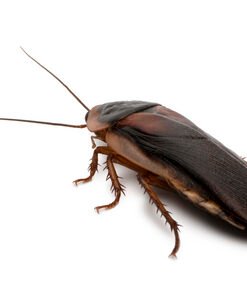
Dubia roaches are a popular alternative to crickets. They do not chirp or jump, and they can be maintained in suitable containers.
They provide a different nutritional profile and feeding experience and can complement crickets in a varied feeding programme.
Mealworms
Mealworms are the larvae of the darkling beetle, Tenebrio molitor. They can be convenient to store in suitable conditions, but their nutritional characteristics differ from those of crickets.
Their suitability depends on the animal being fed and the overall diet.
Superworms
Superworms are the larvae of Zophobas morio. They are generally larger than standard mealworms and may suit certain animals that can swallow them safely.
Silkworms
Silkworms are soft-bodied larvae with a different texture and moisture profile from crickets. They can provide another option for suitable insectivores.
Hornworms
Hornworms are caterpillars used as supplementary feeder insects for certain reptiles. They contain substantial moisture and can provide variety in a suitable feeding routine.
Why Feeder Variety Matters
No single feeder insect is ideal for every animal or every feeding situation.
A suitable feeding programme should account for the animal’s species, prey size, nutritional requirements and supplementation needs. Crickets can be a useful staple feeder for many insectivores, but they should not automatically be the only food offered.
Ordering Crickets Online
Before purchasing Crickets for Sale, review the product listing and confirm:
- The cricket species supplied.
- The available size categories and approximate dimensions.
- The number of crickets included in each pack.
- The packaging and storage instructions.
- Current stock availability and dispatch arrangements.
- Shipping eligibility for your destination.
- Any applicable live-arrival policy or product guarantee.
Live insects require appropriate packaging and transport conditions. Prepare a secure, ventilated holding container before your order arrives.
For international orders, check applicable import and transport regulations for live insects. Do not assume that every supplier ships feeder crickets to every destination.
Only rely on product quantities, delivery promises, shipping offers and live-arrival guarantees explicitly confirmed by the seller.
Frequently Asked Questions
What are feeder crickets?
Feeder crickets are live insects raised for feeding suitable reptiles, amphibians and other insect-eating animals. Common feeder species include the house cricket (Acheta domesticus) and the banded cricket (Gryllodes sigillatus).
Are crickets good feeder insects?
Crickets can be a useful feeder because they provide protein and other nutrients, encourage natural hunting behaviour and are available in different sizes. Their suitability depends on the animal’s dietary requirements.
Can bearded dragons eat crickets?
Yes, bearded dragons can eat appropriately sized crickets as part of a balanced feeding programme. Follow suitable guidance on plant foods, calcium supplementation and UVB lighting.
Can leopard geckos eat crickets?
Yes, crickets are a common feeder for leopard geckos. Choose an appropriate size and offer them as part of a varied insect-based diet.
Can frogs eat crickets?
Many insectivorous frogs and toads consume live crickets. Select prey according to the species and the animal’s size, particularly for very small frogs.
Do crickets need gut-loading?
Gut-loading is commonly recommended to improve the nutritional condition of feeder crickets before feeding. Use appropriate foods and follow guidance for the animal that will consume them.
Do crickets need calcium powder?
Some insectivorous reptiles require calcium supplementation. The appropriate approach depends on the animal’s species, age, diet and UVB exposure. Follow species-specific husbandry guidance.
How many crickets should I feed my pet?
The appropriate quantity depends on the animal’s species, age, size, body condition and overall diet. Follow species-specific guidance and monitor your pet’s feeding response.
What size crickets should I buy?
Choose crickets according to the animal’s mouth size, feeding ability and developmental stage. Check the actual dimensions supplied and consult species-specific feeding guidance.
How should I keep crickets alive?
Store crickets in a secure, well-ventilated container with suitable food, moisture and temperature conditions. Remove dead insects and spoiled food regularly.
Can crickets replace all other feeder insects?
Not necessarily. Although crickets are a useful feeder for many insectivorous animals, a varied, species-appropriate diet may provide a broader range of nutrients and feeding experiences.
Can I order crickets in bulk?
Bulk quantities may be available depending on the supplier. Check the product listing for pack sizes and consider your feeding schedule and storage capacity before ordering.
Buy Crickets for Sale
Explore our Crickets for Sale for a convenient live feeder option for suitable reptiles, amphibians and other insect-eating animals. Valued for their natural movement, nutritional contribution and range of available sizes, crickets can play an important role in a varied feeding programme.
Whether you keep bearded dragons, leopard geckos, chameleons, anoles, frogs or other suitable insectivores, choosing appropriately sized crickets can make regular feeding easier to manage.
Check the current product specifications for cricket species, sizes and pack quantities before ordering. Maintain your feeders in suitable conditions, gut-load them when appropriate and follow the nutritional guidance for your animal to support a balanced, species-appropriate diet.
| Choose quantity | 500 Shipped Overnight, 1000 Shipped Overnight |
|---|---|
| Size | 1/2", 3/8", 1/4", 3/16", 1/8", 3-day, Pinhead |
Be the first to review “Crickets for Sale”
Related products
Feeder Insects for Sale
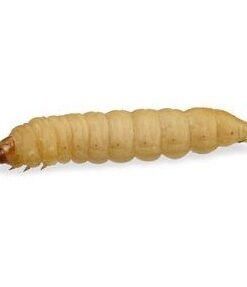
Feeder Insects for Sale
Feeder Insects for Sale
Feeder Insects for Sale
Feeder Insects for Sale
Feeder Insects for Sale
Feeder Insects for Sale
Feeder Insects for Sale
Reviews
There are no reviews yet.